I’ve been there. Standing in the garage, a frayed wire sparking ominously, and the only thing within reach is that silver roll of industrial magic: duct tape. The question pops into your head, a desperate plea: can duct tape be used as electric tape? You’ve seen it in movies, maybe even in a pinch, but is it actually a good idea? Let me tell you, I’ve wasted enough money on gadgets that overpromise and underdeliver to know that sometimes, the simple answer is the most important one.
The truth is, while duct tape can temporarily cover a wire, it’s a far cry from proper electrical tape, and relying on it for anything more than a quick, absolute emergency fix is asking for trouble.
Duct Tape vs. Electrical Tape: What’s the Real Difference?
Look, everyone knows duct tape. It’s the universal fixer, the go-to for everything from leaky pipes to costume malfunctions. That sticky, cloth-backed marvel has saved my bacon more times than I can count. But when it comes to electricity, things get a whole lot more serious than a wobbly table leg. So, can duct tape be used as electric tape? The short answer is: not really, and certainly not as a permanent or safe solution.
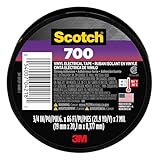
Electrical tape is specifically designed for one job: insulating wires. It’s made from a vinyl material that’s stretchy, flexible, and importantly, non-conductive. It’s got a strong adhesive that stays put without degrading, even when exposed to a bit of heat or moisture.
The real magic is in its dielectric strength – its ability to withstand a certain voltage without breaking down and allowing current to pass through. This is the stuff that stops your toaster from becoming a lightning rod. I remember one time, way back when I was first getting into DIY electronics, I had a lamp with a slightly damaged cord. In a moment of ‘can-do’ enthusiasm, I wrapped it in duct tape.
It looked okay, but a few weeks later, during a thunderstorm, the whole thing shorted out and tripped the breaker. Lesson learned, the hard way.
Duct tape, on the other hand, is mostly fabric with a polyethylene coating and a strong, rubber-based adhesive. While the outer layer might offer some minor protection, the fabric itself is permeable and can conduct electricity, especially if it gets wet. The adhesive can also break down over time, becoming gummy or brittle, and the tape can lose its tack. This means whatever you’ve ‘fixed’ can easily come undone, exposing the wires and creating a fire hazard. I’ve seen duct tape start to peel away from wires after only a few months, especially in warmer environments. It’s just not built for the demands of electrical work.
When ‘good Enough’ Is Just Plain Dangerous
People often ask if duct tape can be used as electric tape because, in a pinch, it seems to do the job. You can wrap it around a bare wire, and it holds it in place. It feels secure. But that feeling is deceptive.
Electrical tape is designed with specific safety standards in mind. It needs to stretch to conform to irregular shapes without tearing, maintain its insulating properties even when pulled taut, and resist heat generated by current flow. Duct tape just… sticks.
It doesn’t have the specialized chemical makeup or physical properties required for electrical insulation. Think of it like using a band-aid to seal a leaky radiator hose. It might temporarily stop the drip, but it’s not going to hold up under pressure or heat, and you’re risking a much bigger problem down the line.
One common mistake I see people make is thinking that because duct tape is so strong and sticky, it must be good for everything. I’ve seen people use it to patch up car wiring, temporary outdoor extension cords, and even inside appliance panels. (See Also: Can I Use Electrical Tape To Connect Wires )
This is where the ‘common advice is wrong’ flag really goes up. The advice that duct tape is a universal fix-all is, frankly, dangerous when it comes to electricity. Electrical tape is relatively cheap, readily available, and designed for the job.
If you’re dealing with exposed wires, the right tool is electrical tape, period. Trying to cut corners here can lead to shocks, fires, and damaged equipment. I’ve got a friend who’s an electrician, and he just rolls his eyes when people ask about duct tape for wiring. He’s seen the aftermath firsthand – melted plastic, scorch marks, and the lingering smell of burnt fabric.
The key difference boils down to the material. Electrical tape is usually made of PVC (polyvinyl chloride), which is a fantastic insulator and flame retardant. Duct tape is typically cotton or polyester fabric coated with polyethylene and a strong adhesive. The fabric is the main culprit here; it’s not inherently insulating, and the adhesive, while strong for general purposes, isn’t formulated to withstand the electrical stresses and temperature fluctuations that electrical tape can handle. So, while your duct tape might feel like a superhero fix, it’s more like a well-meaning but ultimately incompetent sidekick when it comes to electrical safety.
The Science (or Lack Thereof) Behind the Sticky Stuff
Let’s get a little technical, but keep it real. Electrical tape is rated for specific dielectric strength, meaning how much voltage it can withstand before it starts conducting. Standard electrical tape, like 3M Super 33+, is rated for 600 volts and has a temperature range of -18°C to 90°C (0°F to 194°F). It’s also designed to be self-extinguishing, meaning it won’t continue to burn if exposed to a flame. This is incredibly important for preventing fires. The vinyl material is specifically chosen for these properties. It’s flexible enough to wrap around tight corners and maintain a good seal without cracking.
Now, duct tape. Does it have a dielectric strength rating? Not really. It’s not designed for it.
If you were to test it, you’d find it’s significantly lower than electrical tape, and it varies wildly depending on the brand and composition. The fabric base can wick moisture, which is a conductor, and the adhesive can melt or become brittle under temperature fluctuations. I once tried to insulate a garden sprinkler system’s low-voltage wires with duct tape during a cold snap. The cold made the tape brittle, and it cracked.
The moisture got in, and the whole system shorted out. Cost me a pretty penny to fix.
The adhesive on duct tape is designed for strong adhesion to a variety of surfaces under normal conditions, not for maintaining an insulating barrier under electrical stress. It can leave a sticky residue, which can attract dirt and debris, further compromising any ‘insulation’ it might offer.
The other thing to consider is longevity. Electrical tape is designed to last for years, maintaining its properties. Duct tape, exposed to UV light, temperature changes, and general wear and tear, starts to degrade.
The adhesive loses its stickiness, the fabric can fray, and the plastic coating can become brittle. So, even if it looks okay initially, it’s a ticking time bomb. I’ve ripped off old duct tape that was basically falling apart, leaving a sticky, gooey mess that was harder to clean than if I’d just used the right tape in the first place. (See Also: Can Electrica Tape Catch On Fire )
For anything involving permanent wiring, household circuits, or anything where safety is most important, duct tape is simply not an option. It’s a temporary patch, not a repair.
Real-World Scenarios: When Is Duct Tape Okay (and When It’s Not)?
So, let’s be blunt. Can duct tape be used as electric tape? In an absolute, life-or-death, you-have-no-other-option, bare-wire-sparking-danger-now emergency where you need to immediately prevent someone from touching a live wire while you get to safety or find proper tools, maybe. But even then, it’s a terrible, high-risk choice. Think about that one time you needed to stop a leak right now before water flooded your basement. Duct tape might have bought you a few hours. This is the same logic, but with much higher stakes.
Here’s a breakdown of when it’s a terrible idea, and a few extremely limited, emergency-only scenarios where it might be considered, albeit with extreme caution and a plan to fix it properly ASAP:
| Situation | Verdict | Why |
|---|---|---|
| Permanent wiring repairs on household circuits (outlets, switches, junction boxes) | Absolutely Not | Fire hazard, shock risk, illegal in most places. Electrical tape is cheap and safe. |
| Repairing appliance cords that plug into the wall | No | These cords carry significant current and heat. Duct tape will fail. |
| Temporary repair on automotive wiring (where exposed to heat, vibration, or moisture) | Very Risky, Not Recommended | Can degrade quickly, leading to shorts and system failures. Use automotive-grade tape. |
| Low-voltage outdoor lighting or landscape wiring | Risky, Not Recommended | Moisture is a major issue. Duct tape isn’t waterproof and can wick water. |
| Securing a non-energized wire to a surface for neatness (e.g., under a desk) | Maybe, but still not ideal | It’s not insulating, it’s just holding the wire. It can leave residue. |
| Absolute emergency, last resort, to briefly cover a sparking wire while evacuating the area/waiting for professional help | Extreme Caution – Temporary Measure ONLY | This is about preventing immediate contact, not insulation. Replace IMMEDIATELY with proper tape. |
My first car, an old clunker that I bought for about $800, had a wiring issue with the headlights. One of the wires was frayed, and it would sometimes flicker out. My dad, bless his heart, told me to just wrap it with duct tape.
It worked for about a week. Then, driving home one night, both headlights died. Total darkness. I ended up pulling over and using a piece of thick plastic bag and more duct tape as a pathetic temporary cover.
It was terrifying. The next day, I replaced the whole section of wire with proper automotive wiring and used proper automotive electrical tape.
It cost maybe $10 and an hour of my time, and it was a million times safer.
The common advice to just ‘use duct tape for everything’ is a myth that needs to be busted, especially when it comes to electrical applications. You wouldn’t use a spatula to hammer a nail, right? Same principle here.
Practical Tips: What to Look for in Real Electrical Tape
If you’re wondering if duct tape can be used as electric tape, it’s a clear sign you might need to invest in the right tools. Buying proper electrical tape is one of the cheapest and most effective ways to make sure electrical safety. Don’t be that person who pulls out a roll of silver tape when faced with a frayed wire. It’s embarrassing and dangerous. (See Also: Can I Substitute Duct Tape For Electrical Tape )
When you’re buying electrical tape, look for a few key things. First, the material. You want vinyl-based tape. Most reputable brands will clearly state this on the packaging. It should be flexible, stretchy, and have a smooth finish. Second, the rating. While most DIYers won’t need super high-voltage tape, look for something rated for at least 600 volts. This covers most household and common electronic applications. Third, the temperature range. If you’re working in an area that gets very hot or very cold, check the tape’s operating temperature to make sure it won’t degrade.
Brands like 3M, Gardner Bender, and even some store brands offer good quality electrical tape. I personally have always trusted 3M for my electrical needs – their Super 33+ is a workhorse. When you apply it, you want to overlap each wrap by at least half, stretching the tape slightly as you go. This creates a smooth, smooth, and solid insulating layer. Don’t just slap it on loosely; that’s how gaps form and moisture can get in. A good wrap should look like a solid, consistent band of color, with no fabric showing through.
Here’s a quick rundown of what makes good electrical tape:
- Material: Vinyl (PVC) is the standard. It’s flexible, weather-resistant, and a good insulator.
- Dielectric Strength: Look for at least 600V for general use.
- Temperature Range: Consider where you’ll be using it. Standard tapes handle a good range, but extreme conditions may require specialized tape.
- Adhesive: It should be strong and non-corrosive, remaining sticky without drying out or becoming gummy.
- Flame Retardant: Most good electrical tapes are self-extinguishing.
I spent about $15 on a variety pack of electrical tape about two years ago, and I still have plenty left. It’s lasted through countless small projects, from fixing a broken lamp cord to reinforcing connections on a low-voltage irrigation system. That small investment is worth its weight in gold compared to the potential cost of a fire or a shock.
Why Do Electricians Use Colored Tape?
Electricians use colored electrical tape for identification and organization. While black is the most common for general insulation, other colors like red, blue, yellow, and green are often used to indicate different voltage levels, phases, or specific circuit functions. This helps in quickly identifying and troubleshooting electrical systems, making maintenance and repairs safer and more efficient. It’s a visual language that helps prevent mistakes.
Can You Use Electrical Tape on Low Voltage Wires?
Yes, you absolutely can and should use electrical tape on low-voltage wires, especially if the insulation is damaged. While the risk of a severe shock is lower with low-voltage systems (like those for doorbells, thermostats, or some landscape lighting), there’s still a risk of short circuits, which can damage equipment or cause minor shocks. Electrical tape provides proper insulation and protection, making sure the wire is safely contained and preventing accidental contact.
Is Electrical Tape Waterproof?
Most standard electrical tapes are water-resistant, but not truly waterproof. They are designed to withstand moisture and humidity to a certain degree, which is important for indoor and some outdoor applications. However, prolonged immersion in water or exposure to high-pressure streams can compromise the tape’s integrity and adhesive. For truly waterproof sealing, especially in submerged or constantly wet outdoor environments, specialized waterproof tapes or sealing compounds are usually necessary.
Can Duct Tape Be Used as Electric Tape? What About Temporary Fixes?
As we’ve discussed at length, duct tape is not suitable for use as electrical tape, even for temporary fixes on anything other than the most extreme, life-saving emergency where immediate prevention of contact is the only goal, and even then, it’s a terrible choice. Electrical tape is specifically designed for insulation, flexibility, and resistance to electrical current and heat. Duct tape is made of fabric and adhesive not designed for these purposes. Its insulating properties are minimal, it can conduct electricity, and its adhesive can fail under electrical stress or temperature changes, leading to shorts, fires, and shocks. For any electrical repair, temporary or permanent, always use proper electrical tape.
My Stance: Stick to What Works
Look, I’m all for ingenuity. I’ve jury-rigged plenty of things in my life. But when it comes to electricity, there’s a line between being resourceful and being reckless. Can duct tape be used as electric tape? The answer from anyone who actually knows what they’re doing, and from my own hard-won experience, is a resounding no. It’s a tempting shortcut, but it’s a shortcut that leads to danger. Electrical tape is cheap, effective, and designed for the job. Don’t gamble with your safety or your home for the sake of convenience or a misplaced belief in the omnipotence of duct tape.
I’ve seen too many fires that started from shoddy electrical work, and I’ve heard too many stories of people getting zapped. It’s not worth the risk. If you’ve got a frayed wire or a damaged cord, the responsible thing to do is to get proper electrical tape, or better yet, call a qualified electrician if you’re not comfortable with the repair. I learned my lesson with that lamp and that old car, and I’m telling you now: don’t make the same mistake. Stick to the right tools for the job, especially when sparks are involved.
Final Thoughts
So, to circle back to that nagging question: can duct tape be used as electric tape? After years of wrestling with wires and questionable repairs, my answer is a firm, unshakeable no. It’s a temporary, dangerous illusion of a fix, not a solution. Electrical tape is designed for insulation, flexibility, and safety under electrical stress—qualities duct tape simply doesn’t possess. I’ve seen firsthand how relying on duct tape for electrical issues can lead to melted messes and tripped breakers, and frankly, it’s not worth the gamble for the few dollars you might save.
If you find yourself in a situation where a wire is damaged, the smart move is to reach for actual electrical tape. It’s inexpensive, readily available, and built for the job. If you’re unsure about any electrical repair, however minor it may seem, it’s always best to err on the side of caution and call a professional. Don’t let the silver roll fool you; it’s great for holding things together, but it’s no substitute for proper electrical insulation.