I’ve seen people wrap anything and everything in Gorilla Tape. Seriously, I once saw a guy try to fix a leaky faucet with it. So, it’s no surprise the question pops up: can black gorilla tape be used for electrical work? Honestly, my first thought is always a grimace. Not because it doesn’t stick like a barnacle, but because electrical stuff is… well, electrical. One wrong move and you’re dealing with a lot more than a sticky mess.
This isn’t about a quick patch job on a frayed lamp cord in a pinch. We’re talking about safety, about preventing fires, about not getting zapped. So, when you’re eyeing that roll of industrial-strength adhesive for wiring, you need to know the real deal. Is it a viable option, or is it just a recipe for disaster? Let’s get into it.
Why You’re Even Asking About Gorilla Tape and Wires
Look, let’s cut to the chase. You’ve probably got a roll of black Gorilla Tape sitting in your toolbox or garage. It’s the stuff that holds together everything from cracked car bumpers to leaky garden hoses. Its claim to fame is its insane strength and durability. It’s thick, it’s sticky, and it’s designed to withstand pretty gnarly conditions. So, when you’ve got a wire that’s seen better days, maybe a little frayed around the edges, or even a connection that needs a bit of insulation, your brain naturally drifts to that powerful tape.
The common advice you’ll find scattered online, especially on forums and DIY sites, is often a mixed bag. Some folks will tell you it’s fine for temporary fixes, like bundling wires together or securing a loose connection until you can get it done right. Others will warn you off it like it’s radioactive. The truth, as usual, is somewhere in between, but leaning heavily towards ‘don’t make this your permanent solution.’ The core issue isn’t just about it sticking; it’s about what electrical tape is actually designed to do, and what Gorilla Tape isn’t.
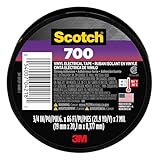
Electrical tape, the proper stuff, is made from vinyl (PVC) and is designed to be flexible, non-conductive, and resistant to moisture and temperature changes. It stretches, allowing it to form a tight, protective seal. Gorilla Tape, on the other hand, is a fabric-reinforced tape with a powerful adhesive. While it’s incredibly strong and water-resistant, it’s not designed for electrical insulation. It doesn’t stretch in the same way, and its adhesive, while strong, might degrade or become brittle over time under certain electrical conditions. I learned this the hard way trying to ‘secure’ a speaker wire connection outdoors; the sun and rain eventually made it peel away, exposing the wire and causing a short.
So, the appeal of Gorilla Tape is its sheer toughness and ‘it-will-hold-anything’ reputation. When you’re dealing with something that feels a bit precarious, and you’ve got that roll of super-adhesive tape handy, it’s tempting. But we need to be clear about the difference between ‘holding something together’ and ‘safely insulating electrical components.’
The Technical Stuff: Why Gorilla Tape Falls Short for Insulation
Let’s get down to the nitty-gritty. When we talk about electrical work, especially DIY electrical work, safety isn’t just a suggestion; it’s the law, and it’s your life. The primary function of electrical tape is to provide insulation. This means it needs to be a non-conductive material that prevents electricity from flowing through it. Proper electrical tape, typically made from PVC, has excellent dielectric strength – basically, its ability to withstand electrical voltage without breaking down. It’s also designed to be self-amalgamating to some extent, meaning layers can fuse together to create a smooth, protective barrier.
Now, consider black Gorilla Tape. It’s a marvel of adhesive technology for many applications. It’s built with a tough, flexible cloth backing that gives it its famous strength. But that backing isn’t designed to be an electrical insulator. While the adhesive itself might have some non-conductive properties, the fabric and the overall construction of Gorilla Tape are not engineered to meet the stringent standards required for electrical insulation. In fact, according to the 3M™ Super 88™ Vinyl Electrical Tape technical data sheet, it has a dielectric breakdown voltage of 10,000 volts (AC). Gorilla Tape doesn’t publish such figures for electrical insulation because that’s not its intended use.
This brings us to a common mistake: confusing ‘waterproof’ or ‘weatherproof’ with ‘electrically insulated.’ Gorilla Tape is fantastic at keeping water out. It’ll seal a leak like nobody’s business. But electricity behaves differently than water. It can arc, it can find tiny pathways, and it can generate heat. If the insulation fails, you’re looking at short circuits, potential fires, or the very real risk of electric shock. Think about it: if Gorilla Tape were truly suitable for electrical insulation, manufacturers would market it as such. They don’t, and that’s a massive clue.
Furthermore, the adhesive on Gorilla Tape, while incredibly strong for mechanical applications, might not perform reliably under the heat generated by electrical current. Over time, especially in warmer environments or with higher amperage loads, the adhesive could degrade, loosen its grip, or even become tacky, compromising the integrity of the ‘insulation.’ This is why using specialized electrical tape is not just a recommendation; it’s a necessity for any electrical project that involves exposed wires or connections.
| Feature | Proper Electrical Tape | Black Gorilla Tape | Verdict for Electrical Use |
|---|---|---|---|
| Primary Purpose | Electrical Insulation & Protection | Heavy-Duty General Repair | Gorilla Tape is NOT designed for insulation. |
| Material | Vinyl (PVC) | Fabric-reinforced with adhesive | Fabric backing is not an insulator. |
| Dielectric Strength | High (e.g., 10,000+ volts) | Not rated or tested for electrical insulation | Unknown and likely insufficient. |
| Flexibility & Stretch | High, conforms to shapes | Limited, less conformable | Poor for creating a tight, fused seal. |
| Heat Resistance | Designed for typical electrical operating temps | Adhesive can degrade with heat | Potential failure point under load. |
| Longevity | Stable over time in electrical applications | Adhesive can break down, backing can degrade | Not suitable for long-term electrical protection. |
When ‘good Enough’ Isn’t Good Enough: Real-World Scenarios
Let’s talk about what happens when you try to cut corners. I remember a buddy of mine, bless his heart, was trying to fix a patio light that kept getting water in the connection. He slapped some Gorilla Tape over it, convinced the ‘waterproof’ aspect would save him. A few weeks later, I get a call. The light was sparking, and the breaker kept tripping. Turns out, while the tape kept the bulk of the water out, tiny amounts still seeped in, and the Gorilla Tape, not being designed for electrical insulation, didn’t offer enough protection. The connection corroded, and the whole thing became a fire hazard. (See Also: Can I Use Electrical Tape To Connect Wires )
This is the kind of situation where the distinction between a strong adhesive and a proper insulator becomes glaringly obvious. Electrical insulation isn’t just about stopping water; it’s about preventing current flow. The fabric backing of Gorilla Tape, while tough, can and will conduct electricity if it gets wet or damaged. It’s like using duct tape to seal a puncture in a gas tank – it might hold for a bit, but it’s not the right material for the job, and the consequences can be far more severe than just a leak.
Contrarian opinion time: Some folks argue that for very low-voltage applications, like holiday lights or speaker wires, Gorilla Tape might be okay for a temporary fix. They’ll say, ‘It’s just a few volts, what’s the worst that can happen?’ I disagree, and here’s why: Electricity is unpredictable. Even low voltage can cause sparks, which can ignite flammable materials. Furthermore, what starts as a ‘temporary fix’ often becomes a permanent, dangerous one because it’s out of sight and out of mind until something goes wrong. It’s best practice to always use the correct materials, regardless of the perceived risk. The cost of proper electrical tape is pennies compared to the potential cost of a fire or injury.
Another angle to consider is how Gorilla Tape adheres. It’s incredibly sticky, which is great for many things. However, electrical connections can sometimes experience vibration or movement. While Gorilla Tape might hold initially, its rigid fabric structure means it won’t conform to the wire and connectors as snugly as flexible vinyl electrical tape. This can lead to gaps or stress points where moisture can enter or insulation can be compromised over time, especially if the tape isn’t applied perfectly smoothly.
When Can Black Gorilla Tape Be Used for Electrical? (the Very Limited Answer)
So, to directly answer the question: can black gorilla tape be used for electrical? In a word: barely. And only under extremely specific, temporary, non-important circumstances where there is absolutely no risk of shock, fire, or damage to equipment. I’m talking about bundling loose wires together after they have already been properly terminated and insulated, just to keep them neat.
Think of it as a cable management solution, not an insulation solution. For instance, if you have a bundle of low-voltage charging cables behind your desk, and you want to keep them from tangling, a wrap of Gorilla Tape might be okay to keep the bundle tidy.
But even then, proper cable ties or Velcro straps are far better and safer.
Another scenario, and I stress extreme caution here, is in a purely mechanical, non-conductive application where insulation is already provided by other means. Imagine you have a piece of equipment that uses wiring, and the outer casing of that wiring has a minor tear, but the wire inside is perfectly insulated. If you just need to keep debris out of that minor tear on the outer sheath, and there’s no electrical contact risk, a wrap of Gorilla Tape could be used. However, you must be absolutely certain that the inner insulation is intact and that the Gorilla Tape is not providing any of the primary electrical protection. This is a risky assumption to make, and I generally advise against it.
Here’s a real-world example of what I mean by ‘bundling’. If you have a power strip with multiple plugs, and you want to keep the excess cord length neatly coiled, you could use Gorilla Tape to wrap around the coiled cord. This prevents it from unraveling. But notice, the cord itself is still plugged into the wall, and the insulation on the cord is what’s protecting you. The tape is just holding the shape. If any part of that cord were damaged, the Gorilla Tape would be entirely insufficient to protect you.
I’ve seen people use it to temporarily secure a loose wire in a car’s engine bay, thinking its toughness would hold. While it might stick, the heat, oil, and vibration in an engine bay are brutal. Proper automotive-grade electrical tape or heat-shrink tubing is what you need. Trying to use Gorilla Tape here is like trying to patch a radiator hose with a band-aid. It might seem like a quick fix, but it’s a ticking time bomb.
Common Mistakes When Using Gorilla Tape on Electrical Components
The biggest mistake is assuming its strength equals electrical safety. People see it holding up a car bumper and think it can handle electricity. That’s just not how it works. Electrical safety requires materials specifically designed to resist electrical current and voltage. Another mistake is relying on it for anything other than bundling, or for any situation where the tape itself is the primary means of protection. If you’re questioning whether the tape is doing the insulating, the answer is almost certainly no. (See Also: Can Electrica Tape Catch On Fire )
Can Gorilla Tape Be Used for Temporary Electrical Repairs?
For true electrical insulation and protection, no. For bundling already insulated wires for neatness, or as a purely mechanical reinforcement where primary electrical insulation is already guaranteed by other means, maybe, but with extreme caution. It is not a substitute for proper electrical tape. Always prioritize safety and use materials rated for the specific electrical application you are undertaking.
Is Gorilla Tape Waterproof Enough for Outdoor Electrical Connections?
While Gorilla Tape is highly water-resistant, it is not designed to be an electrical insulator. Water ingress combined with inadequate insulation is a recipe for short circuits and electrical hazards. Relying on Gorilla Tape to protect outdoor electrical connections is dangerous and can lead to equipment failure or fire. Always use outdoor-rated electrical tape or weatherproof junction boxes for such applications.
What Is the Best Alternative to Gorilla Tape for Electrical Work?
The best alternative is always proper electrical tape, such as vinyl electrical tape (like Scotch® 35 or 33+ Vinyl Electrical Tape). For higher voltage or more demanding applications, self-amalgamating silicone tape or heat-shrink tubing offer superior insulation and protection. These materials are specifically engineered for electrical safety and reliability.
Practical Tips: When and How to (cautiously) Use Gorilla Tape Around Wires
Okay, so we’ve established that Gorilla Tape is generally a no-go for electrical insulation. But there are a few edge cases where it might find a place in your wiring toolkit, provided you understand its limitations. The absolute golden rule is this: Gorilla Tape should NEVER be the sole source of electrical insulation. It’s a helper, not the hero.
One practical use is for bundling and organizing low-voltage cables. Think about the mess of USB cables, HDMI cords, and power adapters behind your entertainment center. If you have a few extra feet of cord that you want to keep neatly coiled, you can wrap a piece of Gorilla Tape around the coiled loop. This keeps it from unraveling and looking like spaghetti. Again, the insulation is on the cables themselves; the tape is just for tidiness. I’ve done this myself, and it works fine for keeping things tidy and preventing tangles. It feels secure, and it looks a lot better than loose wires.
Another application is reinforcing the strain relief on a cord. You know that little flexible bit where the cord enters the plug or the device? Sometimes that gets a bit worn or starts to fray.
If it’s purely cosmetic and the inner insulation is perfectly intact, you could wrap a bit of Gorilla Tape around that area to give it some extra mechanical support and prevent further wear. However, this is risky.
You MUST be 100% sure that the actual electrical insulation isn’t compromised. If there’s any doubt, stop immediately and use proper electrical tape or consider replacing the cord. I’ve seen people try this, and then the tape starts to creep or unravel, and suddenly it’s not so secure anymore.
A more common, and safer, use is simply for labeling. If you have multiple similar-looking cables, you can wrap a small strip of colored Gorilla Tape around one end and write on it with a permanent marker. This helps you identify which cable goes where, especially in complex setups. It’s not about insulation; it’s about organization. This is a completely safe use, as it has no bearing on the electrical properties of the wire.
Here’s a quick numbered process for using it for cable bundling: (See Also: Can I Substitute Duct Tape For Electrical Tape )
- Gather the cables you want to bundle.
- Coil any excess length neatly.
- Wrap a piece of Gorilla Tape around the coiled section to hold it in place. Don’t wrap it so tight that it kinks the cables.
- Make sure the tape is only holding the bundle together and is not in contact with any exposed wire.
It’s important to remember that even in these limited applications, proper electrical tape remains the superior choice for any task involving electrical wires. It’s designed for the job, it’s tested, and it provides a level of safety that Gorilla Tape simply cannot match. If you’re ever in doubt, err on the side of caution and use the specialized product.
Safety First: When to Absolutely Avoid Gorilla Tape
There are some situations where using black Gorilla Tape for anything remotely electrical is not just ill-advised, it’s downright dangerous. You should never use it as a primary insulator for any live wires, exposed connections, or anywhere that electricity is actively flowing. This includes anything plugged into mains power (120V or 240V), high-voltage AC circuits, or even DC circuits that carry significant current. The risk of shock, fire, or equipment damage is far too high.
Avoid it for anything exposed to heat. While Gorilla Tape is strong, its adhesive can degrade and become gummy or brittle when subjected to significant heat, which is common in electrical components under load. This can lead to the tape failing, exposing the wires. Think about power supplies, motor housings, or even lights that get warm to the touch – Gorilla Tape is not the right choice there.
Never use it for outdoor electrical connections. Even though it’s marketed as waterproof, the ‘waterproof’ aspect is for preventing water ingress for mechanical integrity, not for electrical insulation. Moisture combined with inadequate insulation is a catastrophic failure waiting to happen. You need specialized outdoor-rated electrical tape or fully sealed junction boxes for any outdoor wiring.
Also, steer clear of it for any automotive electrical work. Engine bays are harsh environments with extreme temperature fluctuations, vibration, and exposure to oils and fuels. Gorilla Tape will likely fail quickly and can create a fire hazard. Automotive-grade electrical tape or heat-shrink tubing are the correct choices.
Finally, and this is a big one: if you are ever in doubt about whether a tape is suitable for electrical use, assume it is not. The cost of a roll of proper electrical tape is negligible compared to the potential consequences of using the wrong material. I once saw a DIY camper van build where someone used Gorilla Tape to insulate a 12V wiring run under the dashboard. It seemed fine for months, then it started to melt and smoke during a long drive. Thankfully, it just shorted out the fuse and didn’t start a fire, but it was a stark reminder that ‘strong’ does not equal ‘safe’ when it comes to electricity.
Verdict
So, the verdict on whether can black gorilla tape be used for electrical applications is a pretty firm ‘no’ for anything that requires actual insulation. It’s a fantastic tape for what it’s designed for – heavy-duty repairs and general sticking power. But when it comes to keeping electricity where it belongs, you absolutely need materials made for the job. Think of it like this: you wouldn’t use a hammer to drive a screw, even though both can apply force. They’re different tools for different purposes.
If you’re looking to tidy up some cables, bundle them together, or label them, Gorilla Tape can assist in those tasks, provided the insulation is already solid and present on the wires themselves. But if you need to cover a frayed wire, secure a connection, or protect against electrical hazards, reach for the proper vinyl electrical tape. It’s cheap, readily available, and designed to save you from a nasty shock or a house fire.
My honest advice? Keep Gorilla Tape for your general repairs and emergencies where electrical safety isn’t on the line. For anything electrical, invest in a roll of quality electrical tape. It’s one of those small, inexpensive items that can make a world of difference in safety and reliability. Don’t take chances with electricity – the consequences are just too high.