I remember staring at a frayed wire on my old XR600R dirt bike, a classic case of rubber degrading faster than my patience. My buddy Dave, always the tinkerer, grabbed what looked suspiciously like kitchen foil tape and slapped it on. “This’ll hold,” he declared. My internal alarm bells went off. We’ve all been there, right? Scrambling for a quick fix, wondering if that shiny silver tape in the toolbox is actually up to snuff. The question on many minds, especially when you’re in a pinch: can aluminum foil tape be used for electrical tape?
It’s a tempting thought. It’s sticky, it’s shiny, and it’s definitely not expensive. But using the wrong tape on electrical connections can lead to shorts, fires, or just plain not working. Let’s cut through the BS and figure out if this kitchen-drawer-turned-garage-hero has any real place in your wiring projects.
So, What’s Actually in That Shiny Roll?
Look, let’s get one thing straight from the get-go: the stuff you use to seal HVAC ducts or patch up your car’s exhaust pipes (yeah, I’ve done that too) is NOT the same as proper electrical tape. That aluminum foil tape you see in hardware stores? It’s usually a thin layer of aluminum foil backed with a pressure-sensitive adhesive, often a heat-resistant acrylic or silicone. Its primary job is to be a vapor barrier, stick to itself and other surfaces in high-temperature environments, and reflect heat. Think of it as a fancy, sticky shield.
Electrical tape, on the other hand, is specifically designed with insulation in mind. The good stuff, like high-quality vinyl electrical tape, is made from polyvinyl chloride (PVC). It’s stretchy, durable, and has excellent dielectric properties – meaning it’s really good at preventing electrical current from jumping across it. It’s designed to withstand a certain voltage without breaking down. The adhesive on electrical tape is also formulated to be non-conductive and to maintain its stickiness over a range of temperatures without becoming brittle or gooey.
The biggest difference? Conductivity. While electrical tape’s adhesive is non-conductive, the adhesive on aluminum foil tape is often conductive, or at least semi-conductive. That aluminum foil itself? It’s metal. It’s inherently conductive. If you wrap a bare wire with aluminum foil tape, you’re not insulating it; you’re basically wrapping it in a very thin, sticky conductor. This is the fundamental reason why it’s a terrible idea for most electrical applications. I learned this the hard way trying to rig up a temporary light in my old shed. It worked for about five minutes before a puff of smoke and a blown fuse told me exactly how wrong I was.
There are specialized foil tapes out there, like conductive aluminum foil tapes used in electronics for EMI (electromagnetic interference) shielding or grounding. These are designed for specific purposes where conductivity IS the goal. But for general wiring, insulation, or protecting exposed conductors, they are the absolute last thing you want to reach for. The common ‘HVAC tape’ or ‘repair tape’ with a foil backing is simply not engineered for the job. It might stick, but it won’t insulate, and that’s the whole point of electrical tape.
So, when someone asks can aluminum foil tape be used for electrical tape, the immediate, honest answer for most practical situations is a resounding no. The materials aren’t designed for it, the properties are wrong, and the risks are too high. Save the foil tape for sealing your ductwork and stick to proper electrical tape for anything involving wires and power.
Why Common ‘foil Tape’ Fails Where It Counts
Let’s talk about failure modes. Because, believe me, I’ve seen them all. The allure of aluminum foil tape for electrical work often comes from a misunderstanding of what “tape” means in this context. People see tape, they see something sticky, and they assume it does the same job as other tape. This is where the danger lies. If you’re using that foil tape to wrap a wire that’s supposed to be insulated, you’re actually creating a potential short circuit waiting to happen. The metal foil is conductive, so if it touches another wire or a ground point, you’ve got a direct path for electricity where you absolutely don’t want one.
The adhesive on these tapes is also a huge problem. It’s usually designed to bond well to metal and withstand heat, not to be a non-conductive electrical insulator.
In many cases, the adhesive itself can be conductive or semi-conductive, especially if it’s an acrylic-based adhesive that might break down over time or with heat. This means even if the foil backing somehow didn’t cause a short, the glue holding it together could still let current sneak through. I once used a generic foil tape to try and patch a minor tear in a wire loom on my old Jeep. It held physically for a while, but after a few rainy days, the moisture got in, and I started getting intermittent electrical gremlins until I finally ripped it off and used proper tape.
Lesson learned.
Furthermore, the physical properties of foil tape are just not suited for the dynamic environment electrical wires often find themselves in. Electrical tape is typically flexible and stretchy. This allows it to conform to irregular shapes and to stay put even when the wire is flexed or moved. Aluminum foil tape, while it can be shaped, is much stiffer and more prone to cracking or tearing, especially at the edges or where it’s folded.
This creates openings for moisture, dust, or debris to get in, further compromising any chance of a reliable connection or insulation. This is a big reason why you see dedicated electrical tapes with self-amalgamating properties for high-voltage applications – they form a smooth, waterproof seal that foil tape simply cannot replicate. (See Also: Can I Use Electrical Tape To Connect Wires )
People often confuse foil tape with specialized conductive tapes used in electronics. For example, there are conductive copper or aluminum foil tapes with conductive adhesives used for EMI shielding or for creating grounding paths. These are engineered products for very specific electronic applications, not for general wiring repair. Using them incorrectly, or using standard foil tape for insulation, is a recipe for disaster. It’s like trying to use a hammer to drive a screw – it might make a hole, but it’s not the right tool for the job and you’re likely to damage something.
The common advice you might find online or from less-experienced DIYers about using aluminum foil tape for electrical work often stems from a misunderstanding of materials science and electrical safety. They might be thinking of a very low-voltage, non-important application where a physical barrier is all that’s needed. But for anything involving household wiring, automotive electrical systems, or even simple appliance repair, relying on foil tape is a significant risk. The potential for short circuits, overheating, and fire is very real. When it comes to electrical work, there’s no room for ‘good enough’ if it compromises safety and reliability. Stick to what’s designed for the job.
When Does Foil Tape Actually Work (for Electrical-Adjacent Stuff)?
Okay, so I’ve bashed aluminum foil tape pretty hard for direct electrical insulation. And for good reason. But there are actually some niche applications in the automotive and general repair world where it can be useful, even if it’s not strictly ‘electrical tape’. Think of it as a helper, not a primary insulator.
One area is heat reflection and shielding. If you have a component that’s getting too much radiant heat from an exhaust manifold, a turbocharger, or a hot engine bay component, you can sometimes use aluminum foil tape to create a heat shield. For instance, I used it to wrap a section of plastic fuel line that was getting cooked by proximity to the exhaust on an old project car. It wasn’t insulating the fuel line electrically, but it was reflecting heat away from it. This is more about thermal management than electrical work. In these cases, the tape isn’t touching any live wires; it’s just acting as a reflective barrier.
Another place it might show up is in certain automotive sensor wiring harnesses. Some harnesses have a braided metal shielding layer that might be wrapped with foil tape to further protect against electromagnetic interference (EMI). However, this is usually done at the factory with specialized tapes designed for this purpose, often with conductive adhesives. If you’re repairing such a harness, you’d ideally use the same type of material. Using generic foil tape here is a gamble, as the conductivity might be different, and the adhesive could cause issues down the line. I’ve seen this done on some after-market sensor extensions where they’ve used foil tape for shielding, but it always makes me a bit nervous about the long-term reliability.
You might also see it used for temporary fixes on metal casings or connectors where a conductive path is actually needed, like grounding. If a metal connector housing has broken off and you need to re-establish a ground connection temporarily until a proper repair can be made, you might be able to use foil tape to bridge a gap. But this is a highly specific, low-risk scenario, and it requires a clear understanding of what you’re doing and the potential consequences. It’s often a last resort before calling a tow truck or getting the right parts.
Here’s a comparison table to highlight the differences:
| Feature | Aluminum Foil Tape (HVAC/Repair) | Electrical Tape (Vinyl) | Opinion/Verdict |
|---|---|---|---|
| Primary Material | Aluminum Foil | PVC (Polyvinyl Chloride) | Foil is conductive, PVC is an insulator. |
| Adhesive | Often conductive or semi-conductive acrylic/silicone | Non-conductive, dielectric adhesive | Important difference for electrical safety. |
| Dielectric Strength | Very low to none | High | Electrical tape is designed to prevent current flow. |
| Flexibility/Durability | Stiff, prone to cracking | Very flexible, durable | Electrical tape handles vibration and movement better. |
| Primary Use | Sealing ducts, heat shielding, vapor barriers | Insulating wires, joining wires, bundling cables | They are fundamentally different tools. |
| Can it be used for Electrical Tape? | NO (for insulation) | YES | This is the core question. |
So, while aluminum foil tape has its place in a garage, it’s generally not as a substitute for proper electrical tape. Understanding its limitations and intended uses is key to avoiding costly mistakes and dangerous situations. It’s a material that can be helpful for thermal management or shielding, but never for insulating electrical connections.
The Right Way: Choosing and Using Actual Electrical Tape
Alright, so we’ve established that aluminum foil tape is a no-go for actual electrical insulation. Now, let’s talk about what you should be using. When you need to insulate a wire, secure a connection, or bundle wires together safely, proper electrical tape is your friend. And not all electrical tape is created equal, though the basic vinyl stuff you find at any auto parts or hardware store is usually perfectly adequate for most DIY tasks.
First, look for tape that’s specifically labeled as ‘electrical tape’. You’ll find rolls in various colors, most commonly black, but also red, blue, green, and yellow. These colors often signify different phases or circuits in more complex wiring jobs, but for a simple repair, any color will do. The key is the material – it should be PVC or a similar flexible, insulating plastic. Avoid anything that feels too thin, brittle, or overly sticky like duct tape.
When you’re wrapping a wire, the technique matters. Start by making sure the wire is clean and dry. If you’re joining two wires, it’s best practice to use a proper connector (like a crimp connector or a wire nut for household AC) and then use electrical tape to secure and insulate that connection. Don’t just twist wires together and expect tape to hold them mechanically. Electrical tape’s job is insulation and protection after a secure connection is made.
Here’s a simple process for wrapping: (See Also: Can Electrica Tape Catch On Fire )
- Prepare the wire: Make sure the area to be taped is clean, dry, and free of grease or corrosion. Strip back just enough insulation from the ends of the wires you’re joining to make a solid connection.
- Make the connection: Use an appropriate connector (crimp butt connector, spade terminal, wire nut, etc.) to join the wires securely. Test the connection to make sure it’s mechanically sound and conducts electricity as expected (if applicable).
- Start taping: Begin wrapping the tape a little bit before the end of the connection, on the insulated part of one wire.
- Overlap and stretch: Wrap the tape around the connection, overlapping each previous layer by at least half. Gently stretch the tape as you wrap. This helps create a tight, smooth seal and activates the adhesive properly.
- Build up layers: Continue wrapping, extending onto the insulation of both wires. Build up a few layers to create a solid, insulated barrier. For added protection, you can wrap further down the wires.
- Finish securely: Tear the tape off with a firm downward pull. Press down the end to make sure it’s fully adhered.
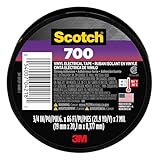
For high-stress applications or situations where you need extra protection, like in automotive engine bays or outdoor environments, consider using specialized tapes. There are high-temperature electrical tapes, self-fusing silicone tapes (which fuse to themselves to create a smooth, waterproof, and insulating layer), and even abrasion-resistant tapes. These offer enhanced durability and protection beyond standard vinyl tape. I’ve found that a good quality vinyl tape from a reputable brand like 3M or Scotch is usually more than sufficient for 90% of my car and home electrical projects.
The key takeaway is to use the right tool for the job. Don’t try to save a few bucks by using the wrong tape. The potential for electrical shorts, equipment damage, or even fire is far greater than any minor cost savings. Investing in a roll of good electrical tape is one of the cheapest and most effective ways to make sure the safety and reliability of your electrical work.
Common Mistakes and Why They Happen
You’d think taping wires would be simple, right? Wrap it up, make it stick. But oh boy, the number of times I’ve seen (or been guilty of) making basic mistakes with electrical tape is embarrassing. It usually comes down to a few key issues: using the wrong tape, improper application, or simply not understanding the limitations of the materials.
The most common mistake, and one we’ve beaten to death, is using something that isn’t electrical tape. Think duct tape, packing tape, and yes, aluminum foil tape. People do this because it’s what they have on hand, or they think a little bit of ‘stickiness’ will suffice. They might be working on a low-voltage system, like a doorbell or a 12V accessory in a car, and convince themselves it’s not ‘dangerous’.
The problem is, these tapes often lack the dielectric strength needed to prevent current flow, their adhesives can break down, they don’t withstand temperature changes well, and they offer no real protection against abrasion or moisture. I saw a guy once try to repair a trailer light wire with masking tape. It lasted about an hour before a rain shower turned it into a conductive, gooey mess. His trailer lights ended up shorting out his truck’s entire lighting system.
Another biggie is improper application. This includes not overlapping enough, not stretching the tape, or not extending the tape far enough onto the insulated portions of the wires. If you don’t overlap sufficiently, you leave gaps where moisture can seep in, or where the conductor can be exposed if the tape shifts. Not stretching the tape means it won’t conform tightly to the wire and the connection, leading to a loose wrap that’s more prone to unraveling or tearing. And if you don’t extend the tape onto the existing insulation of both wires, you’re not creating a complete seal; you’re just taping over the splice itself.
Over-tightening or under-tightening is also an issue. If you stretch vinyl electrical tape too much, you can break it or make it too thin to be effective. If you don’t stretch it enough, it will be loose and won’t adhere properly. Finding that sweet spot where the tape is snug and conforms without breaking is key. It comes with practice. I definitely used to yank on it too hard when I was younger, only to find the tape had snapped mid-wrap.
Environmental factors are often ignored too. Electrical tape has a temperature range. Using it in extreme cold can make it brittle and hard to apply, while using it in extreme heat can make the adhesive gooey and cause it to slip or fail. For high-heat applications, you need specialized high-temperature electrical tape, which is often made from different materials like fiberglass or silicone. Similarly, for areas exposed to oil, fuel, or harsh chemicals, standard vinyl tape will degrade quickly. You need a tape resistant to those specific substances.
Finally, there’s the issue of using tape as a primary mechanical fastener. Electrical tape is for insulation and protection of an already secure connection. If you’re just twisting wires together and wrapping them with tape, you’re asking for trouble. The connection itself will be weak, prone to loosening, and the tape will be doing double duty – trying to insulate and hold things together. This is a recipe for intermittent failures or outright shorts. Always make a solid mechanical and electrical connection first, then insulate and protect it with proper electrical tape.
These mistakes happen because people often underestimate the importance of material science and proper technique in electrical work. It’s not just about making things ‘stick’; it’s about creating a safe, reliable, and long-lasting electrical pathway. The few extra minutes spent using the right materials and techniques are worth it to avoid the headaches and potential dangers of a botched job.
A Few Practical Tips From the Trenches
After years of wrenching and wiring, you pick up a few tricks that make the job less frustrating and more reliable. When it comes to electrical tape, it’s not rocket science, but a few simple habits can save you a lot of grief. One of the biggest things I learned early on is that not all electrical tape is created equal, even within the ‘vinyl’ category. I used to buy the cheapest stuff I could find, and it was always a nightmare.
It would stretch too thin, leave sticky residue, or just wouldn’t adhere properly in hot or cold weather. Now, I always reach for a reputable brand, like 3M’s Super 33+ or Super 88. They cost a bit more, but they perform so much better, and I end up using less of it because it sticks and holds. (See Also: Can I Substitute Duct Tape For Electrical Tape )
Here’s another one: always keep your electrical tape roll clean. Don’t let it get covered in grease, dirt, or sawdust. If the adhesive gets contaminated, it won’t stick well. Store it in a clean bag or box when you’re not using it. It seems like a small thing, but it makes a huge difference in the tape’s longevity and effectiveness. Also, try to use a fresh cut from the roll. If you’ve got a raggedy end from where you last tore it, snip it clean before you start wrapping.
When you’re wrapping a connection, don’t just wrap it once or twice. Build up a few layers. Think of it like painting – a couple of thin coats are better than one thick one. Overlapping by at least half each time is important. I usually aim for at least three good, stretched layers over the core connection, and then extend it a bit further down each wire. This creates a solid, sealed barrier that’s less likely to fail. For automotive applications, especially where wires might get jostled or exposed to the elements, I’ll often do even more layers, maybe five or six, just for good measure.
One technique that really helps is to wrap in opposing directions. Wrap a few layers one way, then turn the wire around and wrap a few layers the other way. This helps lock the tape in place and prevents it from unraveling. It’s a bit more work, but it adds an extra layer of security. Also, when you’re done wrapping, you can often use a little heat from a heat gun (on a low setting!) or even just the friction from rubbing it with your thumb to help the adhesive really set and bond.
For bundling multiple wires together, instead of just wrapping them all haphazardly, try to lay them out neatly first. Then, wrap the bundle with electrical tape at intervals, perhaps every 6-12 inches, to keep them tidy and prevent them from chafing against each other. This makes for a much cleaner and more professional-looking installation. If you’re working on a car, this is especially important to prevent damage from engine vibration or movement.
Finally, a word on self-fusing silicone tape. While it’s not ‘electrical tape’ in the traditional sense, it’s an amazing product for certain applications. It fuses to itself, creating a solid, waterproof, insulating layer. I’ve used it to seal up cracked conduit or even as a temporary repair for fuel lines (though that’s risky and not recommended for long-term use). For high-voltage applications or areas that will be submerged, it’s often superior to vinyl tape. It’s definitely worth keeping a roll in your toolbox.
These aren’t new secrets, just practical habits born from experience. They’re about doing the job right, using the right materials, and paying attention to the details. It’s the difference between a quick fix that fails and a repair that lasts.
People Also Ask
Is Aluminum Foil Tape Conductive or Non-Conductive?
Aluminum foil tape is inherently conductive because aluminum is a metal. The adhesive used on most general-purpose foil tapes (like HVAC tape) is often conductive or semi-conductive as well. This is a important distinction from electrical tape, which uses a non-conductive adhesive and a non-conductive backing material to insulate wires.
Can I Use Foil Tape on Wires?
No, you should not use standard aluminum foil tape to insulate electrical wires. The aluminum foil itself is conductive, and the adhesive is often conductive too, meaning it will not provide electrical insulation and can actually create a short circuit. It’s designed for sealing ducts and other non-electrical purposes.
What Tape Can Be Used as a Substitute for Electrical Tape?
While no common household item is a perfect substitute for electrical tape, a self-fusing silicone tape is often considered the closest alternative for creating a solid, waterproof, and insulating seal. For very low-voltage, non-important applications, some might consider heavy-duty vinyl tape or even specialized fabric tapes, but these are generally not recommended. Always prioritize proper electrical tape when safety is a concern.
What Is the Difference Between Foil Tape and Electrical Tape?
The primary difference lies in their intended function and material properties. Electrical tape is made from insulating materials like PVC and features a non-conductive adhesive, designed to prevent electrical current flow. Foil tape, made from aluminum foil with a conductive or semi-conductive adhesive, is designed for sealing, heat reflection, and vapor barriers, not for electrical insulation.
Final Thoughts
So, to circle back to that initial question: can aluminum foil tape be used for electrical tape? The simple, blunt answer for any situation where you need actual electrical insulation is no. It’s a fundamentally different product with different properties and purposes. Using it as a substitute is a gamble with your wiring, your equipment, and potentially your safety.
When you’re dealing with wires, especially those carrying significant current, stick to what’s designed for the job. Invest in a good quality roll of actual electrical tape. It’s cheap, readily available, and does exactly what it’s supposed to do without introducing unnecessary risks. Save the shiny foil tape for sealing up HVAC ducts or creating a makeshift heat shield in the engine bay – jobs it’s actually built for.
Next time you’re staring down a frayed wire, resist the temptation to grab the foil tape. Your electrical system will thank you.