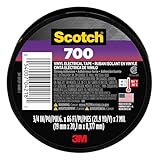
I remember staring at that frayed cord on my old toaster, sparks threatening to fly. Panic set in. My first thought? Grab the electrical tape! It’s the go-to for quick fixes, right? But can electrical tape really be used as insulation when the stakes are higher than a wobbly appliance cord? I’ve learned the hard way that ‘looks like it works’ and ‘actually works safely’ are two very different things.
Over the years, I’ve spent a decent chunk of change on various tapes and quick-fix solutions for electrical projects, both big and small. Some were downright useless, others barely held. This is my unfiltered take on whether you can rely on that roll of vinyl tape when you need genuine electrical insulation.
It’s a question a lot of DIYers ask, and the answer isn’t a simple yes or no. There are nuances, dangers, and situations where it might be okay in a pinch, and then there are times you absolutely shouldn’t touch it.
So, Can Electrical Tape Be Used as Insulation? The Basics
Alright, let’s get down to brass tacks. The short answer to ‘can electrical tape be used as insulation?’ is: technically, yes, but with serious caveats. Electrical tape is designed to provide a barrier against electricity, and it does that job to a degree. It’s typically made of vinyl, which is a non-conductive plastic. This vinyl is stretched and coated with a rubber-based adhesive that also has some insulating properties. When you wrap it around a wire or a connection, it creates a physical separation that prevents accidental contact with other conductive surfaces or people. It’s also flexible and stretchy, allowing it to conform to odd shapes and wires, which is a big plus for fiddly jobs.
However, ‘providing a barrier’ is a far cry from ‘being a reliable, long-term insulation solution’ for everything. Think of it like using a rain poncho versus a full-blown waterproof suit. The poncho might keep you dry in a light drizzle, but you wouldn’t wear it in a hurricane. Electrical tape is similar. It offers a basic level of protection, but it degrades over time, especially when exposed to heat, UV light, or harsh chemicals. The adhesive can weaken, the vinyl can become brittle, and its dielectric strength (that’s the technical term for how much voltage it can withstand before breaking down) isn’t as high as dedicated insulation materials like heat shrink tubing or proper wire connectors.
I learned this lesson the hard way after using electrical tape on some garden lights that were constantly getting wet. Initially, it seemed fine.
The connections looked tidy, and everything worked. But after a few months, I started noticing flickering lights. Tracing the problem back, I found the electrical tape had degraded from the constant moisture and sun exposure.
The vinyl had become gummy in places and cracked in others, allowing water to seep in and corrode the wire connections underneath. It wasn’t a major electrical fire incident, thankfully, but it was a messy, frustrating repair job that could have been avoided with the right materials from the start. It cost me more time and effort in the long run than if I’d just used proper waterproof connectors initially.
The key takeaway here is that while it can insulate, its suitability depends heavily on the application, the voltage involved, and the environmental conditions. For low-voltage, temporary fixes in dry conditions, it might do the trick. For anything permanent, high-voltage, or exposed to the elements, you’re playing with fire, metaphorically speaking.
What to Look for in Real Electrical Tape (and What to Avoid)
Not all tapes labeled ‘electrical tape’ are created equal, and this is where a lot of confusion and potential danger creeps in. When you’re actually in the market for tape that can handle electrical work, you need to be discerning. The standard, cheapest roll you grab from the corner hardware store might not cut it for anything beyond a quick wrap on a low-voltage wire. You want tape that specifically states its voltage rating and operating temperature range. High-quality electrical tape, often referred to as ‘vinyl electrical tape,’ will have these specifications printed on the roll or its packaging. Look for tapes that are UL listed or CSA certified; this means they’ve met certain safety standards.
I always check the thickness of the tape. Thicker tapes generally offer better dielectric strength and more physical protection. A good, reliable electrical tape should feel substantial, not flimsy. When you stretch it, it should stretch evenly without tearing easily. The adhesive should be tacky and stick well, but not so aggressive that it leaves a gummy residue when you try to remove it later (though some do). Brands that have been around for a while and have a good reputation in the electrical trade are usually a safer bet. I’ve had decent luck with brands like 3M Super 33+ and even some of the higher-end Duck brand tapes, but always verify the specs.
What you absolutely want to avoid are tapes that aren’t specifically designed for electrical applications. That roll of duct tape in your garage?
No. Packing tape? (See Also: Can I Use Electrical Tape To Connect Wires )
Definitely not. Masking tape or painter’s tape?
Forget about it. These tapes are not designed to be non-conductive, they don’t offer any real electrical insulation, and their adhesives will likely fail under stress or heat, creating a worse problem than you started with.
I once saw a buddy try to tape up a blown fuse holder with regular household tape. It looked like a joke, and it was – a dangerous one. The heat from the faulty connection melted the tape instantly, and the whole mess started smoking.
Thankfully, the breaker tripped before anything caught fire, but it was a stark reminder that using the wrong tool for the job can have serious consequences.
There are also different types of electrical tape beyond the standard vinyl. You’ll find rubber splicing tape, which is designed for creating waterproof, high-dielectric strength splices, and lineman’s tape, which is thicker and more durable. If your project requires more than just a quick wrap, investigate these specialized tapes. They might cost a bit more upfront, but they’re designed for the job and will save you headaches (and potentially a lot more money) down the line.
Common Mistakes When Using Electrical Tape
One of the biggest mistakes people make is assuming that any wrap of electrical tape is sufficient. They might just do one or two layers and call it a day. For proper insulation, especially on higher voltage applications or where there’s a risk of physical abrasion, you need to overlap the tape generously.
Each layer should overlap the previous one by at least half, and you should extend the tape a good distance beyond the exposed wire ends. This creates a strong, continuous insulating barrier that’s less likely to fail. I usually aim for at least three or four good, tight wraps, making sure the tape is pulled taut as I apply it.
This prevents air bubbles and makes sure a snug fit.
Another common pitfall is applying electrical tape to a dirty, oily, or wet surface. The adhesive won’t stick properly, and the insulation will be compromised from the start. Always clean the area you’re working on thoroughly before applying tape. For wires, a quick wipe with a clean, dry cloth is usually enough. If there’s any grease or grime, a bit of isopropyl alcohol can work wonders, just make sure it evaporates completely before you start taping.
People also often underestimate the importance of temperature. Standard vinyl electrical tape has a specific temperature range it can handle. If you’re working on something that gets hot – like a motor or a connection near a heat source – you need tape rated for those higher temperatures. Using regular tape in a hot environment will cause it to soften, lose its adhesive, and potentially fail. Conversely, in very cold conditions, the tape can become brittle and crack. Always check the tape’s specifications and match them to the expected operating environment.
My own embarrassing mistake involved trying to tape up a wire on an outdoor extension cord that had a small nick. I was in a hurry, it was getting dark, and I just wrapped it quickly. A few weeks later, during a rainstorm, that section of the cord started sparking. The tape had lost its adhesion due to moisture and the cold, and a little bit of water got through, creating a short. It was a good reminder that haste makes waste, especially when dealing with electricity. I ended up having to cut out that section of the cord and replace it entirely, which took way longer than doing it right the first time.
Finally, and this is a big one, people sometimes use electrical tape as a permanent fix when it should only be a temporary measure or part of a larger, more solid repair. For instance, using it to hold together a broken appliance casing that has exposed wires, or as the sole means of joining two wires permanently inside a junction box. These situations demand proper connectors, junction boxes, or other more permanent and secure insulation methods. Electrical tape can degrade and fail over time, and relying on it for permanent safety is a gamble I’m not willing to take. (See Also: Can Electrica Tape Catch On Fire )
When Electrical Tape can Be Your Friend (in a Pinch)
Okay, so we’ve established that electrical tape isn’t a miracle cure for all electrical problems. But that doesn’t mean it’s entirely useless. There are definitely situations where can electrical tape be used as insulation and actually be quite helpful, provided you understand its limitations. For very low-voltage applications, like the wiring in a model train set, a Christmas light string (before it goes bad, anyway), or some hobby electronics where the voltage is only a few volts, electrical tape can be perfectly adequate for insulating connections. You’re not dealing with enough power to cause a significant hazard if the tape were to slightly fail.
It’s also my go-to for tidying up wire bundles. When you have a bunch of wires running together, especially in a visible spot like behind a TV or computer, a few neat wraps of electrical tape can keep them organized and prevent them from snagging on things. It’s not about insulation here, but about neatness and preventing physical damage to the wires from rubbing against each other or sharp edges. In this context, its flexibility and adhesive are its main selling points.
Another scenario is temporary repairs to prevent further damage. Imagine a wire insulation has a small nick, and you need to move an appliance or make a quick adjustment without exposing yourself or the wire to further harm. A few wraps of good quality electrical tape can provide a temporary shield until you can perform a proper repair. I did this once with a power tool cord that had a tiny abrasion. It wasn’t enough to warrant stopping work entirely, but I didn’t want to risk it either. A quick wrap of tape bought me enough time to finish the job safely and then I replaced the cord that evening.
Here’s a little trick I learned: sometimes, when you’re making a splice with wire nuts, the connection can feel a bit loose, or you’re worried about stray strands of wire sticking out. Wrapping a bit of electrical tape over the wire nut and the ends of the wires can add an extra layer of security and insulation, making the connection more solid. It’s like giving the wire nut a little extra hug. This isn’t replacing the wire nut, mind you, but supplementing it.
Let’s not forget its non-electrical uses. It’s surprisingly good for sealing small leaks temporarily on things like garden hoses or for bundling tools. Its stretchiness is key here. While not its intended purpose, its properties lend themselves to a surprising variety of quick fixes around the house. Just remember, for anything involving significant voltage, heat, or long-term exposure, these “in-a-pinch” uses should be exactly that: temporary.
Alternatives to Electrical Tape for Better Insulation
When you need reliable, long-term electrical insulation, looking beyond electrical tape is a smart move. There are several superior options that offer better performance, durability, and safety. Heat shrink tubing is a fantastic alternative. You slide a piece of this special plastic tubing over the wire or connection, then apply heat (usually with a heat gun or even a lighter in a pinch, though a heat gun is best). The tubing shrinks tightly around the connection, creating a strong, waterproof, and highly insulating seal. It looks professional and is much more durable than tape, especially in exposed environments. It’s my go-to for making wire splices look clean and professional.
Wire nuts, specifically designed for joining electrical wires, are another fundamental solution. They come in various sizes for different wire gauges and twist onto the wires, providing a secure mechanical and electrical connection. For added safety and insulation, you can then often wrap the wire nut and the base of the wires with electrical tape (yes, the tape has a role!) or use specialized caps. But the wire nut itself is the primary connector and insulator here.
For very high-voltage applications or situations where extreme durability is needed, epoxy putty or specialized electrical insulation tapes designed for high-temperature or high-voltage use are the way to go. These are more industrial-grade solutions that offer exceptional protection but are usually overkill for most home DIY projects. However, if you’re working with anything seriously powerful, don’t skimp.
Here’s a quick comparison of some common insulation methods:
| Method | Pros | Cons | Best For | My Verdict |
|---|---|---|---|---|
| Electrical Tape (Vinyl) | Flexible, cheap, readily available, good for low-voltage. | Degrades over time, limited voltage/temp rating, can leave residue. | Temporary fixes, tidying wires, low-voltage hobby projects. | Okay for very minor, temporary fixes; NOT for permanent or important insulation. |
| Heat Shrink Tubing | Excellent insulation, durable, waterproof, professional look. | Requires heat source, can be slightly more expensive per foot. | Wire splices, protecting connectors, high-stress areas. | Highly recommended for most permanent electrical repairs. |
| Wire Nuts | Secure mechanical connection, good insulation for joins, code-compliant. | Can be bulky, requires twisting wires correctly, needs proper sizing. | Joining two or more wires in junction boxes or appliances. | Standard for wire joining; use with confidence. |
| Rubber Splicing Tape | Excellent dielectric strength, waterproof, self-fusing for tight seals. | Can be trickier to apply cleanly, more expensive than vinyl tape. | High-voltage splices, outdoor or wet connections. | Superior choice for important, exposed connections. |
The key is to match the insulation method to the specific demands of the job. For anything you’re unsure about, or anything that’s a permanent part of your home’s wiring, always opt for the most solid and code-compliant solution available. Don’t let a cheap roll of tape compromise the safety of your electrical systems.
When to Call a Professional (seriously)
Look, I’m all for DIY. I’ve fixed and built more things with my own two hands than I can count. But there comes a point where you have to swallow your pride and recognize when a job is beyond your skill set or when the risks are too high. If you’re dealing with your home’s main electrical panel, rewiring a significant portion of your house, or working with circuits that are 240 volts or higher, and you’re not absolutely certain of what you’re doing, it’s time to call a qualified electrician. A mistake here can lead to fires, serious injury, or even death. The cost of hiring a professional pales in comparison to the potential consequences of a botched job.
This is especially true if you’re experiencing persistent electrical issues like flickering lights, frequently tripping breakers, or outlets that are warm to the touch. These aren’t minor annoyances; they’re often symptoms of underlying problems that could be dangerous. Trying to patch these up with electrical tape is like putting a band-aid on a broken bone – it doesn’t address the root cause and can make things worse. (See Also: Can I Substitute Duct Tape For Electrical Tape )
I once had a friend who kept having his kitchen circuit breaker trip. He’d just reset it and keep going. Eventually, one of the outlets started smoking. It turned out there was a loose connection in the wall that was causing arcing, and if he hadn’t been home to unplug everything, it could have easily started a fire.
An electrician found and fixed the loose connection in under an hour. That’s a situation where electrical tape would have been spectacularly, terrifyingly inadequate.
Furthermore, if you’re modifying or working on electrical systems in older homes, there can be outdated wiring (like knob-and-tube) or ungrounded outlets that present unique challenges and require specific knowledge to work with safely. Don’t assume that because something looks simple, it is. The insulation on old wires can be brittle and break down easily, and older junction boxes might not be suitable for modern loads. If you’re not intimately familiar with electrical codes and the specific hazards of older installations, leave it to the pros.
The goal of any electrical work should be safety and reliability. While electrical tape can play a small role in certain, limited situations, it is never a substitute for proper wiring techniques, approved connectors, and, when necessary, the expertise of a licensed electrician. My rule of thumb is: if I have to ask myself “Can I really do this safely with just tape?”, the answer is almost always no. It’s better to be safe than sorry, and when it comes to electricity, “sorry” can be a very grim outcome.
Can Electrical Tape Be Used for Permanent Wire Insulation?
No, electrical tape is generally not recommended for permanent wire insulation. While it offers a degree of protection, it degrades over time due to environmental factors like heat, UV light, and moisture. Permanent insulation requires materials designed for longevity and consistent performance, such as heat shrink tubing or specialized insulation compounds.
What Is the Dielectric Strength of Electrical Tape?
The dielectric strength of electrical tape varies by brand and type, but a good quality vinyl electrical tape typically has a dielectric strength of around 10-15 kV/mm (kilovolts per millimeter). However, this is a lab measurement and can be significantly lower in real-world conditions, especially if the tape is stretched, aged, or exposed to contaminants.
Is Electrical Tape Waterproof?
Standard vinyl electrical tape offers some resistance to moisture but is not truly waterproof. Prolonged exposure to water can degrade the adhesive and the vinyl itself, compromising its insulating properties. For waterproof applications, specialized rubber splicing tape or waterproof connectors are a much better choice.
How Many Layers of Electrical Tape Are Needed for Good Insulation?
For decent insulation, it’s generally recommended to apply at least 3-4 layers of electrical tape, with each layer overlapping the previous one by at least half the tape’s width. Make sure the tape is applied with good tension to create a tight, continuous barrier. However, even with multiple layers, it should still be considered a temporary or supplemental measure for most applications.
Can I Use Electrical Tape on High-Voltage Wires?
It is strongly advised against using standard electrical tape on high-voltage wires. High-voltage applications require insulation with significantly higher dielectric strength and durability than what typical electrical tape can provide. Using it in such situations poses a serious risk of shock, fire, and equipment damage. Always use materials specifically rated for the voltage you are working with.
Conclusion
So, can electrical tape be used as insulation? Yes, but it’s a nuanced situation. Think of it as a helpful tool for temporary fixes, tidying up wires, or for very low-voltage hobby projects. It’s not the hero you want for permanent, important, or high-voltage applications where safety is most important. I’ve learned that trying to cut corners with the wrong materials often leads to more work and potential hazards down the line.
My advice? Keep a roll of good quality electrical tape handy for those quick, minor jobs, but always have more solid solutions like heat shrink tubing or proper connectors in your toolkit for anything more substantial. Always check the specifications of the tape you’re using and consider the environment it will be in. If you’re ever in doubt, or if the job involves significant voltage or your home’s main electrical system, don’t hesitate to call a professional. That little roll of tape can do a lot, but it can’t replace proper safety practices and the right tools for the job.