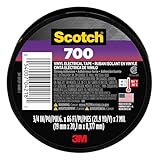
I remember staring at a frayed lamp cord years ago, the little copper strands glinting under the desk light. Panic, mild annoyance, and a whole lot of ‘what ifs’ swirled in my head. Could I just wrap some of that black tape I had lying around? Everyone knows it’s called ‘electrical tape’, right? It’s supposed to handle electricity. So, the big question is, can electrical tape be used to cover exposed wire? My initial thought was a resounding ‘yes’, but like most things in life, it’s a bit more nuanced than that, and I’ve learned the hard way that ‘good enough’ often isn’t.
I’ve seen people jury-rig all sorts of things, and sometimes, in a pinch, a quick fix might seem to hold. But when it comes to electricity, a quick fix can quickly become a fire hazard or a shock waiting to happen. This isn’t about saving a few bucks; it’s about safety and doing the job right, even if it means admitting you might need a different tool.
When a Quick Fix Feels Like a Smart Move
Look, we’ve all been there. You’re mid-project, or maybe just trying to get something working again, and you spot it – a nick, a cut, or a completely exposed section of wire. My first instinct, and I bet yours too, is to grab the roll of black tape that’s probably sitting in the junk drawer. It’s called electrical tape for crying out loud! It feels like it’s designed for exactly this scenario. And in the most basic sense, yes, you can wrap electrical tape around exposed wire. It’s designed to be a primary insulator for low-voltage applications.
I recall a time I was fixing an old fan. One of the wires going into the motor housing had a nasty split in the insulation. I didn’t have the specialized wire nuts or heat shrink tubing handy, but I did have a fresh roll of 3M Super 35 electrical tape. I meticulously wrapped it, layering it on thick, making sure to overlap generously. For a while, it worked fine. The fan spun, no sparks flew, and I felt pretty pleased with my quick-thinking repair. That was probably about five years ago, and the fan still works. This specific instance reinforced my initial belief that electrical tape is the go-to for minor wire repair.
The key here is understanding what ‘exposed wire’ means and what kind of electrical tape you’re dealing with. Not all tapes are created equal. The cheap stuff you get from the dollar store might look like electrical tape, but its adhesive might fail under heat or moisture, and its insulating properties might be questionable. A good quality electrical tape, like those from 3M, Scotch, or Ideal Industries, is made from PVC (polyvinyl chloride) and is engineered to stretch and conform to irregular shapes while maintaining its insulating properties up to a certain voltage rating, typically 600 volts for standard types. This voltage rating is a big deal, and it’s something many DIYers overlook.
So, while the immediate answer to ‘can electrical tape be used to cover exposed wire?’ is a qualified ‘yes,’ it’s key to know the limitations. For simple repairs on low-voltage household appliances or extension cords that aren’t subjected to harsh conditions, a properly applied layer or two of good quality electrical tape can be a perfectly acceptable temporary or even semi-permanent fix. The goal is to create a barrier that prevents accidental contact with the conductor and protects the wire from further damage.
What to Look for in Tape for Wire Duty
When you’re actually in the trenches, staring at a gnawed wire from a curious pet or a sharp edge that’s rubbed through the insulation, the type of tape you grab matters. Generic, no-name brands are where I’ve seen the most failures. They might stick initially, but give it a few months, maybe some ambient heat from an appliance, or a bit of flexing, and that tape starts to peel, leaving you right back where you started – with exposed wire.
I learned this lesson the hard way with some cheap, brightly colored tape I bought for a project. It wasn’t explicitly labeled as electrical tape, but it looked similar enough. I used it to insulate a few low-voltage LED strip connections outdoors. Within three months, the adhesive had turned gummy, the tape had shrunk, and the connections were corroded and sparking.
Total disaster. It cost me more in replacement parts and a minor electrical fire scare than if I’d just bought the right stuff from the start.
Since then, I’ve been a lot more discerning. I stick to brands like 3M (their Super 35 or Temflex lines are reliable) or Ideal Industries. These are designed for the job, meaning they have good stretch, excellent adhesion even when stressed, and importantly, they maintain their dielectric strength.
The dielectric strength is the important factor here. It’s the maximum electric field the material can withstand without breaking down. For standard electrical tape, this is usually rated around 10 kV/mm (kilovolts per millimeter). This means a millimeter of tape can insulate against 10,000 volts. Most household wiring operates well below this, typically at 120V or 240V. However, this rating is for the tape itself, in ideal conditions. When you stretch it, apply it over an uneven surface, or expose it to temperature fluctuations, its effective insulating capability can decrease. (See Also: Can I Use Electrical Tape To Connect Wires )
Here’s a quick rundown of what makes good electrical tape:
| Feature | Why It Matters | My Verdict |
|---|---|---|
| Material (PVC) | Offers flexibility, abrasion resistance, and good insulation properties. | Must-have for electrical work. |
| Adhesive Quality | Needs to stick securely without becoming brittle or gooey, even with temperature changes. | Cheap adhesive is a recipe for failure. |
| Flexibility & Stretch | Allows the tape to conform tightly to wires and connections, sealing out moisture and preventing gaps. | Key for a smooth, secure wrap. |
| Voltage Rating | Indicates the maximum voltage it can safely insulate. Always check this. | For household use, 600V is standard and usually sufficient. |
| Temperature Resistance | Good tape won’t degrade or lose adhesion in moderate heat generated by electrical components. | Important for longevity. |
Don’t skimp on the tape. Investing a few extra dollars in a reputable brand will save you headaches, potential hazards, and the cost of redoing the job later. A roll of good electrical tape is relatively inexpensive, and it’s a fundamental tool for anyone who tinkers with electronics or performs basic home repairs.
Common Mistakes and Why They’re Dangerous
Okay, let’s talk about the screw-ups. Because I’ve made them, and I’ve seen others make them. When someone asks ‘can electrical tape be used to cover exposed wire,’ the underlying assumption is often that it’s a straightforward, foolproof solution. It’s not. The biggest mistake I see is thinking one layer is enough. Nope. Not even close. You need to overlap generously, and you need to build up thickness.
Another common error is stretching the tape too thin. While you want it to conform, if you pull too hard, you can actually reduce its insulating capability and make it more prone to tearing. It’s a balance. You want snug, not strained. I remember a buddy who tried to fix a power strip cord by wrapping it super tight, thinking that would make it stronger. He ended up stretching the tape so much that the underlying copper strands were almost visible through the thin PVC. That’s a recipe for disaster, not a fix.
Then there’s the issue of the environment. Using electrical tape on something that gets hot – like a connection near a motor or in a car engine bay – is a gamble. Standard electrical tape has a temperature rating, usually around 80°C (176°F). If the wire gets hotter than that, the tape can soften, melt, or lose its adhesive. This is why professional electricians often opt for heat shrink tubing or specialized wiring harnesses for high-temperature applications. My experience with outdoor fairy lights that got baked by the sun in summer is a testament to this; the tape failed spectacularly.
Applying tape over dirt, grease, or moisture is another no-no. The adhesive won’t bond properly, and you’ll end up with a loose wrap that offers little protection. Always clean the wire and the surrounding area before you start taping. A quick wipe with a clean, dry cloth is usually sufficient. If there’s significant grease or oil, isopropyl alcohol can work wonders, but make sure it evaporates completely before you apply the tape.
Finally, and this is a big one: using the wrong type of tape. If it’s not specifically labeled as electrical tape with a decent voltage rating, don’t use it for electrical insulation. Duct tape, packing tape, even some fabric tapes might seem strong, but they offer zero electrical insulation and can actually be a fire hazard. They’re made for completely different purposes. The common advice is often to use the correct tool for the job, and when it comes to electrical work, that means the correct tape. The misconception that any tape will do is a dangerous one.
Real-World Use: When It Actually Works
So, when does electrical tape actually shine? It’s not just for show; it has its legitimate applications. Think about simple, low-voltage repairs inside the house where the environment is stable and temperature fluctuations are minimal. For instance, those thin wires on the back of a thermostat, or the power cord on a desk lamp that has a minor nick near the plug end. These are prime candidates for a good electrical tape job.
I used it recently on a set of Christmas lights that had a wire rubbed bare where it went over a windowsill. Since it was just one small section on a string that operates at a very low voltage (usually 12V or 24V for LED strings), and it wasn’t exposed to rain or extreme heat, a careful wrap of good quality electrical tape did the trick. I made sure to extend the tape well beyond the damaged area, covering at least an inch of intact insulation on either side. This makes sure a secure seal and prevents the damage from creeping further.
Another scenario where it’s commonly and effectively used is bundling wires together. Electricians often use electrical tape to keep groups of wires neat and organized within junction boxes or conduit. It’s not for insulation in these cases, but rather for tidiness and to prevent them from fraying or snagging. This is a practical, everyday use that demonstrates the tape’s flexibility and adhesive properties in a non-important application. (See Also: Can Electrica Tape Catch On Fire )
You’ll also find it in automotive repair for minor wire insulation tasks, especially on sensors or accessory wiring that operates at 12V. However, it’s important to be aware of engine bay temperatures. For areas that get hot, you’ll want specialized automotive-grade electrical tape or heat shrink. The key is understanding the operating voltage and temperature. If you’re unsure, err on the side of caution and use a more solid solution.
The fact that electrical tape is so widely available and relatively inexpensive means it’s often the first thing people reach for. And for many simple, non-important tasks, it’s perfectly adequate. The trick is to apply it correctly: clean surface, good overlap, sufficient thickness, and awareness of the environment. When used within its intended parameters, electrical tape is a handy tool for covering exposed wire and preventing minor issues from becoming major problems.
Practical Tips for a Better Repair
Alright, you’ve decided to go ahead and use electrical tape for that exposed wire. Smart. But let’s not just slap it on like a band-aid. We’re going for a proper fix here. First rule of thumb: clean is king. Wipe down the wire, especially around the damaged area, with a clean, dry cloth. If there’s any grease or grime, a little bit of isopropyl alcohol on a rag will do wonders, but let it dry completely before you start taping. You want that adhesive to have a nice, clean surface to stick to.
Next, overlap, overlap, overlap. Don’t just wrap it around once. Start the tape a good inch or so before the damaged section and end it a good inch or so after the damaged section. Wrap the tape around the wire, overlapping each turn by at least half the width of the tape. This creates a smooth, insulated barrier. I usually do at least three to four layers, sometimes more if the wire is in a high-flex area or might experience any physical stress. Think of it like building a tiny, protective sleeve.
When you wrap, try to maintain consistent tension. You want the tape to stretch slightly to conform to the wire’s shape and create a smooth, tight wrap, but don’t pull so hard that you see the copper strands showing through. Overstretching weakens the tape’s insulating properties. It should feel snug, not strained. As you get to the end of your wrap, stretch the tape a bit more for the final few turns to help the adhesive seal itself down. Press firmly as you go.
Here are a few more handy tips:
- Cut, Don’t Tear: When you’re done wrapping, use scissors to cut the tape cleanly rather than tearing it. This gives you a neater edge and helps prevent the tape from peeling up later.
- Inner Layer First: If you’re dealing with a multi-conductor cable where multiple wires are exposed, insulate each wire individually first, then wrap the entire bundle.
- Consider Color Coding: While black is standard, some people use different colored electrical tapes to identify different circuits or wires, which can be helpful for future repairs or identification.
- Temperature Check: Before you tape, consider the environment. If the wire is near a heat source or in a hot location (like an engine compartment), standard electrical tape might not be sufficient. Look for high-temperature rated tape or consider heat shrink tubing.
- Check the Rating: Always look at the packaging for the voltage rating. For most household applications, 600V is standard. Don’t use tape rated lower than the circuit voltage.
Following these steps will significantly improve the effectiveness and longevity of your electrical tape repair. It transforms a quick patch into a much more reliable insulation job.
The Contrarian View: When not to Use It
Now, here’s where I might ruffle some feathers. Everyone says electrical tape is the solution for exposed wires. I disagree, and here’s why: it’s often seen as a permanent fix when it really shouldn’t be, and it’s applied in situations where it’s just not safe. My biggest pet peeve is seeing electrical tape used on main power cords for appliances like refrigerators or washing machines, or on cords that get frequently moved or stressed. These cords are subjected to a lot more abuse than, say, a low-voltage lamp cord.
A frayed main power cord is a serious fire hazard. The amount of current running through it is significant, and if the insulation fails, you’re looking at potential arcing, overheating, and a fire. While electrical tape can insulate up to 600V, it’s designed for primary insulation on splices and terminations in low-voltage circuits, not for repairing the solid jacket of a heavy-duty appliance cord. The jacket provides mechanical protection, not just electrical insulation. Once that jacket is compromised, the wires inside are vulnerable to physical damage, moisture, and heat, all of which can defeat the tape’s insulating properties.
Think about it: that cord gets yanked, bent, possibly even stepped on. The tape, while flexible, isn’t as mechanically solid as the original rubber or plastic jacket. It can peel, get nicked, or degrade. If you’ve got a nick in an appliance cord, the responsible thing to do is replace the entire cord. They’re usually not that expensive, and it’s a straightforward swap for most appliances. It’s a more involved fix than wrapping some tape, but it’s the right fix. (See Also: Can I Substitute Duct Tape For Electrical Tape )
My personal experience? I once “fixed” a frayed power cord on an old vacuum cleaner with electrical tape. It seemed fine for a few weeks. Then, one afternoon, I smelled burning plastic. Turns out, the tape had started to melt and peel away near the plug, exposing the wires again. It was a close call, and it taught me a valuable lesson about respecting the limitations of materials and the potential dangers of underestimating electrical loads. The vacuum ended up in the trash, and I bought a new one, realizing that some repairs are just not worth the risk.
So, while the direct answer to ‘can electrical tape be used to cover exposed wire?’ is yes, the practical, safety-conscious answer is: only for specific, low-risk situations and as a temporary measure if absolutely necessary. For anything involving higher voltage, significant mechanical stress, or heat, it’s time to consider a replacement part. Don’t let a cheap roll of tape give you a false sense of security when dealing with potentially dangerous electrical components.
Is Electrical Tape Safe for All Wires?
No, electrical tape is not safe for all wires or all situations. While it’s designed for electrical insulation up to 600 volts, it’s best suited for low-voltage applications and environments with stable temperatures. It’s not a substitute for the solid outer jacket on heavy-duty appliance cords or wiring exposed to significant mechanical stress, heat, or moisture, where a more durable solution like heat shrink tubing or cord replacement is necessary.
How Many Layers of Electrical Tape Should I Use?
For a secure and effective repair, aim for at least three to four layers of good quality electrical tape, overlapping each turn by at least half the tape’s width. This builds up sufficient insulation thickness and creates a reliable barrier against accidental contact and environmental factors. More layers are better if the wire is in an area prone to flexing or physical stress.
Can I Use Electrical Tape for Outdoor Wiring?
Using electrical tape for outdoor wiring is generally not recommended for long-term or important applications. Standard electrical tape can degrade when exposed to UV radiation from sunlight, extreme temperature fluctuations, and moisture. While it might offer a temporary fix in a pinch, specialized outdoor-rated tapes or waterproof connectors and enclosures are the proper solutions for permanent outdoor electrical connections.
What Is the Difference Between Electrical Tape and Duct Tape?
The primary difference is their purpose and material composition. Electrical tape is specifically designed to be an electrical insulator, typically made from PVC, and rated for specific voltages. Duct tape, on the other hand, is a general-purpose adhesive tape made from fabric or plastic with a strong adhesive, but it offers no electrical insulation and can be a fire hazard if used on electrical wires. They are not interchangeable.
Conclusion
So, to circle back to the original question: can electrical tape be used to cover exposed wire? The answer, as we’ve explored, is a complicated ‘yes, but’. It’s a tool with limitations, best suited for specific scenarios like low-voltage household repairs where conditions are stable. My own experience, and frankly, common sense, tells me that for anything important or high-stress, relying solely on electrical tape is a gamble you don’t want to take.
Always prioritize safety. If a wire cord is significantly damaged, frayed, or shows signs of wear on an appliance that draws a lot of power, the smart move is to replace the entire cord. It’s cheaper than a potential fire or electrical shock. For minor nicks on low-voltage items, a properly applied layer or two of good quality tape can work, but treat it as a temporary fix until you can do a more permanent repair or replacement.
Ultimately, understanding what works, what doesn’t, and why is what saves you trouble. Don’t let a cheap roll of tape be the weakest link in your electrical safety chain. Next time you’re faced with exposed wire, take a moment to assess the situation realistically before you reach for the black roll.