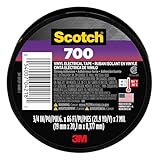
I remember staring at a mess of buried wires after a storm, a pathetic strip of what was supposed to be heavy-duty electrical tape dangling uselessly, half-dissolved into the mud. It looked like something a kid would use for a science project, not for protecting vital connections from the elements. It made me wonder, can electrical tape be used underground? The short answer, based on more than a few painful lessons and wasted dollars, is: maybe, but probably not the way you think, and definitely not all of it.
For years, I’d heard conflicting advice. Some folks swore by it, others said it was pure folly. I’ve spent way too much time digging up supposedly waterproofed connections only to find them corroded and corroded beyond repair. So, let’s cut through the noise and get to what actually works, and what’s just a recipe for future headaches.
Why You Might Be Tempted (and Why It’s Usually Wrong)
Look, I get it. You’ve got a splice that needs protecting, maybe it’s in a damp spot, or you’ve got to bury it to get it out of the way. You’ve got a roll of electrical tape in your toolbox, and it’s labeled ‘waterproof’ or ‘heavy-duty.’
Seems like the obvious, cheap solution, right? I’ve been there. I once tried to splice a low-voltage garden light wire that had been chewed by a squirrel. Dug a little trench, wrapped it up with what I thought was good quality vinyl electrical tape, buried it, and forgot about it.
Fast forward six months, and my entire back patio lights were dead. Dug it up, and the tape looked like a gooey, sticky mess, the wire underneath was green with corrosion. It was a complete failure. That’s when I learned that ‘waterproof’ on a roll of tape often means ‘water-resistant for a few minutes in a lab,’ not ‘will survive being submerged in dirt for years.’
The common advice you’ll find online often glosses over the reality of underground conditions. They might tell you to wrap it tightly, overlap it properly, and use a good brand. And sure, that’s part of the equation, but it’s like telling someone to tie their shoes really well before jumping into a pool. The material itself might not be up to the task. The real culprit is often moisture ingress. Water finds a way, and if your tape isn’t designed to actively repel or seal against it over extended periods, under constant pressure from soil and temperature changes, it’s going to fail.
Most standard electrical tapes, even the thicker, black ones, are designed for above-ground use, primarily for insulating electrical connections in dry or moderately damp environments. They’re great for keeping your fingers from getting shocked when you’re working on a junction box in the ceiling. They offer decent insulation and some protection against abrasion and minor splashes. But burying them? That’s a whole different ballgame. Soil isn’t just water; it’s abrasive, it contains minerals, it can freeze and expand, and it’s teeming with microorganisms that can degrade materials over time. A tape that works fine for a few weeks in a workshop might disintegrate or lose its adhesion within months underground.
What Actually Works for Underground Splices
So, if your average roll of electrical tape is going to be a soggy mess in no time, what’s the real deal for underground connections? Forget the tape for a moment and think about sealing. You need something that creates a permanent, waterproof barrier. My go-to for anything buried, especially low-voltage landscape lighting or even some direct-burial AC runs (where codes allow), is heat-shrink tubing designed for direct burial, or specialized waterproof wire connectors. These are designed specifically to keep moisture out. Heat-shrink tubing, when properly applied with a heat gun, shrinks down to form a tight seal around the splice. Look for ones that have an adhesive lining – that’s the magic ingredient that makes them truly waterproof.
Another solid option, and often simpler for DIYers, are the gel-filled wire nuts or butt connectors. You make your splice (using standard wire nuts or crimp connectors), then slide these specialized connectors over the splice. They’re packed with a dielectric gel that repels water and prevents corrosion. (See Also: Can I Use Electrical Tape To Connect Wires )
I’ve used these on everything from irrigation system valves to those aforementioned garden lights, and they’ve held up beautifully. I pulled up a splice I made with one of these about three years ago, just to check, and it was as dry and clean as the day I installed it. The initial cost might seem a bit higher than a roll of tape, but considering the cost of digging up and redoing failed splices, it’s a no-brainer. I spent about $20 on a pack of these connectors last year, and they’ve saved me countless hours of digging and frustration.
That’s a small price to pay for peace of mind.
There are also specialized self-fusing silicone tapes that are designed for high-voltage insulation and some environmental resistance. These tapes bond to themselves, creating a smooth, waterproof layer. While often used for high-pressure hose repairs or above-ground electrical work in harsh conditions, some versions can be applied correctly for underground use. However, they’re typically more expensive and require a specific wrapping technique to achieve their full potential. For most low-voltage or even standard residential direct-burial applications, the heat shrink or gel-filled connectors are far more practical and reliable.
The Common Mistakes That Lead to Failure
Alright, let’s talk about the ways people mess this up, even when they think they’re doing it right. The biggest mistake, hands down, is underestimating the environment. People wrap a splice with electrical tape, maybe even a few layers, and think they’re good to go. They don’t consider that soil shifts, water pools, and tiny critters can chew through almost anything. I’ve seen people wrap wires that are already nicked or frayed, thinking the tape will somehow magically fix the damage. It won’t. You need to start with clean, undamaged wires.
Another blunder is not using the right kind of electrical tape, even if you’re using it above ground. There’s cheap, flimsy tape that stretches and tears like bubblegum, and then there’s better quality, thicker vinyl tape.
But even the best vinyl tape is rarely rated for direct burial. The temptation is to just grab whatever’s in the drawer. I’ve also seen people make the mistake of not overlapping the tape enough, or not wrapping it in a way that sheds water. Imagine wrapping a pipe joint with tape and leaving gaps; water will find those gaps.
You need to wrap it like you’re trying to create a smooth, waterproof cylinder, with a generous overlap of at least half the tape’s width on each turn, and extend well beyond the splice on either side.
Then there’s the issue of temperature. Electrical tape can become brittle in the cold and gummy in the heat. This can compromise its adhesion and its ability to create a good seal. If you’re wrapping wires in freezing temperatures, the tape won’t adhere properly. If you’re doing it in blistering heat, it might stretch too much or become overly sticky, making it hard to get a clean wrap. The best practice is to work in moderate temperatures, ideally between 50°F and 80°F (10°C and 27°C), though ideal conditions vary by tape. But honestly, the temperature issue is secondary to the material limitations for underground use. The real mistake is relying on it at all for anything long-term below grade. (See Also: Can Electrica Tape Catch On Fire )
My Real-World Experience: Digging Up Regrets
I’ve already shared my garden light saga, but that’s just one chapter. There was also the time I tried to repair a buried extension cord that powered a submersible pump. I used what I thought was the best electrical tape I could find at the hardware store, one that boasted ‘superior adhesion’ and ‘weather resistance.’ I wrapped it painstakingly, making sure every inch was covered and overlapped. Within a year, the pump started acting up. Dug it up, and the tape had degraded significantly, letting in enough moisture to cause intermittent power loss. It was a frustrating and expensive lesson. The cord itself was fine; it was that splice that failed.
I’ve also encountered situations where people have tried to use electrical tape as a temporary fix for underground conduit. They’ll wrap the conduit where it’s cracked or to seal a joint.
This is almost always a disaster waiting to happen. Conduit is meant to protect wires from the elements and physical damage. If the conduit is compromised, the wires inside are exposed to whatever seeps in. Electrical tape offers virtually no structural protection and will degrade rapidly when exposed to soil, moisture, and UV light (if any gets through the soil).
I once had to replace a whole section of conduit and wires because a cheap electrical tape repair failed, allowing water to flood the conduit and short out the wiring. It cost me a whole weekend and a good chunk of change for new wire and conduit fittings.
The contrarian in me wants to say that maybe, for a very short-term, extremely low-voltage, non-important application, a high-quality electrical tape might survive for a little while. But honestly, even then, why risk it? The cost of doing it right the first time with proper waterproof connectors or heat shrink is so minimal compared to the cost and aggravation of digging it all up again. It’s like trying to save a few bucks by patching a leaky roof with duct tape. It might hold for a bit, but eventually, you’ll have a much bigger problem on your hands.
A Practical Comparison: Tape vs. Proper Solutions
Let’s break down why electrical tape is such a gamble for underground work compared to the actual solutions. It comes down to design, materials, and intended use. Electrical tape is primarily an insulator for above-ground applications. It’s flexible, sticky, and good for wrapping irregular shapes. But it’s not designed to be a long-term, waterproof seal against constant environmental pressure.
Here’s a quick rundown of what to expect:
| Method | Pros | Cons | Verdict for Underground Use |
|---|---|---|---|
| Standard Electrical Tape (Vinyl) | Cheap, readily available, flexible | Degrades quickly underground, moisture ingress is common, poor abrasion resistance, temperature sensitive | Avoid. High failure rate, short lifespan. |
| Self-Fusing Silicone Tape | Good insulation, bonds to itself, can create a smooth layer | Requires precise application, can be expensive, still susceptible to physical damage in soil | Risky. Better than vinyl but not ideal without additional protection. Not a primary solution. |
| Heat Shrink Tubing (with adhesive lining) | Excellent waterproof seal, durable, good insulation, protects against abrasion | Requires heat gun, can be slightly more expensive than tape | Excellent. A top-tier solution for buried splices. |
| Gel-Filled Wire Connectors/Nuts | Extremely easy to use, creates a solid waterproof seal, protects against corrosion, good for various wire types | Can be bulkier than heat shrink, slightly higher initial cost per connector | Excellent. A highly reliable and user-friendly choice. |
As you can see from the table, electrical tape just doesn’t stack up. The ‘Pros’ for tape are really only relevant for above-ground, temporary fixes. For anything that needs to last underground, you’re looking at systems designed specifically for that purpose. Investing a few extra dollars in proper connectors or heat shrink tubing will save you a massive headache down the line. I learned this the hard way, spending more on repeated repairs than I would have on the right materials initially. (See Also: Can I Substitute Duct Tape For Electrical Tape )
Can Electrical Tape Be Used Underground? The Faq
Is Electrical Tape Waterproof?
Standard electrical tape is generally water-resistant, meaning it can repel water for a short period or in light splashes. However, it is not truly waterproof for long-term submersion or continuous exposure to moisture, especially under the pressures and conditions found underground. It lacks the solid sealing properties required to prevent water ingress over extended periods.
Can I Use Electrical Tape for Outdoor Splices?
For outdoor splices that are exposed to the elements but not buried, high-quality electrical tape can sometimes be used as a temporary or secondary measure. However, for permanent outdoor splices, especially those exposed to direct rain, sun, or extreme temperatures, specialized waterproof connectors, heat shrink tubing, or junction boxes designed for outdoor use are far more reliable and recommended for longevity.
What Is the Best Way to Waterproof a Buried Wire Splice?
The best methods for waterproofing buried wire splices involve using materials specifically designed for direct burial. This includes using gel-filled waterproof wire connectors or butt splices, or applying heat shrink tubing with an internal adhesive lining. These solutions create a durable, sealed barrier that prevents moisture from reaching the electrical connection, making sure its integrity and longevity.
How Long Does Electrical Tape Last Underground?
The lifespan of electrical tape used underground is highly variable but generally very short. It can degrade within weeks to months, depending on soil conditions, moisture levels, temperature fluctuations, and the quality of the tape. It is not designed for the constant exposure to soil, water, and potential abrasions found below ground, leading to premature failure.
Are There Any Electrical Tapes Suitable for Underground Use?
While some specialized self-fusing silicone tapes offer better environmental resistance than standard vinyl electrical tapes, they are not typically the primary or recommended solution for direct burial. They may offer some temporary protection or be used as part of a more complex sealing system. For reliable, long-term underground splices, dedicated direct-burial connectors or heat shrink solutions are always the superior choice.
Conclusion
So, to answer the nagging question: can electrical tape be used underground? The blunt truth is, it’s a gamble you almost always lose. I’ve wasted enough time and money on failed electrical tape repairs beneath the soil to know it’s not worth the risk. It’s a product designed for a different job, and shoving it into an environment it’s not built for is just asking for trouble.
If you’ve got wires that need to go underground, do yourself a favor and invest in the right materials. Those little gel-filled connectors or the right kind of heat shrink tubing aren’t that expensive, and they’ll save you a world of pain, digging, and frustration down the road. Trust me on this one; my past mistakes are your future wisdom.
Next time you’re faced with a buried splice, remember this: don’t reach for the electrical tape. Reach for the actual solution, and sleep soundly knowing your connection is protected.