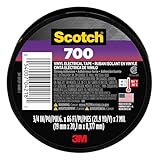
I’ve been there. You’re in the middle of winter, huddled under three blankets, and you notice it – a draft where there shouldn’t be one. You trace it back, and sure enough, a piece of your heating vent has decided to take a vacation, leaving a gap big enough to let all the cozy air escape. My first thought, like many people’s, was, ‘Can electrical tape be used to fix a heating vent?’ It seems like such a quick, easy fix, right? Well, let me tell you, sometimes the easy way out leads to more headaches down the road. I’ve learned this the hard way, and I’m here to give you the blunt truth.
This isn’t about fancy solutions or expensive gadgets. This is about what actually works when your house is trying to stage a rebellion against warmth. We’re going to talk about whether that roll of black tape lurking in your toolbox is your knight in shining armor, or just another thing that promises more than it delivers.
So, Can Electrical Tape Actually Seal a Heating Vent?
Let’s cut to the chase. Can electrical tape be used to fix a heating vent? Technically, yes, you can slap some electrical tape over a hole or a crack in a metal heating vent. It’s flexible, it sticks (for a while), and it’s readily available.
I’ve seen people do it, and I’ve probably done it myself in a pinch years ago when I was younger and dumber about home repairs. The tape will create a barrier, and for a short period, it might even stop that annoying puff of air escaping or draft coming in.
It’s the kind of temporary fix you might try when you’re waiting for a permanent solution or when the repair bill is looking scarier than a ghost in a dark attic.
However, and this is a big ‘however,’ it’s important to understand that electrical tape is not designed for this kind of application. Its primary job is to insulate electrical wires, preventing shocks and short circuits. It’s made of vinyl, which has some adhesive properties and can withstand moderate temperatures, but it’s not built to handle the constant temperature fluctuations, the potential for dust and debris buildup, or the mechanical stresses a heating vent experiences.
Think about it: your furnace kicks on, heating the air up. Then it kicks off, and the metal cools down. That expansion and contraction put stress on any adhesive. Plus, the adhesive on electrical tape isn’t usually formulated to stick to painted metal or plastic for extended periods, especially when exposed to heat and dryness.
I remember one time, trying to tape up a small tear in a flexible duct connector – not a vent itself, but similar principle. It worked for about two weeks, and then, during a really cold snap when the heat was running constantly, the tape just sort of sagged and peeled away like a sunburnt nose. It looked like a sad, black tear running down the duct.
Not exactly a confidence booster.
The main issue is longevity and effectiveness. While it might plug the hole for a bit, it’s a flimsy patch. The heat from the furnace can degrade the adhesive over time, making it lose its stick. The tape can also become brittle, especially in colder months when the air is dry, and then crack or peel. You might find yourself re-taping it more often than you’d like. It’s not a solid solution, and if the hole is significant, it won’t do much for airflow efficiency anyway. You’re basically putting a band-aid on a problem that might need stitches. For a truly effective and lasting repair, you’ll need something more suited to the job.
What You’re actually Dealing with: Vent Damage
When you’re looking at a damaged heating vent and wondering if electrical tape is the answer, you first need to understand what kind of damage you’re dealing with. Most vents, especially the older ones in houses, are made of stamped metal – usually galvanized steel or aluminum. They’re designed to direct airflow from your HVAC system into your rooms.
The damage you’ll typically see falls into a few categories: cracks, holes, bent fins, or loose connections. A crack might be a hairline split from age or a minor impact.
A hole is more significant, a clear breach in the metal. Bent fins are common if someone accidentally stepped on the vent or dropped something on it, which disrupts the airflow pattern. Loose connections can happen at the edges where the vent meets the wall or floor, allowing air to escape into the wall cavity instead of into the room.
Why does this matter for tape? Because tape is sticky. It’s good for holding flat surfaces together or covering small imperfections. It’s not good at bridging large gaps, supporting structural integrity, or conforming to complex shapes under stress.
If you have a small crack, electrical tape might hold it for a bit. But if you have a hole where a chunk of metal is missing, tape alone isn’t going to recreate the solid surface needed to direct air properly.
The air will just find the path of least resistance, which is often around or under the tape, rendering your fix useless. I once had a vent where a clumsy mover managed to put a screwdriver right through it, leaving a clean quarter-sized hole. I, in my infinite wisdom at the time, thought tape would do. It didn’t. (See Also: Can I Use Electrical Tape To Connect Wires )
The air just hissed through the gap, and the tape looked like it was being slowly sucked into the hole. It was a mess, and I ended up having to buy a whole new vent cover. That’s when I realized that understanding the nature of the damage is half the battle.
Then there’s the issue of what’s behind the vent. For floor vents, you’ve got ductwork. For wall vents, you might have ductwork or just the space leading to it. If the damage is severe enough to let significant air escape, that air is either going into your wall cavity (which can cause moisture issues over time if it’s humid air, though less common with heated air) or simply wasted.
This leads to your furnace running longer, costing you money and reducing the efficiency of your heating system. Electrical tape, being a thin, flexible material, offers very little insulation value and no structural support.
It’s a cosmetic fix at best, and a very temporary one at that. You might feel like you’ve solved the problem, but the real issue of airflow and energy loss often remains, lurking behind your flimsy tape job.
Alternatives: What actually Works?
Okay, so electrical tape is a flimsy, temporary fix at best. What should you be using instead? This is where we move from ‘can I do this?’
to ‘what’s the right way to do this?’ For most common vent damage, you’re looking at materials designed for patching, sealing, and metalwork. The simplest and often most effective solution for cracks or small holes in metal vents is metal repair tape or high-temperature aluminum foil tape.
These tapes are specifically designed to adhere strongly to metal surfaces and withstand the temperature swings common in HVAC systems. They have a much stronger adhesive than electrical tape and are far more durable.
I’ve used aluminum foil tape to seal up a leaky seam in a metal duct, and it’s still holding strong after three years. It’s also quite rigid, so it helps maintain the integrity of the vent structure.
For more significant damage, like a larger hole or a heavily bent section that’s affecting airflow, you might need to replace the vent cover entirely. Vent covers are relatively inexpensive, costing anywhere from $10 to $50 depending on size, material, and style. Replacing one is usually a straightforward DIY job. You just need a screwdriver to remove the old one and install the new one. It’s often faster and more effective than trying to patch up something that’s badly mangled. I’ve learned that sometimes, accepting that a part is beyond repair and replacing it is the most cost-effective and satisfying solution. It prevents future headaches and makes sure your system is working as it should.
If you’re dealing with damage to the flexible ductwork behind the vent cover, that’s a different ballgame. For small tears in flexible ducts, specialized HVAC foil tape (often wider and stronger than standard aluminum foil tape) or mastic sealant are the go-to options. Mastic sealant is a thick, putty-like substance that dries hard and creates a very durable seal.
It’s messy to apply but incredibly effective for sealing joints and tears in ductwork. For larger tears or damaged sections of flexible duct, you might need to splice in a new piece of ducting, which is a more involved repair but still manageable for a DIYer with the right materials and instructions.
The key here is using products rated for HVAC use. They’re built to handle the temperatures, pressures, and airflow within your system. Here’s a quick rundown of common repair materials:
| Repair Material | Best For | Pros | Cons | My Verdict |
|---|---|---|---|---|
| Electrical Tape | Emergency, tiny cracks (very temporary) | Readily available, flexible | Poor adhesion to metal, degrades with heat, not durable | Avoid for anything serious. A last resort for a few hours, maybe. |
| Aluminum Foil Tape (HVAC Rated) | Cracks, small holes, seams in metal vents and ducts | Strong adhesive, heat resistant, durable, creates a good seal | Can be tricky to apply smoothly, may not hold severely deformed metal | Excellent for most vent cover repairs. Your go-to tape. |
| Metal Repair Tape (Specific Products) | Larger holes, reinforcing weak spots | Often stronger and thicker than foil tape, can provide more structural support | Can be more expensive, might be overkill for small issues | Good for reinforcing, especially if the metal is very thin or bent. |
| Mastic Sealant | Duct joints, tears in flexible ductwork | Forms a very hard, durable seal, excellent for airflow sealing | Messy to apply, requires drying time, can be difficult to remove | The professional’s choice for sealing ductwork. Key for efficiency. |
| Replacement Vent Cover | Severely damaged, bent, or rusted vents | Restores original function and appearance, easy to install | Costs more than tape, requires purchasing the correct size | Often the best long-term solution for damaged vents. Don’t be afraid to replace it. |
Common Mistakes and Why They Happen
When people ask, ‘can electrical tape be used to fix a heating vent?’, it often stems from a desire for a quick, cheap fix. We see a problem, and we reach for the easiest tool available. I’ve fallen into this trap myself countless times.
My first car needed a new exhaust pipe bracket, and I jury-rigged it with a coat hanger and some zip ties. It worked, sort of, for about a week. The mistake is thinking that a temporary solution is a solution at all. With electrical tape on a vent, the common mistake is believing that the tape’s adhesive properties are enough to overcome the environmental challenges of a heating system.
People assume ‘tape is tape,’ but that’s just not true. The vinyl material of electrical tape isn’t designed for the constant expansion and contraction of metal when heated and cooled. This temperature cycling is a killer for many adhesives, causing them to loosen, peel, or become brittle. The adhesive on electrical tape is also often rubber-based, which can degrade when exposed to constant dry heat or UV light, though UV isn’t typically an issue inside a vent. (See Also: Can Electrica Tape Catch On Fire )
Another mistake is underestimating the airflow. Even a small gap can mean a significant loss of heated air.
If the hole is large, electrical tape simply can’t bridge the gap effectively. The air will push past it, or even pull it away. I remember trying to patch a hole in a bathroom vent fan cover with electrical tape once.
It was a warm, humid day, and I figured the tape would hold. Within an hour, the tape was peeling at the edges, and the fan was still making that awful, high-pitched whine because the airflow wasn’t properly directed.
It was clear the tape wasn’t strong enough to maintain the seal. It’s not just about sticking; it’s about creating a seal that can withstand pressure and airflow. Electrical tape is designed for static insulation, not dynamic sealing in a demanding environment.
People also often overlook the long-term consequences. Using electrical tape might seem fine in the short term, but it can lead to bigger problems. The degraded adhesive can leave a sticky residue on the vent that’s hard to remove, potentially requiring sanding or scraping, which could damage the vent finish.
More importantly, if the tape fails and a larger piece of the vent breaks off, or if the poorly sealed gap allows debris to enter the ductwork, you could be looking at more expensive repairs down the line. It’s a classic case of being penny-wise and pound-foolish. The $2 roll of tape might save you $10 now, but it could cost you $100 or more later when a proper repair is needed because the initial attempt failed and made things worse.
Think of it like using regular scotch tape to hold a broken car mirror on – it might work for a few minutes, but it’s not going to last and could be dangerous.
Real-World Use: When and How to Not Use It
Let’s be brutally honest: when is it ever okay to use electrical tape on a heating vent? The only scenario I can think of where it’s even remotely justifiable is an absolute, dire, emergency situation where you have zero other options and need to temporarily stop a draft immediately to prevent something catastrophic.
And even then, I’m talking about a tiny crack that’s letting out a whisper of air, not a gaping hole. Imagine you’re in the dead of winter, a storm is raging, and a tiny piece of the vent cover has chipped off, creating a tiny pinhole letting in a chilling draft that’s freezing your toes. You have no aluminum tape, no replacement vent, nothing. In that specific, highly unlikely scenario, a few wraps of electrical tape might get you through the night until you can get to a hardware store.
It’s about buying yourself a few hours, not solving the problem.
How would you even do it in that hypothetical emergency? You’d clean the area around the crack as best you can (dust and grime are enemies of adhesion).
Then, you’d carefully apply the tape, overlapping the edges of the crack by at least an inch on either side. You’d want to press it down firmly, trying to smooth out any wrinkles or air bubbles.
You might even consider layering two or three pieces of tape, one over the other, to add a bit more strength. But even as I describe it, it feels weak. It’s like trying to bail out a sinking ship with a teacup. You’re just delaying the inevitable.
My personal story with this is less about vents and more about a radiator hose on an old truck. It sprung a leak, and I had a roll of electrical tape in my glove box. I wrapped it around the leak like crazy. For about 50 miles, it held.
Then, going uphill, the pressure built, the tape stretched, and it blew off in a shower of coolant. Lesson learned: don’t trust flimsy tape with anything under pressure or heat. (See Also: Can I Substitute Duct Tape For Electrical Tape )
The key takeaway here is that the intended use of electrical tape is for electrical insulation. It’s not designed for structural repairs, high-temperature applications involving metal, or situations where airflow and pressure are factors. So, while the question is ‘can electrical tape be used to fix a heating vent?’, the more important question is ‘should it be?’ And the answer, in almost all real-world situations, is a resounding no.
If you’re in doubt, err on the side of caution and use a product specifically designed for HVAC repairs. Your wallet and your home’s comfort will thank you in the long run.
The common advice from a lot of DIY forums is often ‘just use what you have,’ but that’s terrible advice when it comes to your home’s heating system.
Practical Tips for a Real Fix
Alright, let’s talk about actually fixing that vent properly, because, let’s face it, electrical tape isn’t going to cut it for the long haul. First off, safety first. Always turn off your HVAC system at the breaker or thermostat before you start messing with vents or ductwork. You don’t want the system to kick on while you’ve got your hands in there. Once the system is off, assess the damage. Is it a small crack in the metal cover? A bent fin? A hole? Or is the entire vent assembly loose or damaged? Knowing the extent of the damage will guide you to the right solution.
For minor cracks or small holes in metal vent covers, your best bet is a good quality aluminum foil tape that’s rated for HVAC use. Clean the surface of the vent thoroughly with rubbing alcohol or a degreaser to remove any dust, grease, or old adhesive residue. This is important for good adhesion.
Cut a piece of tape large enough to cover the damaged area with at least an inch of overlap on all sides. Apply the tape smoothly, pressing firmly from the center outwards to eliminate air bubbles. If the metal itself is bent or deformed, you might need to gently bend it back into shape with pliers before applying the tape, or use a slightly thicker metal repair tape for added rigidity. I once had a floor vent that got stepped on and buckled.
I used a pair of pliers to straighten out the worst of the bend, then used a sturdy piece of aluminum foil tape to reinforce the weak spot. It wasn’t pretty, but it sealed the gap and stopped the rattling.
If the vent cover is severely damaged – cracked all over, rusted through, or so bent that it won’t sit flush – it’s time to replace it. Measure the opening carefully to get the correct size. Most standard vent covers are designed to fit common joist spacing or wall stud configurations.
You’ll usually just need a screwdriver to remove the old screws holding the cover in place and install the new one. This is a simple, satisfying fix that restores the vent’s function and appearance. For any issues with the flexible ductwork or the boot (the metal transition piece connecting the duct to the vent opening), you’ll need to use HVAC-specific mastic sealant or foil tape designed for ducts. These materials are more solid and formulated to handle the conditions inside your duct system.
Mastic sealant, while messy, creates an incredibly strong and airtight seal when it cures. Make sure you follow the manufacturer’s instructions for application and curing time. Trying to patch ductwork with regular duct tape is another common mistake; it won’t withstand the pressure and temperature fluctuations and will eventually fail, leading to energy loss.
Faq: Electrical Tape and Heating Vents
Can Electrical Tape Hold a Heating Vent Together?
Technically, electrical tape can temporarily hold small pieces of a damaged heating vent together for a very short period. However, it is not designed for this purpose and will likely fail due to heat, temperature fluctuations, and airflow pressure. Its adhesive is not strong enough for long-term bonding on metal in an HVAC environment.
Is Using Electrical Tape on a Heating Vent Dangerous?
While not inherently dangerous in the way that faulty wiring is, using electrical tape on a heating vent is a poor repair that can lead to inefficiency and potentially more costly issues later. The tape can degrade, peel, and leave residue, and the underlying problem of airflow loss will persist, making your heating system work harder and consume more energy.
What Is the Best Tape to Fix a Heating Vent?
The best tape for fixing a heating vent is typically a high-temperature aluminum foil tape specifically rated for HVAC use. It offers a strong adhesive, can withstand temperature changes, and provides a more durable seal than standard electrical tape. Metal repair tapes are also an option for more solid repairs.
How Long Will Electrical Tape Last on a Heating Vent?
Electrical tape is unlikely to last more than a few days or weeks on a heating vent before it starts to peel, degrade, or lose its adhesion. The constant temperature cycling, dry air, and potential for dust accumulation in an HVAC system are too harsh for the vinyl and adhesive used in electrical tape.
Conclusion
So, to circle back to the big question: can electrical tape be used to fix a heating vent? Yes, in the most desperate, emergency situations for a few hours to buy you time. But is it a good idea? Absolutely not. You’ll end up with a sticky mess and a problem that’s likely worse than when you started. It’s the kind of quick fix that’s more trouble than it’s worth in the long run. Think of it as a sign that it’s time for a proper repair.
Your best bet is always to use materials designed for the job. A roll of good HVAC-rated aluminum foil tape is cheap, effective, and will actually do what you need it to do. If the vent is really busted, just replace the darn thing. They’re not that expensive, and it’s a guaranteed fix that will save you headaches and energy bills. Don’t let a little damage to your heating vent turn into a bigger, more expensive problem down the road because you opted for the flimsy tape solution.
If you’re still unsure after reading this, my advice is to stop, take a deep breath, and go to the hardware store. Get the right stuff. Your toes (and your wallet) will thank you when the furnace kicks on and the heat stays where it’s supposed to be.