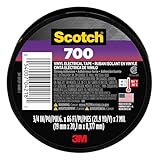
I remember the first time I jury-rigged a busted lamp with some electrical tape. It was a late night, the kids were asleep, and I just needed that little bedside lamp working. I wrapped it up, felt pretty proud of my quick fix, and went to bed. Woke up the next morning to a weird smell. Nothing had caught fire, thankfully, but it was a stark reminder: just because you can use something, doesn’t mean you should for everything. It got me thinking about the real risks.
So, can electrical tape catch fire? The short answer is yes, it absolutely can, under the right, or rather wrong, circumstances. We’re not talking about a spontaneous inferno from a perfectly applied strip, but there are scenarios where this common household item can become a fire hazard.
What’s Actually in That Roll?
Look, electrical tape isn’t some magical, fireproof force field. At its core, it’s usually made of vinyl, which is a type of plastic. This plastic has a melting point, and when you heat it up enough, it’ll melt, then char, and eventually, if there’s enough heat and oxygen, it’ll combust. The adhesive on the back is also usually some kind of rubber or synthetic goo, and that can burn too. It’s not designed to be a high-temperature solution; it’s for insulating and protecting wires from minor nicks and scrapes, not for holding together a failing toaster oven.
I once tried using electrical tape to secure a frayed power cord on an old extension cord that had seen better days. I figured it would just hold the insulation together and keep it from unraveling further. It worked for a week, maybe. Then, I noticed a faint burning smell after using it to power my ancient electric kettle. I yanked the plug, and the tape was all gooey and discolored. Thankfully, it hadn’t sparked or caught fire, but it was a wake-up call. The heat generated by the current passing through that damaged section was clearly enough to start degrading the tape. It was a stupid move, and a lucky escape.
The vinyl composition means it has a certain flammability rating, often referred to as UL 510. Most good quality electrical tapes meet this standard, meaning they resist spreading flame once an external ignition source is removed.
But ‘resist spreading flame’ is not the same as ‘fireproof’. If you keep applying heat, it will eventually burn. Think of it like a wooden fence – it might not burst into flames instantly if a match touches it, but a bonfire will certainly consume it.
Electrical tape is more like a slightly tougher, more resistant kind of wood in this analogy. It’s a temporary, low-voltage, low-heat solution, pure and simple. If your wiring is getting hot enough to make the tape feel warm to the touch, you’ve already got a problem that tape isn’t going to fix; it’s going to make worse.
When Does ‘resistant’ Become ‘risky’?
The biggest culprit for electrical tape turning into a fire hazard is heat. Lots of heat.
This can come from a few places. First, overloaded circuits. If you’re trying to draw more power through a wire than it’s rated for, the wire itself gets hot.
If that wire is wrapped in electrical tape, especially if the tape is old or of poor quality, that heat can degrade the vinyl and adhesive, eventually leading to ignition. I’ve seen cheap, no-name tapes melt and drip even under normal operating temperatures, so brand matters.
I once bought a bulk pack of generic electrical tape, and within a month, half the rolls were fused together and smelled weirdly chemical. That stuff was a disaster waiting to happen, and I threw the whole lot out. (See Also: Can I Use Electrical Tape To Connect Wires )
Another scenario is short circuits. If two bare wires touch when they shouldn’t, it creates a sudden surge of high current. This arc can generate intense heat and sparks. While electrical tape is meant to insulate, a short circuit can overwhelm its capabilities. If the tape is old, brittle, or not applied correctly (leaving gaps), the sparks can easily find a way to ignite it. This is particularly risky in areas where the tape might be exposed to vibration or abrasion, which can compromise its integrity.
Then there’s the application itself. Using electrical tape as a permanent fix for frayed insulation or damaged wires is asking for trouble. It’s a temporary measure at best. The tape can degrade over time due to UV exposure, temperature fluctuations, or just the natural aging of the plastic and adhesive. What was once a decent insulator can become brittle and cracked, offering less protection and becoming more susceptible to ignition. People think they’re being clever by wrapping up a dodgy wire, but they’re just delaying a more serious problem, and potentially creating a fire risk in the meantime.
Applying Tape Incorrectly
Applying electrical tape incorrectly is a common mistake that increases risk. This includes not overlapping enough, leaving gaps, or stretching it too thin.
If you don’t overlap the tape sufficiently, you create pathways for moisture or debris to get to the wire, and you reduce the overall insulating barrier. Stretched too thin, the vinyl loses some of its strength and its ability to resist punctures or abrasion. Imagine trying to patch a hole with a single, stretched-out piece of cling film – it’s not going to hold up.
Proper application involves several layers, with each layer overlapping the previous one by at least half the width of the tape. This creates a solid, smooth barrier that offers better protection and insulation.
The “why Not?” – Common Misconceptions
A lot of people, myself included in my younger, more impetuous days, think of electrical tape as a universal fix-all. Need to hold something together? Electrical tape. Need to seal something? Electrical tape. Need to make a quick repair on anything remotely electrical? You guessed it. This is where the misconceptions run wild. Everyone says, ‘Oh, it’s for electrical stuff, it must be safe!’ Well, yes and no. It’s designed for low-voltage electrical insulation, not for patching up your car’s exhaust pipe or sealing a leaky plumbing joint. The heat from an exhaust or the constant moisture in plumbing would destroy it and potentially cause bigger problems.
I’ve heard people argue that because it’s designed for electrical work, it must be flame-retardant. While good quality electrical tape is flame-retardant (meaning it won’t continue to burn if the flame source is removed), this is often misunderstood. It doesn’t mean it’s fireproof or that it can withstand high temperatures indefinitely. If you apply enough heat, or if the tape is old and degraded, it will burn. It’s like saying a fire extinguisher is fireproof. It’s designed to fight fire, but it doesn’t mean it won’t melt or deform if exposed to extreme heat itself. This is a important distinction that gets lost in casual DIY advice.
Another common misconception is that any tape labeled ‘electrical tape’ is created equal. It’s not. There are cheap knock-offs that barely meet basic standards, and then there are higher-quality tapes from reputable brands that offer better heat resistance, adhesion, and durability. I once had a DIY project where I used a cheap brand, and it started to peel off within weeks, leaving sticky residue everywhere and exposing the wires.
I ended up having to scrape it all off and re-do the job with proper tape. That experience taught me that sometimes, paying a little more upfront saves you a lot of hassle (and potential fire risk) later on.
Brands like 3M Super 33+ or Scotch 88 are generally considered top-tier for a reason – they’re built to withstand more abuse. (See Also: Can Electrica Tape Catch On Fire )
Here’s a table comparing some general properties. Remember, specs can vary, but this gives you a rough idea:
| Feature | Basic Electrical Tape | Premium Electrical Tape | Verdict |
|---|---|---|---|
| Material | Generic Vinyl | High-grade Vinyl/Elastomeric | Premium materials offer better flexibility and durability. |
| Adhesive | Standard Rubber-based | Pressure-sensitive, more resilient to heat and UV | Better adhesion means less chance of peeling or failing. |
| Temperature Rating (Typical Max) | Around 170°F (80°C) | Around 220°F (105°C) | Higher temp rating is key for preventing degradation and ignition. |
| Flame Retardancy | Meets basic standards (UL 510) | Meets higher standards, more resistant | All should resist spreading flame, but quality matters. |
| Durability | Can become brittle, less resistant to abrasion | Stays flexible, resistant to cracking and abrasion | Longevity is important for safe, long-term repairs. |
Real-World Use Cases (and When to Avoid It)
So, what is electrical tape good for? Primarily, it’s for insulating and protecting low-voltage electrical connections. Think about the wires inside an appliance or an electrical box where you’ve made a splice. After you’ve used a wire nut or a crimp connector, you might wrap the connection with electrical tape to provide an extra layer of protection against dust, moisture, or accidental contact. This is especially true for splices that might be in a less accessible area or subject to slight movement.
Another legitimate use is bundling wires together. If you have a mess of cables behind your TV or computer, wrapping them with electrical tape can help keep them organized and prevent them from tangling. It’s not as neat as cable sleeves or zip ties, but it’s quick and effective for this purpose. Just make sure the wires aren’t getting hot, as the tape can degrade over time and become sticky or brittle, leaving a mess. I used it to bundle the wires for my new home theater system, and it worked fine, but I made sure not to wrap it too tightly and to leave a little slack for heat dissipation.
Where you absolutely should not use it is for anything involving significant heat, high voltage, or continuous physical stress. This includes: repairing appliance power cords that are visibly damaged or frayed (use a proper cord replacement kit or appliance repair service), sealing leaky pipes (use plumbing tape or sealant), or as a general-purpose adhesive for outdoor projects (UV and weather will ruin it). The temptation to use it as a quick fix for something it’s not designed for is strong, but it’s where the real danger lies.
My neighbor once tried to use electrical tape to fix a crack in his garden hose. He figured it was waterproof and flexible, so why not? Within a day, the water pressure had blown it off, and the tape had turned into a soggy, sticky mess that clung to the hose and the surrounding dirt. It was a mess to clean up, and the hose still leaked. That’s a mild inconvenience, but imagine that same kind of failure happening with electrical wiring. It’s the inappropriate application that turns a useful tool into a potential hazard.
What About High-Voltage Applications?
For high-voltage applications, you need specialized tapes designed for those specific requirements. Standard electrical tape is typically rated for lower voltages, usually up to 600 volts. Attempting to use it on higher voltage systems is extremely dangerous. High-voltage systems generate more heat and have a greater potential for arcing and insulation breakdown.
For these situations, you’d look at specialized tapes like high-voltage silicone tape, mastic tape, or specialized vinyl tapes with much higher dielectric strength and temperature ratings. These tapes are engineered to withstand the extreme conditions found in high-voltage environments and are not something you’d find in your average household toolkit. Relying on regular electrical tape here is a recipe for disaster, potentially leading to severe electrical shock or fire.
Practical Tips for Safe Use
If you’re going to use electrical tape, use it properly. This means starting with a good quality tape from a reputable brand. I swear by 3M Super 33+ or the Scotch 88.
They cost more, sure, but they last longer, adhere better, and are designed for the job. Avoid the super-cheap, no-name stuff you find in discount bins; it’s often brittle, has weak adhesive, and might not even meet basic safety standards.
When you’re applying it, make sure the wires are clean and dry. Overlap each layer by at least half the width of the tape, and apply at least three to four layers for a good, secure connection. (See Also: Can I Substitute Duct Tape For Electrical Tape )
Don’t stretch it so much that it becomes transparent; you want it to have some body to it.
Always inspect your electrical tape periodically, especially in areas that might be exposed to heat, light, or moisture. If you notice it’s cracked, brittle, discolored, or the adhesive is oozing out, it’s time to replace it. Don’t assume that because it looks okay on the outside, it’s still providing adequate protection. The plastic degrades over time, and its insulating properties can diminish. I had a situation where a cable tie on an outdoor extension cord failed, and the electrical tape I’d used to bundle the wires started to degrade from sun exposure. It became gummy and attracted dirt, which then acted as an abrasive. I replaced it with a UV-resistant cable tie and some better-quality tape.
And for the love of all that is holy, don’t use electrical tape as a permanent repair for damaged cords or wiring. It’s a temporary solution, a quick fix to get you by until you can do a proper repair or replacement. If a cord is frayed, buy a new cord. If a connection looks suspect, consult an electrician. Trying to “fix” a serious electrical issue with duct tape or electrical tape is like putting a band-aid on a broken bone – it might cover it up for a bit, but it’s not addressing the underlying problem, and it’s a major safety risk.
When to Call a Professional
If you’re ever in doubt about the safety of your electrical wiring or a repair you’ve made, don’t hesitate to call a qualified electrician. They have the knowledge, tools, and experience to diagnose and fix electrical problems safely and effectively. Trying to cut corners or save a few bucks on electrical repairs can end up costing you a lot more in the long run, whether it’s through damage to your property, injury, or even a house fire. It’s far better to spend the money to have it done right than to risk a dangerous situation. Professionals can identify issues you might not even be aware of, making sure your home’s electrical system is safe for you and your family.
Can Electrical Tape Melt?
Yes, electrical tape can melt. It’s typically made of vinyl, a type of plastic, which has a melting point. If exposed to sufficient heat, whether from an overloaded circuit, friction, or external heat sources, the vinyl will soften, melt, and can eventually degrade to the point of combustion if the heat source persists.
Is Electrical Tape Flammable?
Good quality electrical tape is designed to be flame-retardant, meaning it will resist spreading flames once an ignition source is removed. However, it is still flammable. If exposed to a sustained heat source or an open flame, it will burn. Its flame-retardant properties are a safety feature, not a guarantee of fireproofing.
How Much Heat Can Electrical Tape Withstand?
Standard electrical tapes are usually rated for temperatures up to around 170°F (80°C) for basic vinyl tapes, and up to about 220°F (105°C) for higher-quality premium tapes. Exceeding these temperatures can cause the tape to degrade, lose adhesion, and become a fire hazard. For applications involving higher temperatures, specialized tapes are required.
Can Electrical Tape Cause a Short Circuit?
Electrical tape itself does not typically cause a short circuit. However, if the tape is applied incorrectly, is old and brittle, or is used in an application where it’s not suitable, it can fail to provide adequate insulation. This failure, combined with other factors like damaged wires, could indirectly contribute to a situation where a short circuit occurs.
What’s the Difference Between Electrical Tape and Duct Tape for Wiring?
Electrical tape is specifically designed for insulating electrical wires and providing protection against moisture and abrasion in low-voltage applications. It’s made of vinyl and has specific dielectric strength and flame-retardant properties. Duct tape, on the other hand, is an all-purpose adhesive tape and is NOT suitable for insulating electrical wires. It doesn’t have the necessary electrical properties, can leave a sticky residue, and can degrade quickly, posing a significant fire and shock hazard if used on wiring.
Verdict
So, to circle back to the main question: can electrical tape catch fire? Yes, it can, especially if misused, overheated, or if it’s old and degraded. It’s a useful tool for its intended purpose – low-voltage electrical insulation and bundling – but it’s not a miracle cure for every problem. Think of it as a helpful assistant, not a superhero.
The key is to use quality products, apply them correctly, and understand their limitations. Don’t use it as a permanent fix for frayed cords or damaged wiring; that’s a one-way ticket to trouble. If you’re ever unsure about an electrical repair, the safest bet is always to call in a professional. Better safe than sorry, right?
Next time you reach for that roll of electrical tape, take a moment to consider if it’s really the right tool for the job. Your home, and your peace of mind, will thank you for it. And always remember to inspect your electrical tape periodically for signs of wear and tear.