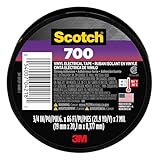
I stood there, staring at the mess. A rogue screwdriver slip, a gouge in the drywall, and suddenly my brain went into overdrive. “Electrical tape!” I thought. It’s sticky, it’s black, it’s… well, it’s tape. But then I paused. Can electrical tape actually be used on painted walls without turning into a sticky, paint-peeling disaster? My initial instinct was a resounding ‘no,’ but desperation makes you consider strange things. So, I decided to put it to the test, because let’s be honest, sometimes you just need a quick fix, and you don’t want to be lied to by some glossy magazine article telling you only fancy plaster will do.
Over the years, I’ve bought my fair share of ‘miracle’ repair products that promised the world and delivered a sticky, lumpy mess. This experience with electrical tape on painted walls felt like another one of those moments where I was about to learn a hard lesson.
The Sticky Truth: Does It Even Work?
Look, let’s cut to the chase. Can electrical tape be used on painted walls? Technically, yes. You can stick it to almost anything. But should you? That’s a whole different kettle of fish. My first thought was about those DIY videos where people slap tape on everything from leaky pipes to cracked phone screens. It’s the go-to for a quick fix, right? Wrong. Or at least, not entirely right when it comes to your walls.
I remember one time, I had a tiny hole in the plaster from a picture hook that decided to give up the ghost. It wasn’t a huge deal, but it was right above the sofa, and I was expecting guests. My toolbox was… somewhere. All I had handy was a roll of that classic black electrical tape.
I figured, “Hey, it’s just for a day, I’ll peel it off before anyone notices.” Big mistake. HUGE.
When I went to remove it later, it didn’t just peel off. Oh no. It took a good chunk of the surrounding paint with it, leaving a patchy, unsightly border where the tape used to be. It looked like a giant, sad black Band-Aid that had been left on too long and gotten all crusty.
Electrical tape is designed for, well, electrical insulation. Its adhesive is formulated to stick firmly to wires and other electrical components, often in less-than-ideal environments (think damp basements or hot attics). It’s built for grip and durability in that context. When you slap it on a painted wall, you’re introducing a strong adhesive to a relatively delicate surface. Paint, especially latex-based paint, isn’t exactly known for its super-strong bond to drywall. The adhesive in electrical tape, while great for its intended purpose, can easily overpower the bond between the paint and the wall. This means when you try to remove it, you’re not just removing tape; you’re often removing paint too.
It’s like trying to use a crowbar to open a delicate jewelry box. Sure, it could get it open, but you’re going to break a lot more than you intended. The tape’s aggressive adhesive, combined with its often vinyl-like texture, can also leave behind a sticky residue that’s a nightmare to clean off without damaging the paint further. I’ve spent hours scrubbing at residue with Goo Gone and even rubbing alcohol, only to find I’ve dulled the sheen of the paint or created a new, lighter patch. It’s a lose-lose situation more often than not.
So, while the answer to ‘can electrical tape be used on painted walls?’ is a technical yes, the practical answer for anyone who cares about their paint job is a pretty firm no. There are far better, less destructive ways to handle wall repairs, even minor ones. Don’t be like me and learn the hard way.
What to Look for (and Avoid) in Wall Repair Tape
Alright, so we’ve established that standard electrical tape is generally a bad idea for painted walls. But what should you be looking for if you need some kind of tape-like solution for a minor wall blemish, or perhaps for masking purposes? This is where understanding the properties of different tapes becomes important. It’s not just about stickiness; it’s about the type of adhesive, the material of the tape itself, and its intended use.
When you’re eyeing up a roll of tape for wall-related tasks, you want something that prioritizes removability and paint-friendliness over brute-force adhesion. Think of it like this: you want a gentle handshake, not a vise grip. For masking off areas before painting, painter’s tape is the undisputed king. It comes in various strengths, from delicate surfaces to exterior use, but the common thread is that it’s designed to adhere well enough to create a clean line and then release without ripping off your freshly painted (or existing) walls. Look for terms like ‘low tack’ or ‘delicate surface’ painter’s tape if your walls are particularly sensitive or you’ve recently painted. (See Also: Can I Use Electrical Tape To Connect Wires )
If you’re dealing with a tiny hole or crack and need something to temporarily cover it before a proper repair, you’re generally better off using spackle or drywall compound. However, if you absolutely must use a tape, consider options like masking tape specifically designed for low residue. Even then, test it in an inconspicuous spot first. I’ve found that some cheaper masking tapes can still leave a gummy film behind, especially if left on for more than a day or two or exposed to heat or humidity.
What you want to avoid at all costs for painted walls are tapes with aggressive adhesives. This includes standard duct tape (unless you plan on repainting that section anyway), packing tape, and, as we’ve discussed, most types of electrical tape. These are designed for strength and permanence, not for gentle application and removal from delicate surfaces like painted drywall. Their adhesives are often solvent-based or rubber-based, which are notoriously difficult to remove cleanly and can eat away at paint or leave a greasy stain.
I once tried using some heavy-duty ‘all-weather’ tape on a small patch of peeling wallpaper. Sounded like a good idea, right? Waterproof, super strong. Well, it held the peeling edge down, but when I decided to actually fix the wallpaper properly a week later, the tape had bonded to the wallpaper and the paint underneath in a way that defied all logic. Removing it felt like performing surgery with a cheese grater. It was a sticky, paper-shredding nightmare. The key takeaway here is that the stronger the tape claims to be, the more likely it is to cause damage to painted surfaces.
When in doubt, always opt for products specifically designed for home improvement and painting. Specialty tapes for wall repair or painting exist for a reason, and they are formulated to work with, not against, your wall’s finish. Don’t let the convenience of a roll of black tape lure you into a world of paint-related headaches. It’s often worth spending a few extra bucks on the right tool for the job.
The Real-World Use Cases (and Misuses)
So, where does electrical tape shine, and where does it get a bad rap? Let’s get down to brass tacks. You’ve heard me rant about its unsuitability for painted walls, but that doesn’t mean it’s useless. Electrical tape is a workhorse in its intended domain. Its primary job is to insulate electrical connections, preventing shorts and protecting exposed wires. It’s stretchy, durable, and offers a decent level of electrical resistance and moisture protection.
I’ve used it countless times to secure wire nuts, cover stripped wire ends before shoving them into a junction box, and even to temporarily patch a frayed cord on a tool until I could get a proper replacement. In those scenarios, the tape’s adhesion is a feature, not a bug. It needs to stay put and provide a protective barrier. I’ve had cords that have seen better days, where the outer insulation was starting to crack, and a few wraps of good quality electrical tape kept them safe and functional for years. I remember a particularly nasty incident with a faulty lamp cord in my workshop; a quick wrap of electrical tape stopped the sparking, and it held up until I could replace the entire cord the next weekend.
However, the ‘misuse’ aspect is where things get dicey. People see ‘tape’ and think ‘universal fix.’ This leads to the common pitfalls we’ve discussed: using it for masking, for covering holes, or as a quick aesthetic fix. The fundamental misunderstanding is about adhesion versus surface integrity. Electrical tape’s adhesive is designed to bond strongly to non-porous, often conductive surfaces, and to withstand temperature fluctuations. Painted walls, especially latex paint, are porous to a degree and have a much weaker inherent bond to the substrate than copper wire does to its insulation.
A classic misuse I’ve seen friends do is using electrical tape to mark things. “Oh, I’ll just put a strip here to show where the shelf bracket goes.” A week later, the paint is gone. Another common one is the ‘temporary fix’ for a small crack. Someone might tape over a hairline crack to stop dust from coming out, thinking it’s harmless. Again, the strong adhesive just pulls paint off when removed. It’s like trying to patch a leaky tire with a postage stamp – it might look like it’s doing something for a minute, but it’s not the right tool for the job and will likely make things worse in the long run.
The problem is compounded by the sheer variety of paints and wall finishes out there. A matte finish might be more forgiving than a high-gloss or semi-gloss finish, which have a tougher, less porous surface that might actually hold the tape’s adhesive better initially, but when it does fail, it can peel off in large, catastrophic sheets. Conversely, a very flat, chalky paint might absorb the adhesive, making it harder to remove cleanly without leaving residue or pulling up the paint itself.
So, to recap the real-world applications: great for its intended electrical purpose, a terrible idea for painted walls. Stick to what it’s good at, and use dedicated products for home maintenance. It’s not a matter of ‘can you,’ but ‘should you,’ and the answer for painted walls is a resounding ‘no.’ (See Also: Can Electrica Tape Catch On Fire )
Common Mistakes and How to Avoid Them
Let’s talk about the blunders. We’ve all made them, especially when we’re in a pinch and just want something to work. The biggest mistake people make regarding electrical tape and painted walls is assuming that because it’s tape, it will behave like other tapes they’ve used successfully. This usually comes down to a few key errors:
Mistake 1: Not Testing First. This is HUGE. Before you slap that black tape onto your living room wall, even for a few hours, find a hidden spot – behind a piece of furniture, inside a closet door, or on the back of a utility panel. Apply a small piece, leave it for a few hours (or even a full day, depending on your intended duration), and then remove it. See what happens. Does it peel cleanly? Does it leave residue? Does it pull paint? This simple test can save you a world of pain and a costly repaint.
Mistake 2: Believing ‘Temporary’ Means Harmless. Just because you plan to remove the tape soon doesn’t mean it won’t cause damage. The longer tape sits, especially in fluctuating temperatures or humidity, the more its adhesive can ‘cure’ or bond more aggressively to the surface. A few hours might be fine on some paints, but leaving it for days or weeks is asking for trouble. I learned this the hard way when I used electrical tape to hold up a banner for a party. I took it down the next morning, and the paint came with it. It was meant to be for just 24 hours!
Mistake 3: Using the Wrong Type of Electrical Tape. Not all electrical tapes are created equal. Some are designed for higher temperatures, some are more flexible, and some have tackier adhesives. However, the fundamental issue remains: they are designed for electrical insulation, not wall décor. Even the ‘best’ electrical tape for electrical work is likely to cause issues on paint. Don’t be fooled by fancy branding or claims of ‘superior adhesion’ on the electrical tape itself; that superior adhesion is exactly what makes it a problem for your paint.
Mistake 4: Trying to Cover Imperfections. This is a big one for homeowners. Seeing a small ding or scratch and reaching for the electrical tape as a quick cover-up. It’s a visual distraction, sure, but it’s a ticking time bomb for your paint job. The tape’s color and texture are also usually a dead giveaway that it’s not a proper repair. It screams ‘emergency fix’ louder than any actual repair would.
Mistake 5: Forgetting About Residue. Even if the tape doesn’t pull off paint, it can leave a sticky, gummy residue behind. This residue can attract dirt, making the spot look worse than before, and can be incredibly difficult to remove without damaging the underlying paint sheen. I’ve tried everything from mineral spirits to nail polish remover, and often, the best you can do is a very careful scrub that still dulls the finish.
To avoid these pitfalls, always prioritize products specifically designed for your task. For wall repairs, use spackle or drywall compound. For painting, use painter’s tape. For electrical work, use electrical tape. It’s about understanding the purpose and properties of each material. If you’re ever in doubt, a quick online search for the specific task (e.g., “best tape for painting delicate surfaces”) will yield much better results than defaulting to the nearest roll of black tape.
Alternatives for Wall Repair and Protection
Given the extensive drawbacks of using electrical tape on painted walls, it’s clear we need to look at better alternatives. Thankfully, the market is flooded with products designed for exactly these situations, and they work far better. Let’s break down what you should be reaching for instead.
For covering small holes or cracks, your absolute best friend is going to be spackle or drywall joint compound. For minor dings and nail holes, a small tub of pre-mixed spackle is incredibly easy to use. You just scoop a little out with a putty knife, spread it smoothly over the imperfection, let it dry (which usually takes less than an hour for small jobs), and then sand it flush with the wall. You’ll barely be able to tell there was ever a hole there. For larger cracks or damage, you might need drywall tape and a larger container of joint compound, but the principle is the same: fill, sand, and paint.
When it comes to protecting surfaces during painting, painter’s tape is the only way to go. As I mentioned, it comes in different strengths. For standard walls and trim, a medium-tack blue painter’s tape is usually perfect. If you have very delicate surfaces, like old wallpaper or freshly painted walls that are still curing, look for ‘delicate surface’ or ‘low tack’ painter’s tape. (See Also: Can I Substitute Duct Tape For Electrical Tape )
These are designed to adhere just enough to create a seal but release with minimal pull. I recently repainted a room with a slightly textured finish, and the regular blue painter’s tape worked like a charm, leaving razor-sharp lines with no bleed-through and no peeling paint upon removal. The cost difference between electrical tape and good painter’s tape is negligible, and the results are night and day.
If you’re dealing with a situation where you need to temporarily cover something for aesthetic reasons, and a proper repair isn’t feasible immediately, consider masking tape. However, be very picky about the brand. Some masking tapes are much better than others at leaving minimal residue. Test a small piece first in an inconspicuous area. Some brands are designed for crafts or temporary labeling and might be suitable for short-term use, but always check the packaging for claims about residue or paint safety.
For reinforcing small tears or cracks in drywall before patching, drywall tape (either paper or fiberglass mesh) is the standard. You apply it over the crack with joint compound, embed it firmly, and then apply more compound over it. This creates a strong, smooth repair. It’s not tape in the sense of electrical tape, but it’s tape used in a repair context, and it’s designed for drywall.
Here’s a quick rundown of what to use when, instead of reaching for that black roll:
| Problem | Recommended Solution | Verdict |
|---|---|---|
| Small nail holes, dings, minor cracks | Spackle or Drywall Joint Compound | Excellent. Easy to use, sands smooth, paints perfectly. |
| Protecting trim/edges when painting | Painter’s Tape (various strengths) | Key. Creates clean lines, removes cleanly. |
| Temporary covering of a non-structural blemish | High-quality Masking Tape (test first) | Okay for short-term, but test for residue. |
| Reinforcing drywall cracks before patching | Drywall Tape (paper or mesh) | Standard and effective for structural repairs. |
| Electrical insulation/wire connection | Electrical Tape | Perfect for its intended use. DO NOT use on walls. |
Choosing the right product isn’t about being a perfectionist; it’s about being smart and avoiding unnecessary work and expense down the line. Trust me, your walls (and your future self) will thank you.
People Also Ask: Is Electrical Tape Bad for Paint?
Yes, electrical tape is generally bad for paint. Its adhesive is formulated to be strong and can easily pull paint off the wall when removed, especially latex-based paints which have a less solid bond. It can also leave behind sticky residue that’s difficult to clean without damaging the paint finish further. It’s designed for electrical insulation, not for temporary application on painted surfaces.
People Also Ask: Can I Use Duct Tape on Painted Walls?
No, you should not use duct tape on painted walls. Duct tape has an extremely aggressive adhesive designed for heavy-duty applications. It will almost certainly rip paint off the wall upon removal, potentially taking drywall paper with it. It will also likely leave a stubborn sticky residue that is very difficult to clean without causing more damage to the paint.
People Also Ask: What Tape Won’t Damage Paint?
The best tape that won’t damage paint is painter’s tape. Look for varieties like low-tack or delicate surface painter’s tape if your paint is freshly applied or particularly sensitive. These tapes are specifically designed to adhere well enough for masking but remove cleanly without lifting the paint. Always test in an inconspicuous area first if you’re unsure.
Conclusion
So, the verdict is in: while you can physically stick electrical tape to painted walls, it’s a terrible idea if you want your paint job to survive. The aggressive adhesive is the main culprit, promising a quick fix but often delivering a sticky mess and a need for a much bigger repair job. I learned this the hard way, and I’m just trying to save you the trouble and the repaint costs.
There are plenty of purpose-built products out there, from spackle for filling holes to painter’s tape for clean lines. They are designed for the job, they work, and they won’t leave you crying over peeling paint. Don’t let the convenience of that black roll trick you into creating more work for yourself.
Next time you face a small wall imperfection or need to protect an edge, reach for the right tool. It’s a simple step that makes all the difference.