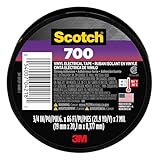
I’ve seen it all, man. Stuff that looks good on the shelf, smells like a dream, and then turns to goo in the sun after a week. Electrical tape is one of those things. Everyone thinks it’s this magic bullet for quick fixes, and sure, for a few hours in your garage, maybe. But then you’re out there, wrestling with a busted tent pole in a sudden downpour, and you think, ‘Can electrical tape be used outdoors?’ I’ve been there, and let me tell you, the answer isn’t as simple as a ‘yes’ or ‘no’. It depends on what you’re trying to tape, how long you need it to last, and whether you enjoy coming back to a sticky mess.
I’ve wasted my fair share of cash on rolls that promised the world and delivered a gummy disaster. I’ve learned the hard way what holds and what just… gives up. This isn’t about corporate jargon; it’s about getting your hands dirty and knowing what actually works when the weather turns foul or the sun beats down.
Does Basic Electrical Tape Even Stand a Chance Outside?
Let’s cut to the chase: if you’re talking about the cheap, generic electrical tape you grab from the corner store, the answer to ‘can electrical tape be used outdoors’ is usually a resounding ‘hell no,’ at least for anything more than a temporary, get-you-home kind of fix. I remember one time, I was on a camping trip, and a strap on my backpack decided to call it quits. I slapped some standard black electrical tape around it, feeling pretty smug about my quick thinking. By the next morning, after a dewy night and some direct sun, that tape had stretched, warped, and was basically a sticky, useless mess. It looked like a melted licorice whip.
The core problem with most basic electrical tapes is their composition. They’re typically made from PVC (polyvinyl chloride) as the backing and a rubber-based adhesive. While PVC offers some basic flexibility and insulation, it’s not exactly built for the abuse of constant UV exposure, extreme temperature swings, or moisture.
The adhesive, especially, can break down. UV rays degrade the polymers, making it brittle or, as I experienced, melty. Moisture can seep under the edges, loosening the grip and allowing dirt and debris to get in, further compromising the bond.
So, if you’re thinking about patching a garden hose that’s exposed to the sun all day, or securing something on your car that sits in a parking lot, that roll of tape from the bargain bin is going to disappoint you. It’s more suited for indoor electrical wiring where it’s protected and out of the elements.
I’ve seen folks try to use it for everything – sealing leaky gutters, temporary repairs on outdoor furniture, even trying to reinforce a broken shovel handle. Ninety-nine percent of the time, it fails spectacularly within a short period. It becomes brittle, cracks, or simply slides off. It’s like trying to build a fort out of tissue paper in a hurricane. You need something with more backbone, something designed to take a beating. This is where the nuance comes in, because not all electrical tape is created equal, and some specialized versions might surprise you, but the common stuff? Leave it indoors.
When Does ‘outdoor Use’ Get Tricky?
Outdoor use isn’t just a single condition; it’s a whole cocktail of environmental assaults. When I’m out in the wild, whether I’m setting up camp, working on my bike, or just trying to keep my gear from falling apart, I’m constantly battling the elements. The sun’s UV rays are a major killer of adhesives and plastics. You can’t see them working, but they’re slowly degrading whatever you’ve wrapped.
Then you have temperature fluctuations. What might hold okay when it’s 70 degrees Fahrenheit can become brittle and crack when it dips to freezing, or turn into a gooey mess when it hits 100 degrees Fahrenheit in the shade. Moisture, whether it’s rain, dew, or condensation, is another enemy. It can weaken the adhesive bond, allowing the tape to peel or slip.
Think about it: if you’re using tape to secure a tarpaulin over some firewood, that tarp is going to be flapping in the wind, getting rained on, baked by the sun, and potentially freezing at night. Standard electrical tape will likely fail within days, if not hours, turning into a sticky, stringy disaster that makes your tidy firewood pile look like it was attacked by a rogue slug. I once tried to use it to temporarily fix a ripped seam on a patio umbrella. It looked okay for about two days before the adhesive started to ooze, and the tape itself began to peel away like sunburnt skin.
It was embarrassing, honestly. This is why the question, ‘can electrical tape be used outdoors,’ really hinges on the specific conditions and the desired longevity of the repair.
Beyond direct sun and rain, you’ve got abrasion. If the taped item is going to be rubbed against anything – like a rope against a tent pole, or a bike frame – the tape will wear away quickly. The flexibility of basic electrical tape is often its downfall in these scenarios.
It can stretch and deform under pressure, offering little in the way of durable protection. So, when you’re considering using electrical tape outside, ask yourself: what are the primary environmental factors it will face, and how long do I need it to last? If the answer involves significant sun, rain, wind, extreme temperatures, or abrasion, you’re probably better off looking at more specialized solutions.
For anything truly solid, generic electrical tape just doesn’t have the fortitude. (See Also: Can I Use Electrical Tape To Connect Wires )
Specialty Tapes: The Real Outdoor Contenders
Alright, let’s talk about the tapes that actually can handle the great outdoors. While your basic black electrical tape is a no-go for serious outdoor use, there are specialized tapes designed specifically for these conditions. My go-to for anything that needs to be rugged and weather-resistant is a good quality self-fusing silicone tape. This stuff is wild.
It’s not sticky in the traditional sense; when you stretch it and wrap it tightly around itself, the layers fuse into a solid, waterproof, and incredibly durable rubbery mass. I’ve used it to repair split fuel lines on my old ATV, to create a watertight seal on a leaky kayak hatch, and even to reinforce the handle of my shovel after it started to splinter. It handles UV, extreme temperatures, and water like a champ.
It costs more, sure, but it actually works and lasts. I figured I spent about $30 on a roll of good silicone tape, and it’s still going strong after two years of various repairs, which is way cheaper than replacing the parts it fixed.
Then there’s Gorilla Tape or similar heavy-duty duct tapes. Now, I know what you’re thinking – duct tape is so basic. But the good stuff, the reinforced versions, can hold up surprisingly well outdoors for a decent amount of time, especially if you’re not expecting it to last forever.
I’ve used it to patch a torn tent fly in a pinch, secure a broken bike rack temporarily, and even to hold a cracked windshield in place on a long drive before I could get it repaired. It’s not as clean or as permanent as silicone tape, and the adhesive can get gummy in intense heat, but it offers a much better initial hold and a decent level of water resistance compared to regular electrical tape. The key here is ‘heavy-duty’ and ‘reinforced.’ The cheap, thin duct tape will disintegrate.
I also need to mention VHB (Very High Bond) tape from 3M. This stuff is industrial strength. It’s a double-sided acrylic foam tape that creates an incredibly strong, permanent bond.
It’s often used in construction and automotive applications. If you need to permanently attach something outdoors – like mounting a solar panel to a roof or securing trim on an RV – VHB tape is the way to go.
It’s designed to withstand weather, temperature changes, and vibration. It’s not for temporary fixes, though; once it’s on, it’s on. So, while the initial question is ‘can electrical tape be used outdoors,’ the real answer for reliable, long-term outdoor solutions lies with these more specialized tapes. They’re engineered for the job, unlike the generic stuff.
Here’s a quick rundown of what I typically reach for, depending on the situation:
| Tape Type | Outdoor Suitability | Pros | Cons | My Verdict |
|---|---|---|---|---|
| Standard Electrical Tape (PVC/Rubber Adhesive) | Poor (temporary, protected use only) | Cheap, readily available, flexible | Degrades in UV/heat/moisture, adhesive fails | Avoid for any serious outdoor application. |
| Self-Fusing Silicone Tape | Excellent | Watertight, UV resistant, high temp, insulating, no sticky residue | Can be tricky to apply perfectly, more expensive upfront | My top choice for durable, waterproof repairs. |
| Heavy-Duty Duct Tape (Reinforced) | Good (moderate term) | Strong adhesion, good initial hold, water-resistant | Can leave residue, adhesive can soften in extreme heat, not for permanent structural fixes | Great for quick, reliable temporary fixes. |
| VHB Tape (3M) | Excellent (permanent) | Extremely strong bond, weather/temp/vibration resistant, clean look | Permanent, requires clean surfaces, can be difficult to remove | For permanent outdoor mounting and repairs where failure is not an option. |
Common Mistakes When Using Tape Outdoors
One of the biggest mistakes I see people make, and honestly, something I’ve done myself when I was greener, is assuming all tape is created equal when it comes to outdoor use. The question ‘can electrical tape be used outdoors’ often comes up because people have a roll of it handy, and it seems like a quick fix. But you slap that standard electrical tape on something that’s going to sit in the sun all day, and you’re setting yourself up for disappointment. The adhesive will become tacky and ooze, or the tape itself will become brittle and crack.
I once tried to ‘waterproof’ a junction box on my outdoor patio lights with regular electrical tape. Within a month, the tape was peeling, the adhesive was a mess, and water had already started to corrode the connections inside. Big oops.
Another common error is not preparing the surface properly. Even with the best tapes, if you’re trying to stick them to a dirty, greasy, or wet surface, they won’t adhere well. For any outdoor repair, cleaning the area thoroughly is a must. I usually wipe it down with isopropyl alcohol to remove any oils or grime. This is especially true for tapes like VHB, which rely on a super clean surface for their formidable bond. If you skip this step, you’re basically asking the tape to hold onto dirt, not the actual surface, and that bond will fail under stress or weather.
People also tend to underestimate the power of UV radiation and temperature extremes. They might apply tape on a cool, cloudy day and think it’s holding perfectly, only for it to fail when the sun comes out and heats everything up, or when a frost hits. For instance, using standard electrical tape to secure a temporary patch on a car’s exterior trim will almost certainly lead to the tape sagging and leaving a sticky residue once the sun bakes it. (See Also: Can Electrica Tape Catch On Fire )
I’ve learned to always consider the long-term environmental exposure. If the item is going to be outside, it’s going to face the elements. My rule of thumb now: if it’s going to be exposed to direct sunlight for more than a few hours, or subject to rain or significant temperature swings, regular electrical tape is out.
Consider the flexibility and longevity needed. Is it a quick fix for an hour, or a repair that needs to last for weeks or months?
The answer dictates the tape choice.
Real-World Applications: Where Tape Actually Shines Outdoors
Okay, so where can tape actually be useful outdoors, assuming you’re picking the right kind? For me, it’s often about quick, temporary fixes that get me out of a bind. For instance, if a cord on my camping gear frays, a few wraps of good quality, UV-resistant tape (like a specialized outdoor-rated electrical tape or even a tough duct tape) can prevent it from getting worse until I get home.
This isn’t about making it look pretty; it’s about functionality and preventing further damage. I’ve also used reinforced duct tape to create a temporary anchor point for a tarp when a grommet ripped out. It’s not going to hold through a gale, but for a light breeze or to keep the rain off while I’m packing up, it does the job.
The key here is managing expectations; it’s a stopgap, not a permanent solution.
Another area where tape can be surprisingly effective is in protecting sensitive parts of gear from the elements. Think about wrapping the ends of tent poles with a bit of waterproof tape to prevent water from getting inside and making them soggy, or taping up the openings of ski boot buckles to keep snow and ice out. I’ve even used self-fusing silicone tape to create a temporary seal around a leaky bike frame bag that needed to keep my electronics dry during a long ride through patchy rain. It’s not glamorous, but it prevents equipment failure when you’re miles from anywhere. It’s about using the tape’s properties – adhesion, water resistance, flexibility – to solve immediate, practical problems.
I also use tape for marking and identifying things outdoors. Think about wrapping different colored electrical tape around tent stakes or guy lines so they’re more visible in low light, or marking a specific trail or hazard.
While this isn’t about structural integrity, it’s a functional use of tape that benefits from its adhesive nature and durability, especially if you choose a tape with some UV resistance so the color doesn’t fade immediately. For instance, I have a set of brightly colored electrical tapes that I use to color-code my camping equipment.
It makes it super easy to grab the right tent bag or identify my cooking pot when everything looks similar in the dim light of dawn. This is a legitimate, practical use that often gets overlooked when people are focused on heavy-duty repairs.
What to Look for When Buying Tape for Outdoors
When you’re out there in the elements, and you need tape that won’t bail on you, you have to look beyond the generic stuff. The first thing to check is the label.
Does it explicitly mention outdoor use, UV resistance, or all-weather capabilities? If it’s just labeled ‘electrical tape’ without any further qualification, assume it’s for indoor use only. I’ve learned to be suspicious of anything that doesn’t have clear specifications. For outdoor applications, I’m looking for tapes that can handle a wide temperature range, typically something like -20°F to 170°F (-29°C to 77°C) or even wider.
This tells you it’s less likely to become brittle in the cold or melt in the heat. This specification is often found on the packaging or the manufacturer’s website. (See Also: Can I Substitute Duct Tape For Electrical Tape )
UV resistance is another huge factor. Look for tapes that specifically state they are UV-resistant. This means the material itself, usually the backing, is formulated to withstand degradation from sunlight.
Standard PVC electrical tape will chalk and crack under prolonged UV exposure. For something like repairing a patio awning or securing a boat cover, you need tape that won’t turn to dust after a few weeks in the sun.
Materials like silicone, certain acrylics, or specially treated vinyls are better for this. I once bought a roll of tape that claimed to be ‘weatherproof,’ but after a couple of months on my outdoor shed, the sun had turned it into a cracked, peeling mess.
‘Weatherproof’ can mean a lot of things, so I always look for ‘UV resistant’ or ‘all-weather’ as more specific indicators.
Water resistance and adhesion in damp conditions are also key. If your repair needs to withstand rain, dew, or humidity, the adhesive needs to be formulated to maintain its grip even when wet. Some tapes are designed to be applied to dry surfaces and then become water-resistant, while others might actually bond better with moisture (like self-fusing silicone tape).
When in doubt, check the manufacturer’s data sheets. They often have detailed information about the tape’s performance in various conditions. I’ve saved myself a lot of headaches by taking a few extra minutes to research a tape’s specs before buying.
It’s about understanding that not all tapes are built the same, and the ones designed for outdoor resilience will have specific features that regular electrical tape simply lacks.
Can Electrical Tape Be Used to Fix a Leaky Garden Hose?
Generally, no, standard electrical tape is not a good long-term solution for a leaky garden hose that’s exposed to the sun and elements. The UV rays and temperature fluctuations will degrade the tape and adhesive quickly, leading to leaks again. For a temporary fix, you might get a few days, but it will likely fail. Consider a dedicated hose repair tape or a waterproof epoxy for a more durable solution.
Will Electrical Tape Stick in Cold Weather?
Standard electrical tape’s adhesive can become stiff and lose its tackiness in cold weather, making it difficult to apply and less likely to bond effectively. It can also become brittle and crack if it’s flexed or stressed in freezing temperatures. Specialized tapes designed for cold weather application or extreme temperature ranges are a much better choice if you need a reliable fix in cold conditions.
Is Electrical Tape Waterproof for Outdoor Use?
While many electrical tapes offer some degree of water resistance for short periods, they are not typically considered fully waterproof for sustained outdoor use. Moisture can eventually seep under the edges, weakening the adhesive and compromising the seal, especially if the tape is stretched or damaged. Self-fusing silicone tapes or specialized waterproof repair tapes are far more reliable for true waterproofing outdoors.
How Long Does Electrical Tape Last Outdoors?
Standard electrical tape can last anywhere from a few days to a few weeks outdoors before significant degradation occurs. Exposure to UV sunlight, heat, cold, and moisture will cause it to become brittle, crack, stretch, or lose its adhesive properties. For longer-lasting outdoor applications, you need tapes specifically rated for UV resistance and all-weather performance.
Final Verdict
So, can electrical tape be used outdoors? For quick, indoor-adjacent fixes or very temporary, low-stakes jobs, maybe. But if you’re looking for something that’s going to hold up against the sun, rain, and temperature swings, you’re asking the wrong tape. You’ll end up with a sticky mess and a failed repair.
My honest advice? Save your money and your frustration. Invest in tapes that are actually designed for outdoor abuse. Whether it’s self-fusing silicone tape for a solid waterproof seal or a heavy-duty duct tape for a quick wrap, choose wisely. Your future self, standing in the rain with a broken piece of gear, will thank you.
Next time you’re tempted to grab that cheap roll, take a minute to think about what you’re really asking it to do out there. Is it worth the gamble?