Alright, let’s cut to the chase. You’ve got a wire that’s looking a bit frayed, maybe a loose connection that’s sparking a tiny bit, and your brain immediately goes to that silver roll of magic in your toolbox: duct tape. It fixes everything else, right? So, can duct tape be used like electrical tape? I’ve been there, staring at that wire, roll in hand, wondering if I was about to save myself a trip to the store or cause a whole heap of trouble.
I’ve seen folks swear by it for quick fixes, and I’ve also seen some truly terrifying electrical mishaps where duct tape was the supposed hero. It’s a question that pops up in garages, workshops, and even during DIY home repairs. The truth isn’t as simple as a yes or no, and understanding why is key to not turning a small problem into a five-alarm fire.
Look, I’m going to be blunt: duct tape is not electrical tape. Not even close. The common advice you’ll find everywhere, and I mean everywhere, is that you absolutely should not use duct tape for electrical insulation. And for the most part, they’re right.
But that doesn’t stop people, and it doesn’t stop me from wondering if, under a very specific, very temporary, ‘get-out-of-jail-free’ kind of situation, it could function. My own experience with this whole can duct tape be used like electrical tape debate started with a busted taillight on my old pickup truck.
The plastic housing had cracked, exposing some wires, and it was raining. I didn’t have any proper electrical tape, but I had a roll of that classic grey stuff. I slapped it on, thinking it was a temporary fix.
It held the plastic together and seemed to cover the wires. For about three days, it worked. Then, one particularly humid morning, I noticed a faint smell of burning plastic.
Turns out, the moisture had gotten through, and the tape had started to degrade, leading to a short. I learned a valuable, albeit smoky, lesson that day.
Why Duct Tape Fails Where Electrical Tape Excels
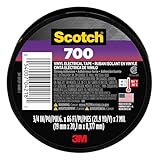
The fundamental difference boils down to materials and intended purpose. Electrical tape is specifically designed to insulate wires, preventing short circuits and protecting against electrical shock. It’s typically made from vinyl (PVC) and has a strong adhesive that remains flexible and doesn’t break down under voltage or temperature changes. The vinyl itself is non-conductive, providing a reliable barrier. Think of it like a tailor-made suit for your wires – precise, protective, and built for the job.
Duct tape, on the other hand, is a general-purpose adhesive tape. Its strength comes from a woven cloth backing, usually cotton, saturated with a rubber-based adhesive.
While the adhesive might stick like a barnacle and the fabric offers some physical protection, it’s not designed to be an electrical insulator. The adhesive can break down when exposed to heat generated by electricity, and the cloth backing, while strong, isn’t inherently non-conductive. It’s more like a superhero costume – looks tough, can do a lot of things, but isn’t specialized for every single scenario. Trying to use it for electrical work is like trying to use a hammer to screw in a bolt; you might get it in eventually, but it’s the wrong tool and could cause damage.
So, when you’re looking at that exposed wire, the question isn’t just about whether duct tape sticks, but whether it can safely prevent electrical conductivity. Electrical tape has a dielectric strength, meaning it can withstand a certain amount of electrical voltage before it breaks down. Duct tape? Not so much. Its dielectric strength is negligible, and any moisture that seeps through the fabric can create a conductive path. That’s the real danger.
When ‘temporary’ Means ‘potentially Dangerous’
I’ve heard the arguments. ‘It’s just for a few hours,’ or ‘It’s in a low-voltage area.’ (See Also: Can I Use Electrical Tape To Connect Wires )
And sure, maybe you’ll get away with it. I’ve seen guys jury-rigging all sorts of things with duct tape on job sites for quick, non-important applications. But here’s the deal: electricity doesn’t care if your fix is temporary or if you’re in a hurry. It just follows the path of least resistance.
That path can easily become the duct tape you just slapped on. The heat generated by a faulty connection, even a small one, can melt the adhesive on duct tape, allowing it to ooze and fail.
Over time, UV exposure, temperature fluctuations, and moisture ingress can all degrade the tape, turning your ‘quick fix’ into a ticking time bomb.
I remember a buddy of mine who used duct tape to temporarily repair a frayed power cord on his shop vacuum. He was cleaning up sawdust, needed to finish a small job, and figured it was fine. A couple of weeks later, he was vacuuming up some fine dust, and there was a spark, then a small electrical fire.
Thankfully, it was contained quickly, but his vacuum was toast, and he got a nice little burn on his hand from reaching for it. The duct tape had failed. It had looked okay on the outside, but the internal fibers had likely absorbed some moisture and the adhesive had weakened from the heat cycles.
This wasn’t a high-voltage situation by any means, just a standard 120V appliance cord. It really hammered home the point that ‘temporary’ can quickly become ‘permanent disaster’ when you mess with electricity.
The common advice is usually to avoid it entirely. And if you’re doing any kind of permanent repair, or if the connection carries significant voltage or current, or if it’s in an environment where it could get wet or hot, then absolutely, do not use duct tape. Electrical tape is cheap. A roll of good quality electrical tape is usually under $5. The cost of a new appliance, the potential for a house fire, or a nasty shock? That’s a price you don’t want to pay.
Is Duct Tape Safe for Low-Voltage Applications?
For most low-voltage applications, like speaker wires or certain types of sensor cables, duct tape might seem like it could work. It can offer some physical protection and might even hold the insulation together for a short period. However, even in low-voltage scenarios, the adhesive can degrade, and moisture can still find its way through. If the wire is subjected to any movement, vibration, or temperature changes, the duct tape is likely to fail. Electrical tape, even for low-voltage, offers a much more reliable and durable solution. It’s always better to use the right tool for the job, and for electrical work, that tool is electrical tape.
The Real Deal on What to Look For
So, if you’re staring down a wire that needs wrapping, what should you actually be looking for? First off, you need actual electrical tape. Don’t mess around. Look for tapes that are specifically labeled as ‘electrical tape’ or ‘insulating tape.’ Reputable brands will usually specify their voltage rating and temperature range. Common electrical tapes are made of PVC, and they’re designed to stretch and conform to irregular shapes without losing their adhesive properties or insulating capabilities. They’re also typically flame-retardant, which is a huge bonus for safety.
When you’re shopping, you’ll see different types. The most common is your everyday black electrical tape. This is usually good for general-purpose electrical insulation up to about 600 volts. It’s flexible and has good adhesion. Then there are higher-grade tapes, often in different colors (like red, blue, or yellow), which are designed for higher voltages or more demanding environments. These might be made from different materials like rubber or specialized vinyl compounds. For most home DIY electrical fixes, the standard black PVC tape will do just fine.
A good quality electrical tape will feel slightly tacky but not overly sticky, and it will have a good amount of stretch. When you wrap it, it should conform smoothly to the wire, creating a snug, smooth layer. (See Also: Can Electrica Tape Catch On Fire )
The adhesive should hold firm without oozing out, even after a few days. I once bought a pack of super cheap, no-name electrical tape from a discount store. It looked okay, but as soon as I started wrapping a connection, it felt brittle and the adhesive was barely sticking.
Within an hour, it was peeling off. Lesson learned: stick with brands you know, or at least ones with good reviews for electrical applications. It’s worth the extra dollar or two to know it’s going to do its job safely.
What About Other Tapes?
Beyond the duct tape dilemma, people often wonder about other tapes. So, can duct tape be used like electrical tape? No. But what about other common tapes? Let’s break it down:
| Tape Type | Intended Use | Electrical Insulation? | Verdict |
|---|---|---|---|
| Duct Tape | General purpose, repairs, sealing | NO | Absolutely not for electrical work. Fails under heat and moisture. |
| Electrical Tape (PVC) | Insulating wires, bundling cables | YES (rated for specific voltages) | The standard, reliable choice. Flexible and durable. |
| Gorilla Tape | Heavy-duty repairs, extreme conditions | NO | Strong adhesive, but not an insulator. Can degrade. |
| Masking Tape | Painting, temporary holding | NO | Paper-based, weak adhesive, conducts moisture easily. |
| Packing Tape | Sealing boxes | NO | Plastic film, not designed for insulation. Adhesive can fail. |
| Friction Tape | Used under rubber tape for added insulation/grip | YES (when layered with rubber tape) | Historically used, but less common now. Not suitable alone. |
The table above really sums it up. Duct tape is great for, well, ducting things. Sealing pipes, holding tarps, temporary repairs on non-important items. But when it comes to electricity, you need something designed for the job. Electrical tape is that something. Don’t let the convenience of a roll of duct tape lure you into a dangerous situation.
Real-World Scenarios: When the Wrong Tape Causes Trouble
I’ve seen firsthand, and heard enough horror stories, to know that using the wrong tape for electrical jobs is a recipe for disaster. One classic scenario is the frayed appliance cord. Think about your toaster, your hairdryer, or even a power tool. If the outer insulation gets damaged, exposing the wires, the temptation to grab duct tape is huge. I’ve seen this happen in countless homes and workshops. Someone wraps it up, feels smug about their quick fix, and goes about their business.
The problem is, these cords flex constantly. They get warm when the appliance is running.
They might get a bit damp from steam or condensation. Duct tape’s adhesive isn’t designed for this.
It can start to break down, become gummy, and peel away. The cloth backing can absorb moisture, and suddenly, you’ve got a conductive path right where you’re least expecting it. This can lead to shocks, short circuits, or even fires.
I had a buddy’s old lamp that had a visibly worn cord. He’d wrapped it with duct tape years ago. One night, while he was reading, there was a bright flash, and the circuit breaker tripped. He unplugged it and found the duct tape had degraded and sparked, melting the plastic underneath.
He was lucky it didn’t ignite anything.
Another common pitfall is using duct tape for bundling electrical wires together, perhaps in a junction box or behind an appliance. While it might seem like it’s holding them neatly, it’s not providing any insulation between individual wires if they were to become exposed. If there’s any abrasion or damage down the line, the individual conductors could touch each other, causing a short circuit. Proper electrical tape, used correctly, would provide a layer of insulation between each wire and also secure the bundle. Using duct tape here is just a physical restraint, not a safety measure. (See Also: Can I Substitute Duct Tape For Electrical Tape )
What About Those ‘specialty’ Duct Tapes?
You might see “heavy-duty” or “extreme weather” duct tapes that claim to hold up to pretty much anything. While these are certainly tougher than your average roll and might be great for outdoor repairs, they are still fundamentally duct tapes. They have that cloth backing and are not formulated for electrical insulation. So, even if it’s designed to withstand UV rays or extreme temperatures, it’s still not a substitute for proper electrical tape when it comes to preventing electrical conductivity. The adhesive might be stronger, but the insulating properties are still not there. Stick to what’s designed for the job.
Practical Tips for Actual Electrical Work
Okay, so we’ve established duct tape is a no-go for electrical insulation. What should you do instead? First, always have a roll of proper electrical tape on hand. It’s cheap insurance. Keep a roll in your car’s emergency kit, in your kitchen drawer, and in your toolbox. When you need to insulate a wire, clean the area first. Make sure it’s dry and free of debris. Then, start wrapping the electrical tape a few inches before the damaged area, extending a few inches past it. Overlap each layer by at least half the width of the tape. This makes sure a solid, continuous insulating barrier.
Wrap the tape tightly, stretching it slightly as you go. This helps it adhere well and creates a smooth, protective layer. For more important applications or higher voltages, you might even consider using a rubber-based insulating tape first (which is self-fusing) and then wrapping that with a vinyl electrical tape for physical protection and UV resistance. This is how professionals often do it for very high-voltage applications or in harsh environments.
If you’re dealing with a damaged power cord, especially on an appliance you rely on, consider replacing the cord entirely if it’s easily replaceable. Many appliances have cords that can be unscrewed and swapped out. If it’s integrated, and the damage is significant, it might be time to consider if the appliance is worth the risk. For temporary fixes on non-important things like antenna wires or low-voltage hobby projects, electrical tape is perfectly fine. But never, ever compromise on safety when it comes to your home’s wiring or any connection that could carry significant power.
I learned this lesson the hard way when I was trying to rig up some outdoor Christmas lights. I had a few exposed wires on an extension cord, and in my infinite wisdom, I used duct tape. Come the first rain, and half my lights went out. The other half flickered ominously. I had to go out in the freezing cold and re-wrap every single connection with actual electrical tape. It took me twice as long as it would have if I’d just used the right stuff the first time. Plus, I had that nagging worry in the back of my mind the whole time about whether the duct tape was going to start a fire.
Faq: Can Duct Tape Be Used Like Electrical Tape?
Can Duct Tape Insulate Wires?
No, duct tape is not designed to insulate wires. While it might offer some very basic physical protection, its adhesive can degrade under heat and it is not inherently non-conductive. Moisture can easily penetrate the cloth backing, creating a path for electricity to flow.
Is It Safe to Use Duct Tape on Electrical Cords?
It is not safe to use duct tape on electrical cords, especially if the insulation is damaged. Electrical cords carry voltage, and duct tape can fail under heat, moisture, or physical stress, leading to short circuits, shocks, or fires. Always use proper electrical tape for cord repairs.
What’s the Difference Between Duct Tape and Electrical Tape?
Duct tape is a general-purpose adhesive tape with a cloth backing, designed for sealing and repairs. Electrical tape is made from vinyl or rubber compounds specifically formulated to be non-conductive, flexible, and resistant to heat and moisture, making it suitable for insulating electrical wires.
When Might Duct Tape Be Used in an Electrical Context?
Duct tape is generally not recommended for any direct electrical insulation. It might be used in an electrical context for non-insulating purposes, such as temporarily holding a wire bundle in place after it has been properly insulated with electrical tape, or for securing conduit or cable management systems where electrical insulation is not the primary requirement.
What Should I Use Instead of Duct Tape for Electrical Repairs?
For any electrical repair, you should use proper electrical tape. Look for tapes specifically labeled as electrical or insulating tape, typically made from PVC. For more demanding applications, consider rubber splicing tape followed by vinyl electrical tape.
Verdict
So, to wrap this up plainly: can duct tape be used like electrical tape? A hard, resounding NO. While that silver roll might seem like a miracle cure for all your problems, electricity is one area where you absolutely do not want to improvise with the wrong materials. The risks – shocks, fires, and damaged equipment – far outweigh any perceived convenience or cost savings.
My advice? Keep a good quality roll of electrical tape in your toolkit. It’s inexpensive, effective, and designed for the job. Learn how to use it properly by overlapping and stretching, and you’ll have a safe and reliable repair every time. Don’t let a cheap fix turn into an expensive, and potentially dangerous, problem down the line.
Next time you’re faced with a frayed wire, reach for the right tool. Your safety, and the integrity of your electrical systems, depend on it. What’s the worst electrical ‘fix’ you’ve ever seen someone attempt?