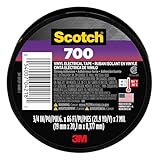
I remember staring at that freshly printed ID card, the one with my slightly awkward smile, and thinking, ‘This needs some reinforcement.’ After a few near-disasters of badges slipping out of pockets or getting scuffed on construction sites, I decided electrical tape was the answer. A quick wrap, I thought, and it’ll be invincible. Well, turns out, my ‘quick wrap’ might have done more harm than good. The question of can electrical tape damage an id badge isn’t just academic; it’s about saving your access and your wallet.
We’ve all been there, needing to protect something important, and reaching for the most readily available, seemingly sturdy solution. Electrical tape fits that bill for many of us. But before you go wrapping up every important piece of plastic you own, let’s talk about what really happens when that sticky, stretchy stuff meets your credentials.
The Sticky Truth: How Tape Can Mess with Your Badge
Alright, let’s cut to the chase. Can electrical tape damage an id badge? You bet your boots it can.
I’ve learned this the hard way, not just with ID badges, but with all sorts of things I’ve tried to “protect” with a quick application of tape. My first real “aha!”
moment came when I tried to reinforce a worn-out label on a workshop tool. I used some standard black electrical tape, thinking it would hold up to the grease and grime.
A few weeks later, when I went to peel it off to re-label, it left this stubborn, sticky residue that was a nightmare to clean. Worse, the edges of the original label looked…melty. That’s when the alarm bells started ringing in my head about what that same tape might be doing to something more delicate like an ID badge.
The issue boils down to the adhesive. Most electrical tapes, especially the cheaper ones, use a rubber-based adhesive that’s designed to be flexible and adhere to itself and irregular surfaces. Over time, and especially when exposed to heat or sunlight (like a badge hanging from your neck or clipped to a lanyard), this adhesive can break down.
When it breaks down, it doesn’t just disappear. It can leach into the plastic, discoloring it, or leaving behind that gummy residue I mentioned. For ID badges, which are often made of PVC or similar plastics, this can be a real problem. The plasticizers within the badge material can react with the chemicals in the adhesive, causing them to warp, become brittle, or develop unsightly marks.
I once had a work ID that I’d wrapped the corners of with electrical tape to prevent peeling. Six months later, the plastic around the taped areas had turned a sickly yellow and felt strangely tacky, even after I removed the tape. It looked like it had a mild chemical burn.
Then there’s the physical stress. Electrical tape is stretchy. When you wrap it tightly around a badge, you’re applying constant pressure. This pressure, combined with the chemical reactions, can cause the badge to warp or even crack over time, especially if it’s a thinner, more flexible card. I’ve seen it happen with laminates, too – the tape can pull and distort the film, leaving it bubbled and uneven. It’s not a pretty sight, and it certainly doesn’t make your badge look more professional, which is usually the point of having one.
What to Look for (and Avoid) When Protecting Your Badge
So, if you’re like me and you tend to be a bit rough on your credentials, or you just want to keep them looking pristine, what should you do? First off, forget the impulse to just slap on some electrical tape. (See Also: Can I Use Electrical Tape To Connect Wires )
It’s usually the wrong move. When looking for anything to protect your ID badge – whether it’s a lanyard holder, a wallet insert, or a protective sleeve – pay attention to the material. You want something that is designed to be inert, meaning it won’t react with the plastic of your badge. Clear vinyl or PVC sleeves are generally a safe bet, as long as they’re good quality and don’t have a strong chemical smell right out of the packaging.
The problem with electrical tape is that it’s a jack-of-all-trades, master-of-none kind of product. It’s fantastic for its intended purpose – insulating electrical wires. Its adhesive is designed to stick, to be somewhat weather-resistant, and to be relatively easy to remove (in theory). But it’s not formulated with the long-term compatibility of plastics like those used in ID cards in mind. Think about it: have you ever seen a manufacturer of ID badges recommend using electrical tape for protection? Of course not. They recommend specific types of holders or sleeves. That’s because those products are made from materials that are known to be safe for prolonged contact with your cards.
When I’m buying a new lanyard or badge holder, I always give it a good sniff. If it smells strongly of chemicals, I’m wary. That strong odor often indicates volatile organic compounds (VOCs) that can off-gas and potentially degrade plastics over time. I also look for products that are explicitly advertised as being safe for credit cards or IDs, as this usually means they’ve been tested for compatibility.
Avoid anything that feels overly sticky or greasy to the touch, even before you put your badge in it. That’s a sign the adhesive might be too aggressive or unstable. I learned this lesson buying a cheap set of plastic document holders once; they left a faint oily sheen on everything I put inside them within a week.
Common Mistakes People Make with Tape and Ids
One of the biggest mistakes I see people make is thinking that ‘just a little bit’ of electrical tape won’t hurt. They might just tape the corners, or put a small strip across the back. But even a small amount of adhesive can start to degrade the plastic over time, especially if the badge is exposed to heat or UV light. The chemicals in the adhesive don’t care if they’re touching the whole badge or just a small section; they’ll still react.
I remember seeing a colleague’s badge where they’d taped their student ID to a bus pass. The edges of the ID card were visibly discolored and brittle where the tape had been, despite the tape itself not covering much area.
Another common error is using the wrong kind of tape. Not all electrical tapes are created equal. While I’d still generally advise against using any kind of tape on your ID, some are formulated with slightly different adhesives. However, even the “better” brands can cause issues. The core problem remains: the adhesive isn’t designed for long-term contact with laminated plastics. People also mistakenly believe that if the tape adheres well, it must be good. Strong adhesion doesn’t equate to safety for the underlying material. It just means the adhesive is sticky. I’ve wasted money on fancy, expensive tapes thinking they’d be superior, only to find they left even worse residue or caused more discoloration than the cheap stuff.
The most frequent blunder, though, is simply not knowing any better. We see a problem – a peeling laminate, a worn edge – and we reach for a familiar tool. Electrical tape is ubiquitous. It’s in almost every toolbox, every utility drawer. It seems like a quick, easy fix. But in the world of plastic cards and sensitive printing, quick and easy often translates to long-term damage. My first-hand experience has taught me that if a solution isn’t specifically designed for the material you’re applying it to, proceed with extreme caution. And when it comes to ID badges, ‘caution’ often means ‘don’t do it’.
When You Absolutely Need to Reinforce: Better Alternatives
Okay, so we’ve established that electrical tape is generally a terrible idea for your ID badge. But what if you’re in a situation where you really feel the need to reinforce it? Maybe your ID is already starting to fray at the edges, or you work in an environment where badges get knocked around constantly. In these cases, reaching for a specialized product is your best bet. I’ve found that clear, heavy-duty badge holders made from polycarbonate or tough PVC are far superior to any tape job.
These holders are designed specifically for this purpose. They’re usually rigid or semi-rigid, offering physical protection against impacts and bending. They also have secure closures, whether it’s a snap, a zipper, or a tight-fitting slot, so your badge won’t fall out. I’ve used a particular brand of polycarbonate holder for my work ID for the last three years, and it’s held up incredibly well. The card inside is protected from scratches, dirt, and the elements, and the holder itself shows minimal wear. This is miles better than the sad, sticky mess I used to create with tape. (See Also: Can Electrica Tape Catch On Fire )
Another option, if you want to add a layer of protection without a full holder, is a self-laminating pouch. These are clear plastic sheets with an adhesive backing. You place your ID card on one side, fold the sheet over, and the adhesive seals your card inside. It’s a more permanent solution than a holder, but if done carefully, it can provide a durable, protective layer that’s much safer than electrical tape. Just be sure to get a good quality one and smooth out any air bubbles to make sure a clean seal. I did this for an old library card years ago, and it’s still perfectly intact and readable.
Here’s a little comparison table I put together based on my own experiences:
| Protection Method | Pros | Cons | Verdict |
|---|---|---|---|
| Electrical Tape | Readily available, cheap, flexible. | Can damage plastic, leave residue, warp the card, degrade over time. | Avoid at all costs. |
| Standard Badge Holder (Vinyl/PVC) | Offers basic protection, affordable, easily accessible. | May not be durable enough for harsh environments, can still get scratched. | Decent for light use. |
| Heavy-Duty Badge Holder (Polycarbonate) | Excellent physical protection, durable, secure. | Can be bulkier, slightly more expensive. | Highly recommended for frequent use. |
| Self-Laminating Pouch | Provides a sealed, permanent protective layer, good clarity. | Permanent, so can’t remove the badge easily, requires careful application. | Good option for long-term protection if you don’t need to remove the badge. |
The key takeaway here is that specialized products exist for a reason. They’re engineered to work with the materials they’re meant to protect. Electrical tape is for wires; badge holders are for badges.
The Real-World Impact: Degradation and Data Loss
Let’s talk about the nitty-gritty of what happens when that adhesive starts to break down on your ID badge. It’s not just about looks; it can actually impact the functionality of your card. Many modern ID badges have embedded chips or magnetic stripes that store important data. These components are sensitive. The chemicals from a degrading adhesive can seep into the plastic housing of the badge and potentially interfere with the electronics or the magnetic stripe. I’ve heard stories from IT departments about access cards malfunctioning, and while they couldn’t always pinpoint the exact cause, I suspect some of these issues stem from improper care and the use of unsuitable materials like tape.
The physical degradation caused by tape can also lead to functional problems. If the plastic becomes brittle or warped, it might not fit properly into card readers anymore. A reader might struggle to scan a bent or distorted card, leading to access denied messages or delays. This is particularly frustrating when you’re trying to get into work, or you need to use your badge for a time-sensitive transaction. I had a friend whose employee ID got so warped from being shoved in a pocket with keys and other junk (and likely some residual stickiness from old tape repairs) that the security guard had to manually override the system every single time. It was a real pain for both of them.
Consider the adhesive’s tendency to yellow and become brittle. This isn’t just an aesthetic issue.
As the plastic surrounding the tape degrades, it can become more susceptible to cracking. If your ID badge cracks, especially if it’s a smart card with an embedded chip, the internal components can be damaged, rendering the card useless. The cost of replacing an ID badge can range from a small fee to a significant amount, depending on the organization and the type of card.
I once had to pay nearly $75 to replace a lost access card that had a special chip in it. That’s a hefty price for a piece of plastic, and it’s a cost that could have been avoided with proper handling and the right protective accessories.
People Also Ask: Your Id Badge and Tape Questions Answered
Can Electrical Tape Ruin a Credit Card?
Yes, electrical tape can potentially damage a credit card, much like it can damage an ID badge. Credit cards are made of plastic (typically PVC) and have magnetic stripes or chips that store sensitive information. The adhesives in electrical tape can react with the plastic, causing discoloration, warping, or leaving a sticky residue that’s difficult to remove. Over time, this can degrade the card’s material and potentially interfere with the functionality of the magnetic stripe or chip, leading to scanning issues or even data loss. It’s best to avoid using electrical tape on any plastic card you want to preserve.
Will Tape Damage Plastic?
In general, yes, tape can damage plastic. The type of plastic and the type of adhesive on the tape play a significant role. Some plastics are more susceptible to chemical reactions or degradation from adhesives than others. Adhesives, especially older or cheaper ones found in tapes like electrical tape, can contain solvents or plasticizers that can leach into the plastic, causing it to become discolored, brittle, sticky, or warped. This is why it’s important to use products specifically designed for the material you are applying them to, rather than generic tapes. (See Also: Can I Substitute Duct Tape For Electrical Tape )
What Tape Is Safe for Plastic Cards?
When you need to temporarily adhere something to a plastic card (which is still generally discouraged for ID badges), or if you’re working with plastic in general, look for tapes specifically designed for sensitive surfaces. Archival-quality tapes, often used in scrapbooking or conservation, are usually acid-free and use gentler adhesives that are less likely to damage or discolor plastics over time. For ID badges, however, the safest approach is to use specialized badge holders or sleeves made from inert materials like polycarbonate or high-quality PVC, rather than any type of tape.
Can Sticky Residue From Tape Be Removed From Plastic?
Yes, sticky residue from tape can often be removed from plastic, but it requires care and the right approach. For mild residue, rubbing alcohol or a specialized adhesive remover (like Goo Gone or similar products) can be effective. Always test a small, inconspicuous area of the plastic first to make sure the cleaner doesn’t cause damage or discoloration. For stubborn residue, a gentle scraping tool (like a plastic scraper or an old credit card, NOT a razor blade) can help, but be very careful not to scratch the surface. For ID badges, the best advice is to avoid the residue in the first place by not using tape.
A Word on Heat and Age: The Perfect Storm for Damage
It’s easy to overlook the combined effect of heat and age on tape-damaged plastics. Electrical tape, in particular, can become a ticking time bomb when exposed to warmth. Think about it: ID badges are often worn around the neck, close to the body, where they pick up body heat. They might also be left in a car on a sunny day, or clipped to a lanyard that’s exposed to direct sunlight for extended periods. This heat can accelerate the breakdown of the adhesive in the electrical tape. As the adhesive degrades, its chemical components become more mobile and more likely to leach into the plastic of your ID card.
Furthermore, the older electrical tape gets, the less predictable its behavior becomes. The adhesive might dry out, become brittle, or, conversely, become gooier and more prone to transfer. This means that even if you applied the tape perfectly years ago, its composition and the way it interacts with your badge can change over time. I had an old roll of electrical tape in my garage for probably ten years.
When I finally used it to fix a garden hose clamp, the tape itself felt brittle, and the adhesive left an incredibly tenacious, sticky mess that took ages to clean off the hose. If that hose were made of plastic sensitive to chemicals, it would have been ruined.
Your ID badge is basically a small, laminated piece of plastic that’s often exposed to the elements, making it vulnerable to these age-related tape issues.
This is why what might seem like a minor application of tape today can lead to significant problems down the line. The plasticizers in the PVC of your badge are designed to keep it flexible. When they react with the adhesive chemicals from the tape, they can be leached out or altered, making the plastic brittle and prone to cracking. It’s a slow, insidious process.
The initial damage might be minimal – a slight discoloration or a bit of tackiness – but over months or years, this can escalate into a card that’s physically compromised, functionally impaired, and aesthetically ruined. It’s a classic case of ‘penny wise, pound foolish,’ where a cheap, quick fix leads to a more expensive and inconvenient problem later.
Conclusion
So, to circle back to the burning question: can electrical tape damage an id badge? The short, blunt answer is a resounding yes. While it might seem like a quick fix for wear and tear, the adhesives and materials in electrical tape are not designed for long-term contact with the plastics used in ID cards. Over time, you risk discoloration, stickiness, warping, and even functional damage to the card’s magnetic stripe or chip.
My advice? Ditch the electrical tape for your ID security. Invest a few bucks in a proper badge holder or a self-laminating pouch. They’re designed for the job, they’re readily available, and they won’t turn your key access card into a sticky, brittle mess. I’ve learned my lesson, and I hope you can learn from mine too.
If you’ve already used electrical tape on your badge, I’d recommend removing it carefully and inspecting the card for any signs of damage. If it looks compromised, it might be time to get a replacement before it fails you when you need it most.