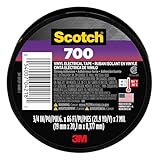
I remember the first time I saw a spool of cheap electrical tape melt into a gooey mess during a minor wiring job. It wasn’t just messy; it was a stark reminder that not all tapes are created equal, and some can be downright dangerous. So, can electrical tape be flammable? The short answer is yes, and it’s a question many DIYers and even some pros don’t think about until it’s too late.
We’ve all been there, reaching for that roll of black tape to insulate a quick fix. But understanding the materials involved is key to avoiding potential hazards. This isn’t about scaremongering; it’s about practical knowledge gained from years of fiddling with wires, circuits, and the tools that help (or hinder) the process.
What Makes Electrical Tape Different (and Sometimes Risky)?
Look, the whole point of electrical tape is to insulate wires, right? Keep the juice where it belongs. But the material itself – usually vinyl or PVC – has different properties depending on the manufacturer and the specific grade. Cheaper stuff, the kind you might find in a dollar store or a generic multi-pack, often uses less solid compounds. This can mean a lower melting point and a greater susceptibility to breaking down under heat or prolonged exposure to certain chemicals, like oil or solvents.
I’ve personally witnessed this firsthand. I was working on an outdoor lighting setup, and the cheap tape I used started to degrade after only a few months. It wasn’t exposed to direct sun, just ambient heat from the wiring. It became brittle, cracked, and I ended up having to redo the whole section with proper, higher-quality tape. That taught me a valuable lesson: when it comes to insulation, you get what you pay for, and sometimes paying a little more saves you a lot of headaches, and potentially, a fire.
The common advice is to always use tape rated for electrical work. That sounds obvious, but what does ‘rated’ actually mean? It implies adherence to certain standards, like those set by UL (Underwriters Laboratories). UL-listed tape has been tested for dielectric strength (its ability to resist electrical breakdown), flame retardancy, and temperature resistance. When you buy tape that’s just labeled ‘insulating tape’ but has no UL listing or similar certification, you’re basically rolling the dice. It might work fine for a low-voltage, temporary fix, but it’s not something you want relying on for anything important or long-term.
The basic chemistry involves plasticizers and stabilizers in the PVC to give it flexibility and durability. However, the quality and quantity of these additives vary wildly. Higher-end tapes use better formulations that resist heat and UV degradation. Lower-end tapes might cut corners, leading to a product that’s less resistant to fire or softening. This is where the question ‘can electrical tape flammable’ really comes into play. If the material breaks down and ignites, it’s a fire hazard.
The Real Fire Hazards: More Than Just Direct Flame
It’s not always a direct flame that causes problems. Overheating wires are a far more common culprit for electrical tape failures. When a circuit is overloaded, or a connection is loose, the wires can get hot. Really hot. If the electrical tape around it can’t handle that heat, it can soften, melt, and drip. This gooey mess can then bridge connections it shouldn’t, creating short circuits that can escalate into fires. I’ve seen older homes where previous owners used tape that had turned into this sticky, black goo, practically begging for a fire to start.
One particularly memorable incident involved a faulty appliance. I didn’t have the right replacement part, so I decided to ‘patch’ a frayed wire with what I thought was good quality electrical tape.
I doubled up, thinking more tape meant more safety. Big mistake.
The appliance still drew too much current, the wires got hot, and the tape didn’t just melt; it started to smoke. Thankfully, I was right there to unplug it, but the smell of burning plastic lingered for days, and the tape had fused into a solid, burnt blob. It was a close call, and a harsh lesson in understanding that tape is a barrier, not a magic shield against electrical faults. It has limits, and pushing those limits is how fires start. (See Also: Can I Use Electrical Tape To Connect Wires )
Another thing people often overlook is the environment where the tape is applied. Is it in a damp area? Exposed to oils or grease? These contaminants can degrade the tape’s material over time, making it less effective and potentially more flammable or prone to failure. Think about engine compartments or areas around machinery; the heat and chemical exposure are much higher than in a clean, dry junction box. Using standard electrical tape in these situations is asking for trouble. You need specialized tapes designed for those harsh conditions.
The question ‘can electrical tape flammable’ also hinges on how it’s used. Wrapping a hot joint too tightly, or creating a thick, bulky wrap where heat can’t dissipate, can concentrate heat and lead to premature failure. It’s not just about the tape’s inherent flammability, but how its application interacts with electrical heat buildup. Proper application is as vital as the tape quality itself.
What to Look for: Beyond the Black Roll
When you’re staring at a wall of electrical tape, what’s the difference between the $2 roll and the $7 roll? It boils down to the material science and, frankly, the quality control. For starters, always look for the UL listing or equivalent certification.
This isn’t just marketing fluff; it means the product has met specific safety and performance standards. I won’t even bother with tape that doesn’t have that little UL mark on the packaging. It’s saved me grief more times than I can count.
I remember trying to save a buck on a roll for a quick repair on my old RV’s wiring harness. It looked okay, felt okay, but within a year, it was cracked and peeling, exposing the wires.
That’s when I learned to always check for that certification.
Beyond the listing, check the tape’s specifications. Reputable brands will list the temperature rating, dielectric strength, and whether it’s suitable for outdoor use or resistance to certain chemicals. Some tapes are specifically designed to be flame-retardant, meaning they are formulated to resist ignition and self-extinguish if a flame source is removed. This is a big one. If you’re doing any work where there’s a potential for heat buildup or proximity to other heat sources, flame-retardant tape is a must.
Here’s a quick rundown of what I look for, and why:
| Feature | My Verdict | Why It Matters |
|---|---|---|
| UL Listing (or equivalent) | Must Have | Guarantees safety and performance standards have been met. |
| Temperature Rating | High is Better | Makes sure it won’t degrade or melt under normal operating heat. |
| Flame Retardant | Highly Recommended | Important for safety, prevents tape from fueling a fire. |
| UV/Weather Resistance | Depends on Application | Key for outdoor or exposed uses to prevent degradation. |
| Adhesive Quality | Sticky but Not Gooey | Needs to hold firm without becoming a sticky mess later. |
The common advice to ‘just use electrical tape’ is, frankly, lazy. It doesn’t account for the vast differences in quality and application. You wouldn’t use duct tape to seal a pressure vessel, and you shouldn’t use bargain-basement electrical tape for anything more than a temporary, low-stakes fix. The question ‘can electrical tape flammable’ is a good starting point, but the real issue is understanding the degree of flammability and resistance to heat and degradation. (See Also: Can Electrica Tape Catch On Fire )
Common Mistakes That Lead to Trouble
One of the biggest mistakes people make is using the wrong type of tape for the job. I’ve seen folks use duct tape, masking tape, even packing tape on electrical connections. That’s just asking for a disaster. Electrical tape is specifically designed with a flexible vinyl backing and a rubber-based adhesive that provides insulation and a degree of protection against moisture and abrasion. Other tapes simply don’t have these properties and will fail, often spectacularly.
Another classic error is not preparing the wire surface properly. If the wire is dirty, oily, or corroded, the tape won’t adhere well, and it won’t insulate effectively. This can lead to gaps where moisture can get in, or where the tape can start to peel away, exposing the conductor. A clean, dry surface is most important for the tape to do its job. I learned this the hard way after a splice I made on a garden pump failed because I didn’t clean the wire thoroughly. It was a small leak, but it showed me the importance of a good bond.
Over-stretching the tape is another pitfall. While you want a snug wrap, pulling the tape too taut can thin out the material to its breaking point. This makes it weaker, more prone to tearing, and can even cause it to snap back, leaving gaps. The goal is a smooth, even wrap that overlaps sufficiently to create a good seal. Think of it like wrapping a gift – you want it neat and secure, not stretched thin and about to rip.
People also tend to underestimate the heat generated by electrical components. They might wrap a piece of tape around a connection that’s already warm, or in an area that gets quite hot during operation. If the tape isn’t rated for that temperature, it’ll soften, melt, or degrade. This leads back to the original question: can electrical tape flammable? If it melts and drips onto hot components or creates a short, it can absolutely contribute to a fire. It’s not just about direct flame contact.
Real-World Use: Beyond the Spark
While the primary use of electrical tape is, well, for electrical work, its properties make it useful in other, less obvious applications. I’ve used it to temporarily repair a cracked hose on my car’s windshield washer system, to hold a loose seam on a piece of luggage together during a trip, and even to create a non-slip grip on a tool handle that had gotten worn down. It’s incredibly versatile, but these are all low-stakes situations where the primary concern isn’t electrical insulation.
The key is understanding its limitations. For electrical work, especially in important systems or high-heat environments, you absolutely need tape designed for that specific purpose. This means looking at the heavy-duty, high-temperature tapes that are often thicker and made from different materials like EPR (ethylene propylene rubber) or silicone. These are far more expensive than your standard vinyl tape, but they offer superior performance and safety for demanding applications. I once had to re-wire a section of my old gas grill’s ignition system, and the heat from the burners was intense. Standard tape would have been useless; I needed a specialized high-temp tape that could withstand those conditions.
It’s also worth mentioning that electrical tape is not a permanent fix. It’s meant for insulation and protection, often as a temporary solution or as part of a larger, more permanent installation. Over time, the adhesive can dry out, the plastic can become brittle, and the tape can lose its effectiveness. Regular inspection and replacement are part of good maintenance. This is a point often missed by folks who just want to get a job done and forget about it.
Think about the different colors of electrical tape, too. While black is standard, you’ll find red, blue, green, yellow, and white. These aren’t just for aesthetics. In electrical work, color-coding is often used to identify different circuits (e.g., red for hot, black for neutral, green for ground). Using the correct color can help prevent mix-ups during future repairs or installations. It’s a small detail, but it adds to the overall safety and organization of the wiring system.
When in Doubt, Use a Connector
Here’s my contrarian take: sometimes, electrical tape is just the wrong tool for the job, period. Everyone reaches for it because it’s ubiquitous and cheap. But for many wire connections, especially those that might experience vibration, significant heat, or require a truly solid, long-lasting connection, a proper wire nut, crimp connector, or Wago connector is infinitely better and safer. I’ve replaced countless electrical repairs that were just layers of tape over poorly made splices that eventually failed. The tape itself didn’t cause the failure, but it was used to cover up a bad splice that would have failed eventually. (See Also: Can I Substitute Duct Tape For Electrical Tape )
When I’m connecting two wires that need to be permanent, especially in a junction box that might get jostled, I’ll use a Wago lever connector. They’re reusable, super secure, and you can see the wire is properly seated. It takes maybe 30 seconds longer than twisting wires together and slathering them with tape, but the reliability is miles ahead. I once found a splice in an appliance that was held together only by electrical tape, with the wires barely twisted. It was a ticking time bomb. The tape was the only thing preventing it from shorting out, and it was only a matter of time before it failed.
The question ‘can electrical tape flammable’ is important, but the more important question is whether it’s the right solution. If you’re making a permanent connection, or a connection that will be subject to stress or heat, consider a mechanical connector. Electrical tape should ideally be used for insulating exposed wire ends after a secure connection has been made with a proper connector, or for bundling wires together where there’s no significant electrical load or heat.
Faq: Electrical Tape Safety
Is Electrical Tape Waterproof?
Standard vinyl electrical tape offers some resistance to moisture, but it’s not entirely waterproof. While it can help seal out light dampness, prolonged immersion in water or exposure to high humidity can degrade the adhesive and the material itself, compromising its insulating properties. For true waterproof applications, you’d typically use specialized self-fusing silicone tapes or waterproof wire connectors designed for wet environments.
Can Electrical Tape Melt?
Yes, electrical tape can melt, especially if exposed to excessive heat. The melting point varies depending on the tape’s material composition and quality. Cheaper or lower-grade tapes have lower melting points and are more susceptible to softening and degrading in warm conditions or near hot electrical components, which can lead to failure and potential fire hazards.
How Long Does Electrical Tape Last?
The lifespan of electrical tape varies greatly depending on the quality of the tape, the environmental conditions it’s exposed to, and the application. High-quality, properly applied tape in a stable environment can last for many years. However, exposure to UV light, extreme temperatures, moisture, or oils can cause it to degrade, become brittle, and lose its adhesion within months to a few years. It’s best practice to inspect electrical tape periodically and replace it if it shows signs of cracking, peeling, or hardening.
What’s the Difference Between Electrical Tape and Duct Tape?
The primary difference is their intended use and material composition. Electrical tape is made of vinyl or PVC and is designed for insulating electrical wires, offering flexibility, stretch, and dielectric strength. Duct tape is a strong, fabric-backed adhesive tape designed for general-purpose repairs, sealing, and holding. It offers no electrical insulation properties and can be a fire hazard if used on electrical components. Electrical tape is specifically engineered for electrical safety, while duct tape is for utility and strength.
Conclusion
So, to circle back to the core question: can electrical tape flammable? Absolutely. It’s made of plastic, and most plastics will burn under the right conditions. But the real issue isn’t just if it can burn, but how it performs under the stresses of electrical work. Overheating, degradation, and poor quality are the main culprits that turn a simple roll of tape into a fire risk.
My advice is simple: don’t be cheap with electrical tape. Invest in reputable brands with UL listings and the right specifications for your job. And remember that tape is often the last line of defense, not the primary solution for a bad connection. If in doubt, use a proper connector. Your home, your car, and your peace of mind will thank you.
When you’re buying tape next, take an extra minute to read the label. It might just save you a major headache, or worse.