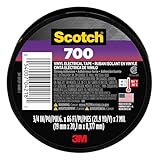
I remember staring at that frayed cord on my old lamp, sparks occasionally spitting like angry little fireflies. My first instinct? Grab the nearest roll of what I thought was foolproof tape. The big question looming in my head was simple: can electrical tape conduct electricity? I needed a quick fix, something to stop the show before it burned my apartment down. Turns out, not all tape is created equal, and my initial assumption was… well, let’s just say it was a learning moment I’d rather not repeat.
This isn’t about fancy gadgets or complex wiring diagrams. It’s about the stuff you have lying around, the quick fixes that seem obvious but can lead you down a path of regret. We’ve all been there, staring at a DIY disaster waiting to happen, wondering if that roll of black tape will actually save the day or make things worse.
So, Does That Black Tape Actually Stop the Zap?
Let’s cut to the chase. Can electrical tape conduct electricity? The short, blunt answer is: no, not really, and that’s exactly why we use it.
Its whole job is to be an insulator. Think of it as a tiny, flexible barrier between you and the juicy bits of a live wire. It’s made from vinyl, which is a type of plastic. Plastics, especially vinyl, are non-conductive.
They’re like the grumpy bouncers at a party, keeping the electrical current from mingling where it shouldn’t. The adhesive is usually rubber-based, also non-conductive. So, the magic is in the material itself. It’s designed to prevent the flow of electricity, protecting you from shocks and preventing short circuits.
It’s not meant to be a conductor; it’s the opposite. This is fundamental, and if you’re ever tempted to use it as a bridge for current, please, for the love of all that’s holy, don’t. You’re asking for trouble.
The common advice you’ll find everywhere is that electrical tape is for insulating wires. And it is. But what they don’t always hammer home is why it’s so good at it.
It’s not just about being plastic; it’s about the specific formulation of that plastic. It needs to be flexible enough to wrap tightly around irregular shapes without cracking.
It needs to resist abrasion, oils, moisture, and UV light to some degree, depending on the quality. High-quality electrical tape also has a good stretch to it. This stretch is key.
When you wrap it, it conforms to the wire and then tries to shrink back slightly, creating a tight, seal-like connection that keeps moisture out and insulation in. I once had a cheap brand that just felt brittle, even when new. Wrapped it around a slightly grubby connection, and within a week, it had cracked, exposing the wire.
Lesson learned: not all electrical tape is created equal, and brand name doesn’t always mean quality, but cheaping out is a sure way to get a bad result.
People often ask if it can withstand high temperatures. Standard electrical tape has a temperature rating, usually somewhere in the range of 176°F (80°C). For most household applications, this is plenty.
But if you’re dealing with something that gets really hot, like the engine bay of a car or near a heating element, you might need specialized tape. Trying to use regular electrical tape in an environment that exceeds its rating is like trying to put out a bonfire with a water pistol. It’s not going to end well. The vinyl will soften, melt, and lose its insulating properties, and you’ll have a sticky, conductive mess on your hands.
I learned this the hard way when a bit of exhaust heat near a trailer wiring harness caused the tape to sag and melt. Had to redo the whole section with higher-temp rated tape.
What to Look for When You Actually Need It
Alright, so you know it’s supposed to insulate. But what makes one roll of tape better than another? It boils down to a few things, and honestly, the stuff you find at the dollar store is probably not going to cut it for anything serious. First off, the material itself. Look for vinyl. It’s flexible, durable, and resistant to most common workshop gunk. It should feel a bit stretchy when you pull it. If it feels stiff or brittle, put it back. I’ve wasted money on rolls that felt like old parchment paper. They cracked the moment I tried to stretch them around a slightly uneven surface. (See Also: Can I Use Electrical Tape To Connect Wires )
The adhesive is another big one. You want something that sticks well, but not so aggressively that it’s impossible to reposition slightly if you mess up the first go-round. However, once it’s on, it needs to stay on. I’ve had tape that felt fine when applied but started peeling off after a few weeks, especially in damp conditions or with temperature changes.
That’s exactly what you don’t want. You’re trying to create a reliable barrier. Some of the better tapes have a more resilient, slightly tacky adhesive that grabs well but doesn’t become impossible to work with. For higher-end applications, like in automotive or industrial settings, you might see tapes with specific adhesive formulas designed for oil resistance or extreme temperatures.
For general home use, a good quality vinyl tape from a reputable brand is usually your best bet. Brands like 3M or Gardner Bender are generally solid, though sometimes pricier.
You can often find good value in their mid-range offerings.
Another factor, though less obvious, is the thickness and width. Thicker tape offers better insulation and abrasion resistance, but it can be bulkier.
Thinner tape is more flexible and easier to get into tight spots. The width affects how many layers you can wrap easily and how quickly you can cover a larger area. For most electrical repairs, a 3/4-inch width is standard and works well.
If you’re dealing with very small wires or intricate connections, you might want a narrower tape. Conversely, for larger cables or conduit, a wider tape can be more efficient.
It’s a small detail, but when you’re wrestling with a tricky wire repair, having the right tool for the job, even down to the tape’s dimensions, makes a difference.
Here’s a quick rundown of what I look for, with my own little rating system:
| Feature | What I Look For | My Verdict |
|---|---|---|
| Material | Flexible, slightly stretchy vinyl | Must-have. Brittle plastic is a no-go. |
| Adhesive | Sticks well, stays put, but not impossible to adjust | Important. Peeling tape is useless tape. |
| Thickness | Medium thickness for good balance of insulation and bulk | Personal preference, but too thin is risky. |
| Brand Reputation | Reputable brands often have better consistency | Worth considering, but read reviews too. |
Common Mistakes That Fry Your Circuits (and Your Wallet)
The biggest mistake? Thinking electrical tape is a universal fix-all. People often reach for it when they need to join wires, like twisting them together and then wrapping them with tape. That’s a big no-no.
Electrical tape is meant to go over properly made connections, like crimp connectors, wire nuts, or soldered joints. It’s a secondary layer of protection, not the primary method of connection. If you just tape twisted wires together, you’re relying on the tape to hold the physical connection, which it can’t do.
Over time, those wires will wiggle loose, leading to arcing, intermittent power, or a complete failure. I’ve seen so many “quick fixes” that turned into bigger problems because someone just wrapped tape around bare twisted wires.
Another common blunder is using the wrong type of tape for the job. As I mentioned, standard electrical tape has temperature limits. Using it near a heat source like a motor or an exhaust pipe will cause it to degrade. Similarly, if the environment is very wet or oily, standard tape might not hold up.
There are specialized tapes for high-heat applications (like silicone or fiberglass tapes) and tapes designed for oil resistance. Using the wrong tape is like using a screwdriver to hammer a nail; it might seem like it works for a second, but it’s not what it’s designed for, and you’ll likely end up damaging something or creating a hazard. (See Also: Can Electrica Tape Catch On Fire )
I once saw a DIY boat trailer repair where the guy used regular electrical tape on some lights that were constantly exposed to water. Within months, the tape had degraded, the connections corroded, and the lights stopped working.
He had to replace the whole harness.
Overstretching or understretching the tape is another subtle mistake. If you don’t stretch it enough, it won’t conform tightly to the wire, leaving gaps for moisture or dirt to get in. If you stretch it too much, especially a lower-quality tape, you can thin it out too much, reducing its insulating properties or even tearing it.
The sweet spot is a firm, consistent stretch that allows the tape to adhere smoothly and create a smooth layer. It takes a bit of practice to get a feel for it, but the result is a much more durable and effective repair. People also often forget to overlap generously.
You need to overlap at least half the width of the tape with each subsequent wrap to make sure there are no gaps. A single layer is rarely enough, and failing to overlap properly is a recipe for a weak point in your insulation.
Real-World Use: Where It Actually Shines
So, if you’re not supposed to use it to join wires, what is electrical tape good for? Its primary role is insulating. Take a damaged wire jacket on a cord that’s still mechanically sound. You know, where the outer rubber is nicked but the copper inside is fine. That’s prime real estate for electrical tape. You carefully clean the area, and then wrap several layers of good electrical tape snugly around the damaged section. This restores the insulation and prevents further damage or accidental contact. It’s a temporary fix, sure, but it’s a very effective one for extending the life of a cord until you can replace it properly.
It’s also fantastic for bundling. If you’ve got a bunch of wires coming out of a device or running along a wall, you can use electrical tape to keep them neatly bundled together. This not only looks tidier but also prevents tangling and makes it easier to manage them. Think about the mess of cables behind your TV or computer.
A few strategic wraps of electrical tape can make that jungle much more manageable. It’s not as permanent as zip ties or cable sleeves, but it’s quick, easy, and easily removable if you need to change something later. This is one of those simple, everyday uses that people overlook.
I’ve used it to secure antenna cables, organize power cords, and even temporarily hold a loose hose in place on a machine before a proper clamp arrived. It’s surprisingly versatile for simple bundling tasks.
Another solid use is for marking wires. Different colors of electrical tape can be used to identify different circuits or wire functions. While there are specific color-coding standards, in a pinch, using a distinct color can help you remember which wire is which, especially in complex or DIY setups.
For example, you might wrap a specific color around the wires going to a particular outlet or appliance. This is incredibly useful for future troubleshooting or modifications. I’ve also used it to temporarily label things that need to go somewhere specific, like a component that needs to be reinstalled in a particular orientation. It’s not elegant, but it’s effective.
For professional work, you’d use numbered labels, but for quick personal projects, colored tape is a lifesaver.
Finally, it’s a decent temporary insulator for things that aren’t carrying high voltage. Think about repairing a battery compartment on a toy or a remote control. Sometimes the little plastic tabs that hold the battery in place break. You can use electrical tape to secure the battery and make sure proper contact without worrying about a significant electrical hazard. It’s also great for insulating the terminals of a spare battery so they don’t short out if they touch metal. These are low-stakes, high-reward applications where electrical tape excels. It’s not about replacing proper connectors or insulation, but about providing a reliable, non-conductive barrier in situations where it’s needed and safe to use.
Contrarian Take: When Not to Use It (even If Everyone Else Does)
Here’s where I might go against the grain a bit. Everyone and their uncle will tell you that electrical tape is the go-to for insulating any wire repair. I disagree, vehemently, for anything beyond a minor, temporary fix on low-voltage or non-important AC wiring. Why? Because the quality varies so wildly, and most people don’t understand the nuances. The common advice is: ‘Just wrap it up!’ But what if the tape degrades over time due to heat, UV exposure, or just age? What if the adhesive fails? You’re left with a potentially dangerous situation that looks ‘fixed’ but isn’t. (See Also: Can I Substitute Duct Tape For Electrical Tape )
For anything that carries significant current, is exposed to the elements, or is in a high-vibration environment, I strongly advocate for proper connectors. Wire nuts for home wiring, crimp connectors for automotive and low-voltage DC, and soldering for truly solid, permanent connections.
These methods create a physically secure and electrically sound connection that tape alone can never replicate. Electrical tape should supplement these connections, providing an extra layer of protection, not replace them.
I’ve seen too many DIY horror stories that started with ‘I just taped it up.’ The time saved by not using a proper connector is minuscule compared to the potential for a fire, shock, or equipment failure down the line. So, if the job requires a permanent, safe, and reliable solution, put down the electrical tape and pick up the right tool for making a proper connection first.
The other scenario where I’d shy away from relying solely on electrical tape is for anything involving extreme temperatures. Yes, some electrical tapes have higher temperature ratings, but they’re still plastics. If you have a wire that’s consistently getting hotter than, say, 150°F (65°C), you’re pushing the limits for standard vinyl tape. For engine compartments, near exhaust systems, or around heating elements, you really need silicone tape, fiberglass tape, or specialized high-temperature sleeving.
These materials are designed to withstand much higher temperatures without degrading, melting, or becoming brittle. Relying on regular electrical tape in these conditions is a ticking time bomb. It might seem fine for a while, but the first time it gets really hot, you’ll regret it. Always check the specs and the operating environment.
Don’t guess.
The Faq: Quick Answers for Your Burning Questions
Can Electrical Tape Conduct Electricity?
No, electrical tape is specifically designed to be a non-conductor, an insulator. Its primary purpose is to prevent the flow of electricity, protecting users from shocks and preventing short circuits. It’s made from materials like vinyl that have high dielectric strength, meaning they can withstand a significant electrical field before breaking down.
Is Electrical Tape Safe for All Wiring?
It’s safe for insulating wires and connections that are properly made using other methods (like wire nuts or crimps). However, it should not be used as the sole means of joining wires, nor should it be used in environments that exceed its temperature or environmental resistance ratings. Always make sure the wire is de-energized before applying tape.
How Many Layers of Electrical Tape Are Needed?
Generally, 2-3 layers are recommended for basic insulation. For added protection against physical damage or moisture, 4-5 layers might be appropriate. Each layer should overlap the previous one by at least half the tape’s width to create a smooth, protective barrier without any gaps.
Can I Use Electrical Tape to Fix a Frayed Cord?
Yes, but only as a temporary measure for minor fraying where the copper wires are not exposed or damaged. Wrap the tape tightly and generously around the frayed area to restore insulation and prevent further damage. For significant fraying or exposed wires, a proper repair or replacement of the cord is necessary.
What’s the Difference Between Electrical Tape and Duct Tape?
Electrical tape is designed to be an insulator with good adhesion and flexibility, resistant to chemicals and abrasion. Duct tape is primarily for general-purpose sealing and repairs, often with a fabric backing and a stronger, sometimes residue-leaving adhesive; it is NOT an insulator and should never be used on electrical components.
Conclusion
So, to circle back to the original question: can electrical tape conduct electricity? The definitive answer is no, and that’s its superpower. It’s a handy tool, but it’s got its limits. Think of it as a specialized band-aid for wires, not a structural adhesive or a primary connection method. Using it correctly means understanding what it’s good for and, just as importantly, what it’s not good for. Don’t let a cheap roll of tape be the weakest link in your electrical setup.
If you’re tempted to use it for a quick fix on something that looks a bit dicey, take a breath. Ask yourself if this is a temporary insulation job on a wire that’s still mechanically sound, or if you’re trying to hold a connection together. If it’s the latter, do yourself a favor and get the right connectors. It’s worth the extra few bucks and the slight bit of extra time.
Next time you’re staring down a frayed cord or a jumble of wires, remember this: electrical tape is your friend for insulation and bundling, but it’s not a miracle worker. Always prioritize safety and proper technique, and your electrical projects will thank you.