I’ve stood on more than a few rickety ladders in my time, staring at a battered outdoor TV antenna, wondering if a quick fix was even possible. Usually, it involves a gust of wind, a rogue branch, or just plain old weathering taking its toll. You’ve probably found yourself asking: can electrical tape fix a broken outdoor tv antenna? Most folks will tell you ‘no,’ and honestly, there’s a good chunk of truth to that. But like a lot of things in life, especially when you’re trying to save a buck and don’t have a brand new part handy, the answer isn’t always black and white. Let’s get real about what you can – and can’t – expect.
When Your Antenna Takes a Beating
Look, the world of outdoor TV antennas isn’t exactly glamorous. These things are designed to catch invisible signals from miles away, and they’re usually bolted to a roof or a pole, exposed to everything from blistering sun to freezing rain. It’s no wonder they get banged up. I once had a massive storm rip through, and my trusty old Channel Master looked like it had gone ten rounds with a bear.
One of the main dipole elements was bent at a nasty angle, and the whole thing was wobbling precariously. My first thought wasn’t about buying a new one; it was about what I had in my toolbox that could just… hold it together for a bit longer. This is where the question of electrical tape often pops up. It’s cheap, it’s flexible, and it’s designed to insulate.
But does that translate to fixing a important piece of broadcast reception hardware? Not really, but it’s not entirely useless either.
The common advice is to replace damaged parts, and for good reason. A bent element changes the antenna’s impedance and can mess with its directional pattern, which directly impacts signal strength and quality. You might still get some channels, but the picture could be snowy, or certain stations might disappear entirely.
It’s like trying to steer a boat with a bent rudder; it still floats, but you’re not going anywhere fast, or straight.
Electrical Tape: The Unlikely Savior (or Not)
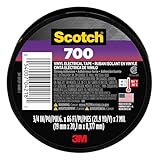
So, let’s talk about electrical tape. It’s made of vinyl, which is a good insulator. It stretches pretty well, which is handy for wrapping irregular shapes. And it sticks, at least for a while.
The key thing here is ‘insulate’ and ‘stretch.’ When people ask if electrical tape can fix an antenna, they’re usually thinking about a few scenarios. Maybe a small plastic piece has cracked. Maybe a wire connection looks loose. Or, like my situation, a physical component is bent or slightly detached.
For a cracked plastic housing that’s mostly cosmetic and not affecting signal path, a few wraps of good electrical tape might hold it together and prevent further damage from the elements. It’s not going to magically restore structural integrity, but it can stop a small problem from becoming a big one. For loose wire connections, this is where it gets dicey. Electrical tape is an insulator, not a conductor.
If your problem is a loose connection that needs to carry a signal, tape isn’t going to help. In fact, it might make it worse by preventing proper contact.
I learned this the hard way after trying to tape up a fraying coaxial cable connection on an old antenna. I thought I was being clever, protecting it from moisture.
Turns out, I was also insulating the signal right out of existence, and all I got was static. You need conductive material for signal transmission, not insulation.
What Actually Matters for Antenna Performance
When you’re dealing with an outdoor TV antenna, especially one that’s seen better days, you need to think about what actually dictates its performance. It’s not just about being ‘up there.’ (See Also: Can I Use Electrical Tape To Connect Wires )
The physical structure of the antenna – the elements, the directors, the reflectors – are precisely engineered. Their length, spacing, and orientation are calculated to resonate at specific frequencies and to focus the incoming signals towards the receiver. If a main element is bent, it’s no longer the correct length or angle.
This detunes the antenna. It’s like trying to tune a guitar string to the wrong pitch; it just sounds wrong. You’re not going to get a clear note. The same principle applies to TV signals.
A bent element can cause reflections and signal loss. The impedance mismatch that occurs can confuse your TV tuner, leading to pixelation or complete signal dropout.
For a DIYer, this is where the frustration sets in. You can try all sorts of patches, but if the fundamental geometry of the antenna is compromised, you’re fighting a losing battle. Sometimes, a bent element is a death sentence for that particular antenna’s ability to perform optimally, regardless of what you wrap it in.
This is why professionals always push for replacement parts. They understand that precision matters in antenna design.
Real-World Scenarios: When Tape might Help
Let’s be blunt: electrical tape is rarely the hero in antenna repair stories. But it’s not a complete villain either.
I’ve seen it used, and sometimes it’s worked to a degree. Think of it as a temporary band-aid, not reconstructive surgery.
If a small, non-important plastic bracket holding a piece of trim broke, electrical tape can secure it and prevent it from flapping in the wind. If a wire lead has a tiny nick in its insulation, a wrap of tape can prevent further fraying and moisture ingress. It’s about protecting existing, functional components, not fixing broken ones. I tried using it to reattach a loose reflector element on a Yagi antenna once.
The element itself was still physically sound, but the screw that held it in place had stripped out. I wrapped the tape tightly around the base of the element and the antenna boom, hoping to shim it into place. It held for about two weeks during a relatively calm period. Then a decent breeze came along, and the element shifted again.
The signal dropped noticeably. So, my verdict? For minor cosmetic damage or to protect exposed wire insulation from the elements, electrical tape can offer some temporary relief.
But if the core structure or a signal-carrying component is damaged, you’re wasting your time and tape.
A Tale of Two Repairs: Tape vs. Replacement
Here’s a direct comparison I’ve seen play out, and it really drives home the point. My neighbor, bless his heart, had a important lead wire on his antenna rotor snap clean off. (See Also: Can Electrica Tape Catch On Fire )
He didn’t want to call a professional, so he grabbed some heavy-duty electrical tape and wrapped the two broken ends together, hoping for the best. His TV signal went from decent to virtually non-existent. He couldn’t even tune in the local news. The rotor itself was fine, but that snapped wire was the lifeline for the signal.
After a week of frustration, he finally bit the bullet and bought a new rotor assembly. The difference was night and day. He got all his channels back, crystal clear.
Now, contrast that with another situation: a piece of thin plastic trim on the very edge of my antenna’s mounting bracket snapped off. It didn’t affect the antenna’s alignment or any signal path. I wrapped it with good quality electrical tape.
It’s still there, holding the trim piece on, and it’s been through several seasons of weather. My signal hasn’t changed one bit. So, you see, it’s all about the function of the part that breaks.
If it’s structural and purely mechanical, tape might keep it from falling off. If it’s part of the signal path, or important for alignment, tape is a joke. Here’s a quick rundown:
| Problem | Electrical Tape Verdict | Actual Solution |
|---|---|---|
| Cracked plastic housing (non-structural) | 👍 Might hold, prevents further damage | Replace if possible, tape is okay short-term |
| Bent or detached main antenna element | 👎 No effect on signal, maybe slight mechanical hold | Replace element or antenna |
| Loose coaxial cable connection | 👎 Insulates signal, makes it worse | Tighten connector, use weatherproof boot |
| Nicked wire insulation | 👍 Protects from elements, prevents further fraying | Replace cable if severe, tape is a good stop-gap |
| Broken structural mounting bracket piece | 👍 Can provide temporary mechanical support | Replace bracket or mount |
Practical Tips for Antenna Woes
If you’re staring at a damaged antenna and wondering what to do, before you even think about tape, ask yourself a few hard questions. First, what exactly is broken? Is it a main element that looks like it’s been straightened out of shape? Is it the coaxial cable connector that’s corroded?
Or is it just a loose screw on the mounting bracket? Be honest with yourself. If a main element is visibly bent, the best you can hope for is a temporary, reduced signal. The physics of radio waves don’t care about your duct tape budget.
My own experience has taught me that when it comes to antenna elements, their precise shape and alignment are most important. If something’s off, you’re going to get a weaker signal, or no signal at all. You might get lucky with a minor crack in a plastic housing. For instance, if a bit of the weather shroud around a connector snaps off, electrical tape might keep the rain out for a while.
But if you’re looking at a bent boom or a snapped off dipole element, you’re probably better off considering a replacement. Another thing to look at is the coaxial cable itself.
If it’s frayed or damaged, tape isn’t going to fix the inner conductors. Sometimes, the problem isn’t the antenna at all, but the cable connecting it to your TV. I had a squirrel chew through a cable once. No amount of tape was going to fix that.
I had to replace the entire cable run. When in doubt, and you’re willing to spend a little, consider investing in a new, higher-gain antenna designed for your specific reception area.
The improvement can be immense compared to trying to salvage a compromised older unit. Sometimes, the cost of replacement parts and the hassle of a temporary fix just isn’t worth it when a new antenna might cost you only a bit more and deliver far superior results. (See Also: Can I Substitute Duct Tape For Electrical Tape )
The Federal Communications Commission (FCC) has guidelines and resources for antenna selection based on your location and the types of signals you want to receive, which can be a good starting point before you even grab your toolbox.
What to Look for in Antenna Repair Supplies
If you do decide to go the repair route, beyond electrical tape, what else should you have on hand? For physical breaks in plastic or metal, strong epoxy glues designed for outdoor use can be surprisingly effective. For securing elements or structural components, stainless steel screws, nuts, and bolts are your best bet. They resist rust, which is a killer for outdoor electronics.
If the coaxial cable itself is damaged, you’ll need replacement cable, F-connectors (make sure they’re the right type – crimp-on or compression are best for outdoor use), and a good crimping or compression tool. Weatherproofing is also huge.
Silicone sealant or specialized weatherproof boot kits for coaxial connections can save you a lot of headaches down the line from moisture ingress. And, of course, a good ladder safety setup is a must.
If you’re dealing with electrical connections, always disconnect power before touching anything.
When to Just Buy a New Antenna
This is the tough one, but sometimes it’s the only honest answer. If multiple elements are bent or broken, if the main boom is cracked, or if the antenna is severely corroded, it’s probably time to wave the white flag. Trying to fix a fundamentally compromised antenna is like trying to put racing tires on a jalopy with a broken engine – it’s just not going to perform.
Older antennas might also just not be built to pick up the newer digital signals as efficiently. If you’re seeing significant signal loss that you can’t attribute to cable issues or weather, and your antenna looks like it’s been through a war, a new antenna is almost always the better investment. It’s not just about getting more channels; it’s about getting a stable, clear picture that doesn’t cut out every time a truck drives by.
People Also Ask
Can You Fix a Broken TV Antenna with Duct Tape?
Duct tape is generally even less suitable for antenna repair than electrical tape. While it’s strong and sticky, it’s not a good electrical insulator and can degrade quickly outdoors. It might hold a broken plastic piece together temporarily, but it won’t help with signal transmission or structural integrity for important antenna parts. For anything beyond a superficial cosmetic fix, duct tape is not recommended.
What Is the Best Way to Repair an Outdoor TV Antenna?
The best way to repair an outdoor TV antenna is to identify the specific damaged component and replace it with an identical or equivalent part. This often involves replacing bent or broken elements, securing loose connections with appropriate hardware, or replacing damaged coaxial cable. For significant damage to the antenna’s structure, replacement of the entire antenna is usually the most effective solution.
How Do I Reconnect a Broken Antenna Wire?
If a coaxial antenna wire is broken, you’ll typically need to cut off the damaged section and reattach a new F-connector. This requires a coaxial cable stripper, a compression tool, and new F-connectors. Make sure the inner conductor is properly seated and the connector is securely attached. For structural breaks in the antenna itself, you’ll need to consult the antenna’s manual or manufacturer for specific repair parts and procedures.
Does a Damaged Antenna Affect Signal Strength?
Yes, a damaged antenna can significantly affect signal strength and quality. Bent or misaligned elements can disrupt the antenna’s designed reception pattern, leading to reduced signal gain and increased interference. A compromised antenna might not be able to pick up signals as effectively, resulting in pixelation, dropped channels, or a complete loss of signal.
Final Verdict
So, can electrical tape fix a broken outdoor tv antenna? The short, blunt answer is: probably not in any meaningful, long-term way that will restore optimal performance. It’s a stop-gap measure at best, useful for minor cosmetic issues or to temporarily protect exposed wiring from the elements.
If a main antenna element is bent, or a important connection is broken, electrical tape is just going to disappoint you. You’re better off biting the bullet and sourcing the correct replacement part or, more often than not, investing in a new antenna. Trying to salvage a fundamentally compromised antenna with tape is like trying to patch a leaky boat with a postage stamp; it might keep the water out for a minute, but it’s not a real solution.