I remember staring at a tangled mess of wires behind my old amplifier, smoke curling up from one particularly sad-looking connection. It was a DIY audio project gone sideways, and my first thought was: electrical tape. Will it hold? Can electrical tape handle heat? I’d slapped it on there in a panic, hoping for the best, but the acrid smell told a different story. It turns out, not all electrical tape is created equal, and throwing any old roll at a hot situation is a recipe for disaster.
I’ve wasted my fair share of money and time on cheap rolls that melted into a sticky goo the second things got warm. This isn’t about fancy jargon; it’s about what actually works when you’re elbow-deep in a project that’s pushing the limits.
The Real Deal on Vinyl: What Makes Electrical Tape Tick (or Melt)
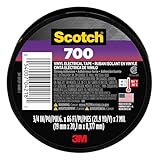
Look, the most common electrical tape you find everywhere – the cheap stuff in the hardware store bin, often in black, sometimes blue or white – is usually made from polyvinyl chloride, or PVC. It’s got a rubber-based adhesive. On its own, it’s pretty good at insulating wires and providing a bit of mechanical protection. It stretches, it sticks, and for most low-voltage, room-temperature jobs, it’s perfectly fine. I’ve used it for tidying up bundles of wires in my entertainment center, reinforcing a frayed extension cord that wasn’t going to see much action, and even for temporarily fixing a leaky garden hose before I could get a proper patch.
The problem arises when you introduce heat. Standard PVC electrical tape has a temperature rating, and most common varieties top out somewhere around 176°F (80°C). Now, 176 degrees might sound like a lot, but think about a car engine bay on a hot summer day, or an appliance motor that runs continuously.
Those environments can easily surpass that. When the tape gets too hot, the PVC starts to soften and become gummy. The adhesive loses its grip, and the tape can start to slide or peel away.
Worse, the plasticizers in the PVC can migrate out, leaving the tape brittle and prone to cracking. I learned this the hard way when I used standard tape to secure some wiring near the exhaust manifold of an old lawnmower I was tinkering with. Within an hour of running it, the tape had oozed down the wires like melted cheese, leaving exposed copper and a nasty, sticky mess.
So, when someone asks ‘can electrical tape handle heat?’, the immediate, no-nonsense answer is: the cheap, everyday kind? Not really, not for anything more than a bit of warmth. You need something more specialized if you’re dealing with anything that gets truly hot. It’s not about magic; it’s about the materials. The cheap stuff is designed for general-purpose use, not for taking on extreme temperatures. You’re basically asking a thin plastic wrapper to survive a sauna. It’s not its intended purpose, and it will fail.
This is where people get confused. They see ‘electrical tape’ and assume it all performs the same. It’s like looking at a hammer and assuming it’s the same tool as a sledgehammer just because they both have handles and hit things. Different jobs require different tools, and high-heat applications require high-heat tape. The common advice to just grab some electrical tape and wrap it up? It’s often bad advice when heat is a factor. You need to be deliberate about what you’re buying.
Beyond Vinyl: The High-Heat Heroes You Need to Know
Alright, so if your standard black electrical tape is going to bail on you when things get toasty, what’s the alternative? This is where you need to look at specialty tapes. The main players in the high-heat arena are generally made from different materials. Think silicone, fiberglass, or specialized polymers. These aren’t your run-of-the-mill hardware store finds. You’ll often find them in the electrical supply section of a good hardware store, or more likely, at an automotive or industrial supplier.
One of the most common and effective high-heat options is fiberglass tape. It’s basically a woven fiberglass cloth impregnated with a heat-resistant adhesive, often a silicone or acrylic compound. This stuff can handle some serious temperatures, often rated up to 500°F (260°C) or even higher. It’s not as stretchy or conformable as vinyl tape, but it’s incredibly strong and provides excellent insulation. I used some on the wiring harness going to the turbocharger on a project car. The heat soak in that area is intense, and the fiberglass tape held up like a champ, protecting the wires from melting. It gives you a much thicker, more solid wrap than vinyl tape.
Another category to consider is PTFE (polytetrafluoroethylene) tape, often known by the brand name Teflon. While commonly associated with plumbing, there are industrial versions of PTFE tape with specialized adhesives that can handle high temperatures. They offer excellent chemical resistance and a very low coefficient of friction, which can be useful in some specific electrical applications where wires might rub against something hot. However, they can be expensive and sometimes a bit fiddly to apply neatly. You’re usually looking at continuous use temperatures around 500°F (260°C) for these. (See Also: Can I Use Electrical Tape To Connect Wires )
Then there’s self-fusing silicone tape. This stuff is pretty neat. It doesn’t have an adhesive in the traditional sense. You stretch it as you wrap, and it fuses to itself, creating a smooth, waterproof, and heat-resistant insulating layer. It’s excellent for sealing connections that might be exposed to moisture and heat, like on marine equipment or outdoor electricals. It can often handle temperatures similar to fiberglass tape. Applying it takes a little practice, but once it’s on, it’s on for good. It feels like a thick rubber band that bonds to itself. I used this on a heating element connection for a custom smoker build. It sealed perfectly and hasn’t shown any signs of degradation despite the constant warmth.
So, the answer to ‘can electrical tape handle heat?’ gets a qualified ‘yes’ if you choose the right type. It’s about understanding that ‘electrical tape’ is a broad category, and you need to match the tape’s properties to the demands of the job. Don’t assume the cheap stuff will cut it when things are getting hot.
Common Mistakes and Why Your Tape Is Failing
I’ve seen – and made – so many mistakes with electrical tape over the years, especially when heat is involved. The most common sin is simply using the wrong kind of tape for the job. Like I said, that cheap black vinyl tape is fine for tidying up wires in your living room, but stick it near a car exhaust, a soldering iron, or a heating element, and you’re asking for trouble.
It’s going to soften, melt, and fail. I once had a buddy try to insulate a wire running close to a brake caliper on his motorcycle.
He used standard tape, and you can guess what happened. It sagged, dripped onto the rotor, and nearly caused a nasty accident. He was lucky it didn’t cause a fire.
Another mistake is not preparing the surface properly. Even with heat-resistant tapes, if you’re trying to stick them to a greasy, dusty, or wet surface, they won’t adhere well. For high-heat applications, you often need a clean, dry surface. Degreasing wires or components before applying specialized tapes is often a good idea. It’s not glamorous, but it makes a huge difference in longevity. I learned this when trying to wrap a hot water pipe with a special high-temp tape to prevent heat loss. I didn’t clean the pipe thoroughly, and a few weeks later, sections started to peel because the adhesive couldn’t get a solid bite.
Overlapping is another area where people mess up. When you’re using tapes like fiberglass or silicone, proper overlap is important. You need enough overlap to make sure there are no gaps for heat or moisture to penetrate.
For self-fusing tapes, you need to stretch them properly so they bond to themselves and create a continuous barrier. Too little overlap, and you create weak points.
I’ve seen people wrap a few times and think they’re done, but the ends lift because they didn’t overlap enough or secure the end properly. When wrapping, aim for at least a 50% overlap, and make sure the last wrap extends past the exposed wire and onto the cable insulation. For self-fusing tapes, you’re looking for a good stretch to get that fusion.
Finally, and this is a big one, people often underestimate how hot things can get. They might think a little warmth is okay for their standard tape. But heat builds up. A component that feels warm to the touch might be significantly hotter under the insulation. (See Also: Can Electrica Tape Catch On Fire )
It’s always better to err on the side of caution and use a tape rated for a higher temperature than you think you’ll need. I once wrapped a wire that was just ‘a bit warm’ with regular electrical tape. Turns out, that ‘little warmth’ was enough to slowly degrade the adhesive over a couple of months, leading to a short circuit. A quick mental check: is this near an engine, a heating element, a motor, or a high-amperage connection?
If yes, step up your tape game. People ask, ‘Can electrical tape handle heat?’
often because they’ve seen it fail, and these are usually the reasons why.
When Only the Best Will Do: Real-World Applications
So, where does this leave us when it comes to actually using tape in hot situations? It’s all about context.
If you’re wiring up a new outlet in your house that’s just going to sit at room temperature, your standard vinyl electrical tape is perfectly fine. No need to get fancy.
But as soon as you move beyond that basic scenario, you need to start thinking about heat. Think about automotive applications.
Wires near the engine block, exhaust manifold, turbocharger, or even just running along the firewall on a hot day can get incredibly hot. I’ve used high-temperature fiberglass tape and self-fusing silicone tape extensively for repairing and reinforcing wiring harnesses in cars and motorcycles.
It’s not just about insulation; it’s about preventing the insulation from melting off the wires entirely.
Appliances are another big one. Refrigerators, ovens, toasters, coffee makers – many of these have heating elements or motors that generate significant heat. If you’re doing any kind of repair or modification that involves wiring close to these components, you absolutely need a high-temperature tape. I once had to fix a power cord on an old industrial fan that had a frayed section near the motor housing. The motor got quite warm during operation, and the standard tape I initially considered would have failed within days. I opted for a silicone tape, and it’s been working perfectly for over a year now. It’s about protecting the integrity of the electrical connection under stress.
Soldering is another situation where heat is a direct factor. While you’re usually only exposed for short periods, the tip of a soldering iron is incredibly hot, easily exceeding 500°F (260°C). If you’re using tape to temporarily hold wires together while soldering, or to insulate a connection immediately after, you need a tape that can withstand that initial blast of heat. Standard vinyl tape will instantly melt or burn. This is where you might use a quick wrap of fiberglass tape or even a specialized high-temperature splicing tape designed for such tasks. It’s about preventing accidental damage to the insulation during the soldering process. (See Also: Can I Substitute Duct Tape For Electrical Tape )
Even something like a home brewing setup for beer can involve significant heat. Wort coolers, heating elements for boiling, and the general environment around a brewing kettle can get quite warm. When running any electricals for pumps or controllers in these areas, using a tape that can handle lifted temperatures is a smart move. It’s about preventative maintenance and making sure the longevity and safety of your electrical work. So, when you’re asking ‘can electrical tape handle heat?’, the answer is a resounding ‘yes, the right kind of electrical tape can handle heat,’ but you must be specific about what you’re buying and where you’re using it. Generic is rarely good enough for heat.
Choosing the Right Tape: A Quick Comparison
Deciding which tape to use can be confusing, so here’s a quick rundown of common types and where they shine. It’s not exhaustive, but it should give you a solid starting point. Remember, always check the manufacturer’s specifications for temperature ratings and intended use.
| Tape Type | Typical Max Temp (°F / °C) | Adhesive | Pros | Cons | My Verdict |
|---|---|---|---|---|---|
| Standard Vinyl (PVC) | 176°F / 80°C | Rubber-based | Inexpensive, flexible, good insulation for low voltage/temp | Melts/degrades in heat, brittle when old | Fine for indoor, cool applications only. Overrated for anything warm. |
| Fiberglass Tape | 500°F+ / 260°C+ | Silicone or Acrylic | Excellent heat resistance, strong, durable | Less flexible, can be bulkier | My go-to for engine bays and high-temp appliance wiring. Reliable. |
| Self-Fusing Silicone Tape | 500°F+ / 260°C+ | None (self-bonding) | Smooth insulation, waterproof, excellent adhesion to itself | Requires stretching to apply, can be tricky for beginners | Fantastic for sealing and insulating connections exposed to elements. Great bond. |
| PTFE (Teflon) Tape (Industrial) | 500°F+ / 260°C+ | Specialty Adhesive | High temp, excellent chemical resistance, low friction | Expensive, can be less flexible, not always the best for simple insulation | Niche uses where chemical resistance or low friction is key. Pricey. |
When you’re looking at tape, don’t just grab the cheapest black roll. Read the package. Look for temperature ratings. If it doesn’t mention high-temperature resistance or a specific rating above, say, 180°F (82°C), assume it’s not suitable for anything that gets more than a little warm. The common advice to just use ‘electrical tape’ is a trap when heat is a factor. You’re effectively asking ‘can electrical tape handle heat?’ and the answer depends entirely on the tape and the heat level.
People Also Ask:
What Is the Temperature Limit for Electrical Tape?
The temperature limit varies wildly depending on the type of electrical tape. Standard vinyl electrical tape, the kind you see most often, typically has a maximum continuous use temperature of around 176°F (80°C). Exceeding this can cause it to soften, melt, and lose its adhesive properties. High-performance tapes, like those made from fiberglass or silicone, can handle much higher temperatures, often rated for continuous use up to 500°F (260°C) or even more.
Can You Use Electrical Tape on Hot Wires?
You can use electrical tape on wires that are slightly warm, but not on wires that are actively hot or operating in a high-temperature environment. Standard electrical tape will fail quickly if exposed to significant heat. For wires that operate at lifted temperatures, you must use specialized high-temperature electrical tape, such as fiberglass or silicone tape, which are designed to withstand much higher thermal loads without degrading.
Is Electrical Tape Heat Resistant?
Some electrical tapes are heat resistant, while others are not. Standard vinyl electrical tape is generally not considered heat resistant beyond moderate warmth. Tapes made from materials like fiberglass, silicone, or specialized polymers are specifically engineered for heat resistance and can perform reliably in hot conditions where regular tape would fail. Always check the product specifications for temperature ratings.
What Tape Can Withstand High Heat?
For high heat applications, you should look for tapes specifically designed for the task. Common options include fiberglass tapes (often with silicone or acrylic adhesives), self-fusing silicone tapes, and certain industrial-grade PTFE (Teflon) tapes. These materials offer superior thermal stability and are rated to withstand temperatures significantly higher than standard vinyl tapes, often exceeding 500°F (260°C).
Verdict
So, can electrical tape handle heat? The short, blunt answer is: it depends entirely on the tape and the heat. That cheap roll you keep in your junk drawer? Probably not for anything serious. You need to be smart about it and choose the right tool for the job. If you’re dealing with anything more than a slightly warm wire, stepping up to a fiberglass or silicone tape is a must. It’s the difference between a repair that lasts and one that fails, potentially causing bigger problems.
Don’t be that person who has to redo a job because the tape melted. Take a minute, read the label, and invest in a tape that’s actually rated for the temperatures you’re working with. It’s a small cost for peace of mind and a job done right.
Next time you’re faced with a hot wiring situation, ask yourself if you’re truly prepared, or if you’re just hoping for the best with the wrong materials.