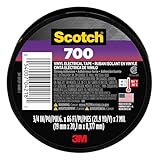
I used to think electrical tape was this magical black goo that could fix anything. Wires fraying? Slap some tape on. Leaky pipe under the sink? Electrical tape to the rescue. Boy, was I wrong. The biggest shocker? How much heat it can actually handle – or, more accurately, not handle. My first real “what the heck” moment with electrical tape happened about five years ago.
I was trying to insulate a dodgy connection on an old garden shed light fixture. It was getting a bit exposed to the elements, and I figured a good wrap of my trusty electrical tape would seal the deal. Fast forward a few weeks, and I noticed this weird, faint smell whenever the light was on. Then, one evening, I actually saw wisps of smoke.
It turns out, not all electrical tape is created equal, and asking ‘can electrical tape heat’ is a question you absolutely need to ask before you get burned, literally.
When the Tape Starts to Melt: Why Electrical Tape Gets Hot
Let’s get this straight: electrical tape is designed to insulate, not to be a fire-retardant shield for molten lava. Most standard vinyl electrical tapes have a temperature rating, and if you push them past that, they degrade. Think of it like stretching a rubber band too far – it loses its elasticity and eventually snaps. Electrical tape, under excessive heat, starts to lose its adhesive properties and its insulating capabilities. It can get gummy, brittle, or even start to melt and drip.
The primary culprit is usually the material itself. Standard electrical tape is typically made from PVC (polyvinyl chloride) and a specific type of adhesive. While PVC offers decent insulation for low-voltage applications, it has a melting point. When a wire or connection underneath it generates heat, that heat transfers through the tape. If the temperature rises above the tape’s threshold, the PVC can soften and deform. The adhesive can also break down, causing the tape to peel away, exposing the very wires you were trying to protect.
I learned this the hard way trying to repair a frayed cord on my old shop vacuum. It was pulling a lot of power, and the connection point was tucked away in a tight spot. I wrapped it up good and tight with what I thought was top-tier tape. A few hours later, I went to unplug it and the whole thing was warm to the touch, with a distinct chemical smell. Peeling back the tape revealed a gooey, melted mess underneath. The insulation on the wires had actually started to blister. That was a wake-up call. I went from thinking “can electrical tape heat?” to “how much heat can it not handle?”
The common advice is to use it for low-voltage, low-heat situations, and that’s generally true. But ‘low-voltage’ doesn’t always mean ‘low-heat.’ A device drawing a lot of current, even if it’s 12V, can get surprisingly hot. The resistance in the wires and connections is what generates heat. Higher current means more heat. So, it’s not just about the voltage; it’s about the amperage and the quality of the connection.
There’s also the question of prolonged exposure versus short bursts. A brief spike in temperature might be shrugged off by some tapes, but continuous operation at or near their limit will degrade them much faster. This is why understanding the specific temperature rating of your electrical tape is important. It’s not just a number; it’s a limit.
What to Look for When Buying Tape: Not All Black Tape Is Created Equal
This is where most people, myself included early on, get it wrong. You walk into the hardware store and see a whole aisle of black tape. You grab the cheapest one, slap it on, and think you’re done. Big mistake. You need to be looking at the specifications, specifically the temperature rating and the material. Not all electrical tape is designed for the same job, and the ones that can handle more heat are usually a bit more expensive and clearly labeled.
For general household repairs, low-voltage stuff like speaker wires or simple lamp cords, a standard vinyl tape from a reputable brand (like 3M Super 33+ or Scotch Super 88) is usually fine. These typically have a temperature rating around 176°F (80°C). That sounds like a lot, but in electrical terms, it’s not. If you’re dealing with anything that might get noticeably warm to the touch, you need something better.
Then there’s the high-temperature tape. These are often made from different materials, like ethylene propylene rubber or silicone, and have much higher temperature ratings, sometimes up to 266°F (130°C) or even more. These are the ones you want for situations where you suspect heat buildup. They’re also often more flexible and conformable, which helps create a better seal. I found this out when I was working on some automotive wiring. The engine bay gets hot, and standard tape just wouldn’t cut it. I ended up switching to a high-temp rubber splicing tape, and it made a world of difference. No more melted goo. (See Also: Can I Use Electrical Tape To Connect Wires )
The adhesive is also key. Some tapes use rubber-based adhesives that can get gummy when heated, while others use acrylic or silicone adhesives that are more stable at higher temperatures. Read the packaging! It might seem boring, but it’s the difference between a repair that lasts and one that causes you to ask ‘can electrical tape heat’ with a smoke detector blaring.
Here’s a quick rundown of what I’ve found in my toolbox:
| Type of Tape | Typical Temp Rating | Adhesive Type | Best For | My Verdict |
|---|---|---|---|---|
| Standard Vinyl (e.g., Scotch Super 33+) | Up to 176°F (80°C) | Rubber-based | Low-voltage, general purpose, non-heat applications | Good for basic stuff, but don’t push it. |
| High-Performance Vinyl (e.g., Scotch Super 88) | Up to 220°F (104°C) | Rubber-based | Slightly higher temps, more durable | A step up, worth the extra dollar. |
| Rubber Splicing Tape (e.g., 3M Scotchfil) | Up to 176°F (80°C) initially, but designed to bond to itself for insulation | Self-fusing, no separate adhesive | Splices, terminations where heat cycling occurs | Excellent for creating a smooth, insulative layer. Be sure to overlap properly. |
| High-Temperature Silicone Tape | Up to 356°F (180°C) or more | Silicone-based | High-heat environments, demanding applications | The serious stuff. Pricey, but if you need it, you need it. |
So, before you grab that roll, check the label. It’s not just about color; it’s about survival ratings.
Common Mistakes People Make (and I’ve Made Too)
The biggest mistake, as I’ve hammered home, is assuming all electrical tape is the same. Grabbing the cheapest roll and expecting it to perform miracles is a recipe for disaster. But there are other pitfalls too. One common error is not cleaning the surface properly before applying the tape. If you’re wrapping a wire or a connection that’s covered in dust, grease, or old adhesive residue, the tape won’t stick well. This loose connection can then become a point of failure, generating heat and eventually leading to tape degradation.
Another mistake is not overlapping the tape correctly. Electrical tape needs to overlap itself by at least half its width to create a continuous, insulative layer. If you leave gaps or don’t get enough overlap, you’re creating weak points. These weak points are more prone to electrical arcing and heat buildup. When I first started, I’d sometimes just wrap it a couple of times and call it good. That’s a shortcut that doesn’t pay off.
Overstretching the tape is also a problem. While some tapes are designed to be stretched to conform to irregular shapes, overstretching can thin the material too much, reducing its insulating properties and potentially weakening its structure. This is especially true for standard vinyl tapes. They can become brittle if stretched too much, and then they’re more likely to crack or tear when subjected to vibration or temperature changes. Think of it like pulling a piece of candy wrapper too thin – it gets weak and might tear unexpectedly.
Then there’s the application itself. People often use electrical tape as a permanent fix for something that should really be repaired or replaced. A frayed cord on a power tool, for example. While tape can be a temporary emergency fix, it’s not a long-term solution for damaged insulation. The wires are still compromised, and the tape is just a bandage. Eventually, the heat generated by the damaged wire, combined with the limitations of the tape, will lead to failure. I’ve seen people try to tape up appliance cords that are clearly falling apart. It’s asking for trouble, and the question of ‘can electrical tape heat’ becomes a very real problem then.
Finally, using the wrong type of tape for the environment. If the application is outdoors and exposed to UV rays, standard vinyl tape will break down much faster than UV-resistant tape. If it’s in a damp environment, you need a tape that offers good moisture resistance. Thinking about the long-term conditions the tape will face is just as important as the immediate electrical load.
Real-World Uses: Where Electrical Tape Actually Shines (and Where It Doesn’t)
Let’s be honest, electrical tape is incredibly versatile, but it has its limits. It’s fantastic for bundling wires together, keeping them neat and tidy. This isn’t just about aesthetics; organized wires are less likely to get snagged, pinched, or shorted. I use it constantly in my workshop to keep the spaghetti monster of cables behind my workbench under control. A few wraps around a bundle, and it’s suddenly manageable.
It’s also great for temporary insulation on low-voltage circuits. Think about speaker wire connections, or the wires on a simple LED strip. These applications typically don’t generate significant heat, so standard tape works perfectly. I once had a trailer light flicker out on a road trip. A quick wrap of electrical tape on a loose connection got me home safely until I could properly fix it later. (See Also: Can Electrica Tape Catch On Fire )
Where it really shines, in my opinion, is for creating a protective outer layer over other, more specialized tapes. For example, if you’ve used a self-fusing silicone tape to create a waterproof splice, you might wrap that with electrical tape for extra physical protection against abrasion and UV damage. It’s like a bodyguard for your more delicate insulating layers.
However, it’s a terrible choice for anything involving high temperatures or high current without careful consideration. I’ve already told you about the shop vac cord incident. Another time, I tried using it to insulate a heating element connection on a small appliance. It lasted about ten minutes before it started to smoke. The heat generated by the element was far beyond what the tape could handle. This is why understanding the ‘can electrical tape heat’ question is most important for safety.
It’s also not ideal for applications where the tape will be subjected to constant flexing or stretching. While it has some elasticity, it’s not designed to be a primary strain relief. For those situations, you’re better off with heat-shrink tubing or dedicated cable ties.
One area where people often misuse it is on car batteries. While you might see people wrapping terminal connections, this is generally a bad idea. Battery terminals experience significant current and can get warm, and the buildup of corrosion can also be an issue. Proper terminal protectors or anti-corrosion spray are far better solutions.
The key takeaway is to match the tape to the application. Don’t try to use a Swiss Army knife for surgery. Electrical tape is a fantastic tool, but it’s a tool for specific jobs, not a universal fix-all.
Practical Tips for Using Electrical Tape Effectively
Alright, let’s talk practicalities. You’ve got your tape, you’ve identified the job, and you’re ready to go. Here are a few things I’ve learned that make the job easier and safer. First, cut the tape to length with scissors or a sharp knife rather than tearing it. Tearing can sometimes stretch the tape unevenly or leave a ragged edge, which can compromise the seal. Cutting gives you a cleaner edge and more control.
When wrapping, start a bit before the area you need to cover and overlap each wrap by at least half. Work smoothly and consistently. If you’re wrapping a splice, try to keep the tape smooth and tight. Avoid wrinkles as much as possible. If you get a wrinkle, try to smooth it out or, if it’s a significant one, consider unwrapping and re-taping. A smooth wrap creates the best insulation and protection.
For really demanding applications where you need a solid, waterproof, and insulated connection, consider a layered approach. Start with a good quality self-fusing silicone tape to create the core insulation, stretching it as you wrap to fuse it to itself. Then, wrap that with a high-quality electrical tape for physical protection and UV resistance. This combination is much more durable and reliable than a single layer of anything.
Always store your electrical tape properly. Keep it in a cool, dry place away from direct sunlight. Heat and UV exposure can degrade the adhesive and the tape material over time, making it less effective. I’ve had rolls go bad just sitting in a hot toolbox in the summer sun.
When in doubt, err on the side of caution. If a connection feels excessively warm even after taping, or if you notice any signs of melting, smoking, or degrading tape, stop immediately. Turn off the power and reassess the situation. It might be time for a more permanent repair, a different type of connector, or even a professional electrician. The question ‘can electrical tape heat’ is one that demands respect. (See Also: Can I Substitute Duct Tape For Electrical Tape )
Finally, label your work if it’s a complex setup. A quick mark with a permanent marker indicating the type of tape used and the date can be incredibly helpful down the line, especially if you or someone else needs to troubleshoot it later. It’s the little things that save you headaches.
Frequently Asked Questions About Electrical Tape and Heat
Can Electrical Tape Catch Fire?
Yes, standard electrical tape can catch fire if it is subjected to temperatures significantly above its rating, or if it is in direct contact with an ignition source. The PVC material is flammable, and while it’s designed to resist ignition to some extent, extreme heat will cause it to break down, melt, and potentially ignite.
What Is the Maximum Temperature for Electrical Tape?
The maximum temperature varies greatly depending on the type of tape. Standard vinyl electrical tapes are typically rated for temperatures up to around 176°F (80°C). Higher-performance vinyl tapes might go up to 220°F (104°C), while specialized high-temperature tapes made from materials like silicone can withstand temperatures of 356°F (180°C) or even higher.
Will Electrical Tape Melt on a Hot Wire?
If the wire is hot enough to exceed the temperature rating of the electrical tape, then yes, the tape will begin to soften, melt, and degrade. Continuous exposure to heat above its rating will cause it to fail, losing its adhesive and insulating properties.
Is Electrical Tape Waterproof?
Most standard electrical tapes offer some degree of moisture resistance due to their plastic nature and the adhesive, but they are not entirely waterproof. They can help protect connections from splashes or light moisture. For truly waterproof applications, you typically need to use specialized self-fusing silicone tapes or waterproof connectors, often sealed with appropriate methods.
Can I Use Electrical Tape on Appliance Cords?
For minor nicks or abrasions on appliance cords, electrical tape can be a very temporary fix to prevent further damage. However, it is not a permanent solution for damaged insulation. If the cord is significantly frayed or damaged, it’s much safer to replace the cord or the appliance to avoid fire hazards and electrical shock.
Final Thoughts
So, can electrical tape heat? Absolutely, and that’s the whole point of understanding its limitations. It’s not some indestructible shield; it’s a specific tool for specific electrical jobs, primarily low-voltage and low-heat applications. Ignoring its temperature rating is like ignoring the speed limit – you might get away with it for a while, but eventually, you’re going to have a problem.
My biggest takeaway after years of fiddling with wires and tape is this: read the damn label. Seriously. The temperature rating, the material, the adhesive – it’s all there for a reason. If you’re dealing with anything that gets more than just a little warm, you need to step up your tape game. Don’t be like me in the early days, hoping the cheapest roll would somehow defy physics.
Next time you reach for that roll of black tape, take a second. Ask yourself what you’re really dealing with. Is it a quick fix for a speaker wire, or is it a hot connection under a car hood? Your safety, and the longevity of your repairs, depend on making the right choice. If you’re still unsure, or if the situation feels potentially dangerous, don’t hesitate to call in a professional. Sometimes, the smartest move is knowing when to step away from the tape.