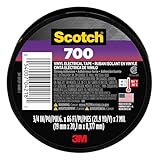
I remember the first time I tried to fix a leaky hose bib with electrical tape. Seemed like a no-brainer, right? Slap some tape on, seal the leak, done. Except, a day later, there was water everywhere. I stood there, staring at the soggy, peeling mess, feeling like a complete idiot. So, let’s cut to the chase: can electrical tape get wet? The answer, as you might have guessed from my little disaster, isn’t a simple yes or no. It depends. A lot.
Most people think electrical tape is just… tape. Waterproof, flexible, perfect for anything outdoors or exposed to the elements. Nope. That’s a myth that’s cost me time and, frankly, a good amount of money on replacement parts and, well, more electrical tape that didn’t work.
Why Your Electrical Tape Might Be Failing You in the Rain
Let’s get this straight from the jump: most standard vinyl electrical tapes you grab at the hardware store are NOT designed to be submerged or constantly exposed to heavy moisture. They’re primarily for insulating electrical connections.
Think about it – their main job is to prevent a short circuit, not to keep the Amazon rainforest out of your wiring. When they get soaked, the adhesive starts to break down. It loses its tackiness, and the tape itself can become brittle or stretchy, depending on the material.
I learned this the hard way trying to seal a garden hose that had a small split. I wrapped it thick, thinking more tape meant more seal. By the next morning, the tape was loose, the adhesive was a gooey mess, and the leak was worse.
Moisture is the enemy of that sticky stuff.
The vinyl itself can absorb water over time, especially if it’s a cheaper brand. This makes it less flexible and prone to cracking when you might need it to stretch or conform. The common advice you’ll find online is often about wrapping it tight and layering it up. While that helps somewhat, it doesn’t magically make a moisture-sensitive adhesive waterproof. It’s like trying to build a dam with tissue paper. You need the right tool for the job, and for anything involving significant water exposure, standard electrical tape is usually the wrong one. It’s designed for dry environments, to be a barrier against accidental contact with live wires, not a primary waterproofing solution for outdoor plumbing or exposed wiring.
What to Actually Look for When Water Is Involved
Okay, so if regular electrical tape is a no-go for wet situations, what IS? You need to be looking for tapes specifically designed for outdoor, high-moisture, or even submersion applications.
This usually means a different material and a different type of adhesive. Self-fusing silicone tape is a prime example. This stuff isn’t sticky in the traditional sense.
You stretch it as you wrap, and it fuses to itself, creating a solid, waterproof sheath. I used this on a boat trailer wire harness that was constantly getting splashed. It held up like a champ for two seasons before I eventually replaced the whole harness, but the tape itself was still solid.
It’s a bit trickier to apply than vinyl tape – you have to get the stretch just right – but the results are night and day.
Another option, though often more industrial, is mastic tape. This is a rubbery, self-adhesive material that’s designed to create a waterproof seal. It’s thicker, less flexible than vinyl tape, but when you need a serious barrier against water, it’s the stuff.
For less extreme, but still damp, conditions, some higher-quality vinyl tapes might have a more aggressive, water-resistant adhesive. You’ll often see them marketed for ‘exterior use’ or with terms like ‘heavy-duty’. But even then, I’m skeptical. (See Also: Can I Use Electrical Tape To Connect Wires )
I’ve found that ‘water-resistant’ often means ‘it won’t immediately fall off in a light drizzle,’ not ‘it will survive a monsoon.’ Always read the product specs, and if they don’t explicitly mention water immersion or heavy outdoor use, assume it’s for dry electrical insulation only.
Trying to find a tape that actually works in the wet is a common mistake, and it often comes down to believing the marketing hype over the actual intended use.
Common Mistakes People Make with Electrical Tape and Water
The biggest mistake, as I’ve hinted at, is assuming all electrical tape is created equal and that it’s inherently waterproof. It’s not. People see the stretchy nature and the sticky side and think, ‘perfect for sealing.’ But the adhesive is the weak link.
It’s designed to stick to clean, dry surfaces to hold insulation in place. Introduce water, and that bond starts to weaken, sometimes within hours. Another common error is not preparing the surface properly.
Even if you’re using a tape that can handle some moisture, applying it over dirt, grease, or old, peeling tape is a recipe for failure. You need a clean, dry surface for any tape to adhere properly, and that’s even more true when you’re expecting it to fight off water.
Overlapping incorrectly is also a huge problem. When wrapping something that’s exposed to water, you need to overlap generously and make sure each layer seals the edge of the layer below it. Think of it like shingles on a roof – water runs downhill. If your tape overlaps are oriented so water can get under the edge, it will eventually seep in.
I’ve seen folks wrap tape in a single direction, leaving gaps or weak points where water can exploit. My go-to method for anything that might get wet is to start wrapping a bit before the damaged area, go well past it, and then overlap each subsequent wrap by at least half the tape’s width. And even then, I’m still wary of how long it’ll last if it’s truly submerged.
The misconception that it’s a universal fix-all is the root of most failures.
Real-World Use: When Electrical Tape might Work (and When It Absolutely Won’t)
So, where does electrical tape actually shine, and where should you absolutely avoid using it, especially concerning moisture? For its intended purpose – insulating electrical connections in dry or moderately humid environments – it’s fine. Think inside junction boxes, behind wall plates, or on wiring inside a car’s cabin that’s unlikely to get drenched. It provides a good, flexible layer of protection against accidental contact and minor abrasion. I’ve used it to tidy up bundles of wires in my workshop, and it’s held up perfectly well there.
However, if you’re thinking about using it for outdoor extension cords that lie in puddles, repairing leaky garden hoses (unless it’s a very temporary, low-pressure fix), or sealing the bottom of a planter that’s going to sit in the rain, you’re asking for trouble. I once tried to temporarily fix a cracked RV storage compartment door that was exposed to rain. The electrical tape held for about two weeks before the constant dampness and UV exposure turned it into a sticky, gooey mess that ruined the paint underneath.
It also warped and peeled away, letting more water in. For anything that requires a solid, long-term waterproof seal, especially under pressure or constant exposure, you need specialized products like waterproof tape, mastic tape, or even proper weatherstripping and sealants.
Electrical tape is just not built for that kind of abuse. (See Also: Can Electrica Tape Catch On Fire )
The Myth of the ‘waterproof’ Electrical Tape
There’s this persistent myth that you can just wrap enough electrical tape around something to make it waterproof. I’ve seen people try to seal up air conditioning units, fix leaky pipes, and even patch up boat hulls with it. It’s a testament to how much we want a quick fix. But the reality is, most electrical tape, while flexible and insulating, isn’t designed for submersion or continuous water contact.
The adhesive is the first thing to go. Water molecules are tiny, and they can work their way under the adhesive layer, breaking the bond. Once that happens, the tape loses its seal, and water can get underneath, rendering your ‘waterproof’ fix useless. I remember trying to seal a leak on a roof flashing with electrical tape as a temporary measure.
It lasted about three days before the rain found its way underneath, making the problem worse and leaving a sticky residue that was a pain to clean off.
Even tapes marketed as ‘heavy-duty’ or ‘outdoor’ electrical tape often fall short when it comes to prolonged water exposure. They might withstand a brief splash or damp conditions better than standard vinyl tape, but they’re not a substitute for actual waterproof tapes designed for plumbing or marine applications. The term ‘waterproof’ in relation to standard electrical tape is, in my experience, usually misleading marketing. It’s a good electrical insulator for dry conditions, but for anything involving significant moisture, you’re better off looking at products specifically designed for that purpose, like self-fusing silicone tape or specialized waterproof repair tapes. Relying on it for water sealing is like expecting a raincoat to stop you from drowning – it’s just not what it’s made for.
Contrarian Take: When Electrical Tape can Buy You Time (maybe)
Now, here’s where I might go against the grain a bit. Everyone says electrical tape is useless for water.
And for permanent fixes, they’re 100% right. But can electrical tape get wet and still serve a purpose? Yes, for a very short, temporary, ‘get me out of a jam’ situation. Think of it as a last resort, a way to buy yourself an hour or two until you can get proper supplies.
I’ve used it to temporarily plug a very small hole in a kayak’s hull while I was still on the water just to keep it afloat long enough to paddle back to shore. I wrapped it super tight, multiple layers, and it held just enough. It was a mess when I got back, and I had to replace the section anyway, but it prevented me from sinking.
Another time, a small drip started from a pipe fitting under my sink. I didn’t have any pipe dope or sealant handy.
I wrapped the fitting with electrical tape – maybe five or six layers, pulled tight. It slowed the drip to a crawl, enough to put a bucket underneath and go buy the proper repair materials. This wasn’t a fix; it was a stop-gap measure. The key is understanding that it’s a temporary band-aid.
It won’t withstand pressure, constant flow, or UV exposure for long. The adhesive will break down, and the tape will start to peel. So, while I wouldn’t recommend using it for any water-related task, I will admit that in a pinch, it can sometimes prevent a minor disaster from becoming a major one, provided you have zero other options and a plan to fix it properly ASAP.
It’s about managing expectations and knowing its severe limitations.
Comparing Tape Options for Wet Environments
When you’re faced with a situation that involves moisture, the choice of tape becomes most important. Standard vinyl electrical tape is generally your worst bet for anything more than a brief splash. It degrades quickly when wet, and its adhesive fails. Here’s a quick rundown of what I’ve used and my honest opinion: (See Also: Can I Substitute Duct Tape For Electrical Tape )
| Tape Type | Pros | Cons | Verdict for Wet Use |
|---|---|---|---|
| Standard Vinyl Electrical Tape | Cheap, readily available, flexible | Adhesive fails in water, degrades in UV, not waterproof | Avoid for water. Only for dry insulation. |
| Self-Fusing Silicone Tape | Forms a solid, waterproof bond, good temperature resistance | Tricky application (requires stretching), can be bulky, not super abrasion-resistant | Excellent for sealing wires, hoses, pipes against water. Best bet for many DIY wet fixes. |
| Mastic Tape | Extremely tough, waterproof, good for sealing gaps and irregular surfaces | Very thick, stiff, less flexible, can be expensive | Industrial-grade waterproofing. Overkill for many small jobs, but great for serious applications. |
| Waterproof Repair Tape (e.g., Flex Tape) | Easy to apply, sticks well to many surfaces, often claims high waterproof ratings | Can be expensive, long-term durability in harsh conditions varies wildly, adhesive can fail over time | Good for temporary fixes on non-pressurized items. Test thoroughly. |
For general electrical work that might encounter humidity or occasional drips, like outdoor lighting fixtures or sprinkler system wiring, self-fusing silicone tape is usually my go-to. It’s far more reliable than standard electrical tape when it comes to keeping moisture out. I used it to seal the connection on an outdoor spotlight, and after two years, it was still as solid and dry as the day I applied it. The key is stretching it properly as you wrap so it fuses tightly to itself, creating a smooth barrier.
If you don’t stretch it, you’re just layering sticky tape that will eventually fail. For more solid, permanent sealing against water, especially on pipes or larger conduits, mastic tape is the bomb. It’s not pretty, but it works. I’ve used it on some outdoor HVAC ducting where water intrusion was a problem, and it sealed it up tight.
Flex tape and similar products are good for quick patches on things like leaky buckets or cracked hoses, but I’ve found their long-term adherence in constantly wet environments to be hit-or-miss, so always have a proper repair ready to go.
Frequently Asked Questions About Electrical Tape and Water
Can Electrical Tape Be Used Underwater?
Generally, no. Standard vinyl electrical tape is not designed for prolonged underwater use. The adhesive will break down, and the tape will lose its integrity, allowing water to seep in. Specialized tapes like self-fusing silicone tape are much more suited for underwater applications as they fuse to themselves, creating a waterproof seal without relying on a traditional adhesive.
How Long Does Electrical Tape Last on a Wet Surface?
It depends heavily on the type of electrical tape and the degree of moisture. Standard vinyl electrical tape might only last a few hours to a couple of days on a wet surface before the adhesive starts to fail and it peels off. Water-resistant or heavy-duty electrical tapes might last longer, but they are still not a substitute for a truly waterproof solution and their lifespan in constant wet conditions will be significantly reduced.
What Is the Best Tape for Sealing Outdoor Electrical Connections Against Rain?
For outdoor electrical connections exposed to rain, self-fusing silicone tape is a highly recommended option. It creates a solid, waterproof seal by fusing to itself. High-quality waterproof repair tapes designed for outdoor use can also work, but always make sure they specify suitability for electrical applications and prolonged moisture exposure. Avoid standard vinyl electrical tape for this purpose.
Will Water Damage Electrical Tape?
Yes, water can damage electrical tape by compromising its adhesive properties and potentially affecting the integrity of the tape material itself over time. For standard vinyl electrical tape, water exposure significantly reduces its lifespan and effectiveness as an insulator or sealant. It’s designed for dry electrical insulation, not for resisting water ingress.
What’s a Good Temporary Fix for a Leaky Pipe If I Only Have Electrical Tape?
In a pinch, electrical tape can serve as a very temporary emergency fix for a minor, low-pressure pipe leak. Wrap the affected area tightly with multiple layers of tape, making sure generous overlap. This might slow or stop a small drip for a short period, allowing you to get proper repair materials. However, it is not a reliable or long-term solution and should be replaced with appropriate plumbing sealant or tape as soon as possible.
Final Verdict
So, can electrical tape get wet? The short, blunt answer is: it’s a terrible idea for anything important. While it might buy you a few hours in a desperate, no-other-option emergency, relying on it for any kind of waterproofing is just asking for trouble. The adhesive fails, the tape degrades, and you often end up with a bigger mess than you started with.
If you need to seal something against water, whether it’s wiring, a leaky hose, or a crack, reach for the right tool. Self-fusing silicone tape, mastic tape, or dedicated waterproof repair tapes are your friends. They’re designed for the job and will actually work. Save your standard electrical tape for its intended purpose: insulating wires in dry conditions. Don’t waste your time and money on a fix that’s doomed to fail.
Next time you’re tempted to reach for that roll of black tape to fix a wet problem, take a breath and consider if the short-term convenience is worth the long-term headache. A little extra effort to get the right material now will save you a lot of hassle later.