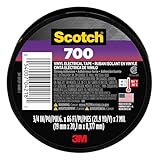
I remember the first time I saw someone wrap a frayed wire with electrical tape and then just… leave it. It looked sketchy, and my gut screamed “NOPE.” But then I saw them power something up, and it… worked. It’s one of those things that makes you question everything you thought you knew about DIY electrical work. So, can electrical tape touch live wires? Let’s cut through the noise and get to what actually matters.
This isn’t about theoretical perfection; it’s about what you can actually get away with, and more importantly, what you should get away with. I’ve spent way too much time and money trying to fix shoddy electrical jobs, and I’ve learned a thing or two the hard way. Forget the corporate jargon; this is the real deal.
The Actual Insulating Properties (or Lack Thereof)
Look, the whole point of electrical tape is to insulate. That’s its job description. But here’s the kicker: not all electrical tape is created equal, and even the good stuff has limits. Most of it is made from vinyl, which is a decent insulator, but it’s not magic. It’s designed for low-voltage applications, temporary fixes, and to prevent accidental shorts when you’re, say, reconnecting a lamp cord. If you’re dealing with anything that’s going to be carrying a serious load, or anything that’s going to be physically stressed, you’re playing with fire – literally.
I had this one incident with a cheap, no-name brand of electrical tape I bought online. It was a multipack, super cheap.
I was fixing a garden light that had a wire chewed by a squirrel. Seemed simple enough. I wrapped it up, feeling pretty smug about my DIY skills.
The next time it rained, I heard a crackle and saw a blue flash. Turns out, that cheap tape wasn’t as water-resistant or as solid as it needed to be.
The moisture got in, and the insulation failed spectacularly. Lesson learned: cheap tape is often a false economy. It might keep the wires from touching right now, but it won’t hold up over time, especially when exposed to the elements or heat.
The common advice is to always disconnect power before doing any electrical work, and that’s not just a suggestion; it’s the law and the safest bet. But the question is about touching live wires, implying a potential accidental contact or a situation where de-energizing isn’t immediately feasible. The reality is, if a wire is live, it has voltage. Electrical tape provides a barrier, but it’s a barrier that can be breached by voltage, especially if it’s damaged, stretched too thin, or the tape itself is of poor quality. So, while the tape can touch a live wire without immediate catastrophic failure (if it’s good tape, applied correctly, and the voltage isn’t excessive), it’s a situation you want to avoid like the plague.
I once spent about $40 on a roll of premium electrical tape, thinking it would solve all my problems. It was thick, super sticky, and had this rubbery feel.
It was supposed to be good for high-voltage applications. I was working on an old appliance, and a wire looked a bit frayed. I slapped on a few layers of this fancy tape.
A week later, I got a nasty shock when I touched the metal casing. The tape had stretched and weakened from the ambient heat inside the appliance, and the live wire made contact. The “premium” tape was still better than the cheap stuff, but it still failed. (See Also: Can I Use Electrical Tape To Connect Wires )
It reinforced my belief that even the best tape has its limits, and those limits are often lower than you think.
What to Actually Look for in Electrical Tape
So, if you absolutely must use electrical tape in a situation where there’s a risk of contact with live wires, or you’re making a repair that might be exposed to more than just a gentle environment, what should you be looking for? Forget the generic rolls from the dollar store. You want tape that’s specifically rated for electrical work and, ideally, has some sort of recognized standard behind it. Look for brands that are known for quality in the electrical supply world. Think 3M, Scotch Super 33+ or Super 88. These are not cheap, but they are built for purpose.
Here’s what makes a difference: the material itself. Good electrical tape is usually a vinyl compound that remains flexible over a wide temperature range. It needs to stretch without breaking, allowing you to wrap it tightly around irregular shapes and create a smooth barrier. It also needs to resist abrasion, moisture, and UV exposure if it’s going to be used anywhere outdoors or in a damp environment. The adhesion is also key. It needs to stick to itself and to the wire jacket without peeling off over time or becoming brittle. I’ve seen tape that looks fine on the outside but has lost all its stickiness underneath, leaving a loose, gaping hole for trouble to creep in.
The thickness of the tape is another factor. Thicker tapes offer better insulation and physical protection. When you’re wrapping a wire, you’re not just putting on one layer. You’re layering it, overlapping each turn by at least half to build up a solid barrier. This is where those cheaper, thinner tapes fall apart. You end up using half the roll for a single repair and still not feeling confident about it.
Here’s a quick rundown of what I’d consider when buying, with my own little verdict:
| Brand/Type | Pros | Cons | Verdict |
|---|---|---|---|
| Generic Cheap Tape | Inexpensive | Poor adhesion, brittle, low temp/UV resistance, thin. | Avoid like the plague. For non-important, dry, low-voltage only. |
| Mid-Range Brand | Decent flexibility, better adhesion than cheap. | May not hold up to extreme temps or moisture. | Okay for indoor, dry, static applications. Not for important repairs. |
| 3M Super 33+ / 88 | Excellent flexibility, superior adhesion, good temp range, UV/moisture resistant. | Expensive. | The go-to for reliable repairs where safety is most important. Worth the cost. |
| Rubber Splicing Tape | Excellent for sealing and waterproofing, self-fusing. | Can be bulky, requires careful application for best results. | Best for truly harsh environments or important splices where waterproofing is key. Not usually what people mean by ‘electrical tape’. |
People often ask if electrical tape is truly waterproof. The answer is: some are better than others, but you can’t just wrap a wire and toss it in a puddle and expect it to be fine forever. Rubber splicing tape, which is a different beast entirely, is much more water-resistant. Standard vinyl electrical tape can offer a degree of water resistance when applied correctly, with generous overlap, but it’s not its primary function.
Common Mistakes People Make
The biggest mistake, hands down, is thinking electrical tape is a permanent fix for damaged wire insulation. It’s not. It’s a temporary bandage. If you’ve got a nick, a cut, or a section of insulation that’s degrading, tape is just a stop-gap. The wire is still compromised. The underlying problem hasn’t been addressed. I’ve seen people tape up wires that are fraying from constant flexing or wires that have been chewed by something and then just expect them to last. Eventually, the tape will degrade, or the wire will break at the point of damage, and you’ll be back to square one, possibly with a much bigger problem.
Another huge blunder is not using enough tape. People get stingy with it. They’ll wrap it once or twice around a spot, thinking that’s enough. It’s not. You need multiple layers, overlapping generously, building up thickness and making sure there are no gaps. Think of it like painting; you often need a second coat for good coverage and durability. For electrical tape, you want to build up a good quarter-inch or more of thickness over the damaged area. This provides both insulation and some physical protection. I’ve seen repairs that looked like a single, thin ribbon wrapped haphazardly. That’s an invitation for disaster.
Stretching the tape too much is also a common error. While you need to stretch it to get it to conform and stick well, overstretching can weaken the material, making it thinner and more prone to tearing or failing under voltage. It can also compromise its elasticity, meaning it won’t spring back and maintain its seal as effectively over time, especially with temperature changes. It’s a fine line between getting it to adhere and turning it into a fragile, useless film. My rule of thumb is to stretch it just enough so that it adheres nicely and hugs the wire, but not so much that it feels like it’s about to snap.
And then there’s the classic: thinking all electrical tape is the same. As I mentioned before, I learned this the hard way. Using tape that isn’t rated for electrical applications, or is old and degraded, is just asking for trouble. It might look like electrical tape, smell like electrical tape, but if it’s made from the wrong materials or has gone bad, it won’t perform like electrical tape. I once tried to use some old vinyl tape I found in a junk drawer for a quick fix. It was cracked and brittle, and it practically fell apart as I tried to apply it. Needless to say, that repair didn’t last five minutes. (See Also: Can Electrica Tape Catch On Fire )
Many people also fail to properly prepare the wire surface. Dirt, oil, or moisture on the wire can prevent the tape from adhering properly, leading to premature failure. While it’s not always practical to clean a live wire, if you are de-energizing, a quick wipe down with a clean cloth can make a significant difference to the longevity of your repair.
Real-World Use Cases: When It’s Okay and When It’s Not
Let’s be blunt: electrical tape is rarely the ideal solution for anything serious. If you have exposed wires, especially on something that’s regularly used or moved, you should be looking at proper wire connectors, heat shrink tubing, or replacement parts. However, there are situations where it’s a viable, even necessary, part of the repair process.
For low-voltage applications, like fixing a lamp cord that has a minor scuff, or temporarily securing loose wires inside an appliance that’s unplugged, good quality electrical tape is perfectly fine. It’s also great for bundling wires together to keep them neat and organized. I’ve used it to secure wire loom or conduit when running new wiring in my car, to prevent chafing. In these scenarios, the risk of direct contact with live current is minimal or eliminated by unplugging the device.
Where it gets dicey is on anything carrying significant current, or anything exposed to the elements, heat, or physical stress. Think about appliance repairs, car wiring (especially under the hood), outdoor lighting, or extension cords that get dragged around. In these cases, if the insulation is compromised, electrical tape is usually a temporary patch at best, and a dangerous one at worst. My contrarian opinion? Most people use electrical tape as a crutch for repairs that should be done with proper connectors or replacement parts. They see a frayed wire and think ‘tape it up,’ instead of thinking ‘replace the damaged section’ or ‘use a proper splice.’ It’s often a sign of a job half-done.
I once had to fix a broken wire on a power tool that had a very tight internal space. De-energizing was easy, but fitting a bulky wire nut or heat shrink was impossible without dismantling half the tool. Electrical tape, applied in multiple careful layers, was the only practical way to insulate the splice without making it too big. It wasn’t ideal, but it was the best available solution in that specific, constrained situation. And importantly, I made sure to use high-quality tape and layer it generously.
The key is to assess the risk. What’s the voltage? What’s the current? What are the environmental conditions? Is this a temporary fix until a proper repair can be made, or is it intended to be permanent? If the answer to any of those involves high voltage, high current, harsh conditions, or a desire for permanent safety, then electrical tape is probably not your guy. It’s a tool for specific, limited, and often temporary situations. The question of ‘can electrical tape touch live wires’ should really be framed as ‘should electrical tape be relied upon to insulate live wires?’ And the answer to that is almost always no.
When to Use Proper Connectors or Heat Shrink
Let’s talk about when you should absolutely, unequivocally, ditch the electrical tape and opt for something more solid. If you’re dealing with a wire that’s been cut completely through and needs to be rejoined, electrical tape is NOT the answer for the splice itself. You need a proper mechanical connection. This is where wire nuts (for solid or stranded copper wires in junction boxes), crimp connectors, or lever-lock connectors like Wago connectors come into play. These create a secure electrical and mechanical bond that tape simply cannot replicate.
After making the connection with one of these proper connectors, then you might use electrical tape, but only for added insulation and protection of the connector and the wires leading into it. But the primary electrical connection must be made by the connector. Think of the tape as a raincoat for the connector, not the connector itself. I’ve seen people just twist wires together and then wrap them with tape, and I swear, it makes my teeth ache. That’s a ticking time bomb.
Heat shrink tubing is another superior option for insulating wire splices. Once you’ve made your splice with a connector, you can slide a piece of heat shrink tubing over the splice, heat it with a heat gun (or sometimes even a lighter, carefully!), and it shrinks down, creating a snug, protective, and often waterproof seal.
It looks professional, it’s incredibly durable, and it provides excellent insulation. It’s a much more reliable long-term solution than just tape. I remember the first time I used heat shrink tubing on a repair in my car’s trailer wiring. The result was so clean and solid-looking, I felt like a professional electrician. (See Also: Can I Substitute Duct Tape For Electrical Tape )
It cost me about $10 for a pack of assorted sizes, and it’s lasted for years without a hiccup.
Consider a situation where you have a wire that’s been abraded and the insulation is worn down, but the wire itself is intact. If this is in a high-vibration environment, like a vehicle or heavy machinery, electrical tape will likely work itself loose or fail over time due to the constant movement. A better approach would be to slide a piece of heat shrink over the damaged area, repair the wire if necessary (though ideally, you’d replace the entire cord or cable if it’s that badly damaged), and then shrink the tubing. This provides a flexible, secure, and long-lasting repair that moves with the wire.
For anything that’s going to be handled, moved, or exposed to anything more than a gentle, dry environment, you’re better off investing in proper connectors and heat shrink. It might take a little more time and a few extra dollars upfront, but it’s infinitely safer and more reliable in the long run. The peace of mind alone is worth it. Don’t be the person who has to fix a fire hazard they created because they tried to cut corners with tape.
Practical Tips for Using Electrical Tape Safely
Alright, so you’ve assessed the situation, and you’ve decided that, for this specific temporary fix, electrical tape is your only practical option. How do you do it right? First and foremost, always, always, always turn off the power at the breaker or unplug the device. I know we’re talking about touching live wires, but if you can avoid it, do it. Safety first, always. If you absolutely cannot de-energize the circuit for some reason (which is rare and usually means you need a professional), then you’re already in a high-risk scenario, and using tape is a desperate measure.
When applying the tape, start a good inch or two before the damaged section and extend it an inch or two past it. This makes sure you’re covering the compromised insulation and anchoring the tape to good, solid insulation. Overlap each layer by at least half the width of the tape. This creates a smooth barrier and prevents moisture from getting in. Don’t be shy with the tape; build up multiple layers. I’d recommend at least four to six layers for a decent repair, maybe more if the damage is significant.
Use the tape’s own adhesion to stick it to itself. Don’t use any other adhesives or glues. The tape is designed to stick to itself, and the vinyl compound forms a strong bond over time. As I mentioned before, don’t overstretch the tape. Stretch it enough to make it conform and adhere smoothly, but not so much that it thins out to the point of transparency or feels like it’s going to snap. Work slowly and deliberately, smoothing out any wrinkles or air bubbles as you go.
Keep the tape clean and dry before you apply it. Don’t touch the sticky side with your fingers. If the tape itself is old, brittle, or loses its stickiness, discard it and get a fresh roll. It’s not worth the risk. And remember, this is a temporary fix. Once you’ve got the opportunity, go back and perform a proper repair using appropriate connectors or replace the damaged cable or component. Consider this tape job a temporary bandage that needs to be replaced with stitches (or a new limb!) as soon as possible.
Here are a few final tips:
- Always buy good quality tape from a reputable brand.
- Make sure the wire is dry before applying tape.
- Start and end the tape wrap well beyond the damaged area.
- Overlap each layer by at least 50%.
- Build up at least 4-6 layers for adequate insulation.
- Inspect your tape job periodically, especially if it’s in a challenging environment.
- Plan for a permanent repair as soon as possible.
People often wonder about the difference between electrical tape and duct tape. Duct tape is for sealing, holding things together temporarily, and generally making a mess look less messy. It’s not an insulator. It’s often sticky and will leave a residue. Electrical tape is specifically formulated to insulate and protect wiring. Never, ever use duct tape for electrical insulation. It’s like trying to put out a fire with gasoline.
Verdict
So, can electrical tape touch live wires? The short, blunt answer is: it can, and sometimes it might seem to work for a while, but it’s a gamble you shouldn’t be taking if you can avoid it. It’s a temporary band-aid, not a permanent solution, and even then, only if you’re using top-tier tape and applying it perfectly.
My experience tells me that relying on electrical tape for anything more than a quick, low-voltage, temporary fix is asking for trouble down the line. It’s like using a prayer and a piece of chewing gum to fix a leaky roof during a hurricane. It might hold for a minute, but you’re going to get soaked.
For any real repair, especially where safety is a concern, invest in proper connectors, heat shrink tubing, or just replace the damaged component. Your future self, and anyone else who might touch that electrical device, will thank you. Don’t let a cheap roll of tape be the reason you have to call an expensive electrician or, worse, deal with a fire.