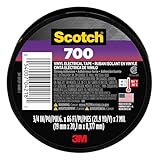
Look, let’s cut to the chase. You’re probably staring at a frayed wire, a hot pipe, or maybe just a DIY project that’s gone a little… warm. And you’re asking yourself, ‘Can electrical tape take heat?’ I’ve been there. I’ve grabbed the first roll of tape I could find, thinking it was a universal fix, only to have it ooze, melt, or worse, fail spectacularly when I needed it most.
The common wisdom is that electrical tape is for electrical jobs, period. But life isn’t always so neat. Things get hot. And sometimes, you just need something that sticks and holds, even when things heat up.
What ‘heat’ Are We Even Talking About?
When people ask if electrical tape can handle heat, they’re usually not talking about a gentle warming. They’re talking about situations where things get genuinely hot. Think engine bays, near exhaust pipes, on light fixtures, or even just a particularly overloaded extension cord. Most standard vinyl electrical tapes are designed for typical ambient temperatures, maybe up to around 175°F (80°C). Beyond that, you’re entering territory where things start to go south, fast.
I learned this the hard way trying to insulate some wiring near a motorcycle exhaust. I used a cheap, no-name brand, and within an hour of riding, it started to sag. By the end of the day, it looked like a melted mess. Not only did it fail its primary job, but it also left this sticky residue that was a nightmare to clean off. That’s when I started looking into what makes tape ‘heat resistant’ and what brands actually deliver.
The key is often the material. Standard electrical tape is typically made from PVC (polyvinyl chloride). While it’s flexible and a good insulator, its temperature limit is its Achilles’ heel. Some tapes might list a higher maximum operating temperature, but that’s often under ideal conditions and for short durations. Continuous exposure to higher temperatures is a different beast altogether. You need tape specifically formulated for higher heat, often using different polymers or backing materials.
For instance, some tapes are made from vinyl compounds with additives that push their temperature rating up. Others might use materials like EPR (ethylene propylene rubber) or silicone rubber, which are inherently more heat-tolerant. But again, you have to read the fine print. A tape that can handle 200°F (93°C) is a step up, but it’s not going to cut it if you’re dealing with something that regularly hits 400°F (204°C) or more.
One of the most common mistakes I see people make is assuming all electrical tape is created equal. You walk into the hardware store, grab a roll, and think you’re good. But the cheap stuff, or even some mid-tier brands, will melt and fail when the going gets hot. It’s like buying the cheapest tire for a race car; you might get away with it for a bit, but it’s not built for the stress.
Beyond the Basics: What Makes Tape Handle the Heat?
So, what separates a tape that melts into goo from one that stays put when things get toasty? It’s all about the materials and construction. Standard vinyl electrical tape, the kind you’ll find everywhere, has its limitations. Its plasticizers can break down under heat, and the adhesive can lose its grip. The material itself can soften and deform.
When you need real heat resistance, you’re looking at specialized tapes. High-temperature electrical tapes often use different base materials. For example, fiberglass cloth tapes, often coated with silicone or PTFE (Teflon), can handle extreme temperatures. These are usually thicker, less stretchy, and more expensive, but they are built for the furnace, not just the mildly warm wire. (See Also: Can I Use Electrical Tape To Connect Wires )
Then there are self-fusing silicone tapes. These aren’t sticky in the traditional sense. You stretch them as you wrap, and they fuse to themselves, creating a solid, smooth insulating layer. They excel at high temperatures and are great for sealing and insulating in demanding environments. I used a roll of this stuff to repair a cracked hose on my old lawnmower that was constantly exposed to engine heat, and it held up for years. It’s not traditional electrical tape, but for heat-related insulation and sealing, it’s a champion.
Adhesives also play a huge role. Even a heat-resistant backing material is useless if the glue holding it on turns into a runny mess. High-temperature tapes use adhesives designed to withstand heat without degrading. Acrylic and silicone-based adhesives are common in these applications. They maintain their tack and bonding strength at higher temperatures where rubber-based adhesives would fail.
When you’re shopping, don’t just look for ‘electrical tape.’ Look for terms like ‘high-temperature electrical tape,’ ‘wire and cable tape,’ or specific temperature ratings like ‘200°C rated’ or ‘rated for up to 500°F.’ Always check the manufacturer’s specifications. Some brands are much better than others. 3M, for example, has a range of tapes for different temperature applications, and their Super 33+ is a decent all-rounder for moderate heat, but their higher-end tapes are where you go for serious temps.
My Meltdown: A Story of Overconfidence and Cheap Tape
I was working on an old tube amplifier I’d picked up. These things get hot. Like, seriously hot. Tubes glow, transformers hum with warmth, and the air around them feels thick. I needed to re-wrap a section of wiring near the power transformer that had gotten brittle over the years. My brain, in its infinite wisdom, said, ‘Electrical tape. It’s electrical, right? So electrical tape it is.’ I had a generic, brightly colored roll – probably bought in a multipack for a buck or two.
I wrapped it up, feeling pretty pleased with myself. It looked neat, it held the wires together, and I fired up the amp. For the first hour, everything was fine. The sound was great, no issues. But then I started to notice a faint, acrid smell. And then, a wisp of smoke. I immediately killed the power, heart pounding. Peeling back the tape revealed a sticky, black, melted blob. The adhesive had run everywhere, and the vinyl itself had started to sag and bubble. It hadn’t just failed; it had created a potential fire hazard.
That experience cost me about $30 for a proper high-temperature silicone tape and a couple of hours cleaning up the mess. More importantly, it taught me a valuable lesson: not all electrical tape is made for heat. The cheap stuff, and even some standard-issue tapes, are designed for low-voltage insulation in cool environments, not for the kind of warmth you find in many real-world applications. If you’re dealing with anything that gets significantly warm, or anything near an engine or heating element, you absolutely must use tape rated for those temperatures. Otherwise, you’re just asking for trouble, and it’s not a matter of ‘if,’ but ‘when’ it will fail.
When to Use What: A Practical Guide
Alright, so you know you need something more than your average blue or black vinyl tape for heat. But what exactly? Here’s a breakdown of what I reach for and when:
| Application | Recommended Tape Type | Why it Works | Verdict |
|---|---|---|---|
| General Wiring (under 175°F/80°C) | Standard Vinyl Electrical Tape (e.g., 3M Super 33+) | Good flexibility, electrical insulation, cost-effective. | My go-to for most household electrical tasks. Reliable for normal temps. |
| Warm Electronics (175°F-250°F / 80°C-121°C) | High-Temp Vinyl or Rubber Splicing Tape | Better heat resistance, good adhesion at higher temps. | Solid upgrade for appliances, automotive interiors, or near mild heat sources. |
| Hot Automotive/Industrial (250°F-500°F / 121°C-260°C) | Silicone Self-Fusing Tape | Fuses to itself, excellent thermal stability, waterproof. | This is where the real heat resistance starts. Great for engine bays, hoses, and high-temp wiring. A bit fiddly to apply but worth it. |
| Extreme Heat (500°F+ / 260°C+) | Fiberglass Tape with Silicone or PTFE Coating | Non-flammable, withstands extreme temperatures, mechanically strong. | For serious industrial applications, very close to exhaust or heating elements. Expensive but indispensable if needed. |
People often ask if you can just layer regular electrical tape to increase its heat resistance. The short answer is no. While a few layers might give you a bit more physical protection, the tape material itself and its adhesive have a thermal limit. Once that limit is breached, the layers won’t magically protect each other; they’ll all degrade. It’s about using the right material for the job from the start. (See Also: Can Electrica Tape Catch On Fire )
Common Mistakes and How to Avoid Them
I’ve made my fair share of blunders with tape, and heat is a big one. Here are the pitfalls I’ve tripped over, and how you can sidestep them:
- Using the Wrong Tape for the Temperature: This is the biggie. Grabbing any old electrical tape for a hot job is a recipe for failure. Always check the temperature rating. If it’s not specified, assume it’s for ambient temps.
- Ignoring the Adhesive: The tape material might be rated for heat, but if the adhesive melts and oozes, the tape will peel off. Look for tapes with high-temperature adhesive systems.
- Thinking ‘More Layers = More Heat Resistance’: As I mentioned, this is a myth. One layer of the correct tape is far better than five layers of the wrong tape.
- Applying to a Dirty or Oily Surface: Heat can exacerbate poor adhesion. Make sure the surface you’re taping is clean, dry, and free of grease or oil. This is especially true for automotive applications.
- Not Allowing for Expansion/Contraction: Materials expand when heated and contract when cooled. If you wrap tape too tightly around something that cycles through wide temperature changes, it can break or pull away. Sometimes a slightly looser wrap, especially with self-fusing tapes, is better.
- Buying the Cheapest Option: Honestly, for anything involving heat, the few extra dollars you spend on a quality, properly rated tape are worth it. The cost of failure – damage, fire, or a failed repair – is far greater.
One piece of advice I often hear that I disagree with is that any tape will do in a pinch. ‘Just wrap it tight and hope for the best!’ No. That’s not advice; that’s an invitation to a problem. A ‘pinch’ situation usually implies you’re in a tight spot where reliability is most important. Using the wrong tool, like standard electrical tape on a hot wire, guarantees it will fail when you need it most. It’s better to wait, get the right material, and do it once.
Practical Tips for Using Heat-Resistant Tape
So, you’ve got the right tape. Now, how do you make sure it does its job? It’s not just about slapping it on. Here are a few tricks I’ve picked up:
Preparing the Surface
Before you even unroll your fancy high-temp tape, clean the area. For wires, a quick wipe with isopropyl alcohol can remove oils and dust. For metal surfaces, make sure they’re free of rust or grime. A clean surface is key for any adhesive to bond properly, especially under stress like heat.
Application Technique
With standard electrical tape, you want to stretch it slightly as you wrap. This creates a tight, conforming layer. Overlap each wrap by about half the width of the tape. This makes sure there are no gaps for heat or contaminants to get through.
For self-fusing silicone tapes, the technique is different. You stretch it significantly as you wrap. The tape bonds to itself through vulcanization, creating a solid, smooth insulation. Start a few inches before the damaged area and extend a few inches past it. Apply firm, consistent tension.
Overlapping and Sealing Ends
When finishing your wrap, extend the tape a good inch or two onto the intact insulation or surface. This seals the end and prevents heat or moisture from creeping under the edge. For really demanding applications, sometimes a wrap of high-temperature adhesive tape over the self-fusing tape can add an extra layer of mechanical protection, though it’s often unnecessary if the silicone is applied correctly.
Testing and Monitoring
After applying, give the tape a chance to cure if the manufacturer recommends it. Then, if possible, test the application. If it’s a wire, apply power and let it heat up to its normal operating temperature. Watch and smell for any signs of trouble. For repairs, keep an eye on it for the first few cycles of heating and cooling. (See Also: Can I Substitute Duct Tape For Electrical Tape )
When in Doubt, Go Higher Temp
If you’re borderline between two temperature ratings, always opt for the higher one. It’s cheap insurance. A tape rated for 400°F (204°C) will perform just fine at 200°F (93°C), but the reverse is not true. I’ve found that investing in a tape that’s rated well above your expected maximum temperature will give you peace of mind and longevity.
Faq Section
Can Electrical Tape Be Used for Heat Shrink Tubing?
No, electrical tape is not a direct replacement for heat shrink tubing. Heat shrink tubing is specifically designed to shrink and form a tight, protective seal when heated, providing excellent insulation and strain relief. Electrical tape, especially standard vinyl types, can melt or degrade under the heat required to activate heat shrink, and it doesn’t offer the same mechanical strength or smooth seal.
What Is the Maximum Temperature for Electrical Tape?
The maximum temperature for standard vinyl electrical tape is typically around 175°F (80°C). Some higher-temperature vinyl tapes or rubber splicing tapes can go up to 200°F (93°C) or slightly higher. For temperatures exceeding this, you need specialized tapes like silicone or fiberglass tapes, which can handle 300°F (150°C) to well over 500°F (260°C).
Is Electrical Tape Waterproof?
Most standard vinyl electrical tapes offer some degree of moisture resistance, especially when applied correctly with proper overlap. However, they are not inherently waterproof. Prolonged immersion in water or exposure to high-pressure water can degrade the tape or allow moisture to seep underneath. Self-fusing silicone tapes, on the other hand, are often excellent at creating a waterproof seal.
Can I Use Electrical Tape on a Hot Exhaust Pipe?
Absolutely not. A standard electrical tape will melt and fail almost immediately on a hot exhaust pipe. You would need a specialized high-temperature tape, such as a fiberglass tape with a silicone or PTFE coating, designed for extreme heat applications (often rated for 500°F/260°C and above). Even then, it’s a temporary fix at best and not ideal for direct contact with very high heat sources.
What’s the Difference Between Electrical Tape and Duct Tape for Heat?
Electrical tape is designed for electrical insulation and flexibility, with temperature limitations. Duct tape is a general-purpose adhesive tape, often with a fabric backing and a rubber-based adhesive. Its heat resistance is generally poor, and the adhesive can melt and become gummy at moderate temperatures. Neither is suitable for high-heat applications; you need specialized high-temperature tapes for those jobs.
Verdict
So, to bring it back to the question at hand: can electrical tape take heat? The answer is a resounding ‘it depends,’ but usually, the kind you have in your junk drawer, no. Standard vinyl electrical tape is decidedly not built for significant heat. It’s for insulating wires in cool, dry environments. If you’re dealing with anything that gets more than just a little bit warm, you need to step up your game.
My advice? Don’t gamble. If a job involves heat, check the tape’s temperature rating. If it’s not clearly stated or if it’s low, get the right stuff. Silicone self-fusing tape or a good fiberglass tape will save you a world of headaches and potential disaster. It’s one of those areas where spending a few extra bucks upfront for quality and the correct rating is a no-brainer.
Next time you’re tempted to grab that roll of blue tape for a hot wire, just stop and think about my melted mess. Get the right tape, do the job right, and avoid the smoky smell of failure. Understanding can electrical tape take heat, and knowing the alternatives, is key to keeping your projects safe and functional.