I remember staring at a frayed wire loom under the hood of my old Honda Civic, a bit of panic bubbling up. It was a hot summer day, and the engine bay felt like a sauna. My first thought? Grab some electrical tape. It’s everywhere, it’s cheap, and it seems like the obvious fix for anything electrical. But then the nagging question popped into my head: can electrical tape withstand engine heat? It’s a question a lot of us DIYers wrestle with when the heat is on, literally.
We’ve all seen it used for quick fixes on bikes, lawnmowers, heck, even around the house for non-important stuff. But under the hood of a car? That’s a whole different ballgame. The temperatures can climb way beyond what you’d expect just by touching the hood. So, can this common, everyday tape really hack it in the intense environment of an engine compartment?
So, What’s the Deal with Electrical Tape and Heat?
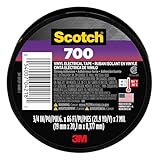
Let’s cut to the chase: standard electrical tape, the kind you buy at any hardware store for like, three bucks a roll, is generally a terrible idea for anything directly exposed to significant engine heat. And when I say significant, I mean anywhere near exhaust manifolds, turbochargers, or even just the general vicinity of a running engine that’s been working hard. Most common vinyl electrical tapes are rated for somewhere around 176°F (80°C), and that’s usually at the high end of their comfortable operating range.
My engine bay, especially when I’m stuck in summer traffic or climbing a long hill, can easily hit temperatures that make that number look like a chilly breeze. I’ve seen temperature gauges on older cars creep past 220°F (104°C) in the coolant, and those are just the liquid temps. The air and surfaces closer to the engine block itself? Way hotter.
The problem is that as these tapes heat up, their adhesive softens. This means they can start to stretch, sag, and eventually peel away.
Once the adhesive starts to go, the tape loses its ability to hold things together and, more importantly, to provide any kind of electrical insulation or protection. You might think you’re making a neat repair, only to find that tape flapping in the breeze or, worse, melted into a gooey mess a few weeks later. I learned this the hard way with a sensor wire on my old dirt bike.
I wrapped it with regular tape after a bit of abrasion, thinking it was just a minor thing. A couple of trail rides later, the tape had warped and started to slide off, exposing the wire which then shorted out, leaving me stranded miles from anywhere.
That was a fun walk back.
There are some specialty tapes out there, sure. High-temperature tapes designed for automotive or industrial use exist, and they can handle much more extreme conditions. But if you’re just grabbing the blue or black roll from your toolbox, you’re probably out of luck when it comes to engine heat. It’s like trying to use a paper towel to stop a radiator leak – it’s just not built for the job. (See Also: Can I Use Electrical Tape To Connect Wires )
Why Your Regular Electrical Tape Fails Under Pressure
The core issue with standard electrical tape in an engine bay isn’t just the temperature ceiling, it’s also the type of heat and the other environmental factors it faces. Engine heat isn’t just static; it’s often fluctuating, radiating, and coupled with vibrations. Most common electrical tapes are made from vinyl (PVC) and use an acrylic or rubber-based adhesive. While these are great for general-purpose electrical insulation in a climate-controlled environment, they break down under sustained heat and UV exposure, which is also prevalent under the hood thanks to sunlight filtering through. I’ve seen the vinyl itself become brittle over time, cracking and flaking off like dried paint.
Beyond just heat, you’ve got oil, grease, brake fluid, and other automotive fluids lurking around. These chemicals can attack the adhesive and even the tape material itself, weakening its bond and its integrity. So, even if a tape could technically survive the temperature, the constant barrage of under-the-hood gunk can still send it packing. A wire loom that’s secured with tape that then gets coated in oil will start to fail much faster than one that’s clean and dry. The oil acts like a solvent, slowly dissolving the adhesive and making the tape slippery and prone to coming loose.
Then there are the vibrations. Cars vibrate, especially older ones or those with engines that have seen better days. Constant shaking and rattling can work any adhesive loose, and when that adhesive is already softened by heat, it’s an invitation for disaster. You might think you’ve got a solid wrap, but the continuous micro-movements can gradually break down the bond. I’ve had instances where a carefully wrapped wire bundle, secured with what I thought was good electrical tape, slowly unraveled over months of driving, with individual tape strips peeling off one by one. It’s a slow, insidious failure that can be hard to spot until it’s too late and a wire starts chafing.
The common advice you’ll find online, and even from some mechanics who are just trying to get a job done quickly, often suggests using electrical tape for temporary fixes or non-important insulation. And sure, for something like a speaker wire in the cabin or a dashboard light circuit, it might be fine. But when you’re talking about wires powering important engine components, sensors, or anything that could cause a breakdown if it fails, regular electrical tape is a gamble you shouldn’t be taking. The risk of a fire hazard or a sudden, inconvenient breakdown is just too high.
The Real-World Use Cases (and When to Avoid Them)
So, where can you actually use electrical tape under the hood, and where should you absolutely run screaming in the opposite direction? Honestly, the list of “safe” places is pretty short. Think of it this way: if the component you’re working on is something you can easily touch without burning your hand after the engine’s been running for a while, maybe it’s borderline. This might include wiring harnesses that run along the firewall on the passenger side, or perhaps some connections deep within the cabin that are shielded from engine heat. Even then, I’m hesitant.
My personal rule of thumb is: if it’s within about 18 inches of the exhaust manifold, turbocharger, or any component that glows red hot or feels like a stovetop, regular electrical tape is a no-go. That means spark plug wires (though most come with their own heat-resistant boots), fuel injector connectors that are close to the engine block, temperature sensor wires that are routed directly above hot engine parts, and any wiring that’s exposed to direct radiant heat from the exhaust system. For these areas, you need specialized products.
I once tried to tape up a cracked hose on a radiator overflow tank. It was on the passenger side, seemed relatively cool, and I just needed something to get me home. Big mistake. Within fifty miles, the heat and pressure had caused the tape to bulge and then burst, spraying coolant all over the engine bay. It was a mess, and I ended up needing a tow. This experience hammered home for me that even for “low-heat” areas, if there’s fluid pressure or significant steam, standard tape is out. It’s not designed to hold pressure or resist moisture ingress effectively under those conditions.
The only time I’d even consider electrical tape in an engine bay is for securing loose wires temporarily to prevent them from dangling and getting caught on something, and only if they are in a demonstrably cool zone, far from any heat sources, and the tape is purely for mechanical restraint, not insulation or protection against heat or chemicals. For example, if a wire harness is slightly loose and you need to keep it from snagging on a pulley while you wait for a proper zip tie or clamp to arrive. And even then, I’m talking about a few hours, not days or weeks. (See Also: Can Electrica Tape Catch On Fire )
A Quick Comparison Table: Electrical Tape vs. Specialized Automotive Tapes
| Type of Tape | Typical Heat Rating | Adhesive Quality | Fluid Resistance | Best Use Case (Under Hood) | Verdict |
|---|---|---|---|---|---|
| Standard Vinyl Electrical Tape (e.g., Scotch 33+) | Up to 176°F (80°C) | Moderate, softens with heat | Poor to Fair | Rarely, if ever. Maybe securing non-insulated wires in a cool, dry, vibration-free spot for a very short duration. | Generally NOT suitable. High risk of failure. |
| High-Temperature Silicone Tape | Up to 500°F (260°C) | Excellent, self-fusing (no adhesive) | Excellent | Insulating and protecting wires near exhaust, turbo, or engine block. Sealing hoses. High-vibration areas. | Excellent choice. Durable and reliable. |
| 3M Super 33+ Vinyl Electrical Tape | Up to 220°F (104°C) | Good, but still degrades with prolonged heat | Fair | Limited use. Perhaps for bundling wires in the firewall area if away from direct heat. | Marginal. Better than cheap tape, but still not ideal for high heat. |
| Fiberglass High-Temp Tape | Up to 1200°F (650°C) | Varies (often silicone or high-temp adhesive) | Good | Heat shielding, wrapping exhaust components, protecting sensitive areas from radiant heat. | Excellent for heat shielding, but check adhesive specs. |
What to Use Instead: The Right Tools for the Job
If electrical tape isn’t the answer for engine heat, what is? Thankfully, the automotive world has developed solutions specifically for these harsh environments. The first thing you should reach for, in my opinion, is high-temperature silicone tape. This stuff is a big deal.
It’s often self-fusing, meaning it bonds to itself rather than relying on a sticky adhesive. This makes it incredibly durable and resistant to heat, oil, and chemicals.
You can stretch it tight around wires or hoses, and it creates a solid, insulated, and waterproof seal. I used a roll of this to repair a split hose on my old Jeep’s heater core line, and it held up for years, way past the point where regular tape would have disintegrated. It feels a bit like working with a stretchy, slightly sticky rubber band, but once it cures, it’s rock solid.
Another excellent option is heat-shrink tubing, specifically the kind rated for high temperatures. You can get it in various sizes, and once you slip it over the connection or damaged section of wire and apply heat (using a heat gun, not a lighter, for safety and even distribution), it shrinks down to form a protective, insulated sheath. This is arguably the most professional-looking and reliable method for insulating and protecting individual wires or small bundles. Make sure you get the thicker-walled, high-temp versions for engine bay applications; the thin stuff you might use on low-voltage household wiring won’t cut it.
For more general bundling and protection of wire looms, heavy-duty zip ties or specialized automotive loom wraps are far superior to tape. You can get UV-resistant zip ties that won’t degrade in the sun and are strong enough to hold bundles securely. Loom wraps, often made of materials like braided nylon or corrugated plastic, provide abrasion resistance and a neat appearance. If you’re dealing with radiant heat from the exhaust, consider heat reflective tape or sleeves made of fiberglass or ceramic. These are designed to bounce heat away from sensitive components and wiring.
One thing to remember is that a good repair isn’t just about the material; it’s about the application. Even with the best high-temperature tape, if you don’t clean the surface properly, apply it with good tension, and overlap it correctly, it won’t perform optimally. Always wipe down the area with an isopropyl alcohol or brake cleaner (if safe for the surrounding materials) to remove oil and grime before applying any tape or wrap. Proper preparation is key to longevity, regardless of what product you’re using. Don’t skimp on this step; it’s often the difference between a repair that lasts and one that fails prematurely.
Common Mistakes and What to Watch Out For
The biggest mistake people make, and one I’ve definitely made myself, is using regular electrical tape for anything remotely close to engine heat, assuming it’s “good enough” for a temporary fix. This often leads to the temporary fix becoming a permanent problem. You might think you’re saving time and money, but when that tape fails, it can cause shorts, electrical gremlins, or even fires. I’ve seen wires melt because the tape covering them failed and allowed moisture or oil ingress. The cost of a tow or replacing a fried ECU far outweighs the cost of the correct materials initially. (See Also: Can I Substitute Duct Tape For Electrical Tape )
Another common pitfall is using the wrong type of high-temperature tape. Just because it says “high-temp” doesn’t mean it’s suitable for your specific application. Some tapes are designed for high ambient temperature but can’t handle direct radiant heat. Others might be heat resistant but degrade quickly when exposed to oils or fuels. Always check the product specifications for temperature ratings, chemical resistance, and intended use. For instance, some adhesive-backed fiberglass tapes might have a very high temperature rating for the material itself, but the adhesive might fail at a much lower temperature. It’s the weakest link that dictates the overall performance.
People also often fail to properly prep the surface. As I mentioned, oil, grease, dirt, and even old adhesive residue can compromise the bond of any tape, especially in high-stress environments. Wiping down wires and connectors with a good degreaser and letting them dry completely before applying tape or heat shrink is a must if you want a lasting repair. I’ve seen folks just slap tape over a greasy wire, and it’s pathetic how quickly it starts to peel. It’s not just about making it look pretty; it’s about making sure the physical bond can withstand the vibrations and temperature fluctuations.
Finally, there’s the over-reliance on tape in general. While tape has its place, it’s often a crutch for a more fundamental problem. If a wire loom is chafing, the best solution isn’t to just wrap it with tape; it’s to find out why it’s chafing and fix the underlying issue. This might involve rerouting the wire, adding protective conduit, or securing the loom properly with clamps or zip ties. Tape should be the last resort for insulation or protection, not the primary method for securing things. It’s easy to get lazy and reach for the tape dispenser, but taking a few extra minutes to do it the right way with the right materials will save you headaches down the road.
People Also Ask
Can Electrical Tape Be Used on Spark Plug Wires?
No, standard electrical tape is a terrible choice for spark plug wires. Spark plug wires operate under high voltage and are subjected to significant heat and vibration. They require specialized, high-temperature boots and wire insulation designed to withstand these conditions. Using regular electrical tape could lead to misfires, short circuits, or even a fire hazard.
Will Electrical Tape Melt Under the Hood?
Yes, standard vinyl electrical tape will likely melt or degrade significantly under the hood of a car, especially near the engine. Its typical heat rating is well below the temperatures found in many areas of the engine bay. The adhesive will soften, and the vinyl itself can become brittle and break down.
What Tape Can Withstand Engine Heat?
For engine bay applications, you need specialized high-temperature tapes. Silicone tape (often self-fusing), fiberglass tapes with high-temperature adhesives, or heat-reflective tapes are suitable options. Always check the product’s specific temperature rating and intended use.
Is There a High-Temperature Electrical Tape?
Yes, there are high-temperature electrical tapes available. These are typically made from materials like silicone or specialized polymers and use high-temperature adhesives or are self-fusing. They are designed for applications where standard vinyl electrical tape would fail due to heat, such as in automotive engine bays or industrial machinery.
Conclusion
So, to wrap this up: can electrical tape withstand engine heat? In most important applications under the hood, the answer is a resounding no. That cheap roll of tape you’ve got in your drawer is fine for a quick fix on your kid’s bike chain guard, but it’s a gamble with your car’s engine. The heat, the oils, the vibrations – it’s a recipe for failure.
If you’re working on anything electrical in that hot, greasy environment, you absolutely need to use materials designed for the task. High-temperature silicone tape, proper heat-shrink tubing, or specialized loom wraps are your friends. They might cost a bit more upfront, but they’ll save you from breakdowns, potential fires, and a whole lot of frustration.
Think about the last time you saw a wire loom looking pristine after years under the hood. It wasn’t held together with your average black tape. It was done right. So, the next time you’re tempted to grab that roll, ask yourself: is this a spot where a few dollars saved now is worth a potential thousand-dollar repair, or worse, later on? My bet is you’ll reach for the right stuff instead.