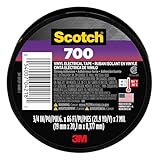
I remember staring at a smoking wire harness after a long, hot day on the trail. My trusty old roll of electrical tape, the kind I’d used for everything from fixing a leaky garden hose to bundling Christmas lights, was sagging and peeling like a cheap sunburn. It got me thinking: can electrical tape withstand heat? The answer, as with most things in life, is a complicated “it depends.”
For years, I’ve grabbed whatever electrical tape was on sale, assuming they were all basically the same. Big mistake. Some cheap stuff melts into a gooey mess faster than you can say “short circuit,” while others surprisingly hold their ground. This isn’t just about aesthetics; it’s about safety and whether you’re going to have to redo the job in a week.
The Deal with Vinyl: Why Most Electrical Tape Says ‘meh’ to Heat
Most of the electrical tape you find in the auto parts store or at the hardware counter is made from PVC, or polyvinyl chloride. It’s cheap, it’s stretchy, and it does a decent job of insulating low-voltage wires in cool environments. But here’s the kicker: PVC has a pretty low glass transition temperature. Basically, when it gets hot enough – and “hot enough” isn’t that high, sometimes around 140-170°F (60-75°C) – it starts to soften and lose its grip. Ever seen a roll of tape left in a hot car? It turns into a sticky, gooey mess. That’s PVC doing its thing.
This softening is why you see it oozing off connections under the hood of a car or near a hot engine bay. It loses its electrical insulating properties when it’s stretched and deformed, and the adhesive can start to fail. I learned this the hard way trying to fix a fan motor on an old HVAC unit. I used standard black electrical tape, thinking it would be fine. Within a couple of months, the tape had melted down the sides of the motor housing, and the wires were exposed. Had to go back and redo it with proper high-temperature tape, which cost me extra time and a second trip to the store.
The adhesive on standard PVC tape is also usually an acrylic or rubber-based compound that can’t handle sustained heat. It gets gummy, then brittle. This failure means the tape can unwrap, leaving connections vulnerable to moisture, dirt, and further heat damage. It’s a vicious cycle. For anything more than a temporary fix in a cool, dry spot, relying on your average electrical tape for heat resistance is a gamble you’re likely to lose. You need something specifically designed for those tougher conditions.
When Standard Tape Just Won’t Cut It: Alternatives for Heat
So, if your typical black electrical tape is going to bail when things get warm, what are you supposed to use? Thankfully, the electrical tape world isn’t a one-trick pony. There are specialized tapes designed precisely for higher temperatures. The most common and effective is vinyl tape rated for higher temps, often labeled as ‘high-temperature’ or ‘appliance’ tape. These are still vinyl but formulated differently, with a higher softening point and more solid adhesive. You’ll often see them in colors other than black, like red, blue, or white, though black is still common for high-heat applications.
Another player in the high-heat game is rubber tape, also known as self-fusing silicone tape or ethylene propylene rubber (EPR) tape. This stuff is different. It doesn’t have a sticky adhesive in the traditional sense. Instead, when you stretch it and wrap it around a wire or connection, the layers fuse together, creating a solid, smooth, waterproof, and heat-resistant insulating jacket.
It’s fantastic for sealing out moisture and handling significant heat. I’ve used this on exhaust pipe repairs (not directly on the pipe, but nearby connections) and in engine bays where things get seriously toasty. (See Also: Can I Use Electrical Tape To Connect Wires )
It’s a bit trickier to apply than regular tape because you need to stretch it properly, but the result is incredibly durable. It’s also great for building up thicker insulation layers where needed. It’s not as readily available in every corner store, but it’s worth seeking out for demanding jobs.
Then there are more industrial-grade tapes like fiberglass tape with silicone or high-temperature adhesive. These are overkill for most home DIY tasks but are used in professional settings for extreme heat environments. They’re often stiff, less flexible, and pricier, but they can handle temperatures that would melt PVC tape into slag. For the average person wondering if electrical tape can withstand heat, the answer is usually “the standard stuff? No, not well. But there are better options.”
Choosing the Right Tape: What to Look For
When you’re in the aisle, squinting at the tape options, what should you be looking for? First, check the packaging for temperature ratings. Don’t just assume “electrical tape” means it’s good for under the hood. Look for specific numbers. Many standard tapes are only rated up to about 176°F (80°C). High-temperature vinyl tapes will often be rated for 200-250°F (93-121°C) or even higher. For extreme applications, like around exhaust manifolds or in industrial settings, you might need tapes rated for 300°F (150°C) or more.
The adhesive is another key factor. For heat resistance, you want a tape with an adhesive that doesn’t break down or become excessively gummy when warm. High-performance acrylic adhesives or the self-fusing nature of rubber tape are generally better than basic rubber-based adhesives for heat. Also, consider the voltage rating. While not directly related to heat, make sure the tape is designed for electrical insulation. Some tapes are just for general-purpose bundling or marking and won’t offer the dielectric strength you need to prevent shorts.
Flexibility is also a consideration. Can the tape conform to irregular shapes? If you’re wrapping around tight bends or complex connections, a stiff tape will lift and create gaps. Conversely, some super-flexible tapes might be too thin to offer adequate protection. For hot environments, a tape that maintains its integrity and adhesion is most important. I once grabbed a roll of what looked like heavy-duty tape, but it was incredibly stiff. Trying to wrap it around a curved junction box was a nightmare, and it kept popping loose. Lesson learned: flexibility and adhesion need to be balanced with heat resistance.
Real-World Applications: Where Heat Is a Factor
Let’s talk about where this actually matters. The engine bay of a car is a prime example. Wires run close to the exhaust manifold, the engine block itself, and other components that get incredibly hot. Standard electrical tape will fail here, leading to exposed wires, short circuits, and a potential fire hazard. I’ve seen mechanics use high-temperature vinyl tape or even wrap connections with heat-shrink tubing reinforced with tape for important circuits.
Another area is around appliances with heating elements. Think toaster ovens, hair dryers, or even some industrial heating equipment. The internal wiring can get quite warm, and if it’s near a heating coil, it can get downright hot. This is where using a tape specifically rated for appliance use or higher temperatures becomes important to prevent the insulation from degrading. I had a toaster oven where the internal wiring started to fray near the heating element. A quick fix with some standard tape lasted about a week before it melted. Had to replace the whole cord assembly, which was a pain. (See Also: Can Electrica Tape Catch On Fire )
Outdoor electrical work, especially in direct sunlight in hot climates, can also pose a challenge. While the ambient air temperature might not be extreme, prolonged sun exposure can significantly heat up cables and connections. If the tape is exposed to UV radiation as well, it can degrade even faster. Some tapes are UV-resistant, which is another factor to consider for outdoor applications, alongside heat.
Even simple things like bundling wires near a furnace, water heater, or other heat-generating home appliances can benefit from higher-rated tape. It’s cheap insurance against a failure that could be inconvenient or, worse, dangerous. People often overlook these common sources of heat in a domestic environment, thinking only of engine bays or industrial machinery.
Common Mistakes and How to Avoid Them
The biggest mistake? Assuming all electrical tape is the same. Seriously, it’s like thinking all glue is super glue. You grab the cheapest roll and slap it on, only to have it fail later. Always check the packaging for temperature ratings and intended use. If the label just says “electrical tape” without any specific specs, assume it’s for low-voltage, low-temperature indoor applications only. That’s a gamble for anything serious.
Another error is using tape that’s too thin or not flexible enough. If you’re trying to wrap a bundle of wires that’s a bit bulky or has an odd shape, a stiff tape will leave gaps. Moisture and heat can then get in and start the degradation process. Likewise, using tape that’s too thin might not offer enough dielectric strength, especially if there’s any chance of voltage spikes. It’s better to apply a couple of layers of a good quality tape than one layer of something mediocre.
Over-stretching the tape can also be an issue, particularly with self-fusing tapes. If you don’t stretch them enough, they won’t fuse properly. If you stretch them too much, you can thin them out too much, weakening the insulation. It takes a bit of practice. For regular vinyl tapes, over-stretching can also cause the adhesive to fail prematurely, especially when heated. Don’t try to make one small piece cover a huge area by yanking on it like a rubber band.
Finally, not cleaning the surface before application is a common oversight. Grease, dirt, or old adhesive residue will prevent the tape from sticking properly. This is especially true for heat-sensitive applications. If the tape can’t adhere well, it’s more likely to peel or shift when it gets hot. A quick wipe-down with isopropyl alcohol can make a world of difference. It’s a simple step that many people skip.
A Quick Comparison: Common Tape Types
To make things clearer, let’s look at a few common types of tape you might encounter and how they stack up against heat. This isn’t exhaustive, but it covers the bases for most DIYers. (See Also: Can I Substitute Duct Tape For Electrical Tape )
| Tape Type | Typical Temperature Rating (Approx.) | Adhesive Type | Flexibility | Heat Resistance Verdict | Best For |
|---|---|---|---|---|---|
| Standard Vinyl Electrical Tape | Up to 176°F (80°C) | Rubber-based | Good | Poor to Fair | Low-voltage, cool indoor applications. Temporary fixes. |
| High-Temperature Vinyl Tape | 200-250°F (93-121°C) | High-temp acrylic | Good | Good | Engine bays, appliance wiring, moderate heat areas. |
| Self-Fusing Silicone Rubber Tape | Up to 500°F (260°C) | None (self-fusing) | Excellent (when stretched) | Excellent | High-heat sealing, high-voltage insulation, harsh environments. |
| Cloth/Fiberglass Tape (with adhesive) | Varies widely, often 300°F+ (150°C+) | High-temp acrylic or silicone | Fair to Good | Very Good to Excellent | Industrial, extreme heat, high-wear areas. (Often overkill) |
As you can see, the “standard” stuff isn’t built for much heat. If you’re dealing with anything that gets more than warm, you absolutely need to step up. That silicone tape, while it takes a bit more effort to apply, is a real workhorse for heat. I’ve had rolls of it sitting in my toolbox for years, and it still performs. The key is understanding the application and choosing the tape that’s rated for it.
When the Heat Is on: A Personal Mishap
I’ll tell you about the time I tried to splice a wire on my old motorcycle’s tail light. It was a hot summer day, and I was in a hurry to get it fixed before a ride. I grabbed the black electrical tape from my saddlebag, cut the wire, twisted them together, and wrapped it up. It looked… okay. I figured, “It’s just a tail light, not the main power feed.”
Fast forward about three hours. I’m cruising down the highway, enjoying the ride, and suddenly my tail light flickers and dies.
Then my brake light goes out too. I pull over, and sure enough, the tape I’d used had completely melted into a gooey, black blob. The wires were touching, shorting out the whole circuit. I had to limp home with no brake lights, which was terrifying.
I ended up having to buy a whole new wiring harness because the heat had damaged the insulation on adjacent wires too. A $5 roll of the wrong tape cost me nearly $100 in parts and a lot of stress.
That’s when I really understood that can electrical tape withstand heat? is a question with serious consequences.
Final Thoughts
So, can electrical tape withstand heat? The cheap, generic stuff you probably have lurking in a drawer? Not really. It’ll soften, melt, and fail when things get warm, especially beyond a typical room temperature. For anything where the temperature might climb – think engine bays, appliance repairs, or even just direct sun exposure – you need to look for specialized tapes.
High-temperature vinyl tapes are a good step up, offering better performance than standard options. For truly demanding environments, self-fusing silicone rubber tape is the real deal, creating a smooth, heat-resistant insulation. Don’t make the mistake I did and assume all tape is created equal; it’s a shortcut that often leads to a longer, more expensive fix. Always check the temperature rating and the intended application.
The next time you’re facing a hot wiring job, take a moment to grab the right tool. Your future self, and your wallet, will thank you. Remember, investing in the right tape upfront saves you headaches down the line, especially when the question is whether electrical tape can withstand heat.