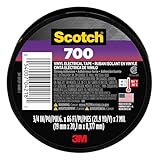
I stared at the tangled mess of wires behind the old entertainment center, a familiar dread creeping in. Another weekend, another DIY disaster waiting to happen. My buddy Dave, bless his heart, swore up and down that a few wraps of electrical tape were all you needed for a quick fix. ‘It’s called electrical tape for a reason, man!’ he’d exclaim. I’d tried it once, on a lamp that flickered like a dying firefly, and the result was… smoky. So, when the question ‘can i just use electrical tape to connect wires’ pops into your head, I’m here to tell you, from hard-won experience and a few singed fingertips, that the answer is a resounding ‘hell no’.
It’s a tempting shortcut, I get it. You’re in the middle of a project, maybe trying to get that new fan working or fix a broken appliance, and you’re out of proper connectors. Electrical tape is cheap, readily available, and seems like it should, you know, insulate electricity. But the reality is far less forgiving, and the cost of getting it wrong can be way more than just a few bucks.
Why Electrical Tape Is a Terrible Idea for Permanent Wire Connections
Let’s get this straight from the jump: electrical tape is designed for insulating exposed wire ends, not for joining them. Think of it like using a rain jacket to patch a leaky roof – it might keep the immediate area dry for a bit, but it’s not a structural solution. The fundamental problem is that electrical tape, no matter how many times you wrap it, simply doesn’t create a secure, stable mechanical or electrical connection.
Wires need to be physically twisted, crimped, or screwed together to make sure a low-resistance path for electricity. Tape just sits on the outside. Over time, vibrations, heat cycles, or even just the sheer weight of the wires can cause the connection to loosen. When that happens, you get increased resistance at the loose point.
Increased resistance means heat. And heat, my friends, is the enemy of all things electrical, leading to melted insulation, potential shorts, and, yes, fires.
I learned this the hard way years ago trying to rig up some extra lighting in my garage. I had a couple of extension cords that needed splicing, and I was impatient. I stripped the ends, twisted them together, and then proceeded to wrap them in what felt like half a roll of good quality electrical tape.
For about three weeks, it worked like a charm. Then, one sweltering July afternoon, I heard a faint crackling sound. I investigated, and there it was: a nasty, black, melted blob where my ‘splice’ used to be, with smoke gently wafting out. Luckily, it was a low-current circuit, and the breaker tripped before anything truly catastrophic happened.
But the smell lingered for days, a constant reminder of my foolishness. That experience cost me a new section of cord and a healthy dose of humility. (See Also: Can I Use Electrical Tape To Connect Wires )
The common advice from the internet often boils down to ‘just make sure it’s tight’. Bull. ‘Tight’ is subjective. What feels tight to you might loosen up under operational stress. The materials themselves aren’t designed for this kind of long-term, high-stress contact. The adhesive on electrical tape can degrade, especially when exposed to heat generated by a poor connection. This degradation further compromises the flimsy hold it has, accelerating the failure process. It’s a ticking time bomb, and you’re the one who wound it.
What Actually Works: The Right Way to Connect Wires
So, if electrical tape is out, what’s in? Fortunately, the world of electrical connectors is vast and designed for exactly this purpose. The most common and generally best solution for most household wiring is a wire nut, also known as a twist-on wire connector. These little plastic caps come in various sizes and colors, each indicating its capacity for wire gauge and number of wires. You strip the ends of your wires to a specific length (usually recommended on the packaging), hold them together, and screw the wire nut over the exposed copper until it’s snug. The internal spring or threads grip the wires, creating a secure mechanical and electrical bond.
Another excellent option, especially for permanent installations or where a more solid connection is needed, is a crimp connector. These are metal sleeves that you slide over the stripped ends of the wires. Then, using a specialized crimping tool, you squeeze the sleeve, deforming it around the wires. This creates a very strong and reliable connection. You’ll often see these used in automotive wiring or in some appliance repairs. For more permanent home wiring, like in junction boxes, lever nuts (like Wago connectors) are becoming increasingly popular. They’re incredibly easy to use: just strip the wire, flip the lever, insert the wire, and flip the lever back down. They provide a very secure and tool-free connection.
Here’s a look at some common, reliable methods compared to the electrical tape ‘method’:
| Method | Pros | Cons | Verdict |
|---|---|---|---|
| Electrical Tape | Cheap, readily available | Extremely unreliable, fire hazard, temporary at best, degrades over time | Absolutely Not. For insulation only, never for joining. |
| Wire Nuts (Twist-on Connectors) | Inexpensive, easy to use for most DIYers, widely available | Can loosen if not screwed on properly, limited by wire gauge/count | Recommended for most household splices. Reliable when used correctly. |
| Crimp Connectors | Very strong mechanical bond, reliable electrical connection, good for vibration-prone areas | Requires a specific crimping tool, not as quick as wire nuts | Excellent for solid, permanent connections. |
| Lever Nuts (e.g., Wago) | Extremely easy and fast to use, very secure connection, tool-free | Slightly more expensive than wire nuts, can be bulkier | Top-tier for speed and reliability. Highly recommended if budget allows. |
When I’m doing any serious electrical work now, I keep a variety of wire nuts and a box of Wago connectors handy. The peace of mind is worth every penny. I once spent nearly $150 on a new surge protector after a poorly connected ‘DIY’ outlet fried the old one. That $150 would have bought a lifetime supply of proper connectors.
Common Mistakes When Trying to Use Tape (and Why They Fail)
The biggest mistake, of course, is thinking you can use electrical tape to connect wires. But even if you’re just using it for insulation after making a proper connection, people still mess it up. One common error is not stripping enough insulation off the wire. You need a good length of exposed copper for the connector to grip effectively. If you leave too much insulation on, the connector won’t seat properly, leading to a loose connection. Conversely, stripping too much can leave bare copper exposed beyond the connector, which then does need to be insulated.
Another classic blunder is not using the right size wire nut. They come in small, medium, and large, often color-coded. Trying to cram too many wires or wires that are too thick into a small nut will result in a connection that’s either impossible to make or, if you force it, incredibly insecure. On the flip side, using a huge wire nut on a couple of thin wires means there’s not enough material to create a solid grip. The wires can wiggle loose, and the connection fails. The packaging on wire nuts will usually give you a guide on how many wires of what gauge they can handle. Pay attention to this! (See Also: Can Electrica Tape Catch On Fire )
I’ve also seen folks who don’t twist the wires together before putting the nut on. With stranded wire especially, just shoving the ends into the nut and twisting the nut won’t always get all the strands making good contact. It’s best practice to twist the stripped ends together with pliers first, creating a solid bundle, and then screw the wire nut over that. This makes sure all the copper is making contact with the connector.
And when it comes to tape itself? People often don’t wrap it tightly enough, or they don’t overlap enough. A few lazy wraps with gaps in between is an invitation for trouble. You need to overlap each layer by at least half to create a continuous, protective sheath.
When Might Electrical Tape ever Be Okay (hint: It’s Not for Connecting)?
Okay, let’s be brutally honest. Electrical tape does have a place in your toolbox, but it’s not for joining wires. Its primary job is to insulate. So, after you’ve made a solid connection using wire nuts, crimps, or lever connectors, you might use electrical tape to cover any exposed copper that shouldn’t be exposed, or to bundle wires together for neatness. However, even for this, there are better options. Heat-shrink tubing is far superior for insulating individual wire splices because it creates a permanent, sealed bond when heated. For bundling wires, zip ties or Velcro straps are cleaner and more durable.
I’ve heard stories, usually from people trying to get out of a tight spot in an emergency, about using electrical tape as a temporary fix to prevent a wire from shorting until they can get to the hardware store. For example, if a bit of insulation has rubbed off a wire in a very low-power, non-important application (think a small LED light strip, NOT your main house wiring), you might wrap it with tape to prevent it from touching anything else. But this is a stop-gap measure, a few hours or a day at most, not a solution. It’s like putting a band-aid on a broken bone. The risk of it failing catastrophically is still too high.
The ‘electrical’ in electrical tape is a bit of a misnomer when it comes to connecting. It’s designed to resist the flow of electricity, not to conduct it reliably in a joined circuit. The material itself (usually vinyl) has high dielectric strength, meaning it can withstand a certain voltage without breaking down. But this is about preventing current from jumping across a gap, not about allowing current to flow through a connection. Any scenario where you’re considering using electrical tape to hold two bare wires together is inherently unsafe and against code in most places. It’s a shortcut that rarely pays off and often leads to much bigger, more expensive, and potentially dangerous problems.
The Real Cost of Cutting Corners on Wire Connections
Let’s talk about what happens when you skimp on proper wire connectors and opt for the electrical tape shortcut. The immediate cost might seem lower – a roll of tape is a couple of bucks, while a bag of wire nuts is a few more. But that’s a deceptive saving. The real cost comes later. First, there’s the cost of failure. A loose connection generates heat. That heat can melt surrounding materials, damage electrical components, or even start a fire. The cost of repairing fire damage, replacing fried appliances, or dealing with the aftermath of an electrical fire can run into the tens of thousands, or even hundreds of thousands, of dollars. It’s not hyperbole; it’s reality.
Then there’s the cost of troubleshooting. If a circuit starts acting up – lights flicker, outlets stop working, appliances cut out – and you suspect a bad connection, you have to go back and investigate. If you find those messy electrical tape splices, you’ve got to undo them anyway and redo them properly. That’s time and effort wasted, often on something that should have been done right the first time. I’ve spent entire afternoons tracing down electrical gremlins, only to find that the culprit was a shoddy splice someone made with tape months prior. It’s incredibly frustrating. (See Also: Can I Substitute Duct Tape For Electrical Tape )
Beyond the financial and time costs, there’s the safety aspect, which is truly immeasurable. Electrical fires are incredibly dangerous. They can spread rapidly, and the toxic fumes produced by burning plastics and insulation are deadly. The National Fire Protection Association (NFPA) reports that electrical distribution and lighting equipment are factors in a significant percentage of reported home fires. While they don’t specifically track ‘electrical tape splices,’ faulty connections are a major contributor to electrical fires. Using tape instead of proper connectors is directly increasing your risk of contributing to these statistics. It’s simply not worth the gamble.
Faq: Answering Your Burning Questions About Wire Connections
Can I Just Use Electrical Tape to Connect Wires?
No, you absolutely should not. Electrical tape is designed for insulation, not for creating secure electrical or mechanical connections between wires. Using it for splices creates a high risk of loose connections, overheating, shorts, and potential fires. Always use proper connectors like wire nuts, crimp connectors, or lever nuts for joining wires.
Is Electrical Tape Safe for Any Electrical Connections?
Electrical tape is safe for insulating exposed wires after a proper connection has been made, or for temporarily insulating a wire to prevent it from touching something else in a non-important, low-voltage situation. However, it is never a substitute for a secure mechanical and electrical connection. Heat-shrink tubing is often a better choice for insulating splices.
What Happens If I Use Electrical Tape to Connect Wires?
You risk creating a loose, high-resistance connection. This will generate heat, which can melt the tape’s adhesive and insulation, leading to short circuits, component damage, or electrical fires. The connection will degrade over time and will likely fail, potentially causing the electrical device or circuit to stop working or behave erratically.
What Are the Best Alternatives to Electrical Tape for Connecting Wires?
The best alternatives are wire nuts (twist-on connectors) for most general-purpose splices, crimp connectors (using a crimping tool) for more solid and permanent connections, and lever nuts (like Wago connectors) for quick, reliable, and tool-free connections. Each has its specific use case, but all are vastly superior to electrical tape for joining wires.
How Many Wires Can I Connect with a Wire Nut?
The number and gauge of wires a wire nut can handle depend on the size of the wire nut. Manufacturers provide guidelines on their packaging, usually indicating the maximum number of wires of a specific gauge (e.g., AWG 18). Always refer to the packaging for the specific wire nut you are using. Using too many or too thick wires can lead to a loose or unreliable connection.
Verdict
So, to be crystal clear: can i just use electrical tape to connect wires? Absolutely not. It’s a dangerous myth that persists, probably because it seems so easy and cheap. But the risks far outweigh any perceived benefit. Think of it this way: would you use duct tape to fix your car’s brake lines? Of course not. Wire connections are no different in their need for reliability and safety.
Stick to the proven methods. Wire nuts, crimp connectors, and lever nuts are your friends. They’re designed for the job, they’re affordable, and they’ll keep your circuits humming safely. Don’t gamble with your home, your belongings, or your safety on a shortcut that’s destined to fail.
Next time you find yourself needing to connect wires, grab the right tool for the job. It’s a small investment that pays massive dividends in safety and peace of mind.