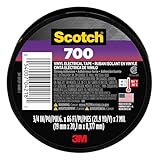
I’ve seen some questionable fixes in my day. People trying to patch up engines with chewing gum, duct tape holding exhaust pipes together… you name it. But the question that keeps popping up, especially when someone’s in a bind, is ‘can I put electrical tape on an engine intake manifold?’ Honestly, the first time I heard it, I almost laughed out loud. Then I thought about the poor soul who’s considering it, probably staring at a vacuum leak and a dwindling bank account. Let’s just say, it’s a recipe for more problems than it solves.
It’s tempting, I get it. Electrical tape is everywhere, it’s cheap, and it’s sticky. But the engine bay is a harsh environment, and an intake manifold is a surprisingly sensitive piece of equipment. Trying to jury-rig it with something completely unsuitable is like trying to patch a leaky boat hull with a Band-Aid.
Why That Black Tape Is a Terrible Idea for Your Intake Manifold
Alright, let’s get straight to it. Can you physically wrap electrical tape around your intake manifold? Sure, you can.
Will it stay there and do anything useful for more than about five minutes? Absolutely not. The heat under the hood is no joke. We’re talking temperatures that can easily climb well over 200°F (93°C), especially near exhaust components.
Standard electrical tape is designed for, well, electrical wires in much cooler, more controlled environments. It’ll start to soften, get gooey, and eventually melt or peel off faster than you can say ‘vacuum leak’. Plus, the adhesives in most electrical tapes aren’t built to withstand the constant vibration and potential exposure to fuel or oil that happens in the engine bay.
So, even if by some miracle it held on temporarily, it’s not going to be a long-term solution, or even a medium-term one.
The primary job of the intake manifold is to distribute the air-fuel mixture evenly to each cylinder. It’s a pretty precise piece of engineering. Even a small leak, or a blockage from melted tape goo, can mess with that delicate balance. This can lead to rough idling, poor acceleration, decreased fuel efficiency, and eventually, check engine lights.
I once had a buddy who tried to use some heavy-duty construction tape on a cracked radiator hose. It seemed like a good idea at the time because it was thick and strong-looking. Within a day, the heat and pressure had turned it into a sticky, black mess that clogged up his radiator and caused the engine to overheat dramatically.
That fix ended up costing him way more in towing and radiator repair than a new hose would have.
People often think of the intake manifold as just a big metal pipe. It’s more than that. Modern intake manifolds are often complex, with integrated sensors, passages for exhaust gas recirculation (EGR), and sometimes variable geometry. These aren’t places where you want foreign materials, especially sticky, melting ones, getting lodged. The potential for contamination is high. If that tape goo finds its way into a sensor port, an EGR valve, or worse, into the combustion chamber, you’re looking at a whole new set of expensive problems. It’s a classic case of trying to save a few bucks now and costing yourself hundreds or even thousands later.
The Real Reason Intake Manifolds Leak (and Why Tape Won’t Fix It)
So, if electrical tape is out, what’s actually going on when an intake manifold seems to be leaking? Usually, it’s not the manifold itself cracking like a ceramic mug. More often, the leaks are happening at the gaskets that seal the manifold to the cylinder head, or where other components connect to it. Think of it like a sandwich: the manifold is one slice of bread, the cylinder head is the other, and the gasket is the filling that keeps everything sealed. Over time, these gaskets can degrade. They get old, brittle, baked by heat cycles, and compressed. When that happens, the seal breaks, and you get vacuum leaks or, in the case of forced induction systems, boost leaks.
Another common culprit is cracked or brittle plastic components attached to the manifold. Many modern vehicles use plastic intake manifolds, which are lighter and cheaper to produce. However, plastic can become brittle with age and heat exposure, leading to cracks, particularly around mounting points or sensor housings. Vacuum lines that connect to the manifold can also crack or become loose, creating leaks. These are all relatively minor issues in the grand scheme of engine repair, but they require the correct solution, not a workaround.
I remember on my old ’98 Accord, I started getting a really rough idle. The check engine light came on, and my OBD-II scanner pointed to a lean condition, meaning too much air was getting into the engine. I spent a weekend tearing into the engine bay, convinced it was something major. (See Also: Can I Use Electrical Tape To Connect Wires )
Turns out, one of the small vacuum hoses connecting to the back of the intake manifold had rotted and split. It was literally a $2 part, but finding it took hours of meticulous checking and prodding. If I’d just slapped some electrical tape on there, I’d have been back in the same boat, possibly with melted goo making things worse. The point is, leaks are usually at specific, identifiable points, and they need to be addressed with the right materials – usually new gaskets, O-rings, or replacement hoses/components.
Common Intake Manifold Issues and Their Solutions
| Problem | Likely Cause | Recommended Solution |
|---|---|---|
| Rough Idle / Lean Codes | Cracked/degraded intake manifold gasket; cracked vacuum hoses; loose connections. | Replace gasket, replace cracked hoses, tighten connections. |
| Rough Idle / Rich Codes | Internal manifold issue (less common); faulty EGR valve connection; boost leak (turbo/supercharged). | Inspect EGR valve and connections; pressure test intake system. |
| Visible Cracks on Manifold | Plastic manifold becoming brittle due to age/heat. | Replace intake manifold. |
| Stalling / Poor Performance | Significant vacuum leak; internal manifold obstruction. | Thorough inspection for leaks or blockages. |
| Coolant Leaks Near Manifold | Intake manifold coolant crossover gasket failure (some engines). | Replace crossover gasket. |
The table above highlights why a quick fix like electrical tape just doesn’t cut it. These problems require specific parts designed to withstand the engine environment and maintain a proper seal. Using the wrong material, like electrical tape, is like using a butter knife to saw through a 2×4 – it’s the wrong tool for the job, and you’ll end up frustrated and with a bigger mess to clean up.
The Harsh Reality: Heat, Chemicals, and Vibration
Let’s break down why the under-hood environment is so brutal for any kind of temporary fix. First, heat. As I mentioned, temperatures under the hood can soar. Think about a hot summer day, with the engine running.
The metal components get incredibly hot. Many plastics will soften and deform.
Rubber hoses can become brittle and crack. Electrical tape, designed for much lower temperatures, will simply fail.
It’ll lose its adhesion, stretch out, and become a sticky mess. I once saw a car at a car show where someone had tried to ‘bling’ up their engine bay with a bunch of colored electrical tape around some plastic covers. By the end of the day, in the August sun, it was peeling off in strips and looked like a melted rainbow.
Then there are the chemicals. Your engine bay is a soup of various fluids: oil, coolant, power steering fluid, brake fluid, and fuel. While electrical tape isn’t directly exposed to all of these in large quantities on an intake manifold, there’s always a risk of splashes or fumes. These chemicals can degrade adhesives and the tape material itself, causing it to break down prematurely. Unlike a dedicated automotive sealant or gasket material, electrical tape has no chemical resistance to speak of in this context.
And let’s not forget vibration. Your engine is a vibrating machine, especially at idle or under load. While electrical tape has some elasticity, it’s not designed to absorb or withstand constant mechanical stress. Over time, the vibration will work at the edges of the tape, breaking the adhesive bond and potentially causing it to peel away. Imagine trying to hold two vibrating pieces of metal together with regular Scotch tape – it just won’t work for long. The constant jarring will tear it apart.
I had a very close call with a faulty EGR valve hose once. It was a small, flexible hose connected to the intake manifold. It developed a tiny split.
My first thought was, ‘can I put electrical tape on an engine intake manifold’s accessory hose to get me home?’ I had a roll of the good 3M stuff in my trunk. I wrapped it super tight, thinking it would hold. It lasted maybe 50 miles.
The heat and vibration had already started to stretch it. By the time I got to my destination, the tape had sagged, and there was a noticeable hiss. It wasn’t a catastrophic failure, but it was a clear sign that it was only a matter of time before it gave out completely, and it would have made finding the actual leak much harder due to the sticky residue.
When “good Enough” Is Actually Terrible: The Myth of Quick Fixes
There’s a certain breed of DIYer who believes that if a fix holds for a short while, it’s a good fix. This is particularly dangerous when it comes to anything related to the engine or fuel system. The intake manifold is part of the air intake system, and any compromise here can affect engine performance and, more importantly, safety. A significant vacuum leak can cause drivability issues that might put you in a dangerous situation, like stalling in traffic or losing power unexpectedly. (See Also: Can Electrica Tape Catch On Fire )
The argument for using electrical tape often boils down to cost and convenience. You’ve got a problem now, you’re broke now, and you need to move now. Electrical tape is cheap and readily available.
But here’s the contrarian view: “Everyone says use the right part, but sometimes you just need to get somewhere.” I disagree. While I appreciate the spirit of improvisation, there’s a line. Getting home is one thing, but a makeshift repair on a important engine component is not the same as tying a shoelace.
The potential for collateral damage is too high. If that tape melts and gets sucked into the engine, you’re not just looking at a vacuum leak anymore; you could be looking at internal engine damage.
That’s a far more expensive and time-consuming repair than addressing the root cause properly.
Consider the pressure dynamics. The intake manifold operates under vacuum when the engine is idling or decelerating, and under positive pressure (boost) if the vehicle is turbocharged or supercharged. Electrical tape is not designed to hold pressure or vacuum reliably. It’s a thin, flexible insulator. It will stretch, deform, or tear under pressure, making the leak worse or causing a complete failure. You might think you’ve sealed a leak, but you’ve just created a weak point that will inevitably fail, potentially at the worst possible moment.
I once saw a mechanic friend, desperate to move a car a few hundred yards to get it onto a trailer, use a piece of thick rubber from an old inner tube to temporarily patch a split in a pressurized intercooler pipe on a turbo diesel. It worked, for that short distance. But he immediately warned the owner, “This is just to get it onto the trailer. It will blow off if you try to drive it, and it could take out the radiator fan on its way.” That’s the kind of temporary fix you’re talking about – very short-term, very low-stakes, and with immediate follow-up. Slapping electrical tape on an intake manifold is rarely that controlled or low-risk.
What to Use Instead: The Right Materials for the Job
So, if electrical tape is a no-go, what are the legitimate options when you suspect a leak or a minor issue with your intake manifold or its associated components? First, identify the source of the problem. This is the most important step. Is it a gasket? A cracked hose? A loose fitting? A physical crack in the manifold itself?
If it’s a gasket issue, the only real solution is to replace the gasket. You’ll need to remove the intake manifold, clean the mating surfaces thoroughly, and install a new gasket. Many gasket sets come with new O-rings for injectors and other seals, which are also important. For plastic manifolds, this is usually a straightforward job, though access can be tight on some engines. For older aluminum manifolds, you might need to be careful about over-torquing bolts to avoid cracking the aluminum or the new gasket.
If you have cracked vacuum hoses, replace them. You can often buy vacuum line by the foot at any auto parts store. Make sure to get the correct diameter and material. Silicone hoses are a good upgrade over rubber for heat and longevity. For any connections that have become loose, simply re-tighten them. If a fitting is damaged, it needs to be replaced.
For minor cracks in plastic manifolds, there are specialized plastic repair epoxies available. These are designed to bond with the specific type of plastic your manifold is made from and can provide a durable, albeit often temporary, fix. However, for significant cracks or damage to metal manifolds, replacement is usually the only safe and effective option. I’ve used some of the two-part epoxy systems on other plastic automotive parts, like cracked bumper covers, and they’ve held up surprisingly well. But for something as important as an intake manifold, I’d only consider it if a full replacement was absolutely impossible and I needed to move the vehicle a very short distance under very light load.
A common mistake people make is not cleaning the surfaces properly before installing new gaskets or adhesives. Any oil, dirt, or old gasket material left behind will prevent a good seal. A brake cleaner or a dedicated gasket remover can help. Also, always follow the torque specifications for manifold bolts. Overtightening can warp the manifold or crush the gasket, leading to leaks. Undertightening is equally bad, obviously.
When to Call in the Pros (and Why It’s Often Cheaper)
Look, I’m all for saving money and doing it yourself. I’ve spent countless weekends covered in grease, wrestling with stubborn bolts and deciphering cryptic engine noises. But there are times when calling a professional mechanic isn’t just easier; it’s actually cheaper in the long run. If you’re unsure about diagnosing the problem, if you don’t have the right tools, or if the job involves working on important engine components that could cause significant damage if messed up, it’s time to bite the bullet. (See Also: Can I Substitute Duct Tape For Electrical Tape )
Diagnosing intake manifold leaks can be tricky. Sometimes the leak is small and intermittent, making it hard to pinpoint. Professionals have specialized tools like smoke machines that can fill the intake system with harmless smoke, making leaks clearly visible. They also have the experience to know where to look for common failure points on specific makes and models. For example, certain engines are notorious for EGR cooler leaks or specific vacuum line failures. A good mechanic will know these common issues instantly.
The cost of a tow truck, plus the cost of a repair that you might have botched, can easily exceed the cost of a professional repair from the start. I learned this lesson the hard way with a transmission problem on a European car.
I tried to save a few hundred bucks by doing a fluid change myself, using a generic fluid I thought was equivalent. Long story short, I fried a clutch pack. The repair bill for the transmission rebuild was nearly $3,000, plus the cost of the fluid I’d wasted and the hours I spent doing it wrong.
Had I just taken it to a specialist for a proper fluid service with the correct fluid, it would have cost around $400. That’s a brutal lesson in the economics of DIY.
So, when you’re staring at your engine and wondering if electrical tape is the answer to your intake manifold woes, ask yourself this: is the potential cost of a catastrophic failure, or simply a repair that needs to be redone correctly, worth the few dollars you’re saving on a roll of tape? For an intake manifold, the answer is almost always no. It’s better to get the right parts, the right tools, and the right knowledge, or pay someone who has them.
Faq: Common Intake Manifold Questions
Is It Okay to Use Sealant on an Intake Manifold Gasket?
Generally, no. Most modern intake manifold gaskets are designed to create a seal without additional sealant. Using RTV silicone or other sealants can interfere with the gasket’s ability to seat properly, leading to leaks or damage to the gasket. There are specific areas where a small amount of gasket sealant might be recommended by the manufacturer, but for the main gasket surfaces, it’s usually best to stick to a clean, dry installation.
How Do I Know If My Intake Manifold Is Leaking?
Symptoms of an intake manifold leak include a rough or unstable idle, stalling, a noticeable hissing or sucking sound from the engine bay, poor engine performance (loss of power, hesitation), decreased fuel economy, and the check engine light illuminating with codes related to lean conditions (e.g., P0171, P0174).
Can a Cracked Intake Manifold Cause My Car to Overheat?
Yes, indirectly. If the intake manifold has cracks, it can lead to vacuum leaks that disrupt the air-fuel mixture, causing the engine to run inefficiently and potentially hotter. Some intake manifolds also have coolant passages that can leak if the manifold itself or its gaskets fail, which would directly contribute to overheating.
What’s the Difference Between a Vacuum Leak and a Boost Leak?
A vacuum leak occurs when unmetered air enters the engine after the mass airflow sensor, typically when the engine is at idle or under light load (creating vacuum in the intake manifold). A boost leak occurs when pressurized air escapes from the intake system on turbocharged or supercharged engines, usually after the turbocharger or supercharger and before it reaches the cylinders, when the engine is under load and producing positive pressure (boost).
Verdict
So, to put it plainly: can I put electrical tape on an engine intake manifold? No, you absolutely cannot. It’s a bad idea born from desperation, not practicality. The heat, chemicals, and vibration in the engine bay will render it useless almost immediately, and the sticky residue will only make a proper repair harder and more expensive.
Your intake manifold is a important component. When it has issues, you need to address them with the correct parts and methods. That means new gaskets, new hoses, or a replacement manifold if it’s cracked. Trying to cut corners with electrical tape is a false economy that will cost you more in the long run, both in money and potential engine damage.
If you suspect a leak, do yourself a favor: stop, take a deep breath, and look for the real problem. If you’re not comfortable diagnosing it or performing the repair, find a mechanic you trust. It’s better to spend a little now than a lot later trying to fix a mess made by bad tape.