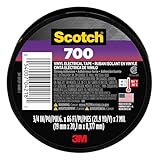
Alright, let’s cut to the chase. You’re staring at a frayed whip, maybe a beloved riding crop or a prop that’s seen better days, and the question pops into your head: can I put electrical tape on a whip? I’ve been there. I’ve duct-taped things I shouldn’t have, used the wrong goo, and ended up with a mess that looked worse than the original problem.
So, to answer that burning question right out of the gate: yes, you can put electrical tape on a whip. But should you? That’s a whole different story. It’s a quick fix, sure, but it’s rarely the right fix, and I’ve learned that the hard way more times than I care to admit. Let’s break down why and what else you should be considering.
Why Everyone Thinks Electrical Tape Is the Universal Fix (and Why They’re Mostly Wrong)
Look, I get it. Electrical tape is the cheap, ubiquitous solution for, well, electrical problems. It’s stretchy, it’s sticky, and it comes in every hardware store aisle. People see a frayed surface, they think ‘wrap it up,’ and electrical tape seems like the logical next step.
I’ve seen people wrap everything from garden hoses to car mirrors with the stuff, and for a hot minute, it holds. But here’s the kicker: electrical tape isn’t designed for abrasion, UV exposure, or the kind of flex and stress a whip endures.
It’s made for insulating wires. That sticky residue it leaves behind? That’s a nightmare waiting to happen, especially on leather or synthetic materials that can be sensitive to solvents in the adhesive. My first rodeo with a ‘repaired’ bullwhip involved a cheap synthetic handle that started peeling after two days in the sun, leaving a gummy, black mess that took me an hour with Goo Gone to sort out.
The electrical tape itself had cracked and looked like it had been attacked by a tiny, angry badger. Not exactly the professional look you’re going for, right?
The common advice often boils down to ‘just wrap it tight.’ And yeah, you can wrap it tight. It’ll look… taped. But it won’t feel right, it won’t perform right, and it certainly won’t last. For anything beyond a quick, temporary patch for something that’s purely decorative, you’re setting yourself up for disappointment. This isn’t just about aesthetics; it’s about the integrity of the tool. If you’re using a whip for actual work – training horses, performance, or anything where its function matters – a shoddy repair can lead to a malfunction at the worst possible moment. Imagine your bullwhip end just disintegrating mid-swing. Not ideal.
I remember a particularly embarrassing incident with a decorative cane that had a leather grip. The grip started coming loose, and in a moment of pure, unadulterated laziness, I grabbed the electric tape.
It looked okay for a week. Then, during a mild autumn drizzle, the tape started to lose its grip, looking all saggy and sad. The adhesive goo started oozing out, making the handle feel sticky and gross. It was a visual representation of my poor decision-making.
I ended up having to painstakingly peel off every sticky bit of tape residue, which was far more work than just fixing it properly in the first place. This is why, while technically ‘yes,’ the practical answer is usually a resounding ‘no, not if you want it to last or look decent.’
What Electrical Tape actually Does to Your Whip
So, what’s the actual damage electrical tape inflicts? First off, adhesion. Electrical tape uses a rubber-based adhesive. When it’s new, it sticks. Great. But over time, especially with exposure to sunlight (UV radiation), heat, and the flexing a whip does, that adhesive breaks down. It gets sticky and gooey, or it dries out and cracks. On leather, this residue can stain and even damage the material, making it brittle. On synthetic materials, it can be even worse, sometimes causing them to degrade or discolor. And the tape itself? It’s thin. It offers minimal protection against actual impact or abrasion. It’s more like a bandage that’s too small for the wound, and it’s made of paper.
I once tried to ‘reinforce’ the fall knot on a paracord whip with electrical tape, thinking it would prevent fraying. Big mistake. (See Also: Can I Use Electrical Tape To Connect Wires )
The tape didn’t prevent the individual strands from snagging and breaking; it just held them together in a sticky, unmanageable clump. When it finally started to peel, it took a bunch of paracord fibers with it, leaving a messier, more compromised knot than before.
The tape also made it harder to re-tie or adjust the fall. It’s like trying to fix a leaky pipe with a sticker. It might cover the hole for a second, but it’s not addressing the underlying issue. The tensile strength of electrical tape is also pretty low, which means it can snap under sudden stress, potentially leading to an uneven or unpredictable whip action.
That’s not what you want when you’re trying to control something.
Then there’s the aesthetic. Have you ever seen a whip repaired with electrical tape look good? I haven’t.
It’s usually bulky, uneven, and has that distinctive matte black or grey sheen that screams ‘DIY disaster.’ If you’re using a whip for performance or display, it just looks sloppy. And the residue it leaves behind when you eventually have to remove it? Ugh.
That sticky, black gunk is a pain in the rear to get off, and if it’s on leather, you might be left with a permanent stain. I’ve spent hours with specialized leather cleaners trying to salvage grips that were ‘fixed’ with electrical tape.
It’s a trade-off that’s almost never worth it. You end up with a worse-looking and potentially weaker whip, and a lot of cleanup work ahead of you.
Alternatives That Actually Work (and Don’t Leave Gunk)
Okay, so electrical tape is mostly a bust. What should you use? For leather whips, specialized leather repair tape or a good quality leather sealant is your friend. Brands like Fretz and Teichmann make excellent leather repair tapes that are designed to be durable, flexible, and blend in. They’re pricier, sure, but they actually work. They adhere well, they’re made to withstand friction and weather, and they don’t leave a sticky mess. For synthetic whips, look for strong, flexible tapes like VHB (Very High Bond) double-sided tape from 3M, or even some high-quality athletic tape if you need something with a bit of grip and breathability. These are designed for more demanding applications than just wrapping wires.
Another option, especially for reinforcing a handle or a point where the whip is likely to break, is hockey tape or specialized sports grip tape. These offer good tack, absorb some shock, and are designed to be wrapped tightly and endure abuse. Hockey tape, in particular, has a bit of a fuzzy texture that can provide a decent grip and doesn’t leave much residue. I’ve used hockey tape to re-wrap the handle of a favorite riding crop that had become slick, and it held up far better than any electrical tape I’d tried.
It added a bit of thickness, which I actually liked, and the grip was fantastic, even when my hands got sweaty. It’s also relatively easy to replace when it wears out.
For more permanent fixes, especially on older leather, consider a good leather conditioner and a stitching repair if the material is splitting. Sometimes, the best ‘tape’ is actually the right adhesive and some careful stitching. I’ve had a few antique whips that needed more than just a wrap; they needed proper restoration. This involved carefully cleaning the leather, applying a flexible leather adhesive (like Barge Cement, used sparingly), and then stitching over the repair. (See Also: Can Electrica Tape Catch On Fire )
It’s more labor-intensive, but the result is a whip that looks and feels like it’s meant to. This is where you really see the difference between a quick fix and a lasting repair.
The goal is to restore function and appearance, not just cover up a problem.
| Product Type | Pros | Cons | My Verdict |
|---|---|---|---|
| Electrical Tape | Cheap, readily available, stretchy. | Poor adhesion over time, UV sensitive, leaves sticky residue, not durable, looks bad. | Absolute last resort for a very temporary, non-functional fix. Avoid for anything important. |
| Leather Repair Tape | Designed for leather, durable, flexible, often color-matched, minimal residue. | Can be expensive, specific to leather. | Excellent choice for leather whips. Worth the investment for a clean, lasting repair. |
| Hockey Tape/Sports Grip Tape | Good grip, durable, absorbs shock, easy to apply, relatively inexpensive. | Can wear out faster than specialized tapes, might add bulk. | Great for reinforcing handles or areas needing extra grip. Reliable and functional. |
| 3M VHB Tape | Extremely strong bond, weather-resistant, durable, clean look. | Permanent bond (difficult to remove), can be stiff, requires clean surfaces. | Good for synthetic materials where a very strong, permanent bond is needed. |
The ‘contrarian’ Take: When Electrical Tape might Be Okay (but Still Probably Not)
Alright, here’s where I might ruffle some feathers. Everyone says electrical tape is a no-go, and for 99% of whip repairs, they’re right. BUT. There’s a tiny, sliver of a situation where it could be considered.
Imagine you’re out on a trail, miles from anywhere, and the very end of your whip handle just snaps off. It’s not going to be used for anything important, it’s purely for support on a treacherous path, and you need to make it functional right now to get back to safety.
In that extreme, ‘oh crap’ moment, a few tight wraps of electrical tape might just give you enough purchase to hold on. It’s a desperate measure, like using a twig as a splint.
It’s not a solution, it’s a stop-gap to prevent a bigger problem (like falling down a ravine because your grip failed).
I had a buddy once who’s horse training whip, a simple fiberglass rod with a leather popper, had the rubberized grip start peeling off mid-lesson. His student was a nervous beginner, and he didn’t want to stop the flow. So, he quickly wrapped the offending section with electrical tape. It looked terrible, frankly.
But it gave him enough grip that he could continue the lesson without making the horse or the rider more anxious. He told me later, ‘It felt gross, and I knew it was temporary, but it got the job done without a major panic.’ He replaced it with proper grip tape the moment he got home.
That’s the key: it has to be temporary, and you have to acknowledge its limitations.
The reason most people tell you to avoid it entirely is because that ‘temporary’ fix often becomes a permanent one, or it fails spectacularly. You might think, ‘Oh, I’ll just use it for a few days,’ but then life gets in the way, and suddenly it’s been months, and the residue has fused with the material. My general rule of thumb? If the whip is for anything beyond ornamental or a true emergency stop-gap, steer clear of electrical tape. The potential for damage, poor performance, and sheer ugliness far outweighs the minimal cost savings or immediate convenience. Think about it: you’ve invested in a whip; why would you use the cheapest, least suitable material to repair it?
Real-World Use Cases: What I’ve Actually Seen (and Done)
Over the years, I’ve used whips for everything from horse training to clearing brush. I’ve seen whips fall apart in ways that would make you weep. (See Also: Can I Substitute Duct Tape For Electrical Tape )
I’ve also tried my own ‘brilliant’ ideas for repairs. One time, I was working on a long bullwhip, and the tip of the handle (where the leather meets the cane/fiberglass core) started to split. It wasn’t a structural failure, but I worried about water getting in. My instinct was to wrap it with electrical tape.
I did, about five tight layers. It looked… okay. For about three weeks. Then, during a dusty afternoon session, the tape started to fray where it was catching on my gloves.
The adhesive also started to loosen from the sweat and friction. It ended up looking like a cheap, sad bandage that was actively falling apart.
That’s when I learned my lesson about abrasion. Electrical tape just doesn’t stand up to constant rubbing. It gets scuffed, it tears, and the underlying adhesive gets exposed. For that bullwhip, I ended up carefully removing the tape (which, as predicted, left a sticky mess), cleaning the handle thoroughly, and then using a specific type of durable, black synthetic grip tape often used for sporting goods. It was a bit thicker, offered more grip, and has held up beautifully for the last two years. It doesn’t look as sleek as the original leather, but it’s functional and durable. This experience cemented my belief that the material needs to be matched to the stress it will endure.
Another common scenario is whips used as props or for demonstration purposes. If a whip is mostly going to hang on a wall or be handled gently for a show, then maybe, just maybe, a neat wrap of electrical tape could suffice. But even then, you run the risk of it degrading over time and making a mess. I’ve seen theatrical props that used electrical tape for quick fixes, and invariably, when they needed to be used again, the tape was brittle, cracked, or had left its sticky calling card all over the prop.
It’s a gamble. Honestly, spending a few extra dollars on the right material from the start saves you the headache of a failed repair and the potential damage to the item itself.
It’s about respecting the tool, and that includes using the right materials for its upkeep.
People Also Ask: Can I Put Electrical Tape on a Whip?
What Kind of Tape Is Best for a Whip Handle?
For leather whip handles, specialized leather repair tape or a strong, flexible leather adhesive with stitching is best. For synthetic handles or areas needing high grip, consider durable sports grip tapes like hockey tape or professional athletic tape. 3M VHB tape can also be a very strong, albeit permanent, option for certain synthetic materials.
Will Electrical Tape Damage Leather?
Yes, electrical tape can damage leather. The adhesive used in electrical tape can break down over time, leaving a sticky residue that can stain, degrade, and even damage the leather’s integrity. The tape itself also offers little protection against abrasion and can snag and tear, further exacerbating any existing damage.
How Do I Stop My Whip Handle From Fraying?
To stop a whip handle from fraying, you need to use materials designed for durability and abrasion resistance. For leather, this means conditioning it regularly and using specific leather repair tapes or sealants if damage occurs. For synthetic materials, a strong, flexible tape like sports grip tape or VHB tape can offer protection. If the fraying is due to the core material, a more involved repair involving reinforcement or replacement might be necessary.
Is Electrical Tape Good for Grip?
Electrical tape is generally not good for grip, especially not for a whip. While it has some initial tackiness, it breaks down quickly under stress and sweat, becoming sticky and unreliable. Specialized grip tapes, like those used in sports, are designed to provide consistent, durable grip without becoming gummy or degrading.
Final Thoughts
So, to circle back to the initial question: can I put electrical tape on a whip? Technically, yes. You can wrap almost anything in electrical tape. But from a practical standpoint, for anything that matters – whether it’s for performance, safety, or just looking decent – it’s a terrible idea. You’re far better off spending a few extra bucks on a tape specifically designed for the material and the stress. My advice? Unless you’re stranded in the middle of nowhere and need a literal last-ditch effort to avoid a catastrophe, don’t do it.
Trust me, I’ve tried the quick and dirty fixes, and they always come back to bite you. That sticky residue, the premature wear, the way it looks… it’s not worth the hassle. You’ll end up with a worse problem and more work to fix it properly. Take the time to find the right repair material; your whip will thank you, and so will your hands.