I remember the first time I had a frayed wire on my old stereo system. Panic set in. I didn’t have any electrical tape, but I did have a roll of clear packing tape sitting right there. “Can I use clear tape instead of electrical tape?” I mumbled to myself, already reaching for it. It seemed like a perfectly good adhesive, right? Wrong. So very, very wrong. That quick fix ended up costing me more time and trouble than if I’d just gone to the store.
You see, not all tape is created equal, especially when you’re dealing with anything remotely electrical. While clear tape might hold your kid’s drawing to the fridge, it’s a whole different ballgame when you’re talking about preventing shorts, sparks, and potential fires. Let’s get down to brass tacks about why this is a bad idea and what you should be using.
Why Clear Tape Is a Terrible Idea for Anything Electrical
Look, I get it. You’ve got a wire that’s looking a bit sad, maybe a tiny bit of the plastic coating is gone, and you’re staring at your junk drawer. There’s a roll of that ubiquitous clear sticky stuff, the kind you use for shipping boxes or sealing up a loose seam on a backpack.
It’s sticky, it’s clear, so it’s probably fine, right? This is where so many people, myself included in my younger, more foolish days, go completely off the rails.
The short, blunt answer to “can I use clear tape instead of electrical tape?” is a resounding NO. It’s not designed for it, it won’t do the job safely, and it’s a shortcut that will almost certainly lead to a longer, more expensive detour.
Clear tape, whether it’s packing tape, Scotch tape, or even some of that super-strong duct tape that isn’t actually duct tape, relies on adhesion and a basic barrier. It’s great for sticking paper to paper, or plastic to plastic. It might even hold a loose wire together for a few minutes, giving you a false sense of security.
But what it doesn’t do is provide any real insulation. Electrical tape is specifically formulated to be a non-conductive barrier. It’s made of vinyl, which is inherently resistant to electricity.
It stretches, it conforms to odd shapes, and when you layer it, it creates a solid, protective sheath. Clear tape? It’s usually made of polyethylene or polypropylene, both of which are pretty much useless when it comes to stopping an electrical current. If there’s any chance of a spark, a short circuit, or even just a bit of moisture getting involved, that clear tape is going to let it happen.
I once tried to tape up a garden hose leak with clear packing tape. Lasted about two hours before it burst worse than before. Electrical wires are a lot less forgiving than garden hoses.
Furthermore, clear tape often degrades rapidly when exposed to heat or UV light. Wires, especially those in appliances or in poorly ventilated areas, can get warm. That clear tape will get gooey, brittle, and lose whatever pathetic grip it had. Electrical tape is designed to withstand a range of temperatures and resist aging. It’s built for the job. So, the temptation is understandable, but the reality is that using clear tape for electrical work is like using a band-aid to stop a bullet wound. It looks like you’re doing something, but you’re doing absolutely nothing to solve the actual problem, and you’re making it worse.
What Makes Electrical Tape So Special (and Why Clear Tape Isn’t)?
This is where we get into the nitty-gritty of why you absolutely cannot swap out electrical tape for its clear counterpart. It’s all about the materials and the design. Electrical tape isn’t just some random sticky strip; it’s engineered for a specific, high-stakes purpose: insulation. The primary material is vinyl, typically PVC (polyvinyl chloride). Vinyl has excellent dielectric strength, meaning it’s really good at resisting the flow of electrical current. Think of it as a tiny, flexible brick wall for electricity. When you wrap electrical tape around a wire, you’re creating a protective layer that prevents the conductive copper inside from touching anything it shouldn’t, and also prevents the electricity from escaping.
The stretching quality of electrical tape is also a huge deal. When you pull it taut as you wrap, it conforms perfectly to the shape of the wire and any connectors. This tight wrap creates a smooth, void-free barrier.
No gaps, no weak points. Plus, when you layer it, the tape often fuses slightly to itself, creating an even stronger, more cohesive unit. This is why you’ll often see multiple layers applied, especially in high-voltage situations or where abrasion is a concern. Clear tapes, on the other hand, are usually made from materials like polypropylene or polyethylene. (See Also: Can I Use Electrical Tape To Connect Wires )
These are great for packaging and general-purpose sticking, but their dielectric strength is abysmal compared to vinyl. They don’t stretch in the same way, so you’ll get gaps and puckers. They can also become brittle over time or when exposed to heat, compromising the ‘insulation’ they provide.
I once tried to use some heavy-duty clear tape to fix a cracked plastic casing on a power tool. It held for a bit, but the heat from the motor made it sag and peel away within a week. Imagine that happening to a live wire.
Another key difference is adhesion and longevity. Electrical tape is designed to stick well but also to be removable without leaving a stubborn, sticky residue. This is important for repairs and maintenance. Many clear tapes, especially the cheap packing tape variety, use aggressive adhesives that can become a gummy nightmare to remove, or worse, they dry out and lose their stickiness entirely, leaving you with exposed wires. So, when you’re asking “can I use clear tape instead of electrical tape?”, the answer hinges on understanding these fundamental material differences. One is a specialized safety tool; the other is a general-purpose adhesive that will fail spectacularly when put to the wrong task.
Common Mistakes When Dealing with Wires
People trying to fix electrical issues often fall into a few common traps, and none of them involve using clear tape. First off, there’s the ‘just wrap it and hope’ approach, which is precisely what happens when you substitute clear tape for electrical tape. You wrap it, it looks superficially ‘fixed,’ and then the real problems start.
Another mistake is not turning off the power. Seriously, this is rule number one. Always disconnect the power source before you even think about touching a wire.
I learned this the hard way when I got a nasty jolt trying to reattach a loose ground wire on a lamp without unplugging it first. It wasn’t a severe shock, but it was enough to make me respect electricity a whole lot more. It taught me that safety gear and proper procedures aren’t suggestions; they’re necessities.
Then there’s the issue of using the wrong type of tape. Beyond the clear tape dilemma, people might grab masking tape, duct tape (the non-electrical kind), or even regular scotch tape. Masking tape is paper-based and will disintegrate with moisture and heat. Regular duct tape, while strong, is often conductive or semi-conductive and won’t provide adequate insulation for most electrical applications. It’s a temporary fix at best, and often a dangerous one. The temptation to use whatever is closest and cheapest is immense, but when it comes to electricity, the stakes are just too high for DIY improvisation with the wrong materials. You wouldn’t use a kitchen knife to perform surgery, so don’t use clear tape to insulate a wire.
When ‘good Enough’ Is Dangerously Wrong: Real-World Scenarios
Let’s talk about situations where the temptation to use clear tape might be strongest, and why it’s a disaster waiting to happen. Imagine your car’s brake light wire has a small nick in the insulation. It’s tucked away, hard to get to, and you’ve got a roll of clear packing tape in your glove box.
It seems like a quick fix to keep the light working, right? Wrong. That wire is exposed to vibration, temperature swings, road grime, and potentially moisture.
Clear tape will dry out, crack, and fall off, leaving the wire exposed. If it shorts against the car’s chassis, you could blow a fuse, damage your car’s electrical system, or even worse, create a fire hazard. Electrical tape, specifically automotive-grade electrical tape, is designed to withstand these harsh conditions.
Or consider a frayed cord on a small appliance, like a blender or a toaster. You see the copper strands peeking through.
You think, “A little clear tape will hold it together.” This is incredibly dangerous. Appliances can get hot, and the insulation needs to handle that heat without melting or degrading. Clear tape will likely melt or become gummy. (See Also: Can Electrica Tape Catch On Fire )
If the frayed wires touch each other or the metal casing of the appliance, you risk a shock, a fire, or damage to the appliance. This is a prime example of where the question “can I use clear tape instead of electrical tape?”
needs a firm, unequivocal NO. The cost of a proper roll of electrical tape is pennies compared to the potential cost of a fire, injury, or a ruined appliance. I once had a power strip where one of the cords was slightly damaged.
I was lazy, grabbed some heavy-duty clear tape, and wrapped it up. A few weeks later, I noticed a burning smell. The tape had melted and started to smoke. Thankfully, I caught it before anything serious happened, but it was a stark reminder that electrical work is not the place for ‘good enough’ fixes.
I’ve seen people use clear tape to try and insulate exposed wires on Christmas lights, extension cords, and even temporary outdoor wiring. This is incredibly risky, especially if the wiring is exposed to the elements. Moisture and electricity are a recipe for disaster. Electrical tape, when applied correctly, creates a durable, weather-resistant barrier. Clear tape offers none of that. It’s a cosmetic fix at best, and a dangerous one at worst. The common advice to just “use electrical tape” isn’t corporate jargon; it’s a safety imperative born from countless incidents where the wrong tape was used.
What to Look for in Proper Electrical Tape
So, if clear tape is out, what should you be looking for? The golden rule is to use tape specifically labeled as ‘electrical tape’. It’s not rocket science, but there are nuances.
Most general-purpose electrical tape is made from vinyl (PVC) and is suitable for low-to-medium voltage applications, which covers most household wiring, appliance cords, and automotive wiring. Look for brands that are reputable.
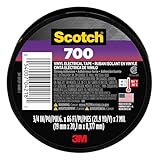
You don’t need to buy the absolute most expensive stuff, but avoid the cheapest, unbranded options you find in dollar stores. Brands like 3M, Scotch, and Gardner Bender are usually reliable.
They’ll specify the voltage rating and temperature range, which is important. For most DIYers, a standard vinyl electrical tape rated for up to 600 volts is perfectly fine.
You might also see different types. There’s ‘all-weather’ electrical tape that’s designed to remain flexible and stick in colder temperatures. There’s also ‘high-voltage’ tape, which is often rubber-based and has significantly higher dielectric strength for industrial applications, but that’s overkill for your average home repair. For most tasks, standard vinyl electrical tape will do the job. The key is that it’s non-conductive, flexible, and sticks well without leaving a mess. When you’re buying, check the thickness. Thicker tape generally offers better insulation and abrasion resistance. A good quality electrical tape will feel pliable and have a consistent adhesive layer. It should stretch and conform without tearing easily.
Here’s a quick rundown of what to prioritize:
| Feature | What to Look For | Why It Matters |
|---|---|---|
| Material | Vinyl (PVC) | Non-conductive, flexible, good dielectric strength. |
| Voltage Rating | 600V (for most household/auto use) | Makes sure it can handle typical electrical loads safely. |
| Temperature Range | Check specifications (e.g., -18°C to 105°C) | Prevents tape from becoming brittle or melting. |
| Adhesive | Strong but removable residue | Secures the wire without becoming a permanent, sticky mess. |
| Flexibility | Stretches and conforms | Creates a smooth, void-free insulating layer. |
| Brand Reputation | Known brands (3M, Scotch, etc.) | Generally indicates quality and consistent performance. |
So, when you’re browsing the aisles or looking online, steer clear of anything that looks like packing tape, duct tape, or cellophane. Stick to the rolls clearly marked ‘electrical tape.’ It might seem like a small detail, but it’s a important one for your safety and the longevity of your electrical repairs. The answer to ‘can I use clear tape instead of electrical tape?’ is a hard no. It’s a different tool for a different job, and using the wrong one is a gamble you shouldn’t take.
Applying Electrical Tape Like a Pro (even If You’re Not)
Okay, you’ve got the right tape. Now, how do you actually use it so it stays put and does its job? It’s not complicated, but there are a few tricks that make a big difference. First off, always, and I mean always, disconnect the power to the circuit you’re working on. I can’t stress this enough. Safety first. Then, make sure the wire you’re taping is clean and dry. Any dirt, grease, or moisture will prevent the tape from adhering properly and can create weak spots. A quick wipe with a clean cloth will do the trick. (See Also: Can I Substitute Duct Tape For Electrical Tape )
When you start wrapping, begin about an inch or so before the damaged area. Pull the tape taut as you wrap, overlapping each previous layer by at least half the tape’s width. This creates a strong, smooth barrier. The stretching action is key; it activates the adhesive and helps the tape conform tightly. As you move past the damaged section, continue wrapping for another inch or so onto the intact insulation. This makes sure the repair is well-covered and reinforced at both ends. Imagine you’re wrapping a present, but with electrical insulation. You want smooth, even coverage with no wrinkles or loose edges.
For more solid repairs, or if the wire is in a high-stress area, apply multiple layers. Two or three good layers are usually sufficient for most household applications. The final wrap should be snug and smooth.
You can even give it a final tug and a quick rub to help it seal. Some people like to use a heat gun briefly on the final layer to help it shrink and adhere even more firmly, but this is usually overkill for simple repairs. The goal is a smooth, tight, non-conductive covering that blends smoothly with the rest of the wire’s insulation.
It should feel solid and secure, not loose or gummy. This is the opposite of what you’d get trying to use clear tape. The difference in feel and security is night and day.
You’ll know you’ve done it right when the repaired section looks almost like new, and you feel confident it won’t cause any trouble.
Frequently Asked Questions About Tape and Wires
Can Clear Packing Tape Be Used for Electrical Insulation?
No, clear packing tape is not designed for electrical insulation. It’s made from materials that are not non-conductive and will not provide adequate protection against electrical current, heat, or moisture. Using it can lead to short circuits, shocks, and fires.
Is It Safe to Use Regular Duct Tape on Electrical Wires?
Generally, no. While some specialized ‘electrical’ duct tapes exist, standard household duct tape is not a reliable insulator for electrical wires. Its adhesive can degrade, and the material itself is not designed for electrical safety, making it a risky substitute for proper electrical tape.
What Happens If I Use the Wrong Tape on an Electrical Wire?
Using the wrong tape can lead to a failure of insulation, exposing conductive wires. This increases the risk of electrical shocks, short circuits, equipment damage, and potentially fires. It’s a dangerous shortcut that compromises safety.
How Many Layers of Electrical Tape Should I Use?
For most common repairs on low-voltage wiring, two to three layers of electrical tape, with each layer overlapping the previous one by at least half its width, are usually sufficient to create a secure and insulating barrier.
Final Thoughts
So, to put it plainly: can I use clear tape instead of electrical tape? Absolutely not. It’s a dangerous misconception that can lead to serious trouble. Clear tape is for sealing boxes, not for safeguarding your home from electrical hazards. Electrical tape is a specialized tool designed for a specific, safety-important job. It’s flexible, non-conductive, and built to last. Skimping on this might seem like a small saving, but the potential consequences – shocks, fires, ruined appliances – are astronomical.
Always reach for actual electrical tape when you’re dealing with exposed or damaged wires. Make sure the power is off, the wire is clean, and wrap it tight with good overlap. It’s a simple step that makes a world of difference. Don’t be that person who causes a problem because they didn’t have the right tape on hand. It’s worth the few bucks to do it right and keep yourself and your property safe.