I remember standing there, toolbox open, a half-finished wiring project staring back at me. I’d run out of the good stuff, the actual electrical tape, and all I had was that roll of blue painter’s tape I used for… well, painting.
A little voice in my head, probably fueled by too many YouTube tutorials, whispered, ‘Just use it for now. It’s only temporary.’ That’s the exact moment I asked myself, can I use blue tape on electrical wires?
Spoiler alert: It’s a question many DIYers have, and the answer isn’t a simple yes or no. It’s more of a ‘well, technically, but please don’t if you can help it.’
Why Electrical Tape Is Actually Electrical Tape
Let’s get one thing straight right off the bat: not all tape is created equal, especially when it comes to electricity. Electrical tape, the black stuff that most people recognize, is specifically designed for a reason. It’s made from a stretchy vinyl material, and this isn’t just for looks.
That stretchiness allows it to conform tightly to irregular shapes, like wire connectors or splices, creating a smooth, insulated surface. It’s also formulated to resist moisture, chemicals, and extreme temperatures that you might find in and around electrical work. The adhesive is designed to stick well without becoming brittle and cracking over time, which is absolutely important for safety.
When you’re dealing with live wires, even low-voltage ones, the last thing you want is an insulating layer that fails. I learned this the hard way after a minor shock trying to jury-rig a lamp with the wrong tape. It wasn’t fun, and it made me respect the specialized nature of electrical components.
The black tape might seem boring, but it’s engineered for a job, and it does that job reliably. Think of it like using a screwdriver for screws and a hammer for nails – different tools for different tasks, and when it comes to electricity, the right tool is a must for safety.
The common advice you’ll find everywhere is to use actual electrical tape. And they’re right. But the ‘why’ often gets glossed over.
It’s not just about adhering to some arbitrary standard; it’s about preventing shorts, preventing shocks, and making sure that your connection doesn’t become a fire hazard down the line. The vinyl’s inherent dielectric strength is what matters. It provides a barrier that can withstand a certain voltage before breaking down. Generic tapes, like blue painter’s tape or even duct tape, simply don’t have this property.
Their primary function is adhesion to surfaces for holding things together or masking them, not for creating an insulating barrier against electrical current. So, while you might get away with it in a pinch for a super low-voltage, temporary fix in a dry, protected environment, it’s a gamble with your safety and the integrity of your electrical system.
I’ve seen people try to use masking tape, scotch tape, even packing tape in a bind. Each time, it’s a recipe for potential disaster. The adhesives degrade, they leave sticky residue that’s a pain to clean up, and most importantly, they offer zero real insulation. When you’re working with wires, especially in situations where they might be exposed to vibration, moisture, or temperature fluctuations, using the wrong tape is like building a house with cardboard walls. It looks okay for a moment, but it won’t stand up to the test of time or stress.
What’s So Special About That Blue Tape Anyway?
Okay, so you’ve got that roll of blue tape sitting there. It’s fantastic for painting trim, masking off areas, and generally being a helpful household item. But can I use blue tape on electrical wires? Let’s talk about why it’s a bad idea, and what makes it different from the real deal. Blue painter’s tape is designed to stick to surfaces like walls and trim without damaging the paint when you peel it off. That’s its superpower. It uses a low-tack adhesive, which means it’s not meant to create a permanent, solid bond. For electrical work, you need a tape that sticks firmly and reliably, creating a sealed, insulated barrier that won’t peel or degrade under stress.
The material itself is usually paper, which is obviously not an insulator. Even the adhesive, while sticky enough for paint, is not designed to withstand the electrical and environmental stresses that actual electrical tape can handle.
Think about it: wires can get warm, they can be in damp areas, and they need to be securely insulated to prevent accidental contact. Blue tape will likely dry out, become brittle, and lose its adhesive properties pretty quickly in these conditions. It might provide a very, very temporary physical barrier, but it offers no significant electrical insulation. I once saw a friend try to wrap a frayed cord with blue tape during a power outage, thinking it would be a quick fix to get a light working.
Within a few hours, the tape was peeling, and the cord looked even worse. It was a stark reminder that temporary fixes with the wrong materials can often create bigger problems.
The reality is, the adhesive on blue tape is designed for delicate surfaces. It’s formulated to release cleanly. (See Also: Can I Use Electrical Tape To Connect Wires )
That’s the opposite of what you need for electrical connections, where a strong, permanent bond is key for safety and longevity. If you’re looking at a wire splice and thinking, ‘This looks a bit messy, maybe some blue tape will tidy it up,’ stop.
It won’t tidy it up safely. It’ll just make it look temporarily tidier while compromising the insulation.
For any electrical application, you absolutely need to use tape that is specifically rated for electrical use. This is not a place to cut corners or improvise with whatever is in your junk drawer. The risk simply isn’t worth it, and the cost of proper electrical tape is minuscule compared to the potential consequences of a faulty connection.
When ‘temporary’ Might Actually Work (but Still Don’t)
So, you’re in a bind. You’ve got a wire that’s just barely exposed, and you need to make a quick, incredibly low-voltage connection that you’ll be fixing properly in literally an hour. You’re thinking, ‘Can I use blue tape on electrical wires just for this moment?’ Honestly, in a highly controlled, extremely temporary, non-important, low-voltage situation (like a battery-powered LED string light that’s already off), it might not immediately cause a fire or electrocute you. But this is where the ‘friend’ advice comes in: just because you can, doesn’t mean you should. This is the dangerous territory where ‘temporary fixes’ become permanent problems because people forget or delay the real repair.
I had a situation once where I was testing some 5V circuits for a hobby project. One of the thin wires had a tiny nick in the insulation. I had a very specific piece of insulated connector I needed to attach, and I knew it would take me about 15 minutes.
I had no electrical tape in the house, but I did have blue tape. I used a small piece, wrapped it carefully, and tested my circuit.
It worked. Fifteen minutes turned into an hour because I got distracted.
By the time I came back to fix it properly, the blue tape had started to peel, and the adhesive felt gummy. It was a wake-up call. If I hadn’t been there to see it, that minor nick could have been exposed for days, or even weeks, leading to a short or a shock hazard. The temptation to use what’s readily available is strong, but the consequences of electrical mishaps are severe.
It’s never worth the risk.
The problem is, “temporary” is a slippery slope. What starts as a quick fix to get something working for an hour can easily become a permanent solution if you forget about it or put off the proper repair.
And even in those extremely low-voltage scenarios, the blue tape adhesive can degrade, making the initial problem worse. It can leave sticky residue that’s a pain to clean off later, and it just doesn’t provide the reliability that proper electrical tape does. Furthermore, many common household electrical devices, even seemingly low-voltage ones, can have higher peak voltages or unexpected surge potentials. Relying on blue tape is like betting against the house – eventually, the house wins, and you’re left with a mess.
The best advice here is to have proper electrical tape on hand. It’s cheap, it’s effective, and it’s the only safe way to go.
The Real Deal: What to Look for in Electrical Tape
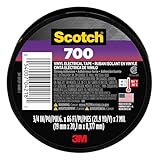
Alright, let’s talk about what you should be using. When you head to the hardware store or search online, you’ll see a few different types of electrical tape, and they’re not all the same. The most common and versatile is the standard vinyl electrical tape. This is the black, stretchy stuff I’ve been raving about. It’s designed for general-purpose use on wires rated up to 600 volts. It’s flexible, durable, and provides excellent insulation and protection against moisture and abrasion. This is your go-to for most household electrical repairs, splicing wires, and insulating connections.
Then there are specialty tapes. You might see high-temperature electrical tape, often made of fiberglass or specialized materials, designed for situations where wires might be exposed to extreme heat, like in engine compartments or near heating elements.
There’s also self-fusing silicone tape, which isn’t really tape in the traditional sense. It’s a rubbery material that, when stretched and wrapped, fuses to itself to create a smooth, waterproof, and highly insulating layer. This is fantastic for sealing splices in wet environments or for creating a very solid insulation layer, but it can be a bit trickier to apply than standard vinyl tape and is often more expensive. (See Also: Can Electrica Tape Catch On Fire )
For the average DIYer, standard vinyl electrical tape will get the job done 99% of the time. Look for reputable brands; they usually cost a few bucks a roll, and one roll will last you ages for typical home repairs. Don’t skimp here.
The numbers on the packaging matter – they indicate the voltage rating, which is a good indicator of its insulating capability. Always aim for a tape with a voltage rating higher than what you’re working with. According to manufacturers’ specifications, most standard vinyl tapes are rated for at least 600V, which is more than sufficient for standard household wiring.
Here’s a quick rundown of what to consider:
| Type of Tape | Primary Use | Pros | Cons | Verdict |
|---|---|---|---|---|
| Standard Vinyl Electrical Tape | General splicing, insulation, wire bundling | Flexible, good adhesion, cost-effective, widely available | Can dry out over many years, not ideal for extreme heat |
Your Go-To. For almost everything around the house, this is the one you want. |
| High-Temperature Electrical Tape | Applications with high heat exposure | Withstands extreme temperatures | Less flexible, more expensive |
Specific Need. Only use if you know wires will get very hot. |
| Self-Fusing Silicone Tape | Waterproofing, heavy-duty insulation, sealing | Forms a smooth, waterproof bond, excellent insulation | Tricky application, expensive, can be bulky |
Serious Jobs. Great for wet areas or important, high-stress connections. |
| Blue Painter’s Tape | Masking paint, light-duty holding | Removes cleanly from surfaces | Absolutely Not! No insulation, degrades quickly, unsafe for electrical use. |
Never. This is the most important verdict – blue tape is NOT for wires. |
Common Mistakes and How to Avoid Them
The biggest mistake people make, and the one that leads to this whole ‘can i use blue tape on electrical wires‘ question, is improvisation. They see a problem, they have a tool (or tape) nearby, and they think ‘good enough.’ This is fundamentally flawed thinking when it comes to electricity. The wires inside your walls, your appliances, your extension cords – they all carry current. If the insulation fails, you risk short circuits, blown fuses, fires, and serious injury. The common advice to use proper electrical tape isn’t just corporate jargon; it’s a safety mandate.
Another common mistake is not preparing the wire properly before taping. If you’re splicing two wires, you need to make sure they are securely connected first, usually with a wire nut or a crimp connector. Then, you tape over that connection.
Simply wrapping tape around bare wires isn’t a substitute for a proper connection. The tape’s job is to insulate the connection, not to make the connection.
Also, people often don’t overlap the tape enough or wrap it tightly. Electrical tape should be stretched slightly as you wrap it, overlapping each layer by at least half.
This creates a smooth, continuous insulating barrier. Don’t just slap a few loose wraps on and call it a day.
Think of it like putting on a cast – you want it snug and solid, with no gaps.
I once tried to repair a frayed power cord on an old lamp. I didn’t have electrical tape, so I used some black duct tape I had lying around, thinking it was “close enough.”
It held for a few days, but then the adhesive started to fail, the tape got gooey, and the wires started to peek through again. Worse, the duct tape itself isn’t designed for the heat generated by a power cord, and it started to smell weird. That lamp is now in the trash, and I keep a good stock of proper electrical tape on hand. (See Also: Can I Substitute Duct Tape For Electrical Tape )
It’s a lesson learned: cheaping out on electrical safety is the most expensive mistake you can make. Always check the condition of your cords and wires regularly. If you see any fraying or damage, don’t wait.
Get it fixed properly, and that means using the right materials, including actual electrical tape.
A Few Practical Tips for Using Electrical Tape
When you’re actually using electrical tape, there are a few tricks that make the job easier and safer. First, cut the tape to the length you need. Trying to rip it with your teeth or a dull blade can result in uneven tears that make wrapping difficult. Use sharp scissors or a utility knife.
Second, as mentioned, stretch the tape slightly as you wrap. This helps it conform to the wire and creates a stronger, more cohesive insulating layer.
Don’t yank it so hard that it snaps, but give it a gentle pull. Start wrapping a bit before the exposed wire and extend a bit past it, making sure complete coverage. Overlap each layer by at least half the width of the tape. This creates a smooth barrier.
For more important connections, or if you want extra security, you can wrap a second layer of tape in the opposite direction of the first. This adds an extra layer of protection and helps prevent any potential lifting or peeling.
Also, pay attention to the environment. If you’re working in a damp or cold area, the adhesive on the tape might not stick as well.
Try to warm the tape slightly, or make sure the wires are clean and dry before you start. Cleanliness is key; grease, dirt, or moisture will prevent the tape from adhering properly. Lastly, and this is important, always turn off the power to the circuit you’re working on before you start.
Use a voltage tester to confirm the power is off. This isn’t directly about the tape, but it’s a fundamental safety step that goes hand-in-hand with any electrical work.
Proper taping is only effective and safe when done on de-energized circuits. I always double-check with my non-contact voltage tester, even if I think the breaker is off. That little bit of extra caution has saved me a few surprises over the years.
People Also Ask:
Can I Use Duct Tape for Electrical Wires?
No, absolutely not. Duct tape is not designed for electrical insulation. Its adhesive degrades quickly, it’s not flexible enough to create a proper seal, and it offers no real protection against electrical current. Using duct tape on electrical wires is a significant safety hazard, increasing the risk of shorts, fires, and electric shock.
Is It Safe to Tape a Frayed Electrical Cord?
While you might be tempted, it’s generally not safe to simply tape a frayed electrical cord, especially with non-electrical tape. The fraying indicates damage to the insulation, and tape (even electrical tape) is a temporary fix at best. The cord should be repaired or replaced by a qualified person to make sure it’s safe. Temporary taping should only be done with proper electrical tape and only after making sure the power is off and the cord is otherwise sound.
What Tape Is Safe to Use on Electrical Wiring?
Only tape specifically rated and designed for electrical use is safe for electrical wiring. This typically means vinyl electrical tape, which is flexible, provides good insulation up to 600 volts, and adheres well. For more demanding applications, specialized high-temperature or self-fusing silicone tapes may be used, but standard vinyl tape is suitable for most household electrical repairs.
How Long Does Electrical Tape Last?
When stored properly in a cool, dry place away from direct sunlight, good quality electrical tape can last for many years, often 5 to 10 years or even longer. However, its effectiveness can degrade over time, especially if exposed to heat, moisture, or UV light. It’s always a good idea to check the tape’s condition before use, looking for signs of brittleness, cracking, or loss of adhesion.
Final Thoughts
So, to circle back to that initial question: can i use blue tape on electrical wires? The definitive, no-bones-about-it answer is no. While it might seem like a harmless shortcut in a pinch, the risks far outweigh any perceived benefit. Blue tape is for painting, not for protecting yourself from electricity.
Stick to what’s designed for the job. A roll of proper electrical tape costs next to nothing and can save you a lot of headaches, not to mention potential injury. It’s one of those small investments that pays off big time in safety and reliability.
Next time you’re tinkering with wires, make sure you’ve got the right tape in your toolbox. Your future self (and maybe your house) will thank you.