Look, I get it. You’ve got this shiny new SSD, or maybe an older one that’s seen better days, and you’re staring at it. There’s a little bit of exposed PCB, a sticker peeling off, or maybe you just want to slap some sort of label on it. And then the thought pops into your head: ‘Can I use black electrical tape on SSD?’ It seems like a quick, easy fix for a cosmetic issue, right? I’ve been there, rummaging through my toolbox for something, anything, to tidy things up. The temptation is real, especially when you’re trying to keep things neat and tidy inside a PC build or just prevent a loose sticker from annoying you.
But before you go slathering that sticky, vinyl stuff all over your expensive storage, let’s have a real talk. I’ve wasted enough money on tech that underdelivered to know that a shortcut can often be a long-term headache. So, let’s break down whether black electrical tape is actually a friend or foe to your solid-state drive.
Why Black Electrical Tape on an SSD Is a Questionable Idea
Alright, let’s get straight to it. The question, ‘can i use black electrical tape on ssd,’ comes up because, well, people like options. They see a roll of black electrical tape, it’s insulating, it’s sticky, and it’s black – seemingly unobtrusive.
On the surface, it feels like it might do the job of covering up something unsightly or perhaps even offering a modicum of protection. But let’s peel back the layers, shall we?
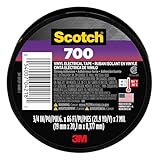
Electrical tape, at its core, is vinyl. It’s designed to insulate electrical wires from each other and the environment.
It’s not designed for high-temperature environments, prolonged contact with sensitive electronics like SSDs, or for permanence. I’ve seen folks slap it on all sorts of things inside a PC, from cables to even components, with the best intentions. My first real ‘uh oh’ moment came when I was trying to secure a loose heatsink on an old RAM module. I used a bit of electrical tape to hold it down, thinking it was just temporary.
Weeks later, when I opened the case, the tape had become gummy, sticky, and had started to creep. It left a residue that was a nightmare to clean off, and it wasn’t exactly looking pristine anymore. That little incident taught me that ‘temporary’ fixes can often become permanent problems, especially when sticky residues are involved.
The primary concern with using electrical tape on an SSD isn’t usually about electrical conductivity itself – good quality electrical tape is non-conductive. The real issue lies in its material properties and how they interact with the operating environment of a computer. SSDs, particularly NVMe M.2 drives, can get warm. While not as hot as a CPU or GPU, they do generate heat during sustained reads and writes.
Vinyl, the main component of electrical tape, can soften, degrade, and become tacky when exposed to even moderate heat over time. This sticky residue can then attract dust and debris, which is the absolute enemy of clean internals.
Imagine a sticky patch on your SSD where dust bunnies then decide to set up permanent residence. Not ideal.
Furthermore, computer components are often designed with specific airflow in mind. While a small piece of tape might seem insignificant, it can potentially disrupt subtle airflow patterns or, worse, block vents or heat dissipation areas if placed carelessly. The adhesive itself is also a question mark.
Over time, it can break down, potentially leaching chemicals or simply losing its grip, causing the tape to peel off and flap around inside your case – a recipe for disaster. I once found a small piece of tape that had fallen off a cable and was lodged near a fan blade. It made a terrifying buzzing noise until I could shut everything down and fish it out.
That could have easily been an SSD if I had taped it down earlier. (See Also: Can I Use Electrical Tape To Connect Wires )
What Electrical Tape Really Is (and Isn’t)
Let’s talk about what electrical tape actually is, because understanding its limitations is key to answering whether you can use black electrical tape on an SSD. It’s typically made from polyvinyl chloride (PVC) as the backing material, which is a type of plastic. This is then coated with an adhesive, usually a rubber-based or acrylic-based one. The whole point of it is to provide electrical insulation and mechanical protection for wire splices and joints. It’s flexible, stretches to conform to shapes, and is designed to withstand some degree of electrical current and moderate environmental exposure – think your average wall outlet environment, not the inside of a hot computer case.
The problem is that the ‘moderate environmental exposure’ part is where it falls short for internal PC components. High-quality electrical tape, like 3M Super 33+ or 35, is pretty good stuff. It’s rated for temperatures up to 176°F (80°C) and can handle up to 600 volts.
That sounds like a lot, but remember, your CPU can get significantly hotter than that, and even an SSD can hit temperatures that will start to make that PVC and adhesive soften over time. I’ve pulled apart old electronics where the electrical tape had become brittle, cracked, or, as I mentioned, turned into a sticky goo.
This isn’t just ugly; it can become a physical hazard. If the tape degrades and starts to peel, it can get caught in fans, short out components if it makes contact with exposed circuitry (though the tape itself is non-conductive, the adhesive might not be perfectly so, or it could peel away to expose something that is), or simply leave a persistent, hard-to-remove residue on your SSD’s PCB or casing.
People also sometimes confuse electrical tape with other types of tape. There’s Kapton tape, which is made from polyimide film and is much more heat-resistant.
That’s often used in electronics for insulating hot spots or covering components. Then there’s aluminum foil tape, which is for sealing ducts and isn’t suitable for electronics either. And of course, there’s good old duct tape, which is a terrible idea for anything inside a computer due to its fibrous backing and aggressive adhesive.
The specific properties of electrical tape – its flexibility, its vinyl base, and its adhesive composition – make it a poor long-term choice for something like an SSD, where stability and resistance to heat and aging are important. It’s designed for quick fixes and insulation on wires, not for structural or cosmetic applications on sensitive solid-state drives.
Common Mistakes People Make (and How to Avoid Them)
The most common mistake people make when considering using electrical tape on an SSD is thinking it’s a universal solution for any minor issue. Maybe the SSD label is peeling, or there’s a small gap you want to cover. You reach for the electrical tape because it’s readily available and seems harmless.
This is where the ‘good intentions, bad outcome’ cycle begins. I’ve seen builds where people used electrical tape to secure cables, label different drives, or even cover up little scuffs on the casing. The problem isn’t always immediate failure; it’s the slow degradation. That tape that looks fine today might be a sticky, gummy mess in six months, attracting dust and looking terrible.
This is especially true if the SSD is mounted in a position where it gets direct airflow from a case fan, meaning it’s constantly being subjected to moving air, which can dry out adhesives or carry heat to the tape.
Another mistake is underestimating the heat an SSD can generate. While a typical SATA SSD might not get scorching hot, NVMe M.2 drives, especially those in higher-performance tiers, can reach temperatures that are uncomfortable to the touch. If your case has poor airflow, or the M.2 slot is located above a hot graphics card, that SSD is working harder and getting warmer.
Electrical tape is not designed for sustained exposure to these temperatures. Its adhesive can break down, leading to the tape becoming loose, and the vinyl can degrade, potentially releasing plasticizers that could, in theory, interact with the PCB over very long periods. I once saw a build where someone had used electrical tape to cover the entire top of their M.2 drive, supposedly to ‘keep dust off.’ (See Also: Can Electrica Tape Catch On Fire )
This is a massive mistake. It completely suffocates the drive’s ability to dissipate heat, leading to thermal throttling and premature failure.
It’s like putting a blanket on a laptop that’s already overheating.
A related error is applying tape to bare PCB components of the SSD. SSDs have small chips, capacitors, and resistors on their circuit boards. While the tape itself is non-conductive, its adhesive can be problematic.
If the adhesive starts to ooze or degrade, it could potentially compromise the function of these delicate components. It’s also incredibly difficult to remove cleanly if it gets on the actual PCB. You risk damaging trace lines or components when you try to peel it off, especially if it’s become hardened or glued down by heat.
My advice? If there’s a sticker peeling on your SSD, a tiny piece of high-quality double-sided tape designed for electronics or even a small dab of electronics-grade epoxy (used sparingly!) would be a far safer bet than electrical tape.
For labeling, use a label maker and stick it to the casing, not the PCB. Leave the electrical tape for its intended purpose: wrapping wires.
What to Look for Instead of Electrical Tape
If you need to secure something, label something, or protect a small area on or near your SSD, here are better options:
- Kapton Tape: This is the gold standard for electronics. It’s polyimide tape, incredibly heat-resistant, and leaves no residue. It’s often used by manufacturers themselves.
- High-Quality Double-Sided Tape: For securing non-conductive items or preventing stickers from peeling, specific electronics-grade double-sided tapes are available. Make sure they are designed for electronics and have good temperature resistance.
- Silicone Rubber Sheets/Pads: For thermal management or vibration damping, thin silicone sheets are excellent. They are heat-resistant and inert.
- Label Maker: For identification, a label maker is perfect. Stick the labels on the metal casing, not the PCB, and make sure they don’t obstruct any vents or heat sinks.
Real-World Use Cases and My Experience
So, where does electrical tape actually come into play for SSDs, if at all? Honestly, in my years of tinkering, building, and repairing, I can’t think of a single scenario where I’d deliberately choose black electrical tape for direct application on an SSD. My experience has consistently shown it’s a product best kept for its intended purpose: insulating wire splices.
I’ve used it extensively on the external cables of power supplies, network cables, and even some older audio equipment. It’s great for bundling wires temporarily or for a quick fix on a frayed cable sheathing.
But inside a PC, especially on a component like an SSD that’s designed to operate within a specific thermal envelope and has sensitive circuitry, the risks far outweigh any perceived benefits.
I remember one build where I was troubleshooting a weird fan noise. It turned out a small piece of electrical tape had come loose from a cable I’d tidied up months prior and was intermittently hitting a fan blade. It was an annoying, high-pitched whine that took me hours to track down. The tape itself was still sticky but had lost some of its pliability.
It wasn’t brittle, but it wasn’t like new either. This was in a system that wasn’t excessively hot, just a standard mid-tower with decent airflow. It reinforced my belief that even under ‘normal’ conditions, electrical tape can fail or cause issues over time. (See Also: Can I Substitute Duct Tape For Electrical Tape )
If that piece of tape had fallen onto the SSD’s PCB, the outcome could have been much worse. Imagine the adhesive gumming up a controller chip or a NAND flash package. It’s just not worth the gamble.
My personal SSDs have never had electrical tape applied to them. I’ve got M.2 drives that are exposed with just their motherboard heatsinks.
I’ve got 2.5-inch SATA drives tucked away in bays. If a sticker peels, I usually just peel it off entirely or, if it’s really bothering me, I might carefully trim it off with a craft knife. For labeling, I use a Brother P-touch label maker and stick the labels onto the metal casing, making sure they don’t cover any ventilation or key markings.
It’s cleaner, safer, and I don’t have to worry about sticky residue or heat degradation down the line. The aesthetic isn’t as ‘stealthy’ as a perfectly black tape might be, but it’s functional and, most importantly, safe.
When people ask me ‘can i use black electrical tape on ssd,’ my honest answer is always a firm no. It’s a temptation for a quick fix, but it’s a trap. You’re better off leaving the SSD as is, or using materials specifically designed for electronics if you absolutely must modify or secure something. The longevity and reliability of your storage are too important to risk with a product that’s fundamentally not suited for the job.
A Practical Comparison Table: Electrical Tape vs. Better Alternatives
When you’re dealing with components like SSDs, the choice of material matters. Here’s a quick rundown comparing electrical tape to some more suitable options:
| Material | Pros | Cons | Verdict for SSD Use |
|---|---|---|---|
| Black Electrical Tape (PVC Vinyl) | Non-conductive, flexible, readily available, cheap. | Degrades with heat, adhesive can become sticky/brittle, can leave residue, not designed for electronics longevity. | Avoid. Risks of heat degradation and sticky residue are too high for sensitive electronics. |
| Kapton Tape (Polyimide) | Excellent heat resistance (up to ~300°C), leaves no residue, chemically stable, excellent electrical insulation. | Can be more expensive, not always readily available in consumer stores, can have a shiny amber appearance. | Excellent. Ideal for insulating hot spots or securing components where heat is a factor. |
| High-Quality Electronics Double-Sided Tape | Strong adhesion for securing labels or thin items, designed for electronics, varied temperature ratings available. | Need to select the right type for the job (temperature, strength), can still leave residue if low quality or aged. | Good, with caution. Use only reputable brands specifically for electronics, and for non-heat-important applications like labels. |
| Label Maker Tape (Standard Acrylic) | Clean appearance, easy labeling, designed for general surface adhesion. | Not heat resistant, adhesive can degrade over time, can leave residue. Best applied to the casing, not exposed PCBs. | Acceptable for casing. Use for labeling the outer casing of 2.5-inch SSDs or external enclosures. Never on M.2 PCBs. |
As you can see from the table, while electrical tape has its place in the world of DIY and repairs, that place is generally not on or near your SSD. The properties that make it useful for wiring – its flexibility and adhesive nature – become liabilities when exposed to the operational environment of modern computer hardware. Investing a few extra dollars in Kapton tape or a good label maker is a small price to pay for the peace of mind and the actual safety of your data storage.
People Also Ask: Common SSD Questions
Do Ssds Need Cooling?
Generally, no, not in the way a CPU or GPU does. Most SATA SSDs produce very little heat and operate fine without any additional cooling. However, high-performance NVMe M.2 SSDs can get quite warm under sustained load, and motherboard manufacturers often include heatsinks for these drives. If your NVMe drive is consistently running hot (above 70°C), a dedicated M.2 heatsink or better case airflow might be beneficial to prevent thermal throttling and make sure longevity.
Can I Touch an SSD with My Bare Hands?
Yes, you can generally touch an SSD with your bare hands without damaging it. While it’s always good practice to ground yourself before handling any computer components to discharge static electricity, SSDs are not as sensitive to static discharge as some older or more delicate components. The primary risk is static, not the oils or dirt on your hands, which can usually be wiped off. Nevertheless, grounding yourself is still the safest approach.
What Happens If You Put Tape on an SSD?
If you put standard electrical tape on an SSD, especially on the PCB, you risk several issues. The adhesive can degrade over time due to heat, becoming sticky and attracting dust, or brittle and peeling off. This residue can be difficult to clean and might interfere with component functionality. In extreme cases, degradation could lead to thermal issues if the tape blocks ventilation, or the tape itself could potentially short something if it becomes conductive or conductive debris adheres to it. It’s generally a bad idea.
Can You Put Stickers on an SSD?
Yes, you can put stickers on the outer metal casing of an SSD, particularly for 2.5-inch SATA drives or the metal shrouds on M.2 drives. It’s a common way to personalize or label drives. However, it’s important not to place stickers on the exposed circuit board (PCB) of the SSD. Stickers can interfere with heat dissipation, attract dust into sensitive areas, and their adhesive could potentially degrade and cause problems. Always stick to the casing.
Verdict
So, let’s wrap this up with a no-nonsense summary. Can I use black electrical tape on SSD? The short, blunt answer is: you absolutely shouldn’t. While it might seem like a quick fix for a peeling label or a cosmetic cover-up, the material properties of electrical tape – its vinyl base and adhesive – are not suited for the thermal environment inside a computer. Over time, heat can cause it to degrade, become sticky, and attract dust, or become brittle and peel off, potentially causing more problems than it solves. It’s a product designed for insulating wires, not for delicate electronic components like your valuable storage.
My advice, based on years of hands-on experience and seeing what happens when ‘shortcuts’ go wrong, is to avoid it entirely. If you need to secure a label, use a label maker on the casing. If you’re worried about exposed components and want something more durable, look into Kapton tape, which is specifically designed for high-temperature electronics applications and leaves no residue. Don’t compromise the health and longevity of your SSD for the sake of a few cents worth of electrical tape. Your data is worth far more than that.
Ultimately, when it comes to your SSD, stick to using materials designed for electronics. The question of ‘can i use black electrical tape on ssd’ should be answered with a resounding ‘no.’ Protect your investment and your data by making informed choices. If you’re unsure about a material’s suitability, it’s always better to err on the side of caution and find an alternative that’s proven to be safe and effective for electronics.