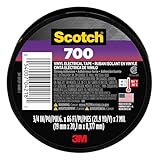
I’ve lost count of how many times I’ve stared at a scratched-up battery skin, wondering if a quick fix was possible. My latest offender? A cheap rechargeable battery pack for my portable gaming rig that took a tumble off my desk. The plastic casing itself is fine, but the thin, printed ‘skin’ – the decorative and sometimes informative layer on top – is peeling away at the corners. It looks like hell, and frankly, it bugs me. So, the question that plagues many of us when faced with minor cosmetic damage: can I repair battery skins with electrical tape? Let’s get straight to it.
My gut reaction, based on years of fiddling with electronics, is usually ‘maybe, but probably not well.’ Electrical tape is versatile, I’ll give it that. It stretches, it sticks, it insulates. But does it look good? Does it last? Does it actually ‘repair’ anything in a meaningful way?
Why You Might Even Consider Electrical Tape for Battery Skins
Look, nobody wants to slap tape on their expensive gear. But sometimes, life happens. Batteries get dropped. They get jostled in bags. The thin, often adhesive-backed vinyl or paper skins that manufacturers slap on can be surprisingly fragile. I’ve seen them start to peel or tear within weeks of purchase, especially on devices that get handled a lot, like portable power banks, vape mods, or even some older power tool batteries.
The appeal of electrical tape is obvious: it’s cheap, readily available at any hardware store or even corner shop, and it’s designed to stick to things. It offers a barrier, however flimsy, against further damage. If your battery skin is just starting to lift at an edge, a small piece of black electrical tape might seem like a no-brainer.
It’s not like you’re trying to perform surgery on the battery cell itself. This is purely cosmetic, right? And in a pinch, when you’re heading out on a trip and don’t want your gear looking like it survived a bar brawl, a quick tape job can make it presentable.
I’ve used it in exactly these situations – a quick cover-up before a weekend camping trip where my battery pack looked a bit rough around the edges. It stopped the peeling from getting worse, and for the week I was away, it did its job. No one noticed, and I didn’t have to look at the unsightly tear.
The other reason people consider it is the perceived ‘electrical’ aspect. Maybe there’s a loose wire or connection under the skin?
While electrical tape is an insulator, it’s important to understand that if the underlying issue is electrical, tape is a very temporary, and potentially dangerous, band-aid. For purely cosmetic issues, the ‘electrical’ part of the tape’s name is more about its insulating properties for wiring than its ability to adhere to plastic or vinyl. It’s also got a decent amount of stretch, which can be handy for conforming to slightly curved surfaces, unlike, say, packing tape.
I once tried to fix a torn battery casing on an old RC car with duct tape, and the stiffness was a nightmare. Electrical tape is much more forgiving in that regard.
It’s also worth noting that some battery skins are made of materials that might react poorly with stronger adhesives, like super glue. Electrical tape, while sticky, is generally less aggressive. So, if you’ve tried something else and it made the plastic gummy, tape might seem like a safer bet. It’s a low-risk, low-reward approach for a low-stakes problem, or so it seems at first glance.
The Harsh Reality: What Happens When You Use Electrical Tape
Okay, let’s cut to the chase. While you can technically wrap electrical tape around a battery skin and make it stick, doing so is rarely a good long-term solution, and it often makes things worse.
My first real attempt was on a set of rechargeable AA batteries for a high-powered flashlight. The labels were coming off, looking tatty. (See Also: Can I Use Electrical Tape To Connect Wires )
I thought, ‘Black tape, clean lines, perfect.’ I carefully cut strips and applied them. Within a week, the edges of the electrical tape started to curl up. Then, the adhesive from the tape itself began to ooze out, leaving a sticky, gummy residue.
This residue is a nightmare to clean, attracting dust and lint like a magnet. It looked worse than the original peeling skin.
I ended up having to scrape off the tape, the old adhesive, and then somehow reapply a new skin – a much bigger job than if I’d just left it alone.
The problem isn’t just aesthetics. Electrical tape, especially cheaper brands, isn’t designed for the kind of flexing, temperature changes, and general wear and tear that a battery skin endures. The adhesive breaks down. It loses its tackiness. It can leave behind a sticky mess that’s incredibly difficult to remove. I’ve spent hours with Goo Gone and isopropyl alcohol trying to get the residue off, only to find the underlying plastic has been slightly discolored by the solvents. This is a real pain, especially if the battery is for something you use often and want to look decent.
Furthermore, electrical tape isn’t a structural repair. If the battery skin is torn or peeling significantly, electrical tape is just covering a wound. It’s not reinforcing anything. The underlying material is still compromised.
I saw a friend try to tape up a cracked battery casing on a drone – not the skin, but the actual plastic. It looked okay for a flight or two, but under the stress of landing, the tape ripped, and the cracked plastic pieces splayed out.
It was a minor crash that could have been survivable with a proper repair, but the tape gave it no real structural integrity. The battery vented slightly afterward, and we had to ditch it. That’s a much more serious outcome than a cosmetic issue.
The common advice you’ll find online is often a mix of wishful thinking and outright bad ideas. Many forums suggest it as a quick fix. I disagree. While it might seem like a simple solution, the reality is that the adhesive on electrical tape is often not durable enough for this application. It’s designed for electrical insulation, where it’s usually tucked away inside a junction box, not exposed to constant handling and potential abrasion. My experience has taught me that if you want a repair, you need a repair, not just a cover-up that will likely fail and create more problems.
Here’s a quick rundown of my experience:
| Problem | Electrical Tape Attempted Fix | Real-World Outcome | Verdict |
|---|---|---|---|
| Peeling edge on power bank skin | Small strip of black electrical tape | Tape edges curled, adhesive leaked, sticky residue left behind | Messy, temporary, looks worse |
| Torn label on AA battery | Carefully wrapped strips | Tape lost adhesion, attracted lint, residue required significant cleaning | Unsatisfactory, created more work |
| Scratched decorative skin on vape mod | Full wrap with custom-cut pieces | Tape discolored from heat/UV, adhesive failed, left sticky residue | Failed aesthetically and functionally |
What to Look for in a real Battery Skin Repair (or Replacement)
So, if electrical tape is a dud, what actually works? The best approach depends on what you mean by ‘repair’ and how much you care about the aesthetics. For most people, the battery skin is purely decorative. If it’s peeling, the most straightforward solution is often replacement.
You can buy replacement skins online for a huge variety of battery types and devices. These are typically made from vinyl or a similar material, pre-cut to fit the specific battery. They usually have a strong adhesive backing designed to adhere well to the battery casing. Applying these is usually a simple peel-and-stick process. I recently replaced the skin on my portable charger, which had gotten pretty beat up. I found a pack of three for about $8 online. It took me maybe five minutes per battery to carefully align and stick them on. They look fantastic, like new. This is the route I’d recommend for anyone who wants their battery to look good again. (See Also: Can Electrica Tape Catch On Fire )
If you’re feeling adventurous and want to get creative, you could also consider using automotive vinyl wrap or even high-quality adhesive vinyl. These materials are designed to be durable, weather-resistant, and often come in a wide range of colors and finishes, including carbon fiber patterns, matte colors, or even metallic sheens.
The caveat here is that you’ll need to cut them yourself, which requires a steady hand and a bit of practice. I experimented with some carbon fiber wrap on a few AA batteries just for fun. It took a bit of patience to get the curves right, but the result was a rugged, professional look that has held up much better than any tape job ever would. It’s a bit more work, sure, but the payoff in terms of durability and appearance is significant.
For about $20, I got a roll that could cover dozens of batteries.
For minor cosmetic damage that isn’t peeling, like light scratches, you might be able to use a very fine grit sandpaper (like 2000 grit or higher, used wet) to gently buff out the scratches. This is risky, though, as you can easily make the surface look worse if you’re not careful. I tried this on a smooth, matte finish once, and it ended up looking hazy. This method is only advisable for specific types of finishes where you know what you’re doing. It’s definitely not a ‘can i repair battery skins with electrical tape’ kind of fix; it’s more about surface restoration.
Ultimately, if the damage is significant – a deep gouge, a large tear, or extensive peeling – replacement is the only sensible option. Trying to patch it up with anything less than a proper vinyl skin is just delaying the inevitable and likely creating a mess.
Common Mistakes and What to Avoid
When people ask ‘can i repair battery skins with electrical tape,’ they’re often looking for a shortcut. And shortcuts, in my experience, usually lead to longer, more frustrating paths. The biggest mistake is thinking electrical tape is a permanent or even a semi-permanent solution. It’s not. It’s a temporary fix, at best, and one that often fails spectacularly.
One common mistake I see is people trying to ‘smooth out’ the electrical tape by heating it with a hairdryer. While this might help it conform initially, the heat can also degrade the adhesive on the tape and the underlying battery skin, making it more prone to peeling later. I tried this on a cylindrical battery for a flashlight once, and the tape developed bubbles and wrinkles within days. It looked like a sad, deflated balloon. The heat just seemed to loosen everything up prematurely.
Another error is using too much tape or applying it haphazardly. Overlapping strips, uneven cuts, and bunching can create weak points where dirt and moisture can get in, accelerating the degradation of both the tape and the skin underneath. It’s also a magnet for lint and dust, which gets trapped in the adhesive. This makes the battery look dirty and unkempt, undermining the very reason you tried to fix it in the first place.
People also forget that batteries, especially rechargeable ones, can generate heat. Electrical tape isn’t designed to withstand significant heat exposure. The adhesive can melt or become gummy, and the tape itself can stretch and warp. This is particularly relevant for batteries used in high-drain devices like power tools, drones, or high-performance RC cars. While you might not be repairing the skin on a power tool battery with electrical tape, the principle holds true for any battery that gets warm during use.
Finally, and this is a big one, people sometimes confuse ‘battery skin’ with the actual battery casing. If there’s a crack in the plastic casing itself, electrical tape is a terrible idea. It offers no structural support. If the battery cell inside is damaged, you’re playing with fire – literally. Always differentiate between cosmetic issues (the skin/label) and structural or internal damage. For any damage to the actual casing, you need to consult the manufacturer or dispose of the battery safely, not reach for the electrical tape.
My Honest Take: When (if Ever) Electrical Tape Is Okay
So, after all this, let’s circle back to the original question: can I repair battery skins with electrical tape? My honest, no-holds-barred answer is: probably not in a way that’s worth the effort or the eventual mess. If you’re looking for a durable, long-lasting, or even remotely professional-looking fix, then absolutely not. Electrical tape is the wrong tool for the job. (See Also: Can I Substitute Duct Tape For Electrical Tape )
However, there’s a very, very narrow window where it might serve a purpose. Imagine you’re about to go on a important trip – a business presentation with a portable projector, a week-long photography expedition, or a important gaming tournament. Your battery pack’s skin is peeling badly, and it’s genuinely embarrassing or distracting. In that specific, high-pressure, short-term scenario, a meticulously applied piece of black electrical tape might serve as a temporary cosmetic cover-up.
It can stop the peeling from getting worse for a few days and make it look less bad than a tattered skin. I’ve done this myself when rushing out the door for a conference, slapped a piece on a battery for my wireless mic receiver that looked awful, and it got me through the two-day event without drawing attention.
It was ugly, but functional in its cosmetic role.
The key here is ‘temporary’ and ‘cosmetic cover-up.’ You are not repairing the skin; you are hiding a flaw. As soon as that trip is over, you should ideally remove the tape, clean up the residue, and look into a proper replacement skin. The longer you leave it, the harder that adhesive will be to remove, and the higher the chance it will look even worse than before. I once left a piece of electrical tape on a secondary battery for my camera for about three months, and when I finally peeled it off, it had left a permanent, sticky imprint that no amount of cleaning could fully remove. It was a constant reminder of my laziness.
For almost every other situation, there are far better options. Buying a replacement skin for a few dollars, using automotive vinyl wrap for a more custom look, or even just accepting the minor cosmetic wear and tear are all superior to relying on electrical tape. It’s a tool that’s often misused, and for battery skins, it’s a prime example of a tempting but ultimately flawed solution. My advice? Save yourself the headache and the sticky residue, and look for a proper solution.
Can Electrical Tape Damage Battery Skins?
Yes, it absolutely can. The adhesive on electrical tape, especially over time or when exposed to heat, can degrade and leave behind a sticky residue that is very difficult to remove. This residue can attract dirt and lint, making the battery look worse. In some cases, the solvents in the adhesive can even slightly discolor or damage the underlying plastic casing of the battery.
Is Electrical Tape a Good Insulator for Batteries?
Electrical tape is designed to be an insulator for electrical wires, primarily to prevent short circuits and protect against minor electrical hazards. However, it is not meant for direct application to battery cells or exposed terminals for long-term use. If you have a battery that requires insulation, it’s best to use materials specifically designed for that purpose, or to make sure the battery is properly encased and not exposed. For minor cosmetic repairs on the outer skin, its insulating properties are largely irrelevant.
How Do I Remove Sticky Residue From Electrical Tape?
Removing sticky residue from electrical tape can be a chore. Start with a mild solvent like isopropyl alcohol (rubbing alcohol) on a soft cloth. Gently rub the residue. For tougher spots, you might need to use a dedicated adhesive remover like Goo Gone or WD-40, but test this on an inconspicuous area first to make sure it doesn’t damage the battery casing. Let the solvent sit for a few minutes, then gently scrape with a plastic scraper (not metal) or rub vigorously with a cloth. Patience is key here; trying to rush it can lead to more damage.
What’s a Better Alternative to Electrical Tape for Battery Skins?
The best alternatives are pre-cut replacement battery skins made from vinyl or adhesive vinyl. These are designed specifically for battery casings and have strong, appropriate adhesives. For a more custom or durable finish, automotive vinyl wrap is an excellent choice, though it requires more skill to apply. If it’s just a minor scratch and not peeling, sometimes a very fine grit sandpaper (used wet and with extreme caution) can buff it out, but this is risky.
Should I Ever Use Electrical Tape on a Battery’s Structural Casing?
No, absolutely not. If the plastic casing of a battery is cracked or damaged, electrical tape provides zero structural integrity. It’s a cosmetic cover, not a repair. Using tape on a damaged casing can be dangerous, as it might prevent you from noticing further damage or compromise the battery’s containment, especially if it’s a lithium-ion battery. Any damage to the structural casing warrants replacement of the battery or safe disposal.
Final Thoughts
So, to finally put this to bed: can I repair battery skins with electrical tape? My definitive answer, after years of wishing it were true and many sticky messes to prove it, is a resounding ‘no’ for any kind of lasting or decent-looking fix. It’s a temptation, a quick-fix siren song that leads to more trouble than it’s worth.
If your battery skin is peeling, save yourself the future frustration and potential sticky residue. Invest a few dollars in a proper replacement skin. They’re designed for the job, easy to apply, and actually look good. For anything more serious than a cosmetic flap, tape isn’t the answer, and neither is trying to patch up a cracked casing. Your battery deserves better, and frankly, so do you.
The next time you find yourself staring at a tattered battery skin, resist the urge to grab that roll of electrical tape. Instead, consider it an opportunity to give your gear a refresh with a proper solution. Your future self, free of sticky fingers and regret, will thank you.