Look, we’ve all been there. You’re halfway through a job, maybe trying to get that old stereo hooked up or wrestling with a dodgy extension cord, and then it happens. A frayed wire, a nicked insulation, a moment of sheer panic.
The question pops into your head, the one you’ve probably heard whispered or seen in a hundred DIY videos: can you fix a cable with electrical tape? My honest answer, after years of fiddling with wires and regretting some very cheap choices, is… well, it’s complicated.
This isn’t some corporate webinar where we’ll pretend everything is fine and dandy. This is the real deal, the stuff you learn after you’ve already bought the wrong thing and wasted your Saturday.
When the Tape Seems Like the Only Option
Let’s get straight to it. Yes, you can fix a cable with electrical tape. I’ve done it more times than I care to admit, usually in a pinch when a deadline was looming or I was miles from the nearest hardware store.
Think of that time I was trying to rig up some temporary outdoor lighting for a party, and one of the extension cords got chewed by a rogue squirrel. Electrical tape was right there, and it did the job, keeping the lights on and preventing a potential fire hazard.
That’s the immediate, practical truth of it. It’s flexible, it’s sticky, and it offers a basic level of insulation.
For minor nicks and abrasions on the outer jacket of a cord, the kind that exposes a bit of the colored wire underneath but doesn’t go all the way through to the conductor, electrical tape can provide a temporary shield. It’s about preventing further damage and stopping anything conductive from touching something it shouldn’t.
It’s not a permanent fix, mind you, but it’s a stopgap measure that can save you from a bigger problem in the short term. The key here is ‘temporary’ and ‘minor.’ If you’re seeing sparks or smelling ozone, tape isn’t your friend; it’s a sign you need to ditch the cable and get a new one.
I remember a particularly frustrating evening trying to get a vintage record player working. The power cord had developed a nasty split near the plug. My options were either to wait two days for a replacement cord or to try and patch it.
I grabbed the roll of electrical tape I always kept in my toolkit. It was a bit fiddly, stretching it just right to cover the damaged area without leaving any gaps.
The result looked… well, it looked like a cable wrapped in electrical tape. But it worked! The turntable spun up, and I didn’t get zapped. This worked because the damage was superficial, a scrape on the outer plastic rather than a cut into the actual wires.
The tape acted as a physical barrier. It also helped to keep the plug from wobbling in the socket, which was an unexpected bonus.
So, while it’s not the Rolls-Royce of cable repair, it has its place in the DIYer’s arsenal for those quick, dirty fixes. But always, always keep an eye on it.
There’s a common piece of advice that you should always strip back the damaged section and splice in a new piece of wire. And yeah, technically, that’s the right way. But let’s be honest, most of us aren’t carrying a soldering iron and spare wire for every minor cable issue we encounter. Electrical tape fills that immediate void.
It’s the duct tape of the electrical world, but with a bit more specific utility. It’s also relatively cheap, and a roll lasts for ages.
I’ve got a half-used roll in my car, another in my kitchen drawer, and a fresh one in my main toolbox. That tells you something about how often I reach for it, and for what kind of jobs. It’s the go-to for quick wraps around loose connections or to secure a wire that’s come out of its housing slightly. It’s not elegant, but it’s functional, which is often all you need when you’re in a bind.
The key takeaway here is understanding what you’re actually fixing. Are you just reinforcing a slightly worn outer jacket, or are you trying to hold together wires that are actively touching each other? The former, electrical tape can often handle. The latter? You’re playing with fire, literally. It’s like using a band-aid on a broken bone; it looks like you’re doing something, but it’s not addressing the root of the problem. (See Also: Can I Use Electrical Tape To Connect Wires )
What to Look for in Electrical Tape (and What to Avoid)
Not all electrical tape is created equal, and this is where a lot of people, myself included early on, make mistakes. You wander into the hardware store, grab the cheapest roll, and assume it’ll do the job. Big nope. The cheap stuff often dries out quickly, loses its stickiness, and can leave a gummy residue that’s a nightmare to clean up. I once used a generic brand on a lamp cord, and within a few months, it had turned brittle and started cracking. I had to peel off this sticky mess and re-tape it with something decent. Lesson learned.
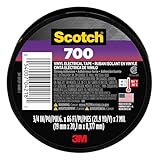
When you’re buying electrical tape, you want something that’s specifically designed for electrical applications. Look for brands that are known for their quality, like 3M Super 33+ or 3M Temflex 1700. These tapes are made from PVC (polyvinyl chloride), which is stretchy and conforms well to irregular shapes.
They also have good abrasion resistance and are designed to withstand a decent amount of voltage. The ‘plus’ in Super 33+ refers to its ability to maintain adhesion in a wide range of temperatures, which is a big deal if your cable is going to be in a hot attic or a cold garage. The tape should feel pliable and stretchy, not stiff and papery. When you pull it, it should stretch without tearing easily.
A good quality tape will also have a strong adhesive that doesn’t ooze out the sides when you stretch it, and it won’t leave that stubborn residue when you eventually need to remove it. I’ve found that the thickness of the tape matters too.
A thinner tape might seem easier to work with on tight bends, but a slightly thicker tape offers better protection. It’s a balance.
Here’s a quick rundown of what to look for and what to steer clear of:
| Feature | Good Quality | Bad Quality | My Verdict |
|---|---|---|---|
| Brand Reputation | Established electrical brands (e.g., 3M) | Generic, no-name brands | Stick with the pros for electrical work. |
| Material | PVC (flexible, stretchy) | Unknown, stiff plastics | Flexibility is key for a good wrap. |
| Adhesive | Strong, non-oozing, residue-free | Weak, gummy, dries out fast | You don’t want it falling off or leaving a mess. |
| Durability | Resistant to abrasion, temperature variations | Brittle, cracks, dries out | Needs to last longer than a week. |
| Thickness | Moderate to slightly thick | Very thin or overly thick | Find the sweet spot for protection and maneuverability. |
Avoid tapes that claim to be ‘all-purpose’ or ‘heavy-duty’ unless they specifically mention electrical insulation. Those might be great for sealing boxes or temporary repairs on non-electrical items, but they don’t have the voltage rating or flexibility needed for wires. Another thing to watch out for is tape that feels ‘plasticky’ or has a shiny, smooth surface. Electrical tape needs to have a certain grip and pliability to do its job effectively. If it feels like the kind of tape you’d use to seal a shipping carton, it’s probably not the right choice for wiring.
I once bought a roll of what I thought was electrical tape from a dollar store. It looked the part, but as soon as I tried to stretch it, it snapped.
I ended up using about three times as much of it, and it still didn’t feel secure. The wires were practically poking through. That was a stark reminder that while saving a few bucks is tempting, when it comes to electrical safety, you really do get what you pay for. Invest in good tape; it’s a small price for peace of mind and preventing a much bigger, more expensive problem down the line.
A good roll might set you back $5 to $10, but it’ll last you ages and perform reliably when you need it.
The Real Dangers: When Tape Isn’t Enough
This is the part where I get a bit more serious, because messing with electricity is no joke. While you can fix a cable with electrical tape for minor issues, there are situations where it’s an absolute, unequivocal no-go. The biggest danger is using it on damaged wires where the insulation is completely gone, exposing the actual metal conductor. Electrical tape is an insulator, yes, but it has a voltage rating.
If you’re dealing with anything beyond household appliance voltage, or if the damage is severe, the tape simply won’t be enough to prevent a short circuit or a shock. I’ve seen DIYers try to wrap a melted power strip with electrical tape.
That’s not a fix; that’s a ticking time bomb. The plastic housing was already compromised, and the heat damage likely extended into the internal wiring. Slapping some tape on it is like putting a Band-Aid on a gunshot wound.
It’s dangerous, and it’s going to fail, likely spectacularly.
Another major red flag is when the damage involves multiple conductors touching or showing signs of overheating. If you see black scorch marks on the wire or the surrounding insulation, that’s a sign of significant heat buildup.
Electrical tape is not designed to handle that kind of stress. It can melt, degrade, or even catch fire. Similarly, if the cable has been subjected to mechanical stress, like being run over by a car or severely kinked, the internal wires might be damaged even if the outer jacket looks okay. Taping over this kind of damage is a gamble, and the odds are stacked against you. (See Also: Can Electrica Tape Catch On Fire )
The internal breaks can cause intermittent power, overheating, and eventually, a fire. I had a friend who tried to ‘fix’ a frayed car battery cable with electrical tape. He was trying to save a few bucks before a long road trip. Within an hour of driving, the tape melted, the connection failed, and he was stranded.
Plus, the fumes from the melting tape weren’t exactly pleasant. It’s a perfect example of how a cheap fix can lead to a much more expensive and inconvenient problem.
The absolute worst-case scenario is a fire. Electrical fires are incredibly dangerous and can spread rapidly. Using the wrong materials to repair electrical cords is a primary cause of such fires. Think about it: the tape might hold for a while, but if it overheats, if it gets too much voltage across it, or if the underlying damage causes arcing, that tape can become fuel. It’s not designed to be a structural component or to handle significant electrical loads on its own. It’s a temporary electrical insulator for minor repairs.
Here’s a simplified way to think about it. If the damage is on the outer, protective sheath (the rubber or plastic coating), and there’s no exposed wire or signs of internal damage, electrical tape might be a very temporary solution. If you can see any metal, if there’s any charring, melting, or if the cable has been severely crushed or cut, then electrical tape is NOT the answer. That cable needs to be replaced, or professionally repaired by someone who knows what they’re doing.
This isn’t about being overly cautious; it’s about respecting the power you’re dealing with. When in doubt, always err on the side of caution. Better to spend $20 on a new cord than risk your home, your belongings, or your life.
Practical Tips for Using Electrical Tape Effectively
So, you’ve decided you need to use electrical tape, and you’ve got a good quality roll. How do you actually do it right? First, cleanliness is key. Make sure the area you’re taping is dry and free of dirt, grease, or any other gunk.
If you’re trying to tape over a greasy wire, the tape just won’t stick properly. You might need to wipe it down with a bit of isopropyl alcohol and let it dry completely.
Once it’s clean, start wrapping the tape. Don’t just do one quick loop around. You want to overlap each layer by at least half. Think of it like tiling – you want good coverage and no gaps.
Start your wrap a little before the damaged area and end a little after it, creating a smooth transition.
When you’re wrapping, stretch the tape as you go. This is important for a few reasons. Stretching activates the adhesive, making it stick better.
It also helps the tape conform tightly to the shape of the cable, reducing the chance of air bubbles or loose spots. You’re not trying to rip it, but you do want to apply some tension.
Imagine you’re wrapping a gift, but you want the paper to be super smooth and tight. Overlapping by half, and stretching, is what gives you that smooth, tight finish.
For a minor nick, two or three layers might be enough. For a more substantial abrasion, you might need four or five. The goal is to build up a solid, protective layer that feels substantial and doesn’t have any weak points.
Here’s a basic process I follow:
- Assess the Damage: Is it a superficial nick on the outer jacket, or is there exposed wire? No exposed wire and no signs of overheating? Proceed. Exposed wire, scorching, or crushing? Stop.
- Clean the Area: Wipe down the cable with a clean cloth. If there’s any residue, use a little isopropyl alcohol and let it dry completely.
- Start the Wrap: Begin a few inches before the damaged section. Overlap the tape by at least half.
- Stretch and Wrap: Apply gentle tension as you wrap, making sure each new layer overlaps the previous one by at least half. Work your way past the damaged section.
- Build Layers: Apply 2-3 layers for minor nicks, 4-5 for more extensive abrasions. Make sure you have good coverage.
- Secure the Ends: Make sure the ends of the tape are firmly adhered, not peeling up. You can slightly melt the edge with a heat gun (carefully!) or just press it down hard to make sure a good bond.
- Inspect: Once done, give the taped area a gentle tug. Does it feel secure? Are there any obvious gaps or loose spots?
One thing that trips people up is trying to do too much with one strip of tape. It’s better to use multiple shorter strips, making sure each one is well-adhered and overlapped, than to try and wrap a long section with one continuous piece that might start to peel at the edges. Also, don’t be afraid to go a little beyond the immediate damage. You want to create a buffer zone. Think of it like a bandage for a cut – you put the sterile pad over the wound, but the adhesive part extends beyond it. It’s the same principle here. The tape should extend a decent amount on either side of the damaged area.
And a word about heat. Electrical tape isn’t meant for high-heat applications. If the cable is going to be near a heat source, like a motor or a light bulb that gets very hot, you might need a different solution, like heat-shrink tubing. Standard electrical tape can get gooey and lose its effectiveness when it gets too hot. So, consider the environment the cable will be in. For most general household uses, though, good quality electrical tape will do the job for a temporary fix. (See Also: Can I Substitute Duct Tape For Electrical Tape )
Can You Really Fix a Cable with Electrical Tape? The Verdict
So, after all this, the big question: can you fix a cable with electrical tape? The answer, as I’ve hammered home, is a nuanced yes, but with massive caveats.
It’s like asking if you can use a hammer to build a skyscraper. You can use it for some parts, but it’s not the primary tool, and it’s definitely not for everything.
For minor nicks and abrasions on the outer jacket of a cord, where no wires are exposed and there are no signs of heat damage or mechanical stress, electrical tape can serve as a temporary insulator and protective barrier. It’s a stopgap, a way to prevent a small problem from becoming a big one while you source a proper replacement or repair.
I’ve had success using it on things like the frayed edge of a vacuum cleaner cord where the plastic was just starting to wear through, or the split on an extension cord that was likely caused by being dragged over rough ground. In these cases, the underlying wires were intact, and the tape provided a sufficient layer of protection to keep it safe for a few more uses until I could buy a new one.
The key is understanding that this is a temporary measure. It’s not a permanent repair.
You shouldn’t rely on it for cables that are constantly being flexed, stressed, or exposed to harsh conditions. The adhesive can degrade, the tape can dry out, and the underlying damage might worsen.
My own experience has taught me that people often overestimate the capabilities of electrical tape. They’ll use it to hold together a completely severed wire or to patch up a melted plug. This is where the real danger lies. Electrical tape is not designed to carry significant current on its own, nor is it a structural adhesive.
It’s a specialized insulator for specific, limited applications. The common advice to always replace damaged cables is, of course, the safest and most correct. However, in the real world, sometimes you need a temporary solution, and that’s where a good quality electrical tape can be a lifesaver. Just make sure you’re using it for the right reasons and in the right situations.
If you’re ever in doubt, assume the worst and replace the cable. It’s the smartest move for your safety and your home.
Is Electrical Tape Waterproof?
Most good quality electrical tapes are water-resistant to a degree, meaning they can handle splashes or damp conditions. However, they are not typically considered fully waterproof for prolonged submersion. While the PVC material offers some protection, the adhesive might break down over time in constant contact with water, and water can potentially seep under the edges if not applied perfectly.
How Long Does Electrical Tape Last as a Repair?
As a temporary fix, electrical tape can last from a few days to several months, depending on the quality of the tape, the severity of the damage, and the environmental conditions. It’s not a permanent solution. Over time, the adhesive can degrade, the tape can dry out and crack, or it can be compromised by heat, cold, or physical stress. Always inspect your taped repairs regularly.
Can I Use Electrical Tape on a Power Cord That Is Frayed?
If the fraying is minor and only affects the outer jacket, and no actual wires are exposed, electrical tape can provide a temporary protective layer. However, if any of the inner wires are visible or damaged, electrical tape is insufficient and dangerous. For frayed power cords, replacement is always the safest and most recommended option.
What’s the Difference Between Electrical Tape and Other Tapes?
Electrical tape is specifically designed with insulating properties and a flexible, durable PVC material that can stretch and conform to wires. It has a specific voltage rating. Other tapes, like duct tape or packing tape, are not designed for electrical insulation and can be flammable, melt easily, or lack the necessary adhesion and flexibility, posing a serious safety risk if used on electrical components.
Final Thoughts
So, can you fix a cable with electrical tape? Yes, but only for minor cosmetic damage to the outer jacket. Think of it as a temporary bandage, not a permanent stitch. It’s for those moments when you need to prevent a small problem from becoming a fire hazard or a shock risk until you can get a proper replacement.
I’ve learned the hard way that cutting corners with electrical repairs is a recipe for disaster. Cheap tape dries out, falls off, and leaves a sticky mess. Good quality tape, like the 3M stuff, is worth every penny when you actually need it to perform. Always inspect your work, and if there’s any doubt, assume the cable is unsafe.
My final word is this: use electrical tape wisely, understand its limitations, and prioritize your safety and the safety of your home. If a cable is significantly damaged, the only real fix is to replace it. Don’t risk it.