Alright, let’s cut to the chase. You’ve got a wire that’s looking a bit gnarly, maybe a frayed bit showing, and your brain immediately goes to that roll of silver stuff. You’re wondering, ‘can i use duct tape as electrical tape?’ I’ve been there, staring at a half-finished project, a busted appliance, or a temporary fix that’s about to become permanent if I don’t act fast. That iconic silver tape is practically glued to every toolbox, isn’t it? It feels like the answer to everything. But when it comes to electricity, that gut feeling can lead you down a path of smoke, sparks, and regret.
Look, I’m not one for sugarcoating. I’ve wasted enough money on products that overpromised and underdelivered to know the difference between a quick fix and a genuinely safe solution. Duct tape is fantastic for about a million things – sealing boxes, temporary patches, holding your life together when you’re in a pinch. But when wires are involved, we need to talk about something a little more specific than ‘sticky stuff’.
Why That Shiny Roll Isn’t Your Friend for Wires
So, the big question: can i use duct tape as electrical tape? The short, blunt answer is: NO. And anyone who tells you otherwise is either messing with you or has never actually seen the consequences.
I learned this the hard way a few years back. I was working on an old trailer, rewiring some exterior lights. The original wiring was ancient, brittle, and a few spots were showing copper.
My go-to move was always to wrap it up with duct tape – seemed secure enough, right? It held for a bit. Then, on a particularly humid evening, I heard this faint sizzling sound from the trailer.
Turns out, that duct tape had absorbed moisture, and the sticky adhesive wasn’t rated for heat or prolonged electrical current. The insulation underneath had degraded even further, and I almost had a fire on my hands. Sparks were literally dancing under the tape.
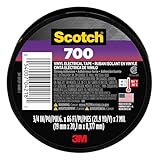
Electrical tape, on the other hand, is designed with very specific properties in mind. It’s made from PVC (polyvinyl chloride), which is a fantastic insulator and is also stretchy enough to conform to odd shapes without cracking. More importantly, it’s rated for specific voltage levels and operating temperatures. It’s designed to resist oil, moisture, and UV rays, all things that will make duct tape break down faster than a politician’s promise. The adhesive on electrical tape is also formulated to maintain its grip and insulating properties over time, even when subjected to the stresses of electrical current and environmental factors.
Duct tape, bless its heart, is mostly cloth fibers laminated with polyethylene and a strong adhesive. That cloth backing? It’s a conductor, not an insulator. The adhesive might be sticky, but it’s not designed to create a reliable, long-term electrical barrier. It can melt under heat, become brittle in the cold, and absorb moisture, all of which compromise its ability to do anything useful when electricity is involved. Think of it this way: duct tape is like a superhero for patching holes, but it’s a total novice when it comes to the delicate, dangerous world of electrical currents. You wouldn’t use a garden hose to fight a house fire, would you? Same principle here.
The Real Deal: What Electrical Tape Actually Does
Let’s break down what makes proper electrical tape so different and why it’s worth having in your toolkit if you ever plan on touching a wire. Electrical tape’s primary job is insulation, pure and simple. It prevents electricity from escaping where it shouldn’t. This is vital for safety, obviously, but it also makes sure your circuits function as intended. If current leaks out, you lose power, and you can create hazards. (See Also: Can I Use Electrical Tape To Connect Wires )
The PVC material is key. It’s flexible, so you can wrap it tightly around wires, connectors, or even entire splices, creating a smooth, continuous barrier. Unlike duct tape, it doesn’t have a fabric weave that can wick moisture or let air through. This flexibility is why it’s so good at sealing out the elements. I remember once trying to fix a garden sprinkler system controller that had gotten soaked. I used electrical tape to seal up a few connections that had gotten a bit messy from corrosion, and it held up perfectly through the rainy season, which was a surprise even to me.
Another important factor is the voltage rating. Good quality electrical tape is rated to handle specific voltages. You can find tape for low-voltage applications (like around the house) and heavy-duty tape for higher-demand industrial uses. This rating means the tape has been tested and certified to prevent electrical breakdown at that level of current. Duct tape has no such rating. It’s a general-purpose adhesive, not a specialized insulator. Think of the difference between a contractor-grade extension cord and a cheap novelty string of lights – one is built for safety and performance, the other… less so.
The adhesive is also a big deal. It’s designed to stick well to itself and to the insulated wire, creating a secure, self-fusing wrap. This prevents it from peeling off or losing its grip over time, even in fluctuating temperatures. Most importantly, it won’t conduct electricity, meaning the entire wrap acts as a unified barrier. This is a far cry from duct tape, where the adhesive might be strong but the fabric backing is basically a weak point, a potential pathway for trouble.
Common Mistakes When You Think Duct Tape Is the Answer
The biggest mistake, obviously, is assuming duct tape is a viable substitute for electrical tape. This is like trying to use chewing gum to fix a leaky radiator hose. It might hold for a minute, but it’s not designed for the job and will fail, often spectacularly.
Another error is not using enough electrical tape. When you’re wrapping a wire, you need to overlap each layer by at least half. You also need to extend the tape a good inch or so onto the existing, intact insulation on either side of the damaged area. This creates a solid, continuous seal. I’ve seen people do a sloppy wrap, leaving gaps or thin spots, and then wonder why they’re still having issues. It’s not rocket science, but it does require a bit of care. I once saw a buddy wrap a splice with maybe three pathetic little strips of tape, leaving the ends exposed. He was lucky it didn’t cause a short circuit.
Over-tightening electrical tape can also be a problem, especially with cheaper varieties. If you stretch it too much, you can break down the material or thin out the adhesive layer, compromising its insulating properties. You want it snug and secure, but not so tight that it’s visibly straining or looks like it’s about to snap. Conversely, not stretching it enough means you won’t get that self-fusing effect, and it might unravel over time.
People also tend to forget about environmental factors. Is the splice going to be exposed to sunlight, rain, or extreme temperatures? Standard electrical tape is good, but there are specialized tapes for tougher conditions. Using a basic tape in a harsh environment is asking for trouble down the line. It’s like using indoor paint on an exterior fence – it’ll look okay for a while, but nature will win eventually.
Finally, and this is a big one: thinking a temporary fix is a permanent solution. Duct tape is almost always a temporary patch. Electrical tape, when applied correctly, can be a long-lasting repair, but for serious damage or wear, the best course of action is always to replace the damaged wire or component. My rule of thumb: if it looks bad, it probably is, and duct tape won’t save it in the long run. (See Also: Can Electrica Tape Catch On Fire )
| Material | Primary Use | Insulation Properties | Durability | Verdict for Electrical |
|---|---|---|---|---|
| Duct Tape | General purpose adhesion, patching, sealing | Poor; fabric backing conducts, adhesive can break down | Low to moderate; degrades with heat, cold, moisture | Absolutely Not. Fire hazard, unreliable, unsafe. |
| Electrical Tape (PVC) | Electrical insulation and splicing | Excellent; high dielectric strength, resists moisture | Good to excellent; designed for temp fluctuations and UV | Yes, Recommended. Designed for the job. |
| Vinyl Electrical Tape | Electrical insulation, high-voltage applications | Superior; excellent stretch and self-fusing properties | Excellent; very durable and resistant to harsh conditions | Yes, Highly Recommended. Top choice for most tasks. |
When Can I actually Get Away with It (spoiler: Never for Wires)?
This is where I might step on some toes, but I have to be honest. Can I use duct tape as electrical tape? For actual electrical insulation on wires, cables, or circuits? NO. Period. There’s no scenario where it’s a good idea for protecting yourself or your equipment from electrical hazards. The risk is simply too high, and the consequences can range from a blown fuse to a full-blown electrical fire or serious injury.
However, there are situations where people might confuse the two, or where duct tape is used around electrical components for non-electrical reasons. For example, if you have a loose wire hanging from a conduit that isn’t live, you might temporarily secure it with duct tape just to keep it from flapping around while you’re working on something else entirely. But that wire should absolutely not be live, and the duct tape is not acting as an insulator; it’s just a physical restraint. The moment electricity is involved, duct tape is out.
Another common area of confusion is with things like holiday lights or low-voltage garden lights. Even then, using proper electrical tape is always the safer bet. The low voltage might not be immediately lethal, but it can still cause shocks, and damaged insulation can still lead to short circuits or power issues. I’ve seen cheap, generic tapes used on Christmas lights that just bake and peel off in the sun after one season. It’s a fire risk, plain and simple. Think about the tiny wires in those strands – they can overheat quickly if the insulation fails.
My contrarian take? Some folks might argue that for a very temporary, low-voltage, non-important situation, duct tape could prevent a wire from being physically snagged. But even then, it’s a terrible habit. It normalizes using the wrong tool for the job. It encourages a mindset that safety is optional. The few cents saved on a proper roll of electrical tape is not worth the potential cost of damage, injury, or a house fire. So, to be absolutely crystal clear: for anything involving actual electrical current, forget the duct tape.
Practical Tips for Using Actual Electrical Tape
Since we’ve established that duct tape is a no-go for wires, let’s talk about how to actually use the stuff that is designed for the job: electrical tape. First off, buy good quality tape. I’ve tried the super-cheap, no-name brands, and they’re often stiff, don’t stick well, and crack after a few months. Look for reputable brands like 3M, Scotch, or even decent store brands. They’re not that expensive, and they perform infinitely better.
When you’re wrapping, start with the tape on the existing insulation, about an inch before the damaged area. Stretch the tape slightly as you wrap. The goal is to get it to adhere to itself, creating a smooth, self-fusing layer. Overlap each turn by at least half the width of the tape. This makes sure there are no gaps for moisture or current to sneak through. You want a nice, tight wrap that looks almost smooth.
For wires that are going to be flexed a lot, or are in high-vibration environments (think engine compartments or machinery), I like to do at least two full layers of tape. This adds mechanical strength and redundancy. If one layer gets nicked, the second layer is still there to do its job. Don’t be stingy with the tape; it’s better to use a little more than not enough.
If you’re splicing wires, always strip just enough insulation to make the connection (crimped or soldered). Then, wrap the splice itself first with the electrical tape, making sure you cover the bare metal completely. Then, extend the tape well onto the original insulation of each wire. This seals the connection and provides a smooth surface so the wire doesn’t snag on anything. (See Also: Can I Substitute Duct Tape For Electrical Tape )
Finally, inspect your work. Once you’re done, give the wrapped area a gentle tug and a visual check. Does it look secure? Is there any exposed wire? Does it feel like a solid, continuous wrap? If you have any doubts, add another layer. Remember, the goal is safety and reliability, not just making it look pretty (though a neat wrap is always a bonus!). For especially rough environments, consider using a combination of a rubber splicing tape (which is self-fusing and more solid) followed by a layer of standard vinyl electrical tape for UV and abrasion resistance. This is overkill for most home wiring but is good to know for tough jobs.
People Also Ask
Can Duct Tape Be Used as a Temporary Electrical Insulator?
No, duct tape should not be used as a temporary electrical insulator for any wires carrying current. Its fabric backing is conductive, and its adhesive is not designed to withstand electrical stress, heat, or moisture. Attempting to use it as an insulator creates a significant fire hazard and risk of electric shock.
Is Electrical Tape Flammable?
Most high-quality electrical tapes are designed to be flame-retardant, meaning they are self-extinguishing and will not continue to burn once the heat source is removed. This is a key safety feature that duct tape lacks, as its plastic coating and fabric backing can easily ignite and sustain a flame.
What Is the Difference Between Electrical Tape and Duct Tape?
Electrical tape is typically made of PVC and is designed for its insulating properties, flexibility, and resistance to heat and chemicals. Duct tape is made of fabric coated with polyethylene and a strong adhesive, designed for general-purpose adhesion, sealing, and patching, not electrical insulation.
How Long Does Electrical Tape Last?
When properly applied and stored in reasonable conditions (out of direct sunlight and extreme temperatures), good quality electrical tape can last for many years, maintaining its insulating properties. However, prolonged exposure to UV rays, extreme heat or cold, or harsh chemicals can degrade the tape over time.
Final Verdict
So, there you have it. When it comes to the question of ‘can i use duct tape as electrical tape’, the answer is a resounding and emphatic no. I’ve seen firsthand what happens when people try to cut corners with electrical work, and it’s never pretty. Duct tape is a marvel for holding things together, but it’s fundamentally unsuited for anything involving electrical current.
Always use proper electrical tape for any wiring repairs or splices. It’s cheap insurance against fires, shocks, and costly damage to your equipment. Spend the extra dollar or two on a good roll; your sanity and your home will thank you for it. Stick to what works, and don’t play roulette with your electrical system.