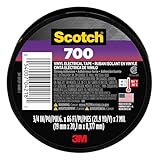
I remember staring at a frayed lamp cord, a storm brewing outside, and a deadline looming. My toolbox was a disaster zone, and the only tape I could find was that glorious silver stuff: duct tape. The question burned in my mind: ‘Can I use duct tape instead of electrical tape?’ It seemed like a no-brainer, right? Both are sticky, both are tapes. But as I learned, the difference between them is more than just color and stickiness. It’s the difference between a temporary fix that might work and a potential fire hazard.
You see, I’ve wasted my fair share of money and sanity on products that promise the moon and deliver a burnt-out bulb. And I’ve learned the hard way that when it comes to electricity, there are no shortcuts. Especially not ones that involve a roll of fabric-backed adhesive that smells faintly of asphalt.
Duct Tape: The Jack of All Trades, Master of None (for Wires)
Let’s get this out of the way: duct tape is a marvel. It’s held together my busted car bumper, waterproofed a leaky tent in a downpour, and even secured a wobbly chair leg long enough for me to find a proper replacement. It’s tough, it’s versatile, and it’s ridiculously strong. That’s precisely why people even consider using it for electrical work. The adhesive is aggressive, the backing is durable, and it feels substantial. When you’re in a bind, and the electricity is sparking (literally or figuratively), duct tape whispers sweet nothings of ‘I can fix this!’
But here’s the blunt truth: duct tape is NOT designed for electrical insulation. Its primary function is mechanical fastening and sealing. The adhesive, while strong, isn’t formulated to withstand the heat generated by electrical currents or the potential for electrical breakdown.
Over time, especially with temperature fluctuations and constant electrical load, that sticky mess can degrade, become brittle, or even worse, melt. This leaves the wires exposed, creating a perfect storm for short circuits, shocks, and fires. I once tried to patch a small tear in a power strip cord with duct tape because the wire was just peeking out a tiny bit.
Within a week, the tape had started to get gummy from the heat, and I could smell that acrid, burnt-plastic odor. That was a wake-up call, and I promptly threw the whole thing out.
The backing material in duct tape is typically fabric-based, which, while strong for general repairs, isn’t a great insulator. It can absorb moisture, which, as we all know, is an enemy of electricity. And the adhesive itself can be conductive or break down into conductive residue. So, while it might look like it’s holding things together on the surface, the actual electrical insulation properties are severely lacking. It’s like using a band-aid to fix a leaky pipe – it might stop the drip for a minute, but it’s not going to hold under pressure. For anyone asking ‘can i use duct tape instead of electrical tape,’ the answer is a resounding, no-nonsense NO.
Electrical Tape: The Unsung Hero of Wire Protection
Now, let’s talk about the proper tool for the job: electrical tape. This stuff isn’t just colored vinyl; it’s specifically engineered for electrical applications. The most common type you’ll find is made from PVC (polyvinyl chloride). Why PVC? Because it has a fantastic combination of flexibility, durability, and importantly, excellent electrical insulating properties. When you stretch electrical tape, it’s designed to become thinner but stronger, allowing it to conform snugly around wires and connections, creating a smooth, protective barrier.
The adhesive on electrical tape is also important. It’s formulated to stick reliably without degrading under electrical stress or varying temperatures. It’s non-conductive, which is a massive plus, and it’s designed to create a strong bond that prevents the tape from unraveling. Unlike duct tape, which can leave a sticky, gooey residue, good electrical tape usually peels off cleanly, or at least with minimal mess, when it’s time for a proper repair or inspection. I’ve worked on old appliances where the original electrical tape was still holding strong after decades, looking a little aged, sure, but still doing its job. That’s the kind of reliability you want when dealing with live wires.
Beyond the standard PVC tape, there are other specialized electrical tapes. High-voltage tape, for example, is often made of rubber or silicone and is designed to handle much higher dielectric strengths (the ability to withstand voltage before breaking down). There’s also vinyl tape designed for extreme temperatures, both hot and cold. The point is, the electrical tape industry has developed a range of products to meet specific electrical needs. (See Also: Can I Use Electrical Tape To Connect Wires )
This level of specialization just doesn’t exist in the duct tape world. When you’re choosing tape for electrical work, always look for the label that says ‘electrical tape’ or ‘insulating tape.’ It’s a small detail that makes a world of difference in safety and longevity. The common advice to use only proper electrical tape is not just advice; it’s a safety mandate.
Why the Difference Matters: Safety, Longevity, and Avoiding Disasters
The core of the issue lies in the fundamental purpose of each tape. Electrical tape’s mission is to insulate and protect wires from electrical current, prevent short circuits, and offer a degree of mechanical protection without compromising electrical integrity. Duct tape’s mission is to stick things together, seal gaps, and hold on for dear life, often in less-than-ideal conditions. These missions are not interchangeable, and attempting to substitute duct tape for electrical tape is a gamble with potentially catastrophic consequences.
Think about the environment where electrical connections exist. They can be hot, cold, exposed to moisture, or subjected to vibrations. Electrical tape is engineered to perform in these conditions. Its dielectric strength means it can prevent electricity from passing through it, even under significant voltage.
Duct tape, on the other hand, can soften and ooze in heat, become brittle and crack in cold, and its fabric backing can wick moisture, turning a supposedly insulated wire into a conductor. I learned this the hard way when a DIY project involving outdoor lighting went south. I used duct tape to seal a splice in a low-voltage wire, thinking it would be fine because it wasn’t ‘high voltage.’
A few months later, after a couple of rainy spells, I noticed flickering lights. Upon inspection, the duct tape had degraded, the adhesive had failed, and moisture had seeped in, causing corrosion and shorting out the connection. It was a mess, and I was lucky it only caused an intermittent fault.
The longevity of a repair is also a major factor. A proper electrical tape job can last for years, even decades, providing reliable insulation. A duct tape job is, at best, a temporary measure that will likely fail, often at the worst possible time.
This failure isn’t just inconvenient; it can lead to damaged equipment, potential fires, and serious injury. While duct tape might seem like a quick fix, it’s a false economy. The cost of replacing fried electronics or dealing with the aftermath of a fire far outweighs the minimal savings of using the wrong tape.
When people ask ‘can i use duct tape instead of electrical tape,’ they’re often looking for a quick, cheap solution, but the real cost is safety.
Real-World Use Cases: When Duct Tape Fails (and Electrical Tape Shines)
Let’s break down some common scenarios. Say you have a minor nick in the insulation of a lamp cord. The wire is exposed, but it’s not sparking. You could, theoretically, wrap it with electrical tape. It will conform, insulate, and provide a safe barrier. If you used duct tape, it might cover the exposed wire, but the adhesive could break down, the tape could shift, and the fabric backing would offer zero protection against moisture or further abrasion. Eventually, that nick would become a bigger problem. (See Also: Can Electrica Tape Catch On Fire )
Consider a splice in an extension cord that’s seen better days. Properly joining wires involves not just twisting them together but making sure each individual connection is insulated, and then the entire splice is wrapped securely. Electrical tape is perfect for this. It creates a tight, non-conductive seal.
Duct tape, however, would create a bulky, unreliable patch. The adhesive would likely not hold up to the flexing of the cord, and the fabric would be an invitation for dirt and moisture to get in. I once saw a “fix” on a garden hose reel’s power cord using duct tape that had been exposed to the elements for over a year.
It was cracked, peeling, and looked utterly defeated. A few feet away, a different splice on the same cord, done with proper electrical tape, looked almost as good as new.
That visual comparison was stark.
Even for low-voltage applications, like speaker wire or LED strip lighting, using proper electrical tape is best practice. While the risk of electrocution is lower, short circuits can still damage your equipment. Duct tape’s adhesive can become gummy and attract dust, creating unintended conductive paths over time. It’s about creating a clean, reliable, and safe connection. The common advice to use electrical tape for any exposed wire is grounded in preventing these types of failures. The common advice to use electrical tape for any exposed wire is grounded in preventing these types of failures.
A Contrarian View: Is There Ever a Time for Duct Tape on Wires?
Now, for a bit of heresy. Everyone says duct tape is a big no-no for electrical work. And for 99.9% of situations, they are absolutely right. However, I’m going to throw out a contrarian opinion: in a true, life-or-death, absolute last-resort emergency, with no other option available and the power source completely disconnected, duct tape might offer a temporary, extremely limited physical barrier to prevent accidental re-contact with a damaged wire until a proper fix can be made. But and this is a massive ‘but’ – you are taking on significant risk, and it’s not insulation. It’s merely a physical shield.
Let me be clear: this is not a recommendation. This is a philosophical ‘what if.’
Imagine you’re stranded in the wilderness, your only power source is a battery-operated device with a frayed cord, and you need it to function for a few important hours to signal for help. The power is off, and you’re just trying to keep the wire from unraveling further. In that hyper-specific, almost absurd scenario, duct tape might offer a minimal physical deterrent.
But as soon as that power is reconnected, or if there’s any moisture, or if the tape heats up even slightly, you’re back to square one, potentially worse off. I’ve never had to do this, thank goodness, but I’ve certainly thought about extreme, ‘what if’ scenarios when faced with a dire need and limited resources. (See Also: Can I Substitute Duct Tape For Electrical Tape )
The key here is ’emergency,’ ‘last resort,’ and importantly, ‘power disconnected.’ You are not insulating; you are crudely binding. The moment a proper electrical tape is available, the duct tape must be removed and replaced. The idea that duct tape can replace electrical tape for any sustained period or under any load is dangerous hogwash. It’s like using a blanket to stop a bullet – it might deflect a tiny fragment, but it’s not designed for the job, and relying on it would be foolish. The common advice to just use electrical tape is the safest and most practical path, and my contrarian thought experiment only highlights how truly inadequate duct tape is for its intended purpose in electrical applications.
The Verdict: What to Look for and Common Mistakes
Let’s put this in black and white. When it comes to electrical work, the choice is simple: use electrical tape. Don’t even consider duct tape. It’s not designed for the job, and relying on it is asking for trouble. When buying electrical tape, look for a reputable brand. Sometimes the cheapest option isn’t worth the risk. Check the packaging for specifications like dielectric strength and temperature rating, especially if you’re working on something that might get warm or is exposed to the elements. For most household repairs, a standard PVC electrical tape from a well-known manufacturer will suffice.
| Feature | Electrical Tape | Duct Tape | Verdict |
|---|---|---|---|
| Primary Purpose | Electrical Insulation & Protection | Mechanical Fastening & Sealing | Electrical tape for electrical jobs. No contest. |
| Material | PVC, Vinyl, Rubber, Silicone (specialized) | Fabric-backed vinyl with rubber-based adhesive | Specialized materials matter. |
| Adhesive Properties | Non-conductive, temperature-stable, reliable bond | Aggressive, can degrade, become gummy or brittle | Reliability is key for safety. |
| Insulating Capability | High dielectric strength, designed for voltage | Very low, can be conductive or absorb moisture | This is the deal-breaker. |
| Longevity | Years, even decades under ideal conditions | Months, often fails under stress or in temperature extremes | Don’t want to redo it. |
| Common Mistakes | Using old/dried-out tape, not overlapping sufficiently | Using it at all, thinking it’s a substitute for electrical tape | Stop using duct tape for wires. Seriously. |
Common mistakes with electrical tape include using old, dried-out tape that won’t stretch or adhere properly, or not overlapping the tape sufficiently. Each layer should overlap the previous one by at least half to make sure a continuous insulating barrier. When in doubt, apply a few extra wraps. It’s better to have too much protection than not enough.
The biggest mistake, of course, is asking ‘can i use duct tape instead of electrical tape’ and then proceeding to do so. It’s a false economy and a safety hazard. I’ve seen people use it to try and patch a cracked casing on a power tool, thinking it would protect the internal wiring. While it might stop dust for a bit, any significant impact or heat buildup would compromise that ‘fix’ in a heartbeat, potentially leading to a shock. Always go for the product designed for the task. It might cost a few dollars more upfront, but the peace of mind and safety it provides are priceless.
People Also Ask: Your Electrical Tape Questions Answered
Can You Use Regular Tape for Electrical Wires?
No, you cannot use regular tape, like packing tape, masking tape, or Scotch tape, for electrical wires. These tapes lack the necessary insulating properties, can degrade quickly under heat or stress, and are not designed to withstand electrical currents. They pose a significant fire and shock hazard.
Is Electrical Tape Flammable?
Electrical tape is generally designed to be flame-retardant, meaning it will resist burning or self-extinguish once the flame source is removed. However, it is not fireproof, and in extreme conditions, it can still be damaged by fire. Always make sure connections are sound to avoid overheating.
What’s the Difference Between Electrical Tape and Vinyl Tape?
Vinyl tape is a type of electrical tape. ‘Electrical tape’ is a broad category, and vinyl tape (often made from PVC) is the most common and versatile form. It offers good flexibility, abrasion resistance, and electrical insulation for many common applications. Other types of electrical tape exist for specialized needs like high voltage or extreme temperatures.
Can You Use Duct Tape for Temporary Electrical Repairs?
Using duct tape for even temporary electrical repairs is strongly discouraged and unsafe. While it might offer a superficial barrier, it lacks the electrical insulation properties and adhesive stability required. It can degrade, melt, or become brittle, leading to short circuits or fire hazards. Always use proper electrical tape for any electrical repair, temporary or permanent.
Conclusion
So, to circle back to that initial question: ‘Can I use duct tape instead of electrical tape?’ The answer remains a firm and unwavering no. Duct tape is a fantastic product for a million other things – holding stuff together, patching leaks, keeping things temporarily attached. But when it comes to electricity, it’s the wrong tool, plain and simple. The risks involved – fire, shock, equipment damage – are simply not worth the convenience of grabbing the wrong roll from your toolbox.
My own experiences, and those I’ve witnessed, consistently show that cutting corners on electrical safety leads to bigger problems down the line. Invest in proper electrical tape. It’s inexpensive, readily available, and designed specifically for the job. It’s the only way to make sure your connections are safe and reliable. Don’t be the person who learns this lesson the hard way.
Next time you’re facing a frayed wire, reach for the proper insulation. Your future self, and anyone sharing your living space, will thank you for it.