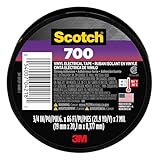
So, you’ve got a drip. Maybe it’s that annoying little weep under the sink, or perhaps a more concerning trickle coming from a pipe joint. You’re staring at your toolbox, and your eyes land on that roll of black electrical tape. It feels like a quick fix, a superhero in rubbery disguise. But can I use electrical tape for plumbing? I’ve been there, staring down a leaky pipe with a wallet thinner than a dime, and believe me, I’ve tried my fair share of ‘quick fixes’. The honest answer is a resounding ‘maybe,’ but mostly leaning towards a very strong ‘no’ for anything you want to last longer than your patience.
That Time I Thought Electrical Tape Was My Plumbing Savior
Let’s rewind a few years. I was renting a small apartment, and the pipe under the kitchen sink decided to spring a leak. Not a dramatic geyser, just a persistent, maddening drip, drip, drip that was slowly warping the particleboard cabinet. My landlord was notoriously slow to respond, and I was tired of shoving towels under it.
I’d seen people wrap all sorts of things around pipes. Electrical tape seemed… plausible.
It’s sticky, it’s flexible, it’s designed to insulate. Surely, it could at least hold back a bit of water pressure, right?
I grabbed the thickest roll I had, meticulously cleaned the pipe (or so I thought), and wrapped it TIGHTLY. I layered it on thick, overlapping generously, convinced I’d outsmarted basic physics and my landlord’s procrastination. For about 48 hours, I felt like a genius. The dripping stopped.
The water was contained. I even bragged to my buddy about my MacGyver moment.
Then, on day three, I heard it. That familiar, insidious drip. I peeked under the sink to find the tape bulging, water seeping through the microscopic gaps I’d missed, and a small puddle forming. The pressure had won.
It wasn’t even high pressure, just steady gravity-fed flow. It was a messy, humbling reminder that some materials are designed for very specific jobs, and wrapping a leaky pipe isn’t one of them. That little experiment cost me a new cabinet baseboard when the water finally broke through the tape’s meager defense, and an extra week of waiting for the landlord.
Why Electrical Tape Isn’t Your Go-to for Leaks
The fundamental issue with using electrical tape for plumbing repairs boils down to its design and the environment it’s meant for. Electrical tape, typically made from PVC (polyvinyl chloride), is primarily designed to insulate electrical wires, protect them from abrasion, and keep moisture out of electrical connections. It’s got good dielectric strength, meaning it resists electrical current.
It’s also stretchy and conforms well to irregular shapes, which is why it feels like a good idea for pipes. However, plumbing operates under constant water pressure, and often, fluctuating temperatures. Electrical tape, while sticky, isn’t designed to withstand hydrostatic pressure for extended periods.
Think about it: you’re trying to stop water from pushing its way out. Electrical tape’s adhesive is formulated to stick to itself and smooth surfaces, not to create a watertight seal against pressure. Over time, especially with the constant moisture and potential for temperature changes (hot water from the sink, cold water from the main line), the adhesive can break down. The tape can lose its tackiness, warp, or simply get pushed aside by the water trying to escape. (See Also: Can I Use Electrical Tape To Connect Wires )
It’s a temporary band-aid at best, and a very unreliable one at that. For a truly watertight seal, you need materials engineered for that specific purpose. Trying to use electrical tape for plumbing is like trying to stop a river with a tea strainer; it’s just not the right tool for the job, and the results are usually messy and disappointing.
The Real Plumbing Fixes: What Actually Works
When you’re facing a leak, you need solutions that are built for water and pressure. There’s a whole arsenal of products specifically designed for plumbing repairs, from temporary fixes to more permanent solutions. For a quick, albeit temporary, seal on a non-pressurized or very low-pressure situation (like a condensation drip on a cold pipe, though even then, I’d be wary), you might consider something like rubber tape or even some of the heavy-duty self-fusing silicone tapes. These are designed to create a better waterproof barrier than standard electrical tape. However, for actual pipe leaks under pressure – which is most plumbing – you’re looking at a few categories of reliable products.
First, there are pipe repair clamps. These are metal sleeves with a rubber gasket that you bolt around the damaged section of pipe.
They’re designed to withstand significant pressure and are a much more solid temporary or even semi-permanent solution than tape. They come in various sizes to fit different pipe diameters.
Another option, often used for larger holes or cracks, is pipe repair epoxy putty. You knead two parts together, and it hardens into a solid, waterproof material.
This stuff is surprisingly strong and can effectively seal leaks. It’s a bit more involved than just wrapping something, but it creates a much more durable bond. For a more permanent fix, you’re looking at replacing the damaged pipe section, which might involve cutting out the bad part and soldering or using compression fittings, depending on your pipe material (copper, PEX, PVC, etc.).
The key takeaway is to match the repair method to the problem. Electrical tape is great for bundling wires and keeping your electrical system safe. It’s not designed to fight water pressure. Trying to use it for plumbing is a common mistake born out of desperation or a lack of readily available proper tools. Always opt for products specifically designed for plumbing repairs; they’ll save you time, money, and water damage in the long run.
When Is “kind Of” Okay? Very Limited Scenarios
Okay, I promised to be blunt, and sometimes the ‘blunt’ truth is nuanced. There are indeed very, very specific, almost non-existent scenarios where electrical tape might offer a microscopic bit of help in a plumbing context, but I’m talking about situations where a leak isn’t actually a leak under pressure. For instance, if you have a very minor condensation issue on a non-insulated cold water pipe in a humid environment, and you’re just trying to catch a few stray droplets before they cause water spots on the floor, wrapping electrical tape around the pipe might help absorb some of that surface moisture. It’s basically acting like a primitive, less effective pipe insulator in this one, highly specific, low-stakes case.
It won’t stop the condensation, but it might catch some of the drips before they hit the ground. Another edge case: if you’re dealing with a very slow drip from a threaded joint that’s already been tightened as much as possible and isn’t under high pressure (like a drainpipe connection, perhaps?), a few wraps of tape might give you a day or two of respite before you can get to a proper repair.
But and this is a huge ‘but’ – it’s still not the right material. You’re better off using plumber’s tape (PTFE tape) on threaded joints for sealing, and actual pipe insulation for condensation. The adhesive on electrical tape is simply not designed for constant water exposure or the stress of water pressure. It will degrade, lose its stickiness, and eventually fail. (See Also: Can Electrica Tape Catch On Fire )
So, while you can physically wrap electrical tape around a pipe, it’s usually a recipe for a bigger mess down the line. My advice? Don’t even think about it unless you’ve exhausted every other option and are prepared for a very temporary, very unreliable fix.
Common Mistakes People Make with Plumbing Tape Fixes
Mistake number one, and the one I made myself, is thinking electrical tape is a universal fix-all. It’s not. It’s for electrical work.
Period. People also often fail to clean the pipe surface properly before applying any tape. Even with the right plumbing tape, dirt, grease, or old residue will prevent a good seal.
Another common pitfall is not applying enough layers or not wrapping it tightly enough. With electrical tape, even if you wrap it perfectly, the material itself isn’t strong enough to hold back pressure. People might also be impatient.
They apply the tape, see the immediate drip stop, and think they’ve fixed it. They don’t realize that the pressure is still working against the tape, and it’s only a matter of time before it fails, often spectacularly.
Here’s a quick comparison of common ‘tape-like’ solutions you might encounter, and my two cents on each:
| Product | Purpose | My Verdict (for Plumbing Leaks) |
|---|---|---|
| Electrical Tape (PVC) | Electrical insulation, bundling | Terrible. Adhesive breaks down, no pressure resistance. Temporary at best, usually fails quickly. |
| Plumber’s Tape (PTFE) | Sealing threaded pipe joints | Key for threads. Not for sealing cracks or holes in the pipe body itself. Works with the mechanical seal of threads. |
| Self-Fusing Silicone Tape | Waterproofing, insulation, creating a gasket | Decent temporary fix. Bonds to itself, creates a good waterproof barrier. Can hold low pressure for a while but not a long-term solution for significant leaks. |
| Fiberglass Pipe Repair Wrap (Epoxy Impregnated) | Reinforcing and sealing pipes | Very Good Temporary/Semi-Permanent. This is the real deal for pipe repair. Hardens into a solid, strong fix. Can last a long time. |
The biggest mistake is always expecting too much from the wrong product. Electrical tape is engineered for electricity, not gallons of water trying to escape under pressure. You wouldn’t use a screwdriver to hammer a nail, would you? Same principle applies here.
Practical Tips for Actually Fixing Leaks
Alright, enough about what not to do. Let’s talk about how to handle a leak properly. First, identify the source.
Is it a drip from a joint, a crack in the pipe, or condensation? Turning off the water supply to that section is your absolute first step. Most homes have shut-off valves near fixtures or a main shut-off valve for the whole house. If you’re unsure, the main valve is the safest bet to prevent a flood while you work.
Next, assess the damage. For threaded connections that are leaking, cleaning the threads and re-applying PTFE tape (plumber’s tape) is often the simplest and most effective solution. Make sure you wrap the tape in the direction of the threads – usually clockwise – and use 3-5 wraps, depending on the tape’s thickness. Don’t overtighten, as this can damage the threads or the fitting. (See Also: Can I Substitute Duct Tape For Electrical Tape )
If you have a small crack or a pinhole leak in a metal pipe, a fiberglass pipe repair wrap, often impregnated with epoxy, is your best bet for a temporary to semi-permanent fix. These kits typically involve saturating a fiberglass cloth in epoxy resin and wrapping it tightly around the damaged area.
Once cured, it forms a hard, durable shell that can withstand significant pressure. Follow the manufacturer’s instructions precisely – they’re usually quite straightforward and involve cleaning, mixing, wrapping, and curing. For more serious damage or if you’re dealing with plastic pipes (like PVC or PEX), you might need to cut out the damaged section and replace it.
This can involve using specific PVC cement for PVC pipes or PEX crimp rings or expansion rings for PEX tubing. These are more permanent solutions that require a bit more skill and the right tools, but they are the most reliable long-term fixes.
Remember, safety first. Always turn off the water. If you’re dealing with hot water pipes, let them cool down before you start. And if you’re ever in doubt about the complexity or safety of a repair, don’t hesitate to call a professional plumber. Trying to cut corners with inadequate materials like electrical tape can lead to much more expensive water damage and repairs in the long run. It’s better to spend a few dollars on the right product or a bit more on a professional than to deal with a flooded house.
People Also Ask:
Can Electrical Tape Stop a Water Leak?
No, electrical tape is not designed to stop water leaks, especially those under pressure. Its adhesive is not formulated to withstand hydrostatic pressure, and the PVC material can degrade when constantly exposed to moisture. While it might offer a very temporary, minimal reduction in a tiny drip in a non-pressurized situation, it will almost certainly fail and lead to a bigger problem.
What Tape Can I Use for Plumbing?
For plumbing, you should use specific plumbing tapes. PTFE tape (plumber’s tape) is key for sealing threaded pipe joints. For sealing cracks or pinholes temporarily, self-fusing silicone tape or fiberglass pipe repair wraps (epoxy-impregnated) are far more effective and reliable than electrical tape. Always choose a product designed for water and pressure.
How Long Does Electrical Tape Last on Pipes?
Electrical tape is not meant for pipes, so it doesn’t have a reliable lifespan in that application. In a plumbing context, it will likely fail within hours or a few days, especially if there’s any significant water pressure or temperature fluctuation. It’s not a durable or trustworthy solution for any plumbing need.
Can You Use Duct Tape for Plumbing?
While duct tape is famously versatile, it’s also a poor choice for plumbing leaks. Like electrical tape, its adhesive is not designed for continuous water pressure or prolonged moisture exposure. It will eventually lose its stickiness and fail, often creating a bigger mess than the original leak. Specialized plumbing repair products are always a better option.
Conclusion
So, to circle back to the big question: can I use electrical tape for plumbing? The answer, based on my own frustrating experiences and the physics of water pressure, is a solid no. It’s a product designed for a completely different job, and trying to force it into plumbing duties is a recipe for disappointment and potentially costly water damage. If you’ve got a leak, your best bet is to shut off the water, assess the damage, and grab the right tool for the job – whether that’s PTFE tape for threads, a repair wrap for a crack, or calling in a professional.
Don’t let a leaky pipe turn into a flooded floor because you grabbed the wrong roll from your toolbox. Invest a few bucks in proper plumbing repair materials; it’s a fraction of the cost of fixing water damage. And for goodness sake, keep that electrical tape for the wires where it belongs.
What’s the most unexpected ‘quick fix’ you’ve ever tried that backfired spectacularly?