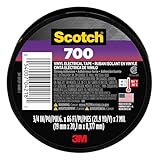
I remember staring at my PC’s guts, a tangle of wires like a spaghetti monster that had lost its will to live. My cheap, no-name case had all sorts of sharp edges and I’d snagged a couple of thin wires. Panic set in. I’d heard all the DIY gurus online touting the miracle fix for everything: electrical tape. But could I really use electrical tape inside my computer? The thought made my tech-loving heart pound a little faster. I’ve seen some pretty questionable PC mods in my day, and this felt like it was teetering on the edge of disaster.
Years later, after a few spectacularly failed attempts at ‘quick fixes’ that ended up costing me more time and money than they were worth, I’ve learned a thing or two about what actually works and what’s just glorified snake oil.
So, Can I Use Electrical Tape Inside My Computer? The Blunt Truth
Alright, let’s cut to the chase. Can you use electrical tape inside your computer?
The short, no-nonsense answer is: it’s complicated, and most of the time, you probably shouldn’t. I’ve seen people do it, and sometimes it seems to work out fine. Other times, it’s a ticking time bomb waiting to fry a motherboard or cause all sorts of weird, intermittent issues that make you want to pull your hair out.
My first real foray into PC building, back when cases were basically metal boxes with fans, involved a wire that was a little too close to a spinning heatsink. I grabbed the first roll of tape I could find – black electrical tape, naturally – and wrapped it up. For about six months, it was fine.
Then, one scorching summer afternoon, my PC just… died. Wouldn’t even post. Took me days to figure out the tape had degraded and a tiny bit of conductive goo had leaked out, shorting something vital.
Lesson learned the hard way, and it cost me a new motherboard, about $180 at the time.
The problem isn’t just about the tape itself. It’s about what electrical tape is made of and how it behaves over time, especially in the often-variable environment inside a computer case. Most standard electrical tape is made of PVC (polyvinyl chloride) with an adhesive. Over time, especially with heat fluctuations and UV exposure (yes, even residual UV from case lighting can degrade things), that PVC can become brittle, crack, or even ooze. The adhesive can also break down. This is where things go wrong. If that degraded tape starts touching bare metal components or other wires it shouldn’t, you’re asking for trouble. We’re talking about short circuits, voltage leaks, and potential damage to sensitive electronics.
Now, there are some specialized tapes out there that are designed for electronics, but they’re not your typical roll from the corner hardware store. We’ll get to those. But for the everyday, cheap roll of electrical tape? My advice is to avoid it like a bad BIOS update. It’s a hack, not a proper fix. If you’ve got a wire that’s frayed or needs securing, there are better, safer, and more professional ways to handle it.
Why the Common Advice Might Be Leading You Astray
The internet is a vast ocean of information, and unfortunately, not all of it is good. You’ll find countless forum posts and YouTube videos where people confidently slap electrical tape on this and that inside their PC builds. They’ll show you how they wrapped a loose cable, insulated a slightly exposed wire, or even used it to hold a fan in place temporarily. And hey, for some people, it might work for years. That’s the deceptive part. It can work, but the odds of it causing a problem down the line are significantly higher than with proper solutions.
Why is this bad advice so prevalent? Often, it’s born out of ignorance or a desire for a quick, cheap fix. Someone has a problem, they grab the easiest tool available, it seems to solve the immediate issue, and they never experience the long-term consequences. Then they share their ‘success’ story, and the cycle continues. It’s like patching a leaky roof with duct tape – it might hold for a while, but you’re not addressing the underlying structural issue, and eventually, you’ll have a much bigger problem. (See Also: Can I Use Electrical Tape To Connect Wires )
My own experience with that degraded tape taught me a valuable lesson. I was so focused on fixing the immediate symptom – the wire touching the heatsink – that I didn’t consider the longevity of the ‘fix.’ Electrical tape isn’t designed for the kind of constant, low-level heat and potential flexing that components inside a PC undergo.
It’s meant for, well, electrical applications, but typically in wall wiring or appliance cords where the environment is more stable and less… dense with sensitive, expensive electronics. The common advice to just grab electrical tape for most internal PC issues is, in my honest opinion, a terrible one that often leads to more headaches than it solves. There are better ways, and I’ll tell you about them.
When a Temporary Fix Becomes a Permanent Problem
I’ve learned the hard way that “temporary” is a dangerous word in PC building. What you intend as a quick, stop-gap measure can easily become a forgotten problem that festers. This is where electrical tape inside a computer often falls. You might use it to secure a loose wire that’s rattling against the case, or to insulate a tiny bit of insulation that’s chipped off a SATA cable. It seems like a good idea at the time, a quick fix to stop an annoying noise or prevent a perceived hazard.
The reality is, electrical tape, especially cheaper varieties, isn’t built for the long haul in this environment. Heat is a major enemy.
Your CPU and GPU can get hot, and even the ambient temperature inside a closed case can fluctuate. This heat degrades the adhesive and the plasticizer in the tape, making it brittle or sticky.
Over time, that tape can start to peel, expose the wire underneath, or worse, leave a sticky residue that attracts dust and gunk. I once had to troubleshoot a PC where the fan was making a weird noise. Turned out the ‘temporary’ electrical tape I’d used to secure a cable to the fan shroud months ago had started to melt and was intermittently catching on the fan blades.
It wasn’t just annoying; it was stressing the fan motor and making it run erratically. Pulling it off was a sticky, gooey mess, and I ended up having to clean the entire fan hub.
This is a prime example of how a seemingly harmless quick fix can morph into a recurring problem. It’s the kind of issue that’s incredibly difficult to diagnose because it’s not immediately obvious. You’re looking for hardware failure, driver issues, software conflicts, all while the culprit is a piece of degraded tape slowly failing. For this reason, when you absolutely must secure a wire or insulate a tiny nick, you need to be thinking about materials that are designed for this. Think about zip ties, cable sleeves, or, if insulation is truly needed, specialized heat-shrink tubing or even certain types of high-temperature, non-conductive tapes designed for electronics. Anything less is asking for future trouble.
Actual Use Cases: When It’s maybe Okay (but Still Risky)
Okay, I’ve bashed electrical tape pretty hard, and for good reason. But are there any situations where it’s not a complete disaster waiting to happen? Well, maybe a few highly specific, niche scenarios, but even then, I’d hesitate. Let’s talk about the common ones you’ll see online and why they’re still iffy.
One common suggestion is to use it to temporarily silence a rattling wire. If a cable is vibrating against your case or a fan, a small piece of electrical tape might stop the noise. The key word here is temporarily. You should absolutely be planning to properly secure that wire with a zip tie, Velcro strap, or cable management clip as soon as possible. Don’t let it become a permanent fixture. The risk of the tape degrading and leaving residue or becoming a hazard is still there, just less immediate. (See Also: Can Electrica Tape Catch On Fire )
Another scenario is insulating a very minor nick in a wire’s insulation. Again, this is a huge red flag. If you find a nick, it means the wire’s shielding is compromised.
While a small piece of electrical tape might cover it, it’s not a solid fix. The tape can stretch, peel, or allow moisture and dust to ingress over time, potentially leading to corrosion or short circuits.
Properly repairing a nick usually involves heat-shrink tubing, which creates a much more durable and sealed repair. If the nick is significant, you should consider replacing the cable altogether.
This is where you might see people suggesting it for things like fan cables or LED strips. For those, I’d say it’s barely acceptable as a very short-term emergency fix. Think hours, not weeks or months.
The absolute worst thing I’ve seen is people using electrical tape to modify or repair components themselves, like trying to patch up a blown capacitor or insulate a connection on a graphics card. That’s just asking for a spectacular failure. It’s not designed for that kind of stress, heat, or precision. So, while there might be an extremely limited window where it could be used for something like a temporary wire rattle, the risk often outweighs the reward. Always consider the long-term implications and the superior alternatives available.
Alternatives to Electrical Tape: What Actually Works
Since I’ve spent so much time telling you what not to do, let’s talk about what you should be using. When it comes to managing cables, securing components, or insulating connections inside your PC, you have a host of much better, safer, and more reliable options than standard electrical tape. These are the tools I rely on, and they’ve saved me a lot of headaches and money.
First up, for cable management and securing loose wires: Zip ties. These are cheap, readily available, and incredibly effective. You can bundle cables neatly, tie them to the motherboard tray, or secure them away from fans. The only downside is that once they’re cinched, they can be a pain to remove without cutters, but that’s a small price to pay for their reliability. Velcro straps are a fantastic alternative if you anticipate needing to re-route cables frequently. They’re reusable and much gentler on cables than zip ties. I use these a lot for modular power supply cables that I might need to swap out or adjust.
For insulating or repairing minor nicks in wire insulation, heat-shrink tubing is the gold standard. You slide a piece of tubing over the damaged section, apply heat (a heat gun works best, but a lighter can be used very carefully with practice), and it shrinks to form a tight, protective, and insulated seal. It’s professional, durable, and looks clean. If you’re dealing with multiple wires or need to protect a whole connector, sleeving (like paracord or specialized PSU sleeving) offers both aesthetic appeal and a good degree of protection. It’s a bit more involved than just wrapping tape, but the results are infinitely better.
Finally, for situations where you absolutely need a tape-like solution but with better durability and temperature resistance, look for specialty tapes designed for electronics or high-temperature applications. This could include Kapton tape (polyimide tape), which is used in many electronic manufacturing processes due to its high-temperature resistance and electrical insulation properties. It’s not cheap, and it’s usually overkill for typical PC builds, but it’s a legitimate option for sensitive electronics. For most users, though, sticking to zip ties, Velcro, and heat-shrink tubing will cover 99% of your needs far more effectively and safely than any generic electrical tape.
Here’s a quick rundown of my preferred solutions: (See Also: Can I Substitute Duct Tape For Electrical Tape )
| Application | Recommended Solution | Pros | Cons | Verdict |
|---|---|---|---|---|
| Cable Management / Securing Wires | Zip Ties | Cheap, strong, very effective. | Permanent once tightened, requires cutters to remove. | Excellent for permanent routing. |
| Cable Management / Re-routable | Velcro Straps | Reusable, gentle on cables, adjustable. | Can be more expensive than zip ties, might loosen over time if low quality. | Ideal for modular builds or frequent changes. |
| Wire Insulation / Minor Repair | Heat-Shrink Tubing | Durable, professional finish, excellent insulation. | Requires a heat source, can be fiddly for beginners. | The proper way to insulate repairs. |
| Wire Insulation / High Temp | Kapton Tape (Polyimide Tape) | Extremely high temperature resistance, excellent electrical insulator. | Expensive, not aesthetically pleasing for most PC builds. | For specialized electronic work, not general PC use. |
| Temporary Wire Rattle Silence | Standard Electrical Tape (use with extreme caution!) | Readily available, flexible. | Degrades over time, leaves residue, can fail catastrophically. | Avoid if possible; true last resort for hours only. |
Frequently Asked Questions About Internal Pc Wiring
Can Electrical Tape Cause a Fire Inside My Computer?
While unlikely with standard usage, it’s not impossible. Electrical tape can degrade over time due to heat, potentially becoming brittle or sticky. If this degraded tape touches conductive components it shouldn’t, it could lead to a short circuit. In rare cases, a significant short circuit can generate enough heat to pose a fire risk, especially if it happens near flammable materials. However, the primary risk is damage to your components rather than a full-blown fire.
Will Electrical Tape Damage My Motherboard?
Yes, it absolutely can. If the adhesive from degraded electrical tape oozes onto your motherboard or if the tape itself bridges connections it shouldn’t, it can cause a short circuit. This could manifest as anything from a component not working to the entire motherboard failing. The delicate traces and components on a motherboard are not designed to come into contact with the chemicals or adhesive found in standard electrical tape.
Is It Safe to Use Electrical Tape on Fan Wires?
It’s risky, especially if the tape is applied near the fan blades or motor. Fan wires can be thin and their insulation can sometimes get nicked. Using electrical tape as a quick fix might seem okay initially, but the tape can degrade, detach, or stretch, potentially interfering with the fan’s operation. A frayed fan wire is a problem that should ideally be addressed by replacing the fan or, at the very least, using heat-shrink tubing for a proper repair, not just tape.
What’s the Difference Between Electrical Tape and Other Tapes for Pc Use?
Standard electrical tape is typically made of PVC and designed for general electrical wiring where conditions are relatively stable. Tapes like Kapton tape (polyimide) are designed for much higher temperatures and are commonly used in electronics manufacturing. For PC builds, the best ‘tapes’ are often not tapes at all, but rather zip ties, Velcro straps, and heat-shrink tubing, which offer more reliable, durable, and safe solutions for cable management and insulation.
The Long-Term Effects: What Happens Later?
I’ve already touched on this, but it’s worth hammering home: the real danger with using electrical tape inside your computer isn’t usually immediate. It’s the slow, insidious degradation that happens over months or even years. Think about it – your PC is a sealed environment that can get surprisingly warm, especially around the CPU and GPU. The constant thermal cycling, going from cool to hot and back again, puts stress on materials. Standard electrical tape, with its PVC base, isn’t formulated to withstand this kind of abuse indefinitely. The plasticizers that keep it flexible will eventually leach out, and the adhesive will lose its stickiness.
This degradation leads to a few potential problems. First, the tape can become brittle and crack, exposing the wire underneath. If that wire is carrying a current, it now has a direct path to whatever else it’s touching. Second, the adhesive can become gooey or sticky, attracting dust and lint. This buildup can impede airflow, increase temperatures, and potentially even become conductive itself if it’s mixed with metal dust or other conductive particles. I’ve seen dusty PCs where the tape looked like it was weeping a dark, tar-like substance. Not a good sign.
The worst-case scenario? A short circuit. This can fry components, lead to instability, random shutdowns, or just a completely dead PC. I experienced this firsthand.
My initial ‘quick fix’ with electrical tape on a slightly frayed wire eventually led to a partial short that caused my RAM to become unstable. For weeks, I was chasing phantom errors, reinstalling drivers, and even considering new RAM, all because of a cheap roll of tape. It was only when I was doing a deep clean and decided to re-do all my cable management that I found the degraded tape and the sticky mess it had become.
Replacing that section of wire and using proper heat shrink fixed the issue instantly. It’s a stark reminder that cutting corners on materials inside your PC can cost you far more in the long run.
Final Thoughts
So, can I use electrical tape inside my computer? My honest verdict, after years of building, fixing, and sometimes regretting my choices, is a resounding ‘mostly no.’ While it might seem like a quick, accessible fix for a rattling wire or a tiny insulation nick, the risks of degradation, adhesive failure, and potential short circuits are simply too high for the sensitive electronics inside your rig.
The money you save on a roll of electrical tape is nothing compared to the potential cost of replacing a motherboard or other components. Invest in proper cable management tools like zip ties or Velcro straps, and if you absolutely must insulate something, reach for heat-shrink tubing. Your computer’s longevity and your sanity will thank you for it.
Think about your PC’s internals as a finely tuned machine, not something to be patched up with household remedies. What’s your go-to tool for tidying up internal cables?