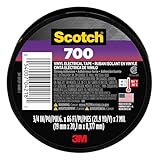
I remember one particularly brutal hike in the Rockies. About three miles in, my brand-new boots decided they hated my heels. By mile five, I was hobbling, convinced my feet were staging a rebellion. I’d heard whispers about using electrical tape for blisters – a quick fix in a pinch, right? Well, I’d packed some for wiring a camping gadget, and in desperation, I ripped off a strip and slapped it on. Spoiler alert: it wasn’t the miracle cure I’d hoped for.
This whole idea of using electrical tape for blisters pops up more than you’d think. It’s that black, stretchy stuff you find in any toolbox. Seems like it should work, right? It’s sticky, it’s waterproof-ish, and it’s readily available. But just because you can use something doesn’t mean you should. I’ve spent enough years fumbling with gear and getting it wrong to know that sometimes, the obvious solution is actually a terrible one.
The Sticky Truth: Can You Actually Use Electrical Tape for Blisters?
Alright, let’s cut to the chase. Can you use electrical tape for blisters? Technically, yes, you can. If you’re stranded on a desert island, or stuck in the middle of nowhere with nothing else, wrapping a blister with electrical tape will probably offer some immediate, albeit temporary, protection. It’s sticky, it provides a barrier, and it’s usually flexible enough to conform to the skin. I’ve done it myself in a real bind, and it dulled the searing pain for a little while. That’s the raw, unvarnished truth from someone who’s been there.
However, and this is a big ‘however,’ it’s far from ideal, and I’d actively steer you away from relying on it as a go-to blister treatment. My first-hand experience, and frankly, a lot of common sense, tells me this. The adhesive on electrical tape isn’t designed for skin. It’s formulated to stick to smooth, dry surfaces like wire insulation, not the moist, delicate skin on your feet or hands. When you peel it off, it can be a real bear. I once left a strip on overnight, and when I finally wrestled it off, it took a layer of skin with it. Ouch. That’s not healing; that’s causing more damage.
Beyond the adhesive ripping your skin, electrical tape itself isn’t the most breathable material. Blisters often need air to heal properly. Trapping moisture and heat under that plasticky layer can create a breeding ground for bacteria, increasing the risk of infection. Think about it: that stuff is meant to insulate wires, not let your skin breathe. So, while it might seem like a quick fix in a panic, the potential downsides – skin irritation, difficult removal, and impaired healing – far outweigh the immediate benefit of a sticky patch.
I’ve seen people try to reinforce it with gauze or other padding, but the core problem remains the tape itself. It’s like trying to build a comfortable shoe out of sandpaper. You might be able to do it, but it’s going to be a painful experience. The material science just isn’t there for skin application. For years, I kept a roll of electrical tape in my emergency kit for electrical emergencies, not foot emergencies. That was a mistake born of convenience and a lack of better options at the time. Now, I know better, and I want you to know better too. Let’s talk about why it’s not the best choice and what you should be using instead.
Why Electrical Tape Isn’t Your Foot’s Best Friend
The core issue with using electrical tape for blisters boils down to its design and intended purpose. It’s built to be an electrical insulator and mechanical protector for wires, not a medical dressing for delicate human skin. The adhesive, often a type of rubber or synthetic polymer, is aggressive.
It’s meant to stick firmly to plastics, metals, and rubber, and it does so with a vengeance. When applied to skin, especially over a tender, broken blister, that aggressive adhesive can bond too tightly. I learned this the hard way after a long day of kayaking.
I’d used it as a makeshift bandage for a small cut on my finger, and peeling it off felt like I was removing a layer of my own flesh. It wasn’t just painful; it was bloody.
My finger took longer to heal than it should have because of the trauma from the tape removal.
Furthermore, electrical tape is generally not breathable. It’s designed to be a moisture barrier, which is great for protecting electrical connections from the elements, but terrible for a blister. Blisters are basically fluid-filled sacs that need to dry out and heal.
When you seal them under an impermeable material like electrical tape, you trap moisture and heat. This humid, warm environment is a petri dish for bacteria.
I’ve seen minor blisters turn into angry, infected wounds because of this exact scenario. A friend of mine, a seasoned climber, once used it on a heel blister during a multi-day trek.
He ended up with a nasty infection that required antibiotics, completely derailing his trip. He’d run out of proper blister bandages and, like me, thought electrical tape was a reasonable alternative. It wasn’t. (See Also: Can I Use Electrical Tape To Connect Wires )
The flexibility of electrical tape can also be a double-edged sword. While it can conform to the skin, it’s not always smooth.
The ribbed texture or the way it stretches and bunches can cause friction on the blister itself, potentially making it worse or causing new hot spots. Imagine wearing shoes made of slightly rough fabric – it’s not comfortable. Electrical tape has a similar, albeit less severe, textural issue when it comes to prolonged skin contact. It’s not designed for the constant movement and friction that feet experience, especially during activities like walking or running.
The common advice you’ll find online about using it often overlooks these important factors, focusing instead on the ‘sticky’ and ‘waterproof’ aspects without considering the skin’s needs.
The chemical composition of the adhesive can also be a problem. Some individuals have sensitivities to the chemicals used in industrial-grade adhesives. While not everyone will react, there’s a higher chance of irritation, redness, or even an allergic reaction when using a product not intended for dermal contact. I’ve personally experienced mild itching under electrical tape when used for extended periods, even on non-blister areas. It’s not the same as a medical-grade adhesive designed to be hypoallergenic and gentle. So, while it might seem like a readily available solution, it’s a gamble with your skin’s health and healing process.
What to Look for in Proper Blister Bandages
Okay, so if electrical tape is a no-go, what should you be looking for? The world of blister care has gotten pretty sophisticated, and thankfully, there are much better options readily available. The first thing you want is a bandage specifically designed for blisters. These aren’t just glorified Band-Aids; they’re engineered with the blister’s unique needs in mind. A good blister bandage will have a few key features.
Material and Adhesion: You want something that sticks well but is also gentle on the skin. Medical-grade adhesives are formulated to adhere securely to the skin without causing excessive irritation or pain upon removal. Many high-quality blister bandages use hydrocolloid or silicone-based adhesives. Hydrocolloids, for example, create a moist healing environment which can actually speed up recovery and provide cushioning. They absorb excess fluid from the blister, forming a gel that protects the raw skin underneath. I’ve found these to be incredibly effective at both cushioning and promoting healing. They feel like a second skin.
Cushioning: A significant part of blister management is preventing further friction and pressure. Proper blister bandages are often thicker and more padded than standard bandages. This cushioning effect is vital for protecting the delicate, broken skin from the constant rubbing of socks and shoes. Some are shaped specifically to cover the entire blister area, providing a protective dome. I once used a specialized blister cushion on a particularly nasty heel blister during a marathon training run, and it was a big deal. I could barely feel my shoe pressing down, and the pain was significantly reduced, allowing me to continue my training.
Breathability (or Controlled Moisture): While electrical tape traps moisture, the best blister treatments manage it. Hydrocolloid bandages create a moist healing environment, which is beneficial. Other types might be designed to be breathable, allowing air to circulate while still protecting the wound. The key is controlled moisture and protection, not complete sealing. Some advanced dressings are even designed to be waterproof, allowing you to shower or swim without the bandage falling off, but still allowing the blister to heal. This is a huge plus for anyone who leads an active lifestyle.
Durability and Fit: Blister bandages need to stay in place, especially on active feet. Look for bandages that are designed to flex with your skin and resist peeling or bunching. They should be shaped to fit the contours of your feet, like around the heel or toes. Some brands offer various sizes and shapes for different blister locations. I’ve found that cheaper, generic ‘waterproof’ bandages often lift at the edges after a few hours of walking, especially if my feet get even slightly damp from sweat. Investing in a reputable blister-specific product pays off in the long run because they actually stay on and do their job.
Here’s a quick comparison of what to look for:
| Feature | Electrical Tape (Not Recommended) | Proper Blister Bandage (Recommended) | My Verdict |
|---|---|---|---|
| Adhesive | Aggressive, designed for non-skin surfaces. Can damage skin on removal. | Gentle, medical-grade. Designed for skin. Less irritation, easier removal. | Big win for proper bandages. My skin thanks me. |
| Breathability/Moisture Management | Non-breathable, traps moisture. Increases infection risk. | Manages moisture for healing (hydrocolloid) or allows air circulation. | Important for healing. Electrical tape is a moisture trap. |
| Cushioning | Minimal to none. Can add to friction. | Provides padding and protection against pressure/friction. | Key for comfort and preventing further damage. |
| Skin Compatibility | Not designed for skin. Risk of irritation and allergic reactions. | Hypoallergenic, designed for sensitive skin. | Why risk it with electrical tape? Go for skin-safe. |
| Durability on Feet | Poor. Tends to peel, bunch, and lose adhesion with movement/sweat. | Designed to stay in place during activity, flex with skin. | Proper bandages stick when you need them to. |
Common Mistakes When Treating Blisters (and How to Avoid Them)
People make mistakes with blisters, and I’ve made my fair share. One of the most common, beyond using things like electrical tape, is the urge to pop a blister prematurely. Unless a blister is exceptionally large, painful, or likely to burst on its own and cause further damage, it’s best left intact.
The fluid-filled sac is nature’s protective cushion. Popping it exposes the raw skin underneath, significantly increasing the risk of infection and making the healing process longer and more painful.
I learned this lesson after popping a blister on my thumb during a woodworking project. What should have been a minor inconvenience turned into a swollen, throbbing mess that took weeks to fully recover from, all because I wanted instant relief. My instructor, a grizzled old carpenter, just shook his head and told me to leave it alone next time. (See Also: Can Electrica Tape Catch On Fire )
Another mistake is not drying the area properly before applying any kind of bandage. Whether you’re using a specialized blister bandage or even just a regular adhesive bandage, applying it to damp skin significantly compromises its ability to stick. This is especially true if your feet are sweaty. I’ve had bandages peel off within an hour or two of hiking because I rushed the application process. It’s far better to take an extra minute to thoroughly dry the skin with a clean cloth or let it air dry completely. This makes sure optimal adhesion and a longer-lasting, more effective protective barrier.
Over-reliance on a single type of treatment is also a pitfall. People often think one size fits all when it comes to blister care. However, the best approach can depend on the size, location, and severity of the blister. A small, intact blister might benefit from a simple hydrocolloid patch, while a larger, already-broken blister might need a more substantial padded dressing.
It’s also important to change dressings regularly, especially if they become wet or dirty, or if the blister shows signs of infection (increased redness, swelling, pus). Ignoring these signs is a recipe for disaster. I once tried to tough out a blistering heel situation on a multi-day trip, thinking the bandage would just handle it. It didn’t.
The constant pressure and lack of air circulation made it worse, and I ended up with a deep, painful wound that needed medical attention at the end of the trip.
Finally, people often neglect the importance of prevention. The best way to deal with a blister is to not get one in the first place.
This means wearing well-fitting, broken-in footwear, especially for any extended walking or hiking. Using moisture-wicking socks, wearing two pairs of socks (a liner sock and a thicker outer sock), and addressing hot spots before they become full-blown blisters are all preventative measures. I used to be a ‘just push through it’ kind of guy, but after a few particularly miserable blister-ridden trips, I learned that a little bit of foresight goes a long way. Carrying moleskin or specialized blister tape to apply to hot spots while on the go has saved me countless miles of agony.
It’s about being proactive rather than reactive.
Real-World Use: My Go-to Blister Kit
After years of trial and error, and a fair bit of suffering, I’ve dialed in what I carry for blister care. It’s not fancy, but it works. When I’m heading out for any significant time, whether it’s a long hike, a backpacking trip, or even just a long day of standing at a festival, I pack a small, dedicated blister kit. It’s about the size of a deck of cards and fits easily into a pocket or small bag. Here’s what’s inside and why:
1. High-Quality Blister Bandages/Hydrocolloid Patches: I usually opt for a brand that makes specifically shaped hydrocolloid bandages for heels, toes, and sides of feet. Brands like Compeed or Band-Aid Brand Hydro Seal are my go-tos. They provide excellent cushioning, protect from friction, and create a moist healing environment. I find they stay on remarkably well, even with sweat. I’ll use these proactively on known hot spots or immediately on any new blister that forms.
2. Moleskin or Blister Tape: For those times when you feel a hot spot developing before it becomes a full blister, moleskin or a good blister tape is indispensable. I prefer a fabric-backed moleskin that I can cut to size. It’s a bit thicker and can really take the pressure off a developing hot spot. Blister tape, which is basically a thin, flexible adhesive strip, is also great for smaller areas or when you need something less bulky than moleskin. It’s a preventative measure that’s saved me many times.
3. Antiseptic Wipes: For cleaning the area before applying a bandage, especially if the skin is broken. This helps prevent infection. I usually carry a few individually wrapped wipes.
4. Small Scissors: For cutting moleskin or trimming bandages to size. Having dedicated small scissors is much better than trying to tear things awkwardly.
5. A Few Regular Adhesive Bandages (various sizes): Sometimes, a minor scrape or cut happens alongside a blister. These are for general-purpose wound care. (See Also: Can I Substitute Duct Tape For Electrical Tape )
My first real success with this kind of kit was on a particularly grueling 20-mile hike. I started feeling a hot spot on my arch around mile 8. Instead of ignoring it, I stopped, dried my foot, and applied a piece of moleskin. The rest of the hike was completely manageable, and I avoided a painful blister. That small act of self-care saved me hours of misery and allowed me to enjoy the rest of the trek. The electrical tape approach would have been a disaster, likely leading to a blister that would have made the remaining miles agonizing. The investment in a few specialized items has paid dividends in comfort and the ability to keep moving without pain.
The Contradictory Advice: Why Some Say ‘yes’ to Electrical Tape
Now, I know what some of you might be thinking. You’ve heard or read that electrical tape can be used for blisters. And you’re right, you probably have. This is where things get a bit confusing, and it’s often rooted in a mix of desperation, anecdotal evidence, and a lack of better alternatives in the past. People have been using whatever they can get their hands on for centuries, and electrical tape, being common in toolkits, fits that bill. The advice often comes from a place of ‘it’s better than nothing’ or is based on very specific, controlled circumstances.
Here’s my contrarian take: I disagree with the general advice that electrical tape is a viable option for blisters, even in a pinch, if you have any other choice. My reasoning is simple: the potential for harm outweighs the temporary benefit. While it might offer a sticky barrier, the aggressive adhesive, lack of breathability, and the risk of skin damage upon removal are significant drawbacks.
I’ve personally experienced the pain of that adhesive tearing skin, and I’ve seen friends suffer from infections due to trapped moisture. The ‘just use it’ advice often comes from people who might have had a one-off, minor success or who haven’t experienced the negative consequences firsthand. It’s like saying you can use a hammer to pound in a screw – technically possible, but you’re likely to strip the screw head and make a mess.
The context matters, of course. If you’re genuinely stranded with no other options, and a blister is making it impossible to move, a carefully applied and very carefully removed piece of electrical tape might be your only recourse. But even then, I’d be thinking about how to get it off as soon as humanly possible and replace it with something, anything, else. The common advice often fails to acknowledge the chemical properties of the tape and its adhesive, focusing only on its physical attributes (stickiness, waterproofness).
It’s a classic case of convenience trumping good sense. My experience has shown me that investing a few dollars in proper blister treatment is a small price to pay for avoiding pain, infection, and potential long-term damage.
The internet is full of ‘hacks,’ and while some are brilliant, this isn’t one of them.
Faq on Electrical Tape and Blisters
Is Electrical Tape Safe to Put on Skin?
Generally, no. Electrical tape is not designed for prolonged contact with skin. Its adhesive can be aggressive, leading to skin irritation, redness, and pain upon removal, potentially even tearing skin. The materials used in the tape itself can also cause reactions in sensitive individuals. It’s intended for insulating wires, not as a medical dressing.
Will Electrical Tape Hold a Blister Dressing in Place?
Yes, the adhesive on electrical tape is strong and will likely hold a dressing in place. However, this strength is also its downfall, as it can adhere too tightly to the skin underneath and the dressing itself, making removal difficult and potentially damaging the skin or the wound. Proper medical tapes are designed to be secure yet gentle.
Can Electrical Tape Cause Infection on a Blister?
It can indirectly contribute to infection. Electrical tape is typically not breathable, meaning it traps moisture and heat. This creates an ideal environment for bacteria to multiply, increasing the risk of infection in an open or broken blister. Proper blister care involves managing moisture to promote healing, not trapping it.
What’s the Best Way to Remove Electrical Tape From Skin Without Hurting?
This is tricky, as the adhesive is strong. The best method is to use a solvent like rubbing alcohol or an oil-based substance (like baby oil or olive oil) to break down the adhesive. Apply it generously to the edges of the tape and let it soak in for several minutes. Gently try to peel the tape away, reapply solvent if needed. Be patient, as forcing it will likely cause pain and skin damage. Even with this method, some discomfort or minor skin irritation is possible.
Are There Better Alternatives to Electrical Tape for Blisters?
Absolutely. There are many superior alternatives. Specialized blister bandages, hydrocolloid dressings, moleskin, and medical-grade adhesive tapes are all designed for skin application and blister care. They offer better cushioning, breathability, and gentler adhesion, promoting healing and reducing the risk of infection and further skin damage.
Verdict
So, to wrap it all up: can you use electrical tape for blisters? Yes, in a dire emergency, it might offer a temporary, sticky shield. But is it a good idea? Absolutely not. I’ve learned the hard way that the aggressive adhesive and lack of breathability can cause more problems than they solve, from painful removal to potential infections. My own experiences, and seeing others struggle, have convinced me that the risks just aren’t worth it.
When it comes to your feet, especially when you’re out adventuring, you deserve better than a makeshift fix that could turn a minor annoyance into a major setback. Invest in a small blister kit – a few specialized bandages, some moleskin, antiseptic wipes. It’s a small cost for peace of mind and the ability to keep moving comfortably. Don’t let a blister derail your plans because you reached for the wrong tool.
Next time you feel that tell-tale hot spot developing, or you’re faced with a burgeoning blister, reach for something designed for the job. Your feet will thank you, and you’ll be able to focus on enjoying your hike, run, or whatever adventure you’re on, rather than how much your feet are screaming. Trust me on this one; your skin will appreciate it.