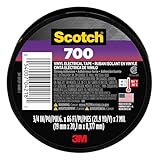
Look, we’ve all been there. The microwave’s humming along, you’re nuking some leftovers, and suddenly, a spark. Or maybe it’s just a bit of wear and tear on the inside coating. Your brain immediately jumps to the quick fix: duct tape? Nope. Band-aids? Definitely not. Then the thought pops into your head: can I use electrical tape inside a microwave?
It seems like a plausible idea. It’s tape, it’s electrical, it’s designed for heat and insulation, right? Well, the reality is a bit more complicated than just slapping some black tape on there. Let’s get into it.
Why You’re Even Asking About Tape in the First Place
Microwaves are weird beasts. They cook food using electromagnetic radiation, which sounds fancy but basically means they zap water molecules. This process can be rough on the interior lining. Over time, you might see peeling paint, small nicks, or even scorch marks. These aren’t just cosmetic issues. That damaged lining can lead to uneven cooking, potential food contamination, or, in the worst-case scenario, arcing – those scary blue sparks you sometimes see.
I remember one time, maybe five years back, my trusty GE microwave started showing some serious wear near the door seal. It looked like the paint was flaking off in chunks. My first thought was, ‘Can I just patch this?’ I scoured online forums, desperate for a quick fix. Some suggested high-temperature epoxy, others specialized microwave repair paint. But then, someone, somewhere, suggested electrical tape. It seemed so… accessible. I had a roll sitting in my junk drawer, practically begging to be used for something other than wrapping up frayed wires on an old lamp.
The idea behind using electrical tape, I figured, was that it’s designed to insulate, and it’s somewhat heat-resistant. It’s flexible, easy to apply, and readily available. Plus, it’s cheap. Who wants to spend a hundred bucks on a repair kit when a few inches of black tape might do the trick? It’s the classic ‘can-I-jury-rig-this?’ impulse. But as I learned, sometimes jury-rigging can lead to a whole new set of problems, and when it comes to appliances that zap your food with radiation, it pays to be a little cautious. This entire dilemma circles back to that fundamental question: can I use electrical tape inside a microwave?
The Honest Truth: What Happens When You Stick Tape Inside
Let’s cut to the chase. The short answer is: no, you really shouldn’t use standard electrical tape inside your microwave. And here’s why. Electrical tape, the kind you buy at any hardware store, is typically made of PVC (polyvinyl chloride) plastic with a rubber-based adhesive. While it’s designed to insulate against electrical current and withstand moderate heat (think room temperature up to maybe 170°F or 75°C), the inside of a microwave gets way hotter than that, especially when it’s actively cooking food. You’re looking at temperatures that can easily exceed 400°F (200°C) in certain spots, particularly if there’s a hot spot or a food spill.
When that PVC plastic gets superheated, it doesn’t just melt; it can break down. This breakdown releases fumes. And these aren’t just any fumes; they can be toxic. Think about what you’re doing – you’re heating food in an enclosed space where these fumes are now circulating.
Do you want your dinner to have a side of plastic off-gassing? I certainly don’t.
I learned this the hard way, not with electrical tape directly, but with a similar ‘heat-resistant’ sticker I once tried to use to cover a small scratch on my oven door. It started to smell weird after a while, and when I peeled it off, the adhesive had melted into a gummy, black mess that was a nightmare to clean.
That was an oven, which gets hot, sure, but not in the same way a microwave does. The microwave’s radiation directly excites the water molecules within the food, leading to rapid, intense heating in a way an oven’s heating elements don’t quite replicate.
Furthermore, the adhesive on electrical tape isn’t designed for prolonged exposure to microwave radiation. It can degrade, become sticky, or even burn. This leaves you with a gooey residue that’s impossible to get off and can actually attract more grime, creating a bigger mess than you started with. The tape itself can also become brittle and flake off, potentially getting into your food. It’s a recipe for disaster, both in terms of safety and hygiene. So, while the intention might be good – to fix a minor blemish – the execution with standard electrical tape is fundamentally flawed and potentially hazardous.
What About Special Tapes? Are There Microwave-Safe Options?
Okay, so regular electrical tape is a no-go. But what if you see tapes specifically marketed as ‘microwave safe’ or ‘high-temperature microwave repair tape’? This is where things get a little murkier, and you need to be really discerning. Generally, if a manufacturer is selling tape for microwave repair, it’s usually a specialized material designed to withstand the specific conditions inside a microwave. These aren’t your run-of-the-mill electrical tapes. (See Also: Can I Use Electrical Tape To Connect Wires )
These specialized tapes are often made from materials like PTFE (polytetrafluoroethylene), commonly known as Teflon, or other high-performance polymers that are inherently non-stick and can handle extreme temperatures without degrading or releasing harmful fumes. They might also use a high-temperature silicone adhesive that’s formulated to stay put under microwave conditions. I’ve seen some products that are basically strips of this specialized material, sometimes with a heat-activated adhesive. They’re designed to cover small chips, cracks, or worn areas on the interior walls or door of a microwave.
However, even with these specialized tapes, there are caveats. First, they are not a universal fix.
They are typically meant for very small, non-structural repairs. If you have significant damage, like a large hole or a compromised door seal, no tape is going to make it safe again.
Second, availability can be an issue. You won’t find these tapes at your local corner store.
You’ll likely need to order them online, and they can be surprisingly expensive for what amounts to a few small patches. I once looked into a specialized microwave repair tape when my daughter accidentally chipped a small piece off the inside of our Sharp microwave.
The tape itself cost nearly $30, plus shipping. For a tiny area about the size of a dime.
That felt… excessive. It made me question if a professional repair or even a replacement unit might be more cost-effective in the long run, considering the peace of mind.
Here’s a handy comparison of what you might encounter, keeping in mind the ‘specialized’ ones are rare and pricey:
| Tape Type | Typical Material | Heat Resistance | Adhesive | Suitability for Microwave Interior | Verdict |
|---|---|---|---|---|---|
| Standard Electrical Tape | PVC | Low to Moderate (up to ~170°F) | Rubber-based | No | Avoid. Degrades, fumes, melts. |
| High-Temp Tape (e.g., for ovens) | Silicone, Fiberglass | Moderate to High (up to ~500°F) | Silicone adhesive | Maybe (risky) | Use with extreme caution. Still not ideal; potential fumes and adhesive breakdown. |
| Specialized Microwave Repair Tape | PTFE, Kapton film | Very High (up to ~600°F+) | High-temp silicone adhesive | Yes (for small cosmetic repairs) | Considerable, but expensive and limited. Only for very minor damage. |
Common Mistakes People Make (and Why I’ve Made Some Too)
The biggest mistake, as I’ve already beaten to death, is using regular electrical tape. It’s the ‘easy’ fix that’s actually a terrible fix. People see it as a heat-resistant electrical insulator, which it is, but they fail to account for the specific environment of a microwave. It’s not just about temperature; it’s about the radiation and how it interacts with different materials over time.
Another common pitfall is believing that any ‘high-temperature’ tape is automatically safe. I’ve seen people grab foil tape or even some heavy-duty masking tapes when they’re in a pinch.
Foil tape, while heat-resistant, isn’t designed for the internal workings of a microwave. It can conduct electricity, and the adhesive can melt. (See Also: Can Electrica Tape Catch On Fire )
Masking tape? Forget it. It’ll turn into a sticky, flammable mess faster than you can say ‘popcorn’. My friend once tried to patch a hole in his microwave with what he called ‘industrial-strength duct tape’.
It looked like he’d glued a piece of a garbage bag to the inside. Within a week, it was peeling, singed, and smelled like burnt plastic. He ended up having to buy a whole new microwave.
Then there’s the ‘out of sight, out of mind’ mentality. If the damage isn’t immediately visible or causing sparks, people think it’s okay to leave it. They might cover it with something temporary and just hope for the best. But that damaged area can continue to degrade, and any fix, even a specialized tape, is only a stopgap. It doesn’t fix the underlying issue of a compromised interior. I once saw a guy use a piece of a plastic cutting board, cut to shape, and held in place with some kind of super glue. It held for about three uses before it started to warp and looked like it was going to fall off.
The assumption that all tapes perform similarly is a dangerous one. They are designed for different purposes, and the inside of a microwave is a unique, high-stress environment. It requires materials that are not only heat-resistant but also resistant to radiation degradation and the specific adhesives that won’t break down and release toxins. Thinking you can just use any old tape is a classic case of ignorance being bliss, until it’s not. It’s a gamble with your food and your appliance.
When Is It Time to Just Give Up and Replace It?
This is the hard-won wisdom that comes after years of trying to ‘fix’ things that maybe shouldn’t be fixed with DIY solutions. If you’re asking ‘can I use electrical tape inside a microwave,’ chances are you’re already in the territory where replacement is the smarter, safer, and ultimately cheaper option. When is that time? It’s when the damage is more than just a tiny scratch or a minor bit of peeling paint that’s barely noticeable.
Significant damage includes:
- Large areas of peeling or chipped paint/coating, especially if it’s exposing the metal underneath.
- Any signs of arcing or burning that aren’t clearly from a past spill that’s been cleaned.
- Damage to the door seal or the area around the door opening. This is important for containing the microwave radiation. If that’s compromised, it’s game over.
- Warping or melting of the interior surfaces.
- Any instance where you’re seriously considering using something other than a manufacturer-approved repair part or a specialized, certified microwave repair material.
I learned this lesson a few years ago with an older Kenmore model. It had a noticeable dent and some scoring on the inside roof. I kept telling myself, ‘It’s just cosmetic.’
I even considered using some high-temp sealant I had left over from a car repair. But then I read the manual (yes, I know, shocking) and some online appliance repair forums.
The consensus was clear: the integrity of the interior lining is most important for safety. Even if it doesn’t spark now, that damaged area can weaken over time, or food particles can get trapped and cause issues. I ended up buying a new microwave for about $150, which felt like a lot at the time, but it was far less than the potential risks of continuing to use the old one with compromised shielding.
Plus, the new one was quieter and cooked more evenly.
According to the U.S. Food and Drug Administration (FDA), microwave ovens are designed with safety interlocks and an enclosure that prevents microwave energy from leaking out. Damage to the interior can compromise this enclosure. While minor cosmetic issues might not immediately pose a risk, significant damage or any alteration to the oven’s structure could potentially lead to leakage. It’s a small appliance, but it’s still dealing with radiation. It’s not the place to experiment with questionable repairs. (See Also: Can I Substitute Duct Tape For Electrical Tape )
Practical Tips for Dealing with Microwave Interior Issues
So, you’ve got a little wear and tear on your microwave’s insides. What should you do? First, always consult your owner’s manual. Seriously, these things often have sections on cleaning and basic maintenance, and they might even mention specific repair recommendations or warnings. If your manual is long gone, a quick search online for your microwave model’s manual is usually fruitful.
Second, if it’s just a minor bit of flaking paint or a small scorch mark, the best course of action is often thorough cleaning. Sometimes, what looks like damage is just stubborn food residue. Use a mild detergent and a soft cloth. For tougher spots, a paste of baking soda and water can work wonders, and it’s food-safe. Avoid abrasive cleaners or scrub pads, as these can actually cause damage themselves. I’ve found that cleaning the interior regularly, right after spills happen, prevents buildup that can lead to more significant issues down the line. It’s preventive maintenance, plain and simple.
If you do find a small chip or crack, and you’re still determined to find a patch solution (despite my strong advice against it for most cases), look for specifically manufactured microwave repair kits. These are rare, often expensive, and typically involve a special paint or epoxy-like substance that is certified safe for microwave interiors. They are not tape. Companies like Nu-Life Technologies, for example, used to offer such kits, but availability can fluctuate. You’d be applying a material designed to bond with and protect the interior lining, not just stick something over it. These are typically white or off-white, not black like electrical tape.
Here’s a more practical approach to minor issues:
- Clean Thoroughly: Use a damp cloth with mild soap. For tougher spots, a baking soda paste. Make sure all residue is gone.
- Inspect Closely: Look for any signs of actual damage beyond residue. Is it just discoloration, or is the material actually chipped, cracked, or peeling?
- Assess the Severity: Is it a tiny speck, or is it a larger area? Is it near the door seal or on the main cooking surface?
- Consult Manual/Manufacturer: If the damage seems significant, check your manual or the manufacturer’s website for guidance.
- Consider Replacement: If there’s significant damage, arcing, or any doubt about safety, the most responsible action is to replace the appliance. It’s not worth the risk.
Trying to ‘fix’ a microwave interior with the wrong materials is a classic DIY trap. It’s better to spend a bit more on a replacement than to risk your health or a potentially more dangerous appliance malfunction.
People Also Ask:
Can I Put Foil Tape Inside My Microwave?
No, you should not put standard foil tape inside your microwave. While some foil tapes are designed for high temperatures, they are not specifically tested or certified for use within a microwave oven’s operating environment. The adhesive can melt, the tape can degrade, and there’s a risk of electrical conductivity or interference with the microwave’s function. Stick to approved cleaning methods or manufacturer-recommended repair materials.
What Can I Use to Patch a Hole in My Microwave?
Generally, you should not attempt to patch holes in your microwave interior with DIY solutions. If there is a hole, it indicates significant structural damage that compromises the microwave’s shielding. The safest and most recommended course of action is to replace the appliance. Specialized microwave repair kits (which are rare and not tape) might exist for very minor cosmetic chips, but they are not a solution for holes.
Is It Safe to Use a Microwave with Peeling Paint?
It’s generally not recommended to use a microwave with significantly peeling paint, especially if it’s exposing the metal underneath. The paint or coating acts as part of the microwave’s shielding. Peeling paint can lead to uneven cooking, potential contamination of food with loose particles, and in some cases, may indicate a compromised interior structure. It’s best to consult your owner’s manual or consider replacing the appliance if the peeling is extensive.
Verdict
So, to circle back to that nagging question: can I use electrical tape inside a microwave? The answer is a resounding ‘no.’ It’s a tempting thought for a quick fix, but the materials, the adhesives, and the heat involved just don’t mix. You risk releasing toxic fumes, creating a sticky mess, and potentially damaging your appliance further, not to mention the health risks.
For minor scuffs and discoloration, good old-fashioned cleaning is your best bet. If you have actual damage, like chips or cracks, weigh the cost and risk of any specialized repair against buying a new unit. My experience has shown that when it comes to appliances that cook your food with radiation, it’s better to be safe than sorry. Don’t gamble with your meals or your health by using the wrong materials.
If your microwave shows signs of significant wear or damage, it’s time to start looking at replacement options. It might seem like a pain, but it’s the most straightforward way to make sure you’re cooking safely and effectively. Your future self, and your stomach, will thank you.