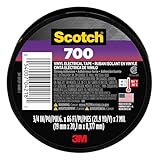
I remember the first time I snapped a racket grip mid-rally. The shuttlecock was sailing, the opponent was scrambling, and my hand just… slipped. Panic mode, right? My instinct was to grab the nearest roll of something sticky and wrap it up. That’s when the question popped into my head: can I use electrical tape instead of cushion wrap badminton? It’s a thought many of us have had when faced with a worn-out grip and a desperate need to get back on court. Let me tell you, that quick fix wasn’t pretty, and it definitely didn’t feel good.
We’ve all been there, staring at a frayed grip that feels more like sandpaper than anything designed to give you control. When that happens, you start looking around for alternatives. Electrical tape is everywhere, it’s cheap, and it’s designed to stick. Sounds like a winner, right? But before you go wrapping your precious racket handle in that black, plasticky stuff, let’s have a real talk about what works and what’s just a waste of your time and money.
Why Electrical Tape Is a Terrible Idea for Your Badminton Grip
Look, I’ve been playing badminton for what feels like a lifetime. I’ve seen players try all sorts of weird and wonderful things to keep their grips from going south. One guy I used to play with swore by athletic tape, another by old strips of t-shirts.
But electrical tape? That’s a whole other ballgame, and not in a good way. My first real experiment with this involved a new racket I’d just bought. The stock grip was slippery from the get-go, and I figured, ‘Hey, electrical tape is grippy, right?’ I slapped on a few layers, thinking I was a genius.
The result? It was like trying to hold onto a greased pig.
It felt stiff, chalky, and offered zero shock absorption. Every single shot vibrated up my arm. Within about twenty minutes, I had to take it off. It wasn’t just uncomfortable; it felt like it was actively making my game worse, and I was worried about my wrist.
The fundamental problem is that electrical tape is designed for a completely different purpose. It’s made to insulate wires and provide a basic protective layer against abrasion and moisture.
It’s not engineered for the repetitive, high-impact stress that a badminton racket handle endures. It lacks the inherent tackiness and cushioning that a proper grip wrap provides.
When you’re smashing or clearing, your hand needs to feel connected to the racket, but also have a slight give to absorb some of the shock. Electrical tape is rigid.
It’s basically a plastic film with adhesive. It offers no forgiveness for your hand and wrist. You’re basically trying to grip a solid plastic rod instead of a comfortable handle. This can lead to discomfort, blisters, and even long-term issues like tendonitis.
I learned this the hard way, and I’ve seen others do it too, then complain about arm pain after just a few games.
The adhesive on electrical tape is also a pain. It’s designed to stick to itself and to PVC coatings on wires, not necessarily to the fabric or rubber of a racket grip. Over time, it can leave a sticky, gummy residue on your racket handle that’s a nightmare to clean off.
It’s not like the clean peel you get from a dedicated grip. And let’s talk about sweat.
Electrical tape doesn’t breathe. It traps moisture, making your hand sweat even more, which, ironically, makes it more slippery. So, that ‘grippy’ surface you thought you were getting? It disappears pretty fast once you start playing.
It’s a classic case of a short-term, cheap fix leading to bigger problems and ultimately costing you more in frustration and potential injury. So, to answer directly: can I use electrical tape instead of cushion wrap badminton? You can, but you absolutely shouldn’t if you care about your game or your body.
What Cushion Wrap Actually Does (and Why It Matters)
So, if electrical tape is a big fat ‘no,’ what exactly makes cushion wrap so special? It’s not just some fancy name for a piece of plastic; there’s actual engineering (and some pretty basic material science) going on there.
Think about the forces involved when you hit a shuttlecock. You’re swinging a racket with significant speed, and when that strings connect, there’s a jolt.
A good cushion wrap grip acts as a buffer. It’s made from materials designed to absorb that shock. (See Also: Can I Use Electrical Tape To Connect Wires )
We’re talking about specific types of polymers, often foam or a dense rubber compound, that have a certain elasticity. This elasticity is key. It allows the grip to compress slightly on impact, diffusing some of that jarring force before it travels up your arm.
This is why your wrist and elbow feel much better after a long match with a proper grip compared to a stiff, unyielding surface.
Beyond shock absorption, the texture and material of a cushion wrap are important for grip. Unlike electrical tape, which is smooth and plasticky, badminton grips are engineered to be slightly tacky. This tackiness is what gives you confidence.
You know your hand isn’t going to slip, even when you’re sweating buckets. This confidence is huge in badminton. You can focus on your technique, your footwork, and your shot placement, rather than worrying about whether your grip will hold. This consistent contact point between your hand and the racket is vital for generating power and accuracy.
A slippery grip forces you to squeeze harder, which leads to fatigue and reduced fine motor control. You end up with a weaker, less precise shot, and your hand gets tired faster.
The feel is another big part of it. A good cushion wrap has a certain softness and conformability. It molds slightly to the shape of your hand, providing a comfortable, secure feel. This reduces the likelihood of blisters and calluses forming in awkward places.
Have you ever felt a grip that just felt ‘right’ in your hand? That’s the cushion wrap doing its job.
It’s designed to be pleasant to hold for extended periods. Many grips also have a subtle pattern or texture – little ridges or perforations – that further enhance grip and breathability.
This breathability helps to wick away sweat, keeping the surface drier and tackier. So, when you’re choosing a grip, you’re not just buying something to wrap around a handle; you’re buying a piece of equipment designed to enhance your performance, protect your body, and make playing more enjoyable. It’s a small component, but it has a surprisingly big impact.
It’s why I always preach spending a few extra bucks on a decent grip rather than trying to save pennies with subpar alternatives.
The Difference in Feel and Performance: A Real-World Test
I decided to do a little, shall we say, informal experiment a while back. My son had a junior racket with a grip that was practically disintegrating. He’s still developing his technique, so hand comfort and control are pretty important. I had a roll of good quality electrical tape sitting around from some home electrical work, and I also had a spare set of proper badminton cushion wrap grips I’d ordered in bulk. Naturally, my first thought was, ‘Can I use electrical tape instead of cushion wrap badminton? Just for a few days, see how it feels.’
I wrapped one racket handle with about three layers of electrical tape, making sure it was smooth and tight. For the other, I used a standard Yonex cushion wrap. The difference was stark, and not in the way I’d hoped. With the electrical tape, the handle felt stiff and hard. There was no give at all. When he hit the ball, even a gentle clear, he winced. He said it felt like hitting a brick. The grip was also immediately slicker than the electrical tape itself, ironically, probably because his hand was getting sweaty and the tape isn’t breathable at all. He complained of his hand feeling raw after just half an hour.
The racket with the proper cushion wrap was like night and day. The handle felt comfortable, with that slight give on impact that absorbed the vibration. He was able to swing more freely, and his shots felt more controlled. He didn’t complain once about his hand hurting or feeling slippery.
In fact, he asked if he could switch back to the properly gripped racket for his next session, even though the original grip was pretty bad. This wasn’t a scientific study, obviously, but it hammered home the point.
For a beginner, the difference in feel and comfort can be discouraging. For an experienced player, it can lead to missed shots and injury. The electrical tape felt like it was actively fighting against his hand, while the cushion wrap felt like an extension of it. It was a clear win for the specialized grip, and a definitive ‘nope’ for the improvised solution.
My Verdict Table: Electrical Tape vs. Cushion Wrap
| Feature | Electrical Tape | Cushion Wrap Grip | Verdict |
|---|---|---|---|
| Shock Absorption | None. Rigid and transmits vibration. | Good. Designed to absorb impact. | Cushion Wrap Wins |
| Tackiness/Grip | Poor when sweaty. Can become slippery. | Excellent. Designed for consistent grip. | Cushion Wrap Wins |
| Comfort | Low. Stiff, can cause blisters. | High. Soft, molds to hand. | Cushion Wrap Wins |
| Durability | Poor. Adhesive can fail, tape can tear. | Good. Designed for racket use. | Cushion Wrap Wins |
| Sweat Management | Terrible. Traps moisture. | Good. Often breathable or moisture-wicking. | Cushion Wrap Wins |
| Ease of Application | Easy, but messy residue. | Easy, with clear instructions. | Tie (depends on preference) |
| Cost (Per Application) | Very Low | Low to Medium | Electrical Tape Wins (Short Term) |
| Long-Term Value | Terrible. Poor performance, potential injury. | Excellent. Enhances play, protects body. | Cushion Wrap Wins |
As you can see from my little table, there’s really no contest when you look beyond the initial cost. Electrical tape might seem like a cheap hack, but it’s a false economy. You’re sacrificing performance, comfort, and potentially your physical well-being for a few dollars. The cushion wrap, even a basic one, is a purpose-built tool that does what it’s supposed to do. I’ve wasted more money on bad grips than I care to admit over the years, but I’ve also learned that spending a bit more on a decent cushion wrap is always the smarter play. It’s the difference between feeling like you’re fighting your racket and feeling like you’re in control.
Common Mistakes When Replacing a Badminton Grip
One of the most common mistakes I see, and honestly, one I’ve made myself early on, is not preparing the original grip properly before applying a new one. Sometimes, you can just slap a new grip on top of an old, worn-out one. But this is a terrible idea. (See Also: Can Electrica Tape Catch On Fire )
That old grip is probably matted down, has lost all its cushioning, and might even have a sticky residue from sweat and oils. Putting a new grip over that is like trying to build a solid foundation on quicksand. You won’t get the proper feel, the right thickness, or the best adhesion for your new wrap. It’ll feel lumpy and uneven, and it’ll wear out faster because it’s not sitting on a stable base.
My advice? Always peel off the old grip completely.
Give the bare handle a quick wipe down with a damp cloth to remove any dust or remaining bits of old grip material, and let it dry thoroughly before you start. It’s a few extra minutes that make a world of difference.
Another big mistake is how you wrap it. People often either start too high up the handle, leaving a bit of the base exposed, or they wrap it too low, making the handle feel too thick at the bottom.
The starting point is usually just below the butt cap. You want to overlap the very end of the racket handle slightly, then work your way up towards the throat. The key is consistent tension and overlap. You don’t want to stretch the grip material too much, as this can make it thinner and less durable.
Conversely, if you don’t overlap enough, you’ll end up with gaps where sweat can seep in, or the underlying handle will be exposed. Aim for about a quarter to a third overlap with each turn. Roll the racket in your hand as you wrap. This makes sure the tape doesn’t bunch up and creates a smooth, even surface.
It takes a bit of practice, but once you get the hang of it, it’s easy.
Then there’s the issue of grip type. People often just grab whatever looks cheapest or is readily available. But there are different types of grips for different needs.
You have basic overgrips, which are thinner and designed to be wrapped over an existing base grip. Then you have cushion wraps, which are thicker and meant to replace the original grip entirely or be used on a bare handle. If your original grip is completely gone, you need a cushion wrap, not just a thin overgrip. Using a thin overgrip on a bare handle will feel hard and offer minimal shock absorption.
Conversely, if you already have a decent base grip and just want a bit more tackiness, an overgrip might be enough. Understand what you’re replacing and what you need from the new grip. Do you need more cushioning? More tack?
A thicker handle? Answering these questions will guide you to the right type of product. Using the wrong type is a surefire way to end up disappointed with the performance and feel.
Practical Tips for a Better Badminton Grip
First off, never underestimate the power of a good quality, name-brand grip. I know, I know, it sounds corporate, but hear me out.
Brands like Yonex, Victor, or Li-Ning have spent years perfecting the materials and designs of their grips. They understand the physics of the game and what a player’s hand needs.
While there are some decent generic options out there, sticking with brands known for their sports equipment often means you’re getting a more consistent and reliable product. I used to buy the cheapest packs I could find, and I swear, half of them would feel weird or wear out in a month.
Now, I’ll spend a couple of extra dollars for a Yonex grip, and it lasts me a good season, feels fantastic, and has a consistent tackiness. It’s about long-term value and performance, not just the sticker price.
My second tip is about application technique, and this is a big one. Most people just wrap it on and go. But try this: before you even unroll the new grip, roll the racket handle in your hand. Feel the bare handle (or the old grip if you haven’t removed it yet).
Get a sense of its shape and thickness. Then, when you apply the new cushion wrap, make sure you’re getting a good overlap, typically around a quarter to a third of the width of the tape. Don’t stretch it too much; you want to maintain the cushioning. (See Also: Can I Substitute Duct Tape For Electrical Tape )
Start from the bottom, just above the butt cap, and work your way up, rolling the racket as you go to make sure a smooth, even finish. A common mistake is leaving gaps, so make sure each layer overlaps the previous one nicely. Some grips have a sticky backing, others have a slight adhesive strip along one edge. Follow the instructions, but always prioritize an even, firm wrap without excessive stretching.
A well-applied grip feels like a smooth extension of your hand.
Third, consider the thickness. Some players prefer a thinner grip for maximum feel of the racket head, while others like a thicker grip for more cushioning and a fatter handle. If your current grip feels too thin, you can either buy a thicker cushion wrap or, more commonly, apply a thin overgrip over your existing cushion wrap. This gives you added tackiness and a bit more thickness without having to replace the base grip.
Conversely, if a new grip feels too thick, you might have over-wrapped it, or you might need to try a thinner type of grip next time. Don’t be afraid to experiment. I personally like a medium thickness; not so thin that I feel every vibration, but not so thick that I lose precise control. It’s a personal preference that develops over time, so pay attention to how your hand feels during play.
Another tip: if your hands get particularly sweaty, look for grips with perforations or specific sweat-wicking technologies. These make a surprising difference in maintaining a secure grip throughout a long match.
Frequently Asked Questions About Badminton Grips
Can I Use Electrical Tape Instead of Cushion Wrap Badminton?
No, you absolutely should not. Electrical tape is designed for electrical insulation, not for sports grips. It lacks the cushioning, tackiness, and sweat management properties of a proper badminton grip. Using it will likely result in a poor feel, increased vibration, hand fatigue, and potentially blisters or injury. It’s a cheap fix that leads to significant performance and comfort problems.
How Do I Remove an Old Badminton Grip?
Most badminton grips are designed to be peeled off. Start at the top end of the handle, near the racket head. Carefully peel the old grip material away from the handle. If it’s very old or has degraded, you might need to use a bit of gentle force or a plastic scraper to remove any stubborn residue. Once the main material is off, clean the handle with a damp cloth to remove any remaining adhesive or dirt, and let it dry completely before applying a new grip.
How Often Should I Replace My Badminton Grip?
This depends heavily on how often you play and how hard you play. For recreational players who play once or twice a week, replacing the grip every 3-6 months is usually sufficient. For competitive players who train or play frequently, you might need to replace it every 1-3 months. Signs that it’s time to change include loss of tackiness, visible wear and tear, a feeling of slipperiness even when dry, or discomfort during play.
What’s the Difference Between an Overgrip and a Cushion Wrap?
A cushion wrap is a thicker, more substantial grip designed to replace the original factory grip or be applied to a bare handle. It provides cushioning, shock absorption, and a primary grip surface. An overgrip is a thinner strip of material designed to be wrapped over an existing grip (either the original or a cushion wrap). Overgrips are mainly used to add tackiness, absorb extra sweat, or slightly increase the handle thickness.
Can I Put a New Grip Over My Old One?
While technically possible, it’s not recommended. Layering a new grip over an old one will result in a thicker, less defined handle. The old grip will have lost its cushioning and support, meaning the new grip won’t feel as good or perform as well. It can also lead to an uneven feel and faster wear of the new grip. It’s always best to remove the old grip completely for optimal performance and comfort.
When to Just Buy a Real Grip (and Stop Messing Around)
I’ve tried to be as blunt as possible here because I genuinely believe that trying to substitute proper equipment with DIY hacks, especially something as fundamental as a racket grip, is a bad idea. We’ve covered why electrical tape is a terrible substitute – it’s stiff, offers no shock absorption, gets slippery when sweaty, and can even damage your racket handle. The purpose of a badminton grip, especially a cushion wrap, is to provide a secure, comfortable, and shock-absorbing interface between your hand and the racket. It’s not just about sticking something onto the handle; it’s about enhancing your control, protecting your arm, and allowing you to play your best without distraction or pain.
Honestly, the cost of a proper badminton cushion wrap grip is minimal when you consider the benefits. You can pick up a decent one for anywhere from $5 to $15, depending on the brand and quality. Think about the money you’ve spent on rackets, shoes, and shuttlecocks – this is a small investment that has a direct impact on your playing experience and your physical well-being.
Trying to cut corners here is like buying a Ferrari engine and then trying to fill it with the cheapest, lowest-octane fuel you can find. It just doesn’t make sense if you’re serious about your game, or even if you just want to enjoy playing without discomfort.
So, before you reach for that roll of electrical tape again, remember this conversation. It’s time to invest in a proper cushion wrap and experience the difference it makes.
Verdict
So, after all that, can I use electrical tape instead of cushion wrap badminton? The answer is a resounding and emphatic no. You can, technically, wrap your handle in it, but you’ll be trading comfort, control, and your arm’s well-being for a few pennies. It’s a path fraught with discomfort and potential injury, and it’s just not worth the hassle. Stick to grips designed for the job.
The real value of a proper cushion wrap grip goes beyond just preventing your hand from slipping. It’s about the feel, the feedback, and the protection it offers your wrist and elbow. These aren’t luxury features; they’re fundamental to enjoyable and sustainable play. If you’re serious about badminton, or even just want to avoid that nagging elbow pain, spending a few dollars on the right equipment makes all the difference.
My advice? Head to your local sports shop or browse online for reputable badminton brands. Grab a few cushion wraps – they don’t cost much, and having spares is always a good idea. Apply it correctly, feel the difference, and enjoy your game without any unnecessary compromises. Your hands, wrists, and elbows will thank you for it.