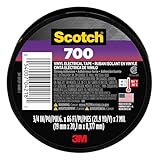
Look, I’ve been there. Staring at a frayed wire, a leaky hose, or a broken gadget, and that roll of black electrical tape just sitting there, practically begging to be used. The question ‘can i put electric tape on batter’ pops into your head because it feels like a quick fix for… well, almost anything. I’ve definitely used it for things I probably shouldn’t have in a pinch, and sometimes it’s worked out okay, and sometimes it’s been a complete disaster. Let’s cut to the chase: it’s not a magic bullet for every situation, especially when it comes to anything involving power or, believe it or not, food.
This stuff is designed for a very specific job, and trying to stretch its capabilities often leads to more problems down the line. You might be tempted to use it for insulation on a battery terminal, or maybe even to seal something that looks vaguely electrical. But what happens when you get a bit too creative with this sticky black tape? We’re going to find out.
So, What’s the Deal with Electrical Tape Anyway?
Alright, let’s talk about what electrical tape actually is. It’s not just any old tape. The stuff you grab from the hardware store with that distinctive black, rubbery feel is specifically designed to insulate electrical wires. Think of it as a temporary, flexible shield against short circuits. The primary job is to prevent electricity from escaping where it shouldn’t, especially after you’ve stripped back some insulation or made a splice. It’s made of PVC, a type of plastic, and it has a decent amount of stretch to it, which is handy for wrapping around irregular shapes. This stretchiness is key because it allows you to get a nice, tight seal that stays put.
I remember one time, trying to fix a lamp that had a nick in the cord. It was late, I didn’t have any heat shrink tubing, and the electrical tape seemed like the obvious answer.
I wrapped it around the damaged spot, thinking I was a genius. For a while, it worked! The lamp lit up, no sparks, no funny smells.
But then, a few weeks later, after the tape had been exposed to a bit of warmth from the bulb, it started to get gummy and peel away. Not only did it look terrible, but it also made me nervous about what was happening underneath. That’s the thing with electrical tape: it’s good for electrical insulation, but it’s not always the best long-term solution for everything, especially if heat or significant physical stress is involved. It’s also not waterproof in the long run, which is a surprise to many people who think ‘tape means seal.’
The common advice you’ll hear is that it’s for electrical insulation, period. And for the most part, that’s true. But then you see people using it for all sorts of non-electrical repairs. I’ve seen it holding together car parts, covering up scratches on furniture, and even used by amateur gardeners to bind plant stems. While it might hold things together temporarily, it’s often overkill or, more commonly, completely inappropriate. For example, using it to hold something together that needs structural integrity? Forget about it. It’s stretchy, not strong. The adhesive can also degrade over time, especially when exposed to UV light or extreme temperatures, leaving you with a sticky, messy residue or a failed repair.
It’s important to understand that not all electrical tapes are created equal. You’ve got your standard, everyday vinyl electrical tape, which is what most people think of. Then there are higher-performance tapes like rubber splicing tape, which is actually self-fusing and provides better insulation and waterproofing, and some specialized tapes designed for extreme temperatures or specific chemical resistance. But for the average DIYer, it’s the vinyl stuff, and its limitations are worth knowing.
Can I Put Electric Tape on Batter? Let’s Get Real.
Okay, let’s tackle the big question head-on: can i put electric tape on batter? And the straightforward, no-nonsense answer is: absolutely not. This is where things get really dicey, and the temptation to use a readily available “sealant” can lead to some seriously bad outcomes. Batter, whether it’s for baking or for any other culinary purpose, is food. Electrical tape, as we’ve just discussed, is made of PVC and contains adhesives and chemicals that are not meant for human consumption. Ingesting any part of it, or even having it come into contact with food that you’re going to eat, is a really bad idea. It’s a non-food-grade material.
Think about it from a contamination perspective. The tape itself isn’t sterile. It’s been sitting in your toolbox, probably gathering dust and who-knows-what else. Then there’s the adhesive. It’s designed to stick to plastic and rubber, not to be a food-safe sealant. If you were to try and use it to, say, seal the edge of a pie crust that’s leaking, you’re not just creating a barrier against leakage; you’re introducing foreign, potentially toxic substances into your food. Even if you’re just using it to hold something together around the batter, there’s always a risk of cross-contamination. Imagine the tape getting warm, the adhesive softening, and then a tiny bit leaching into your precious pancake mix. Yuck. (See Also: Can I Use Electrical Tape To Connect Wires )
I once saw a friend try to improvise a way to keep a cake layer from sliding off a stand. Their brilliant idea involved wrapping a bit of electrical tape around the base of the cake to secure it. They figured it wouldn’t touch the cake directly. But during the party, a piece of frosting smudged onto the tape, and someone, trying to be helpful, scraped it off and mixed it back in. It was a small amount, but the thought of that PVC and adhesive getting anywhere near food? It made my stomach churn. We ended up chucking the whole cake, just to be safe. It’s not worth the risk, no matter how much you’ve put into baking it.
The common advice here is to use food-safe materials for anything touching food. That means parchment paper, aluminum foil (if appropriate for the food type), plastic wrap, or specific food containers. If you have a leak in a baking pan or a pie, the proper fix is usually to find a better pan, or perhaps use a dough sealant if it’s a recipe issue. Electrical tape doesn’t belong anywhere near your kitchen prep. It’s designed for wires, not for your dinner plate.
Why Is Electrical Tape Not Food Safe?
The core reason electrical tape isn’t food safe is its material composition. It’s typically made from polyvinyl chloride (PVC), plasticizers, stabilizers, and flame retardants. These are all industrial chemicals. While they’re safe enough for their intended electrical application, they are not designed to be ingested or come into prolonged contact with food. The adhesive itself is also a chemical concoction that can migrate into food, especially under certain temperature conditions. There’s no regulation or testing that would deem electrical tape as food-grade. It’s a construction material, not a kitchen utensil.
Beyond the Basics: What Electrical Tape Is Good For
Now that we’ve established what it’s NOT good for, let’s talk about where electrical tape actually shines. Its primary and most important role is insulation. When you’re dealing with exposed wires on electronics, appliances, or even extension cords, and you need to prevent shocks or short circuits, this is your go-to. For temporary fixes on low-voltage wiring, it’s often perfectly adequate. I’ve used it to re-insulate the ends of speaker wires that have frayed, or to temporarily secure a wire that’s come loose inside a junction box before a proper repair.
One situation where it’s surprisingly useful is for temporary repairs on automotive wiring. If a wire harness gets damaged on your car, and you need to get it running to get to a mechanic, a good wrap of electrical tape can prevent further damage or shorts. I’ve had to do this on my old pickup truck more times than I care to admit, especially on the wiring for trailer lights. It’s not a permanent fix, mind you, but it’s effective enough to keep things functional until I could get to a proper workshop. The tape’s flexibility allows it to conform to the often-awkward shapes of automotive wiring looms.
Another common use is bundling wires together. If you have a mess of cables behind your entertainment center or computer, a few wraps of electrical tape can keep them tidy and prevent them from tangling. It’s not as neat as cable ties or Velcro straps, but it’s quick and readily available. I tend to use it for this when I just need a quick, temporary solution or when I’m testing out a new setup and might need to reconfigure the cables later.
Here’s a little trick: electrical tape is also great for marking things. If you have multiple identical cables or pipes, a colored band of electrical tape can help you identify them quickly. Black is standard, but it comes in red, blue, yellow, green, and white. I’ve used different colored bands on extension cords to denote length or gauge, saving me a lot of time and confusion when I’m setting up for outdoor events. It’s a small thing, but it makes a difference.
Finally, it can be used as a makeshift gasket or seal in non-important applications. For example, if you have a leaky connection on a garden hose that’s not under high pressure, a few wraps of electrical tape might temporarily stop the drip. It’s not ideal, and it won’t last long, especially if it’s exposed to sunlight, but in a pinch, it can save you from getting soaked while you go find the proper repair part. Just remember, this is for low-pressure, non-important situations only. Don’t expect it to hold back a geyser.
When Electrical Tape Fails (and It Will)
The biggest mistake people make is assuming electrical tape is a universal repair material. It’s not. Its adhesive can become brittle with age and exposure to UV light, making it peel off or leave a sticky residue. Heat is another enemy; prolonged exposure to warmth can make the tape soft and gummy. I once had a roll of electrical tape sitting in my car’s glove compartment through a hot summer. When I tried to use it, it was like trying to work with melted rubber. The tape stretched beyond recognition, and the adhesive stuck to everything but the surface I wanted to tape. It was a mess. (See Also: Can Electrica Tape Catch On Fire )
Also, it’s not abrasion-resistant. If you wrap a cable that’s going to be dragged or rubbed against something, the tape will wear through quickly. It’s also not waterproof in the long term; while it can provide a temporary barrier, water can eventually seep under the edges and compromise the insulation. For true waterproofing or protection against the elements, you need specialized tapes like self-fusing silicone tape or heavy-duty outdoor electrical tape.
Common Mistakes When Using Electrical Tape
One of the most frequent mistakes I see is not using enough layers. For proper insulation, you need to overlap the tape significantly with each layer. A single wrap is rarely enough to provide reliable protection. You want to build up a few layers, making sure that each new layer covers at least half of the previous one. This creates a solid, smooth barrier. Rushing this process and only doing one or two quick wraps is a recipe for failure. It’s like trying to build a wall with just a few bricks – it’s not going to hold.
Another common error is stretching the tape too much as you apply it. While electrical tape has some stretch, overstretching it can weaken the material and compromise its insulating properties. It can also cause it to snap or lose its adhesive strength. You want to apply it with just enough tension to make it conform to the shape of the wire or object, not to thin it out significantly. The goal is a snug fit, not a strained one. I learned this the hard way when trying to tape a particularly curved connector; I pulled too hard, and the tape just kept stretching and thinning until it felt like it was about to break. It didn’t insulate well either.
People also often forget about temperature. Standard vinyl electrical tape isn’t designed for extreme heat or cold. If you’re working on something that gets hot, like a motor or an appliance component, the tape can melt or degrade. If it’s extremely cold, it can become brittle and crack. Always check the tape’s specifications if you know the application will involve significant temperature fluctuations. There are specialized tapes for high-heat applications, but they’re not the cheap rolls you find at the discount store.
Finally, and this is a big one, using it on anything that carries significant power or voltage without being absolutely sure of its condition. If you have any doubt about whether the tape is adequate, or if the underlying wire is severely damaged, don’t take the chance. It’s better to call a professional electrician or replace the component entirely than to risk a shock or a fire. Electrical tape is a tool, but it’s not a substitute for proper safety precautions and professional judgment.
Electrical Tape vs. Other Tapes: A Quick Comparison
| Tape Type | Primary Use | Pros | Cons | Verdict |
|---|---|---|---|---|
| Electrical Tape (Vinyl) | Electrical insulation, wire bundling | Flexible, readily available, inexpensive | Degrades with UV/heat, not waterproof long-term, not structural | Good for low-voltage insulation and temporary fixes. NOT for food or structural repairs. |
| Duct Tape | General-purpose repair, binding | Strong adhesion, relatively durable, water-resistant (short-term) | Can leave sticky residue, not ideal for clean aesthetics, not electrically insulating | Versatile for quick fixes, but avoid for anything electrical or involving food. |
| Packing Tape | Sealing boxes, bundling | Strong adhesive, clear options available, affordable | Not very durable, poor temperature resistance, no insulation properties | Best for shipping and general packaging. Useless for electrical or food applications. |
| Gaffer Tape | Stage/film production, securing cables | Strong adhesion, clean removal, durable, good for high-traffic areas | More expensive, not designed for electrical insulation | Excellent for temporary cable management on set, but not for electrical safety. |
Real-World Applications and Practical Tips
Let’s get down to brass tacks. When can you actually rely on electrical tape? Think low-voltage DC circuits – like those in toys, remote controls, or simple household electronics where the voltage isn’t high enough to be immediately dangerous. Here, insulating a loose connection or reinforcing a frayed wire is a reasonable use. For instance, if the wire coming out of the battery compartment of a remote control has a small nick, a careful wrap of electrical tape can prevent it from shorting against the battery terminal.
Another practical tip: always buy good quality electrical tape. The cheap, no-name stuff often has weaker adhesive, less durable material, and can become brittle very quickly. Brands like 3M or Scotch (which is owned by 3M) are generally reliable. I spent about $20 on a few rolls of good quality tape recently, and it’s lasted me ages and performed much better than that bargain-pack I bought last year, which felt like paper after six months. Investing a little more upfront saves you hassle and potential safety issues later.
When you’re taping wires, make sure the area is clean and dry. Any dust, grease, or moisture will prevent the tape from adhering properly and can create pathways for electricity or water to get through. If you’re fixing a damaged cord, you might need to clean it with a bit of isopropyl alcohol first. Let it dry completely before applying the tape.
For bundling cables, don’t just wrap it around the outside. Instead, lay the tape flat and place the bundle of wires onto it, then wrap the tape around the wires. This creates a more secure bundle and uses the tape more efficiently. You can also use short strips to secure individual cables to a larger loom, creating a more organized look. It’s a small technique, but it makes your cable management look much more professional. (See Also: Can I Substitute Duct Tape For Electrical Tape )
Here’s a contrarian take: some people swear by using electrical tape to seal leaky PVC pipes. I absolutely disagree with this for anything beyond a temporary emergency fix that you’re going to replace immediately. Electrical tape isn’t designed for water pressure, and the adhesive will break down. While it might stop a drip for an hour, it’s going to fail, often spectacularly, and potentially cause water damage. Use proper pipe sealant or replacement parts for plumbing. Electrical tape’s flexibility is its downfall here; it’s too soft and stretchy to hold against constant water pressure. Stick to its intended purpose, and you’ll avoid a lot of headaches.
Faq: Your Burning Electrical Tape Questions
Can Electrical Tape Be Used on Battery Terminals?
Yes, but only for low-voltage DC batteries like those in toys or remotes, and primarily for insulation or to secure loose connections. It can prevent accidental shorts if a wire is frayed or a terminal is slightly corroded. However, it’s not a substitute for proper battery terminal protectors or corrosion inhibitors, especially in automotive applications where heat and vibration are factors.
Will Electrical Tape Hold a Broken Plastic Part Together?
For a very temporary, non-structural fix, maybe. It can hold two pieces of plastic together, but it won’t provide any real strength. The adhesive can degrade, and the tape will stretch under any significant load. If the part needs to withstand any force, you’re better off with super glue, epoxy, or a plastic welding kit.
Is Electrical Tape Safe for Use on Power Cords?
Yes, it’s designed for insulating power cords. If a power cord has minor nicks or abrasions in its outer insulation, electrical tape can be used to re-insulate it. However, if the damage is severe, exposing the internal wires, it’s much safer to replace the cord or the entire appliance rather than relying on tape alone.
Can I Use Electrical Tape to Insulate Wires in My Car?
Yes, for temporary repairs or to tidy up wiring harnesses, it can work. However, automotive environments are harsh with extreme temperatures and vibration. For permanent, reliable insulation in a car, consider using automotive-grade tape, heat-shrink tubing, or professional connectors designed for vehicles.
Does Electrical Tape Waterproof Anything?
It can provide a temporary barrier against moisture for electrical connections. However, it is not truly waterproof. Over time, especially if submerged or exposed to constant moisture, water can seep under the tape and compromise the insulation. For true waterproofing, specialized tapes like self-fusing silicone tape are a better choice.
Verdict
So, to circle back to that nagging question: can i put electric tape on batter? The answer remains a firm no. It’s a tool for electrical work, a useful one at that, but it has its limits. Trying to use it for anything outside its intended purpose, especially when it comes to food or structural integrity, is asking for trouble. Think of it like using a screwdriver to hammer a nail – it might make a dent, but it’s not the right tool for the job and you’re likely to damage both the tool and the material.
My advice? Keep a roll of good quality electrical tape in your toolbox for actual electrical repairs and wire management. But for anything else, reach for the right tool. If you’re dealing with food, use food-safe materials. If you need a strong bond, use epoxy or a proper adhesive. If you’re unsure about an electrical repair, especially with higher voltages, don’t guess. Call a professional. It’s better to spend a little extra time or money than to risk a shock, a fire, or a ruined meal.
Next time you’re tempted to grab that roll of black tape for something unconventional, pause for a second. Ask yourself if it’s really the best solution, or just the easiest one in the moment. Your future self, and your appliances (and your stomach), will thank you for it.