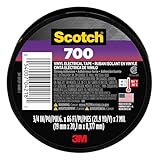
I’ve been there. Standing under a leaky sink, toolbox open, and realize I’m out of the good stuff – Teflon tape. My mind immediately jumps to that roll of black electrical tape sitting right there. It’s tape, right? It sticks. So, the burning question hits: can I use electrical tape instead of Teflon tape for those plumbing repairs? I’ve wasted enough money on products that overpromised, so I’m going to give you the blunt truth. This isn’t some corporate jargon; this is real-world, hands-on experience talking.
Most people think of tape as tape, but in the plumbing world, that’s a fast track to a waterlogged floor. Electrical tape has a job, and it’s a good one, but it’s definitely not for threads on your pipes. Let’s get into why that seemingly simple swap is a terrible idea and what you should do instead.
Why Your Electrical Tape Is Not Pipe Tape
Look, electrical tape is great for its intended purpose. Wrapping wires, insulating connections, even giving a temporary fix to a broken tool handle – it’s sticky, it’s flexible, and it does a decent job of keeping electricity where it belongs. I once used it to hold a cracked plastic casing on my old hedge trimmer together for an entire summer.
It felt secure enough. But when it comes to plumbing, and specifically to sealing threaded pipe connections, electrical tape is a non-starter. The fundamental difference lies in how they’re designed to interact with threads and the environments they’re used in. Teflon tape, also known as PTFE tape or plumber’s tape, is specifically engineered to lubricate and fill the microscopic gaps in metal or plastic threads.
This creates a watertight seal that can withstand pressure and temperature fluctuations. Electrical tape, on the other hand, is primarily an adhesive insulator.
Its adhesive isn’t designed to deform and fill gaps in the same way, and it certainly isn’t meant to be submerged in water or subjected to the pressures found in a plumbing system. The adhesive itself can break down when exposed to moisture, and the tape material isn’t dense enough to prevent water from seeping through the threads.
I learned this the hard way after a ‘quick fix’ on a garden hose bib with electrical tape resulted in a steady, embarrassing drip that turned into a small puddle. My neighbor, bless his patient soul, had to come over and show me the right way.
The core issue is material science. Teflon tape is made from polytetrafluoroethylene (PTFE), a non-reactive, low-friction material. This low friction is actually a benefit; it allows you to tighten the fitting snugly without galling the threads, while the tape itself compresses and seals. Electrical tape is usually made from PVC (polyvinyl chloride) with a rubber-based adhesive.
PVC isn’t inherently water-resistant in the way PTFE is when stretched and compressed into thread gaps, and that rubber adhesive can become gummy or brittle over time, especially with water exposure. It doesn’t have the same ‘give’ or sealing properties. I’ve seen people try to use it and end up with the tape bunching up, creating leaks rather than preventing them. It’s the wrong tool for the job, plain and simple, like trying to hammer a screw.
The temperatures and pressures in plumbing are also a factor. While electrical tape can handle some temperature range, it’s not designed for the consistent flow of hot water or the static pressure of a filled pipe. Under pressure, the adhesive can fail, or the tape can simply be pushed out of the threads.
The material can also degrade over time with constant moisture. You might get lucky for a few hours, maybe even a day if the pressure is low, but it’s a ticking time bomb for a leak.
When you’re working with pipes, especially those carrying potable water or pressurized lines, reliability is everything. A cheap roll of electrical tape might seem like a good idea at the moment, but the cost of repairing a significant leak – water damage, mold remediation, replacing damaged fixtures – far outweighs the few dollars you save by not buying the correct plumbing tape.
What Exactly Makes Teflon Tape So Special?
So, if electrical tape is out, what’s so magical about Teflon tape? It’s all about that PTFE.
This stuff is incredibly versatile because of its unique chemical and physical properties. When you wrap Teflon tape around pipe threads, you’re basically creating a soft, deformable barrier that conforms perfectly to the irregularities of the threads. It’s not just about blocking the gap; it’s about creating a smooth, continuous surface that water can’t easily penetrate. The low coefficient of friction is a huge part of its effectiveness.
When you tighten a fitting wrapped in Teflon tape, it allows the threads to slide past each other easily. This means you can achieve a much tighter seal without excessive force, which is important for preventing damage to both the threads and the fitting itself. Over-tightening is a common mistake, and Teflon tape helps mitigate that risk. I remember one particularly stubborn joint on an old cast iron pipe that refused to seal with just pipe dope.
I tried tightening it again and again, and it still weeped. Then I remembered I had some proper PTFE tape in my plumbing kit. A few wraps around the threads, and that joint tightened up beautifully and sealed instantly.
It was like night and day.
The chemical inertness of PTFE is another key factor. It doesn’t react with most chemicals, including water, common household cleaners, or even many industrial solvents. This means it won’t break down or degrade over time due to the substance it’s sealing.
This is why it’s safe to use on potable water lines. Unlike some other sealants that might leach chemicals into the water, PTFE is considered safe for food and water contact. This is something you absolutely cannot say about the adhesive on electrical tape. (See Also: Can Black Electrical Tape Be Used To Connect Wires )
Furthermore, Teflon tape is designed to handle a wide range of temperatures and pressures. It remains effective from well below freezing up to several hundred degrees Fahrenheit and can withstand pressures typically found in residential and commercial plumbing systems. This broad usability makes it the go-to choice for almost any threaded connection, from garden spigots to complex heating systems. People often ask about different thicknesses of Teflon tape – and yes, it matters.
Thicker tape is generally better for coarser threads or applications requiring a more solid seal, while thinner tape is good for finer threads or where you don’t want to add too much bulk.
There are also different grades of Teflon tape. For general plumbing, the standard white tape is usually sufficient. It’s typically 0.003 to 0.004 inches thick. For higher pressure or gas lines, you might see a denser, often pink or yellow tape, which is thicker and made specifically for those applications.
Using the wrong type can lead to its own set of problems. I once used the super-thick gas line tape on a small faucet connection because it’s what I had.
It made the fitting incredibly hard to thread on and I ended up worried I’d stripped the threads. Stick to the white stuff for most everyday plumbing unless you’re dealing with specialized systems. The ease of use is also a massive plus. It’s simple to apply, doesn’t make a mess like some pipe dopes, and if you mess up, you can often just unwind it and reapply without a huge cleanup.
That’s a big win in my book when you’re elbow-deep in a tight spot.
Common Mistakes and Why They Happen
When people reach for electrical tape instead of Teflon tape, it’s usually born out of convenience or a misunderstanding of the materials. They see ‘tape,’ they think ‘seal,’ and they grab the closest thing.
This is a classic case of ‘close but no cigar.’ The biggest mistake, of course, is the substitution itself.
But even when using the correct Teflon tape, there are common blunders that lead to leaks. One is not wrapping enough tape.
A single thin layer often isn’t enough to fill the void. I recommend at least 3-5 wraps for most standard pipe threads, depending on the thickness of the tape and the coarseness of the threads. Too few wraps, and you’ve got gaps. Too many, and as I mentioned, it can make threading difficult and potentially damage the fitting or threads.
Another mistake is wrapping the tape in the wrong direction. You always want to wrap the tape in the same direction as the threads’ pitch – that is, in the direction you’ll be tightening the fitting. If you wrap it the opposite way, the tape will bunch up and tear as you screw the fitting on, defeating the purpose.
It should look smooth and snug when you’re done, not like a rumpled mess.
Applying pipe dope or sealant over Teflon tape is another point of confusion for some. While not always necessary, many plumbers will apply a thin layer of pipe dope over the Teflon tape for an extra layer of security, especially on very high-pressure systems or certain types of fittings.
However, using excessive amounts of pipe dope can actually interfere with the seal created by the tape and might even degrade the tape over time. It’s about balance.
I’ve seen DIY jobs where pipes were absolutely caked in dope and tape, looking like a frosting disaster. That’s overkill and can cause more problems than it solves. Another common error is neglecting to clean the threads properly.
Old pipe dope, dirt, or debris on the threads can prevent both the tape and the fitting from seating correctly, leading to leaks. A quick wipe-down with a rag, or even a wire brush for stubborn gunk, is often necessary before applying any sealant. I once spent an hour trying to fix a leak only to discover a chunk of old sealant gummed up the threads. It was a humbling lesson in basic prep work.
Finally, there’s the issue of using the wrong type of tape for the job, as I touched on earlier. Using gas-rated tape on water lines or vice-versa isn’t ideal. While the gas tape might seal water, it’s overkill and can be harder to work with. For water lines, standard white PTFE tape is almost always the right choice.
Over-tightening is also a huge mistake, even with tape. You want to tighten it until it’s snug, then usually about a quarter to half a turn more. (See Also: Can Duct Tape Be Used Instead Of Electrical Tape )
Forcing it beyond that point can crack fittings, strip threads, or compress the tape too much, making it ineffective. It’s a feel thing you develop with practice. If you’re unsure, it’s always better to err on the side of slightly less tight and check for leaks, then tighten a bit more if needed, rather than immediately cranking on it with all your might.
| Material | Primary Use | Sealing Ability on Threads | Water Resistance | Temperature/Pressure Tolerance | Verdict |
|---|---|---|---|---|---|
| Electrical Tape (PVC) | Electrical insulation | Poor | Moderate (adhesive can fail) | Low to Moderate | Absolutely Not for Plumbing |
| Teflon Tape (PTFE) | Thread sealing (plumbing) | Excellent | Excellent | High | The Standard for a Reason |
Real-World Applications and When to Use What
So, where does electrical tape shine, and where does Teflon tape belong? Electrical tape is fantastic for anything involving electrical wiring. Think about joining wires together before putting on a wire nut, insulating a frayed cord, or temporarily securing a loose wire cover. I’ve used it to hold the insulation on the cable of my lawnmower after it chafed against the frame.
It kept the wires safe and prevented a short circuit until I could get a proper repair kit. It’s also surprisingly useful for non-plumbing household fixes.
Need to keep a battery compartment cover from sliding open on a remote? Electrical tape. Need to temporarily mend a broken broom handle where the plastic grip has split? Electrical tape.
It’s that go-to for quick, non-important fixes where you need something sticky and insulating. I even used a piece to hold a loose car trim piece on once for a few weeks until I could get to the auto shop; it held surprisingly well, though I wouldn’t rely on it for anything structural.
Teflon tape, on the other hand, is your best friend for any threaded pipe connection. This includes water supply lines for faucets, toilets, dishwashers, washing machines, and shower heads.
It’s also used on gas lines (though you’ll need the specific yellow or pink tape for that, as it’s denser and formulated for gas). Any time you’re screwing two pieces of threaded pipe or a pipe into a fitting – like connecting a garden hose to an outdoor spigot, installing a new shower arm, or replacing a leaky pipe under the sink – Teflon tape is the material to use. I recently replaced an old, corroded shower valve.
The new valve had threaded connections that needed sealing. I carefully wrapped the threads with white Teflon tape, making sure I went in the correct direction, and the new valve went on without a single drip.
It’s satisfying when a job goes smoothly, and the right materials make all the difference. It’s also great for air compressor fittings, although many of those come with rubber gaskets that are the primary seal, with tape sometimes used as a secondary precaution.
The key is understanding the environment and the forces involved. Electrical tape relies on its adhesive to stick to smooth surfaces. It’s not designed to be stretched, compressed, and held under constant pressure in a wet environment.
Teflon tape, however, is designed to deform and fill the microscopic gaps in threads, creating a seal that’s maintained by the compression of the fitting. It’s lubricant properties help achieve the necessary compression without damaging the threads.
So, if you’re dealing with anything that carries fluid or gas under pressure and has threaded connections, reach for the Teflon tape. For anything electrical, or for minor, non-pressurized household fixes where you just need something to stick, electrical tape has its place. Just never, ever mix them up for pipe threads.
People Also Ask: Can You Use Electrical Tape Instead of Teflon Tape?
Can You Use Electrical Tape on Pvc Pipe Fittings?
No, you absolutely cannot use electrical tape on PVC pipe fittings for sealing connections that will carry water or any fluid. PVC fittings rely on solvent cement for a permanent, watertight bond. Electrical tape has no adhesive properties suitable for sealing threaded PVC joints and will fail, leading to leaks. Electrical tape is for insulating electrical wires, not for plumbing.
Is Electrical Tape Waterproof?
While the PVC material of electrical tape is somewhat water-resistant, the adhesive layer is not typically designed for prolonged submersion or high-pressure water exposure. Water can seep under the edges of the tape, degrading the adhesive and compromising the seal. It’s not considered waterproof in the way a plumbing sealant needs to be.
What Can I Use If I Don’t Have Teflon Tape?
If you don’t have Teflon tape, the best alternative is pipe joint compound (also known as pipe dope). It’s a paste applied to the threads that fills gaps and lubricates the threads for a good seal. Make sure you get pipe dope specifically designed for the type of plumbing you’re working on (e.g., water, gas). There are also other thread sealants available, but pipe dope is the most common and effective substitute for Teflon tape in a pinch.
My Contrarion Take: When ‘good Enough’ Might Be Too Risky
Everyone says electrical tape is for wires and Teflon tape is for pipes. And for the most part, they are absolutely right. But I’ve heard some folks argue that for a very low-pressure, temporary fix on something non-important, electrical tape might work in a pinch.
I disagree, and here’s why: the risk versus reward is completely skewed. Let’s say you’re trying to seal a garden hose connection that’s just trickling. You might think, “What’s the harm?” The harm is that even a small leak can cause water damage over time, encourage mold growth, or just be an annoying constant drip. Moreover, relying on a substandard fix can lead to bigger problems down the line.
The fitting might corrode differently, or when you eventually go to fix it properly, the tape might have degraded and made a mess. My personal contrarian thought is that there are very few situations where the risk of using electrical tape on plumbing outweighs the benefit of getting the right material. Even a cheap roll of Teflon tape costs a couple of bucks and is available at almost any hardware store or even many supermarkets. It’s not an expensive or hard-to-find item. (See Also: Can Electrical Tape Prevent Sparks )
I’ve seen people try to use electrical tape on the threads of a sprinkler head connection, and it lasts maybe a season, if that, before it starts leaking and spraying everywhere. You’re just delaying the inevitable and potentially making the actual repair more difficult.
The argument for ‘good enough’ often comes from a place of not having the right tools or materials immediately available. I get it. I’ve been in that situation.
But my experience has taught me that ‘good enough’ in plumbing often translates to ‘a bigger problem later.’ The adhesive on electrical tape isn’t designed to be water-resistant long-term. It can break down, get gummy, and wash away, leaving you with a worse leak than you started with. The PVC material itself isn’t meant to be compressed into thread gaps to form a seal; it just doesn’t have the same yielding properties as PTFE. So, while you might get a few hours or a day of dryness, you’re setting yourself up for a failure that could be more costly and more time-consuming to fix than if you’d just bought the right tape in the first place.
It’s the same reason you wouldn’t use duct tape to hold your car’s exhaust pipe together – it might work for a little while, but it’s not designed for that stress and heat, and the failure can be dramatic.
Furthermore, if the connection involves drinking water or any water that comes into contact with food preparation, using electrical tape is also a health concern. The adhesives and chemicals in electrical tape are not food-grade and could potentially leach into the water. Teflon tape, being inert PTFE, is safe for potable water. So, even if you think it’ll ‘hold,’ you’re potentially compromising the safety of your water supply. My advice? Don’t even consider it. It’s a false economy and a gamble with your plumbing that you’re likely to lose. The correct tool, or in this case, the correct tape, is almost always worth the small investment. It’s about doing the job right, not just doing it quickly.
Practical Tips for Using Plumber’s Tape Correctly
Applying plumber’s tape (Teflon tape) isn’t rocket science, but a few simple techniques make a big difference. First, clean your threads. Use a rag to wipe away any old sealant, dirt, or debris. For stubborn gunk, a wire brush can be helpful, but be gentle so you don’t damage the threads.
Make sure the threads are dry before you start wrapping. Next, identify the direction of the threads.
Most pipes have right-hand threads, meaning they tighten when turned clockwise. You want to wrap the tape in the same clockwise direction.
This is important because as you tighten the fitting, the tape will get pulled tighter into the threads, creating a seal. If you wrap it the wrong way (counter-clockwise), the tape will bunch up and tear as you screw the fitting on, rendering it useless.
Start wrapping the tape about one or two threads away from the end of the pipe. Overlap the tape slightly. For standard pipe sizes, 3 to 5 wraps are usually sufficient. For coarser threads or higher pressure applications, you might need more.
Pull the tape taut as you wrap; it should lie flat against the threads. Don’t let it fold or wrinkle. Once you’ve completed your wraps, gently press the tape into the threads with your finger. This helps it conform and adhere.
Trim off any excess tape with a sharp knife or razor blade if it looks like it might interfere with the fitting seating. When you screw the fitting on, it should thread smoothly. If it feels like it’s binding or difficult to turn, you might have used too much tape, or you may have wrapped it incorrectly.
Don’t force it; back it off and try again. I always keep a small roll of Teflon tape in my car’s emergency kit and another in my bike bag – you never know when a quick plumbing fix might be needed, even miles from home.
A good rule of thumb is to have a dedicated plumbing repair kit. Mine includes a variety of sizes of Teflon tape, pipe dope, a pipe wrench, an adjustable wrench, a basin wrench, Teflon thread sealant for sensitive applications, and some spare fittings. Having the right materials readily accessible saves a lot of headaches and prevents you from even contemplating using electrical tape for plumbing.
It’s about being prepared. My first real plumbing disaster involved a burst pipe under the house during a cold snap. I was scrambling in the dark, freezing, and all I had was some old, brittle electrical tape.
It was a mess. Now, I’m religious about keeping good supplies on hand.
It’s a small investment for peace of mind and to avoid costly water damage.
Verdict
So, to put it plainly, can I use electrical tape instead of Teflon tape? No. Just don’t. It’s a recipe for leaks, water damage, and a whole lot of frustration. Electrical tape has its uses, but sealing pipe threads isn’t one of them. Stick to what works, and that means Teflon tape or pipe joint compound for plumbing connections. I’ve learned the hard way that cutting corners on materials for plumbing jobs almost always costs more in the long run.
If you’re in a bind and don’t have plumber’s tape, your best bet is to make a quick trip to the store and get the right stuff. Pipe joint compound is the next best option. Anything else is just asking for trouble. Remember, a few dollars saved on tape is nothing compared to the cost of repairing water damage or calling in a professional plumber to fix a botched job.
My advice is simple: buy the right tool for the job. Keep a roll of Teflon tape in your toolbox, your car, your RV – wherever you might need it. It’s cheap, effective, and will save you from a potential plumbing disaster. Don’t let a leaky pipe turn into a flood; use the correct materials every time.