I remember staring at that frayed cord on my old toaster oven, sparks threatening to fly every time I plugged it in. My first thought was, ‘Can I use electrical tape on exposed wires to fix this?’ It seemed like the quick, cheap solution. Back then, I’d buy any old roll of tape thinking it’d save the day. Spoiler alert: it often didn’t.
Years of fiddling with everything from extension cords to car wiring have taught me a thing or two. Not all tape is created equal, and slapping any old thing on live wires is just asking for trouble. So, let’s cut to the chase: is electrical tape the magic bullet for exposed wires, or is it more of a temporary band-aid that can bite you later?
The Truth About Electrical Tape and Exposed Wires
Look, the short answer to ‘can I use electrical tape on exposed wires?’ is: yes, you can, but it’s often not the best or safest idea. Electrical tape is designed for electrical insulation, but it has its limits, and those limits are important. Think of it like using a paper towel to patch a leaky pipe – it might work for a minute, but it’s not a long-term fix and could make things worse.
When you see exposed wires, it means the protective sheath has been damaged. This sheath, usually made of rubber or plastic, is there to prevent the conductive metal wire from touching anything else, including you, or short-circuiting. Electrical tape, when applied correctly, creates a barrier. It’s made from vinyl, which is a good insulator, and it’s stretchy enough to wrap around irregular shapes.
My first real ‘uh-oh’ moment came with a lamp that had a frayed cord near the base. I grabbed a roll of cheap, generic tape I’d picked up at the dollar store. I wrapped it around, feeling pretty smug about my DIY skills. A few weeks later, during a humid spell, I noticed a weird smell. Turns out, that cheap tape had absorbed moisture and started to break down, and a tiny spark jumped from the exposed wire to the metal lamp stand. Thankfully, it was a low-voltage circuit, and I just blew a fuse. But it was a stark reminder that not all electrical tape is created equal, and even good tape has its place.
The common advice you’ll find everywhere is that electrical tape is for low-voltage applications and temporary fixes. And that’s mostly true. For something like a loose wire inside an appliance that’s unplugged, or a small nick in a cord that you plan to replace soon, it can serve a purpose. But I’ve seen people try to use it on main power cords, in damp environments, or on wires that are constantly being flexed. That’s where you’re asking for trouble. The tape can dry out, crack, lose its stickiness, or simply not provide enough insulation for the voltage or current involved.
Here’s the thing: electrical tape is a vinyl tape with specific electrical properties. It’s designed to resist moisture, abrasion, and UV light to some extent, but it’s not indestructible. It’s flexible, which is a plus for wrapping, and it’s self-extinguishing, meaning it won’t readily catch fire. However, it’s not as solid as the original insulation or specialized repair materials. So, while it’s better than no insulation at all, it’s often a step down from what was there originally.
When you’re deciding if electrical tape is the right move, ask yourself: what is the voltage of the circuit? How much is this wire going to be moved or stressed? Is this a permanent fix or a temporary patch? If the answer to any of those involves high voltage, constant movement, or a long-term solution, you’re probably better off looking elsewhere.
What to Look for (and What to Avoid) in Electrical Tape
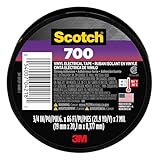
So, if you are going to use electrical tape, what makes one roll better than another? It’s not just about the color. You want tape that’s designed for the job. The gold standard, and what most pros use, is 3M Super 33+ or Super 88. These aren’t your dollar-store finds. They’re thicker, more durable, and have much better adhesion and insulation properties.
I remember buying a pack of generic electrical tape once, thinking I was being frugal. It was incredibly thin, and the adhesive was weak. It felt like wrapping a piece of colored plastic wrap around the wire. Within a month, it was peeling off, and the wire was still exposed, looking sad and neglected. That experience cost me more in time and frustration than if I’d just bought a decent roll upfront. I ended up having to redo the repair with proper tape anyway, and I learned that skimping on materials, especially for electrical work, is a false economy.
When you’re at the hardware store, look for these key features: (See Also: Can I Use Electrical Tape To Connect Wires )
- Thickness: Thicker tape provides better insulation and is more durable. Cheaper tapes are often very thin.
- Adhesion: It needs to stick well and stay stuck, even in varying temperatures.
- Flexibility: It should be able to stretch and conform to the shape of the wire without cracking.
- Insulation Rating: Reputable brands will often state the voltage rating. Look for something that can handle at least 600V.
- Flame Retardancy: Most good electrical tapes are flame retardant, meaning they won’t easily catch fire.
What you absolutely want to avoid is any tape that feels flimsy, brittle, or has a weak adhesive. If the tape feels like it’s going to crack when you stretch it, or if it leaves a gummy residue after a short time, it’s garbage. Also, steer clear of tapes that aren’t specifically labeled as ‘electrical tape’. Duct tape, masking tape, packing tape – none of these are designed for electrical insulation and can actually be dangerous. Duct tape, for instance, can conduct electricity through its adhesive and fibers, and it degrades quickly when exposed to heat or solvents.
I once saw someone try to fix a car headlight wire with what looked suspiciously like painter’s tape. The heat from the bulb melted it, the adhesive ran everywhere, and it shorted out the entire headlight system. Cost them a bundle to get it fixed properly. Lesson learned: stick to what’s made for the job. For electrical work, that means proper electrical tape, not just any old roll from the junk drawer.
Common Mistakes When Using Electrical Tape
The biggest mistake people make is thinking electrical tape is a permanent fix. It’s not. It’s a temporary insulator, meant to provide a barrier until a proper repair can be made or the component can be replaced. This is where many DIYers go wrong, leading to potential hazards down the line. I’ve been guilty of this myself, telling myself, ‘I’ll get to it next weekend’ and then forgetting about it for months.
Another huge mistake is not cleaning the wire surface before applying the tape. Grease, dirt, or old adhesive residue will prevent the tape from sticking properly, leading to premature failure. You wouldn’t paint over a dirty wall, right? Same principle applies here. A clean surface is key for good adhesion.
Here’s a breakdown of common blunders:
- Overlapping improperly: You need to overlap each layer of tape by at least half of its width to make sure a continuous, smooth insulating barrier. Leaving gaps or not overlapping enough creates weak points.
- Stretching the tape too much: While electrical tape is stretchy, overstretching can weaken it or cause it to snap back, leaving gaps. Apply it with firm, even tension, but don’t pull it to its breaking point.
- Not extending the tape onto the intact insulation: When repairing a nick or exposed section, you need to extend the tape at least an inch or two onto the good, intact insulation on either side of the damaged area. This seals the repair and prevents moisture from creeping in.
- Using it in high-heat or high-moisture environments: Standard electrical tape has limitations. If the repair is in an engine bay, near a heat source, or in a consistently damp location, you need specialized tape or other repair methods.
- Applying to live wires: This should go without saying, but I’ve heard stories. ALWAYS disconnect power before attempting any electrical repair. Even a slight shock can be dangerous.
I once tried to fix a garden pump that had a frayed cord where it met the plug. It was outdoors, exposed to the elements. I used what I thought was good electrical tape, but it was a humid summer, and the moisture eventually wicked into the tape, causing the pump to short out. I ended up having to replace the entire cord and plug assembly. That’s when I learned that environmental factors are just as important as the tape quality itself.
My contrarian take? Some people advocate for using heat-shrink tubing for almost every wire repair. And yes, it’s often superior. But there are times when heat-shrink isn’t practical – like a quick, temporary fix on a cord that’s about to be replaced anyway, or when you don’t have the right size tubing or a heat gun handy. In those specific, limited scenarios, good quality electrical tape can be a lifesaver, provided you understand its limitations and apply it correctly.
When Electrical Tape Is Actually a Decent Option
Despite all the warnings, there are situations where electrical tape is a perfectly acceptable tool. These are typically low-risk, low-voltage scenarios where the repair is temporary or the wires aren’t subjected to harsh conditions. Think of it as a tool in your toolbox, not the whole toolbox itself.
The most common and appropriate use is for insulating minor nicks or abrasion on low-voltage wiring. For example, the wires inside a lamp, a small appliance that’s unplugged, or even the wiring harness of a bicycle light. If a wire has a small scrape but the conductor isn’t significantly exposed, a few wraps of good quality electrical tape can provide sufficient insulation to prevent accidental contact.
Here’s a quick rundown of when it’s usually okay: (See Also: Can Electrica Tape Catch On Fire )
- Low Voltage: Think battery-powered devices, speaker wire, or lamp cords that plug into standard household outlets (though even these can carry a shock risk). Anything above 120V or 240V requires more caution.
- Dry Locations: Avoid using it in areas prone to moisture, humidity, or water exposure.
- Minimal Physical Stress: The wires shouldn’t be constantly bent, pulled, or rubbed against surfaces.
- Temporary Fixes: If you’re planning to replace the wire or component soon, electrical tape can buy you some time.
- Bundling Wires: It’s often used to keep bundles of wires neat and organized, which is a legitimate use.
I’ve used good electrical tape to temporarily secure a loose wire on my lawnmower’s ignition system before I could get it to the shop. It wasn’t ideal, but it stopped the wire from shorting out against the metal chassis, and it got me through the rest of the mowing season. That’s the kind of scenario where it shines – a specific, limited problem where a proper fix isn’t immediately available but a temporary barrier is needed.
It’s also important to distinguish between ‘electrical tape’ and other tapes. I’ve seen people try to get away with using vinyl tape that isn’t rated for electrical use, or even worse, duct tape. Duct tape is a terrible choice for electrical insulation; it’s not designed for it, it doesn’t have the right dielectric strength, and it can degrade and become conductive over time. Electrical tape, specifically, is made of vinyl and has a strong adhesive that maintains its properties across a range of temperatures. Always check the packaging to make sure it’s rated for electrical insulation.
For truly demanding applications, like automotive wiring harnesses that are constantly vibrated and exposed to oil and fuel, or high-voltage industrial equipment, you’ll need more specialized materials like self-fusing silicone tape or high-temperature vinyl tapes.
Alternatives to Electrical Tape for Exposed Wires
So, if electrical tape isn’t always the best answer to ‘can I use electrical tape on exposed wires?’, what else can you do? Luckily, there are several better alternatives, depending on the situation. These often provide a more durable, safer, and longer-lasting repair.
My go-to for a more permanent fix is heat-shrink tubing. You buy it in various diameters, slide it over the wire before you splice or connect, and then heat it with a heat gun or even a lighter (carefully!). It shrinks down tightly, creating a very durable, waterproof, and insulated seal. It looks professional, and it holds up way better than electrical tape in most situations. I’ve used heat-shrink tubing on everything from speaker wires to wiring in my old car, and it’s never let me down.
Another excellent option is liquid electrical tape. This is a rubber-based sealant that you brush or dip onto the exposed wires. It dries to form a flexible, insulated coating. It’s fantastic for irregular shapes or when you need a really watertight seal. It takes longer to dry than electrical tape, but the result is often superior, especially in damp environments. I used liquid electrical tape on a corroded battery terminal connection, and it sealed it up perfectly, preventing further corrosion.
Here’s a quick comparison:
| Method | Pros | Cons | My Verdict |
|---|---|---|---|
| Electrical Tape (Good Quality) | Inexpensive, flexible, easy to apply for quick fixes. | Temporary, can degrade, not ideal for high stress or heat. | Okay for very minor, temporary fixes on low-voltage, dry applications. |
| Heat-Shrink Tubing | Durable, waterproof, professional look, excellent insulation. | Requires heat source, specific sizes needed, slightly more effort. | My preferred method for permanent, reliable repairs. |
| Liquid Electrical Tape | Forms a smooth, waterproof seal, good for irregular shapes. | Dries slowly, can be messy if not applied carefully. | Excellent for sealing connections in potentially damp areas. |
| Wire Nuts/Connectors | Designed for joining wires securely, easy to use. | Not for covering exposed wire insulation; used for splicing. | Key for joining wires, but not for insulating exposed sections. |
For joining wires together, the proper method is to use wire nuts or crimp connectors. Electrical tape should never be used as the sole means of joining two wires. Once wires are joined with a connector, you might then use electrical tape or heat-shrink tubing to insulate the connector itself, but the connection must be made with a proper mechanical or crimped joint.
So, while electrical tape has its place, don’t let it be your only solution. Explore these alternatives for a safer and more solid repair.
Practical Tips for Using Electrical Tape Safely
If you’ve assessed the situation and decided that good-quality electrical tape is the best (or only) option available for a temporary fix, here are some practical tips to make sure you’re doing it as safely and effectively as possible. Remember, this is about mitigating risk, not eliminating it entirely. Safety first, always. (See Also: Can I Substitute Duct Tape For Electrical Tape )
First and foremost, always turn off the power at the breaker or unplug the device before you even think about touching exposed wires. I cannot stress this enough. I’ve heard horror stories of people getting shocked trying to do a quick fix, and it’s just not worth it. A few minutes spent finding the breaker can save you a trip to the hospital.
Here’s my quick checklist for applying electrical tape:
- Identify the Problem: Figure out exactly where the insulation is damaged and how severe the exposure is.
- Disconnect Power: Absolutely important. Double-check that the power is off.
- Clean the Area: Wipe down the wire and the surrounding intact insulation with a clean cloth. Remove any dirt, grease, or old tape residue.
- Choose Quality Tape: Use a reputable brand like 3M Super 33+ or 88. Don’t skimp here.
- Wrap Properly: Start wrapping the tape from the intact insulation, moving towards the exposed section. Overlap each wrap by at least half the tape’s width.
- Extend Beyond Damage: Make sure the tape extends at least an inch or two onto the undamaged insulation on both sides of the exposed area.
- Apply Even Tension: Wrap the tape firmly but without overstretching. You want it snug, not snapping.
- Multiple Layers: Apply at least 2-3 layers for adequate insulation.
- Smooth It Out: Press down firmly on the tape to make sure it’s smooth and adheres well, removing any air bubbles.
- Consider a Temporary Label: If it’s a temporary fix, mark the area with a note or tag indicating it needs permanent repair soon.
I learned the hard way about the importance of extending the tape. I had a small abrasion on a car antenna cable, and I only taped over the exposed bit. It worked okay for a while, but eventually, moisture got under the edge of the tape and started corroding the wire. If I had extended the tape further onto the undamaged part of the cable, it would have created a better seal and likely lasted much longer. The lesson was that sealing the edges is as important as covering the damage itself.
This is why I’m not a huge fan of the idea of using electrical tape as a permanent solution for anything beyond very minor, low-risk situations. While it can work, it’s inherently less reliable than proper insulation methods. Think of it as a temporary bandage. You wouldn’t consider a bandage a permanent solution for a deep cut, would you?
Why Is Electrical Tape Sticky?
Electrical tape is made from a vinyl backing coated with a specific type of rubber-based adhesive. This adhesive is formulated to provide strong adhesion to various surfaces, remain flexible over a range of temperatures, and resist moisture and chemicals. The vinyl backing itself is a good electrical insulator, preventing the flow of current.
Can I Use Electrical Tape on a Hot Wire?
Absolutely not. You should never attempt to apply electrical tape to a hot wire. Always disconnect the power source at the breaker or by unplugging the device before working on any electrical wiring. Working with live wires is extremely dangerous and can lead to severe electric shock or electrocution.
How Many Layers of Electrical Tape Should I Use?
For adequate insulation and protection, it’s generally recommended to use at least 2 to 3 layers of good quality electrical tape. Each layer should overlap the previous one by at least half its width to create a smooth, continuous barrier. Extending the tape onto the intact insulation on either side of the damaged area is also important.
Is Electrical Tape Waterproof?
Good quality electrical tape is water-resistant, meaning it can repel moisture to a certain extent. However, it is not entirely waterproof. Prolonged exposure to water or high humidity can cause the tape to degrade, lose its adhesion, and potentially allow moisture to reach the wires underneath. For truly waterproof applications, other materials like self-fusing silicone tape or specialized waterproof connectors are better choices.
Verdict
So, to circle back to the original question: can I use electrical tape on exposed wires? Yes, you can, but understand its limitations. It’s a temporary fix, a stop-gap measure for minor issues on low-voltage circuits in dry conditions. I’ve done it, and it’s saved my bacon a few times when I was in a pinch. But I’ve also seen and experienced the downsides when it’s relied upon for too long or in the wrong situation.
My advice? If you have exposed wires, especially on anything that carries significant power or is used frequently, consider it a sign that a proper repair is needed. Reach for heat-shrink tubing or liquid electrical tape for a more solid solution, or at the very least, make sure you’re using the best quality electrical tape and applying it perfectly for a short-term patch.
Don’t let a flimsy roll of tape be the weakest link in your electrical system. It’s a tool, not a miracle cure. Make sure you’re using it wisely, and when in doubt, always call in a professional or opt for a more permanent, reliable repair method.