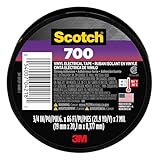
The other day, my vacuum cleaner’s hose decided to develop a rather embarrassing split. Right when I had company coming over, naturally. My first thought, in a moment of sheer panic and cheapness, was: can I use electrical tape on a vacuum cleaner? I mean, it’s tape, it’s black, it’s supposed to be for wires, so it’s gotta be strong, right? Turns out, the answer is a bit more complicated than a simple yes or no. This isn’t about fancy gadgets; it’s about keeping your dirt-sucking machine alive without emptying your wallet.
We’ve all been there. Something breaks, you don’t want to buy a whole new one, and you look around for a quick fix. Electrical tape often comes to mind because it’s ubiquitous in toolboxes and garages. But is it the right tool for this particular job? Let’s get real about vacuum cleaner repairs and what actually holds up.
Why You Might Be Thinking About Tape for Your Vacuum
Look, nobody wants to be patching up their vacuum cleaner. But let’s face it, these things aren’t exactly cheap, and sometimes a small problem feels like a death sentence for the whole machine. When that hose cracks or a plastic handle snaps, your brain immediately goes to the cheapest, fastest solution. Electrical tape is often the go-to because it’s designed to insulate and hold things together, and it’s usually black, which can blend in somewhat with vacuum cleaner parts. It’s flexible, sticks reasonably well, and most importantly, it’s cheap. You probably have a roll of it lying around somewhere. I know I always do.
I remember one time, my old Hoover’s main power cord started fraying right near the plug. My first instinct was to grab the electrical tape and wrap it up.
It felt like a responsible thing to do – preventing further damage, right? I was so proud of my quick fix. But then, a few weeks later, while I was vacuuming the living room, I noticed a weird smell.
Turns out, the tape hadn’t held up to the flexing of the cord and the heat generated by the motor. It had started to peel, and a bit of the wire was exposed again. That’s when I learned that not all tape is created equal, and sometimes a quick fix can lead to a bigger problem down the line.
This experience really made me question my go-to solutions for minor appliance repairs.
The appeal is obvious: it’s a DIY solution. You don’t need to be a repair whiz. You can probably fix that annoying rattle or that loose bit yourself in under five minutes. It’s about extending the life of your appliance and avoiding the hassle and expense of replacement or professional repair. We’re talking about dust bunnies and pet hair here, not brain surgery. So, the idea of using something as simple and readily available as electrical tape to keep your vacuum humming along is incredibly tempting. It feels like a small victory against planned obsolescence, or at least against the inevitable wear and tear that happens when you’re constantly sucking up the mess of life.
The Reality Check: What Electrical Tape is For
Let’s be blunt. Electrical tape is designed for one primary purpose: insulating electrical wires. It’s made of vinyl, and it’s got good stretch and adhesion, yes, but its main job is to prevent electrical shock and short circuits. It’s not designed for structural repairs, extreme temperatures, or constant flexing under mechanical stress. Think about it: wires generate heat, and the tape needs to withstand that without melting or losing its stickiness. It also needs to be flexible enough to wrap around irregular shapes without cracking. (See Also: Can I Use Electrical Tape To Connect Wires )
When you try to use it on something like a vacuum cleaner hose, you’re asking it to do a job it was never meant for. Vacuum hoses are constantly being bent, twisted, and pulled. They’re often exposed to impacts, dust, and debris. Electrical tape might hold for a little while, maybe even a few weeks if you’re lucky, but it’s going to degrade. The adhesive can break down, the vinyl can become brittle, and it will likely start peeling off or cracking, leaving you with the same problem, or worse, a messier one.
I’ve seen people use electrical tape for all sorts of things it shouldn’t be used for. I once saw a guy use it to hold together a cracked car bumper. It looked ridiculous, and I guarantee it didn’t last through the first pothole. The common advice you hear is to use duct tape for almost anything, but even duct tape has its limits, and electrical tape has even more specific ones.
It’s like using a screwdriver as a pry bar – you might get it to work, but you’re going to damage both the tool and the object you’re working on. It’s a temporary patch, not a permanent fix, and for a vacuum cleaner part that takes a beating, it’s usually a bad bet.
Can You Use Electrical Tape on a Vacuum Cleaner? The Verdict
| Application | Electrical Tape Verdict | Why? |
|---|---|---|
| Minor hose split (temporary fix) | Maybe, but don’t count on it | Might hold for a short period, but flex and stress will likely cause it to fail. |
| Cracked plastic housing (non-moving part) | Poor | Low adhesion and flexibility issues mean it will likely peel or crack. |
| Reinforcing a weak handle | Bad idea | It’s not strong enough to provide structural support. |
| Securing loose wiring inside the vacuum | Okay (with caution) | Its intended purpose is electrical insulation, but make sure the area isn’t hot or subject to movement. |
| Sealing air leaks on the hose | Not recommended | Adhesive won’t hold under constant suction/pressure. |
So, to directly answer the question: can I use electrical tape on a vacuum cleaner? Technically, yes, you can wrap it around a part. But the real question is, should you, and will it actually work effectively? My honest opinion, based on years of wrestling with broken appliances, is usually no, not for anything that requires durability or structural integrity. Electrical tape is designed to be a good insulator, but it’s not a miracle adhesive for everything that needs holding together on a machine that vibrates, flexes, and gets knocked around.
Think about the forces at play. Your vacuum cleaner hose is under constant suction. If there’s a crack, the tape needs to create a perfect seal while also withstanding that pull.
Electrical tape’s adhesive isn’t formulated for that kind of continuous vacuum or pressure. It’s more for wrapping wires where the primary stress is the electrical current and ambient temperature, not physical manipulation. The same goes for any plastic parts that might be cracked.
The tape will stick for a bit, but the underlying plastic is still broken, and the tape isn’t strong enough to bridge that gap reliably. I learned this the hard way with a broken attachment wand that I tried to reinforce. It looked okay for about a week, then snapped clean off while I was trying to vacuum under the sofa. Total fail.
The one area where electrical tape might be semi-appropriate is if you have a frayed power cord and you need to temporarily insulate a small section. Even then, it’s a stopgap measure. You should be looking to replace the cord or the entire vacuum if the cord is significantly damaged. Using electrical tape to fix a major structural issue or a part that experiences a lot of movement is just asking for trouble. It’s like putting a Band-Aid on a broken bone – it doesn’t address the root cause and won’t provide the necessary support. (See Also: Can Electrica Tape Catch On Fire )
When a Dedicated Repair Might Be Necessary
If your vacuum cleaner has a significant crack in the hose, a broken attachment, or a damaged housing, you’re probably past the point where simple tape will do any good. In these situations, you have a few options, and none of them involve your leftover roll of electrical tape sitting in the junk drawer. First, check if the part is replaceable. Most vacuum cleaner manufacturers offer replacement hoses, wands, or canisters for their popular models. This is usually the best and most durable solution. It might cost a bit more upfront, but you’re getting a part specifically designed for your machine.
I remember when the handle on my Dyson upright finally gave up the ghost. It snapped right at the base. My first thought was, ‘Can I rig this with something?’ But then I realized how much force you put on that handle when you’re pushing and pulling the vacuum. Electrical tape would have been useless, and frankly, dangerous if the whole thing just fell apart mid-clean. I ended up finding a replacement handle online for about $75. It wasn’t cheap, but it was way less than a new vacuum, and it snapped right on. The machine felt solid again, and I knew it would last.
Another option, especially for older or more expensive vacuums, is to look for specialized repair kits. Some companies sell patches or adhesives specifically designed for vacuum hoses or plastic parts. These are formulated to withstand the stresses and environmental conditions of a vacuum cleaner. If you’re handy, you might even be able to find DIY repair guides online that suggest specific epoxies or plastic welding techniques. These methods, while requiring more effort and potentially some specific tools or materials, are far more likely to provide a lasting repair than any kind of tape. It’s about using the right tool for the job, and sometimes that means going beyond the quick and dirty fix.
Alternatives to Electrical Tape That Actually Work
So, if electrical tape isn’t the answer, what is? If you’re still looking for a tape-like solution or something that’s relatively easy to apply, you’ve got better options. For hose repairs, heavy-duty flexible repair tape is the way to go. Brands like Gorilla Tape or Flex Tape are designed to be waterproof, flexible, and incredibly strong. They can adhere to a variety of surfaces and withstand significant stress. I’ve used Gorilla Tape to patch a split in a garden hose, and it held up perfectly through a whole summer of being coiled, uncoiled, and blasted with water. I suspect it would do a much better job on a vacuum hose than electrical tape.
Another option, particularly for reinforcing plastic parts or creating a more solid seal, is a strong epoxy or a two-part adhesive. These create a chemical bond with the plastic, offering much greater strength than tape alone. You’ll need to clean the area thoroughly, sand it lightly for better adhesion, and apply the epoxy according to the product instructions. It takes a bit more time and precision, but the result is usually a repair that’s as strong, if not stronger, than the original part.
For cracks in plastic housings, a good quality plastic epoxy can be a lifesaver. I used a JB Weld product once to fix a broken hinge on a plastic storage bin, and it’s still holding strong after years of use. That kind of bond is what you need for a vacuum cleaner.
Then there’s heat-shrink tubing, which is another product similar in purpose to electrical tape but often offers a more durable and professional-looking finish, especially for cord repairs. You slip the tubing over the damaged area, then use a heat gun to shrink it down, creating a tight, protective seal. It’s fantastic for reinforcing frayed cords or sealing minor gaps. It’s not a structural fix for a hose, but for wiring, it’s a step up from electrical tape. The key is understanding the stress and environment the repair will face. For a vacuum cleaner, that often means flexibility, durability, and resistance to suction and physical impact.
When to Just Buy a New Vacuum Cleaner
Let’s be real. Sometimes, no amount of tape, epoxy, or DIY ingenuity is going to save your beloved vacuum cleaner. If the motor is making alarming grinding noises, if it’s lost all suction power, or if the main body is so cracked and broken that it looks like a jigsaw puzzle, it’s probably time to let it go. Trying to patch up a fundamentally failing machine is often a waste of time and money that could be better spent on a new one. (See Also: Can I Substitute Duct Tape For Electrical Tape )
I’ve been guilty of trying to resurrect dead appliances one too many times. My old upright vacuum started smelling like burnt plastic and would shut off after five minutes. I replaced the belt, cleaned out the filters, even tried re-taping a loose connection I thought might be the issue. Nothing worked. It just kept getting worse. Finally, after about $50 in parts and countless hours of fiddling, I admitted defeat. Buying a new, mid-range vacuum for around $180 felt like a splurge at the time, but it actually worked, and it lasted me a solid five years before I upgraded again. The lesson learned? Know when to cut your losses.
Consider the cost of repairs versus the cost of a new machine. If a replacement part costs more than 30-40% of a comparable new vacuum, it’s rarely worth it. Also, think about the age and technology of your current vacuum. Is it energy-efficient? Does it have features that are outdated? Newer vacuums often have better filtration, stronger suction, and are designed to be more ergonomic and easier to maintain. Holding onto a clunker just because you fixed a small part with tape might be penny-wise and pound-foolish. Sometimes, the most practical and economical solution is to invest in a new appliance that will perform better and last longer.
Can Electrical Tape Fix a Cracked Vacuum Cleaner Hose?
While you can wrap electrical tape around a cracked vacuum cleaner hose, it’s generally not a good long-term solution. The adhesive on electrical tape isn’t designed to withstand the constant suction and flexing a vacuum hose experiences. It’s likely to peel, crack, or lose its seal over time, leading to a return of the problem or even a worse mess.
Is Electrical Tape Strong Enough for Vacuum Cleaner Repairs?
No, electrical tape is not strong enough for most vacuum cleaner repairs that require structural integrity or a durable seal. Its primary purpose is electrical insulation, not mechanical reinforcement or creating airtight seals under pressure. For vacuum cleaner parts, you need materials that are more durable and specifically suited for the stresses involved.
What Is the Best Tape to Use on a Vacuum Cleaner Hose?
For vacuum cleaner hose repairs, look for heavy-duty, flexible repair tapes like Gorilla Tape or Flex Tape. These are designed to be waterproof, strong, and conformable, making them much more suitable for handling suction, flexing, and general wear and tear than standard electrical tape. Always make sure the hose is clean and dry before applying any tape for best adhesion.
Can I Use Electrical Tape on the Power Cord of My Vacuum Cleaner?
In a pinch, electrical tape can be used as a temporary fix for minor fraying or damage on a vacuum cleaner’s power cord to insulate exposed wires. However, this should only be a very short-term solution. A damaged power cord is a safety hazard, and you should prioritize replacing the cord or the entire vacuum cleaner as soon as possible. Never rely on tape for long-term cord repair.
Are There Any Vacuum Cleaner Parts Electrical Tape Is Good for?
Honestly, for most physical parts of a vacuum cleaner, electrical tape is a poor choice. Its intended use is for insulating electrical wiring, not for holding together plastic components, hoses, or handles that are subject to physical stress, movement, or suction. If you have a very minor, non-important cosmetic issue where it just needs to hold a loose decorative piece in place, it might work, but even then, other tapes are usually better.
Final Verdict
So, to wrap it all up, while the impulse to grab that roll of electrical tape when something on your vacuum cleaner breaks is understandable, it’s usually not the best move. It’s a temporary, often ineffective fix for a machine that demands more solid solutions. The integrity of your vacuum relies on parts designed for the job, not a quick wrap of vinyl.
If you’re dealing with a hose split, a broken attachment, or any other mechanical issue, you’re much better off investing in a proper repair tape, a strong adhesive, or sourcing a replacement part. Trying to patch things up with electrical tape is often a recipe for disappointment and more work down the line. It might feel like you’re saving money, but you’re often just delaying the inevitable and potentially making the problem worse.
Ultimately, the question ‘can I use electrical tape on a vacuum cleaner?’ leads to a clear answer: you can, but you really shouldn’t if you want a lasting repair. Consider the lifespan of your vacuum and the cost of a replacement part versus a whole new unit before you reach for that black tape. Your vacuum, and your sanity, will thank you.