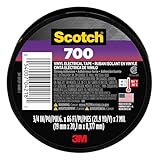
I remember standing in my garage, staring at a pinhole leak in my muffler that sounded like a small dragon clearing its throat every time I hit the gas. My wallet was screaming, and the thought ‘can I use electrical tape on my muffler?’ flashed through my mind like a cheap emergency light.
I’d seen folks online try all sorts of hack jobs, and the temptation to grab that roll of black tape was huge. It’s right there, it’s flexible, and it’s designed for electrical insulation, so maybe it could handle a little exhaust heat, right? Wrong. Dead wrong.
Let me tell you, that idea is a one-way ticket to frustration and potentially a whole lot more expense down the road. I’ve learned the hard way about what not to do when your exhaust system starts singing the blues.
My Muffler Meltdown: Why Electrical Tape Is a Terrible Idea
Look, we’ve all been there. You hear that rumble, that not-so-subtle hint that your exhaust isn’t as quiet as it used to be, and your first thought might be, ‘How can I fix this without dropping a grand?’ That’s when questions like ‘can I use electrical tape on my muffler?’ start bubbling up. I get it. It’s readily available, it’s cheap, and it’s designed to stick to things. What could go wrong?
Everything. That’s what could go wrong. Electrical tape is made of vinyl or rubber, and it’s designed to insulate wires from electricity and the elements.
It can handle some heat, sure, but not the kind of sustained, high-temperature blast that comes out of an engine’s exhaust system. We’re talking temperatures that can easily hit 400-600 degrees Fahrenheit, and even higher on a bad day or under heavy load. Electrical tape will start to melt, degrade, and lose its stickiness faster than you can say ‘DIY disaster.’ When it fails, it doesn’t just fall off; it turns into a gooey, sticky mess that’s a nightmare to clean up and leaves you right back where you started, only now with a potentially worse problem.
I once saw a buddy try to patch a small hole with it. He wrapped it around, thinking he was a genius.
Within two days, driving home from work, he heard this awful flapping sound, followed by a loud hiss. The tape had melted into a sticky goo, and a chunk of it had ripped loose, getting tangled in the driveshaft. It wasn’t just a muffler leak anymore; it was a potential fire hazard and a mechanical mess. He ended up having to have the whole section of exhaust replaced because the residue from the melted tape had fused to the metal, making a proper repair impossible without cutting it all away. (See Also: Can I Use Electrical Tape To Connect Wires )
That’s not saving money; that’s borrowing trouble from the future.
The Real Deal: What Actually Works (and What Doesn’t)
So, if electrical tape is out, what’s a person with a leaky muffler and a tight budget to do? I’ve spent my fair share of weekends under cars, trying to outsmart the rust and the inevitable wear and tear. There are a few methods that actually stand a chance, and then there are the things you see on sketchy online forums that should be avoided like a tax audit.
First off, let’s talk about the stuff that looks promising but isn’t. Things like duct tape, foil tape (the kind for HVAC, not the heavy-duty metal kind), or even silicone sealant. Duct tape will laugh at exhaust heat and disintegrate. Foil tape might hold on for a short while but will eventually peel and fail. Silicone sealants? They’re designed for sealing gaps, not for holding structural integrity under extreme heat and vibration. They’ll bake, crack, and fall off.
Now, for the semi-legit temporary fixes:
- Exhaust Repair Wrap/Tape: This is specifically designed for exhaust systems. It’s usually a fiberglass or ceramic-based material impregnated with a heat-resistant resin or epoxy. You wrap it tightly around the damaged area, often with a clamp or wire to secure it, and it hardens into a rigid patch. It can work for small holes or cracks and can last a surprisingly long time if applied correctly to a clean surface. I used a wrap on a small pinhole in my old truck’s tailpipe, and it held up for over a year, though it eventually started to fray.
- Exhaust Putty/Paste: This is a thick, clay-like substance that you pack into holes and cracks. It’s also heat-resistant and cures to a hard, solid patch. It’s good for filling in smaller gaps and holes where a wrap might be too bulky. The key is to clean the area thoroughly and apply it generously. I used this on a crack near a weld on my muffler, and it sealed up nicely, though it looked a bit like a mud pie.
These are temporary, mind you. They’re not meant to be a permanent fix for a severely rusted or damaged muffler. Think of them as buying you time to save up for a proper replacement or repair.
The DIY Dilemma: When Hacks Go Wrong
I’ve got a friend, Dave, who once tried to ‘fix’ his exhaust with a coat hanger and some aluminum foil. He figured the foil would reflect the heat and the wire would hold it all in place. It lasted about three blocks before the foil disintegrated into sparkly confetti and the coat hanger snapped, doing nothing but making a hell of a racket. That’s the kind of DIY spirit that gives temporary fixes a bad name, and honestly, it’s why I’m so blunt about this stuff. There’s a difference between being resourceful and being dangerously incompetent.
The core problem with most ‘hack’ repairs, especially when people ask ‘can i use electrical tape on my muffler?’, is a fundamental misunderstanding of the conditions under the vehicle. It’s not just heat; it’s vibration, moisture, road grime, and the constant flexing of the exhaust system. Electrical tape, with its relatively low melting point and adhesive properties designed for clean, dry, stable environments, is simply not equipped for this abuse. It’s like trying to patch a leaky boat hull with a Band-Aid. It might stop the drip for a second, but the water pressure will win, and you’ll be swimming. (See Also: Can Electrica Tape Catch On Fire )
Another common mistake is not cleaning the surface properly before applying any kind of repair material. Rust, dirt, and old undercoating act as a barrier, preventing any adhesive or putty from bonding correctly. You need to get down to bare metal for most exhaust repairs to have any hope of sticking. This often involves wire brushing, sanding, or even using a grinder. Many DIYers skip this step, eager to get the job done quickly, and end up with a patch that falls off within days or miles.
Then there’s the issue of structural integrity. A muffler isn’t just a hollow pipe; it contains baffles and chambers that are welded or riveted together. If the casing is rusted through, patching a hole might not be enough. The internal components can break loose, or the entire thing can collapse under its own weight. A temporary patch can’t fix rust rot.
The Cold, Hard Truth About Muffler Repairs
Let’s be real: mufflers aren’t designed to last forever. They’re exposed to corrosive exhaust gases, road salt, water, and physical impacts. Eventually, they rust through and need replacing. When you’re looking at a hole in your muffler, especially if it’s more than just a tiny pinprick or a clean crack in an otherwise solid piece, you’re probably looking at the beginning of the end for that component.
The common advice you’ll find online for quick fixes often glosses over the long-term consequences. While some of the specialized exhaust tapes or putties can work as a temporary measure to get you through a week or two, they are rarely a permanent solution. I’ve seen people spend more money on various ‘temporary’ fixes over the course of a year than it would have cost to just buy a new muffler in the first place. And that’s not even accounting for the potential damage a failing exhaust system can cause. Leaks can let toxic fumes into the cabin, and a loose or detached exhaust can be a serious safety hazard.
My personal experience with a muffler that was significantly rusted was this: I tried one of those high-temperature exhaust wraps. It worked okay for a while, maybe six months. But then, as I was driving on a highway, I heard this sickening clang. The entire back section of the muffler, weakened by rust beneath the wrap, had basically torn itself apart from the main pipe. The wrap just held the pieces together loosely, but the vibration and stress were too much. It was a jarring, loud, and frankly, terrifying experience. I limped to the nearest exit and had it towed. Lesson learned: temporary fixes are just that – temporary. They buy you time, not a solution.
There’s also the matter of legality and emissions. In many places, a leaking or damaged exhaust system can cause your vehicle to fail emissions tests. While a small, temporary patch might not be immediately noticeable, a significant leak or a failed DIY repair certainly will be. So, while you might be trying to save a buck, you could end up costing yourself more in fines or failed inspections.
Comparing Your Options: What to Actually Buy
When it comes to patching a hole in your muffler, there’s a spectrum of options, from the absolutely useless to the semi-reliable temporary fixes. Electrical tape, as we’ve established, is firmly in the ‘absolutely useless’ category. Here’s a quick rundown of what you might encounter and my two cents on each: (See Also: Can I Substitute Duct Tape For Electrical Tape )
| Product Type | Pros | Cons | My Verdict |
|---|---|---|---|
| Electrical Tape | Cheap, readily available. | Melts easily, fails quickly, dangerous residue. | Absolutely Not. Complete waste of time and money. Will make things worse. |
| Duct Tape | Strong adhesive (initially). | Melts, burns, adhesive fails, disintegrates. | Terrible Idea. No better than electrical tape for this job. |
| Exhaust Repair Wrap/Tape | Specifically designed for high heat, can be strong when cured. | Requires clean surface, can be messy to apply, temporary. | Decent Temporary Fix. Can last months if applied well to small holes/cracks. |
| Exhaust Putty/Paste | Good for filling small holes and cracks, hardens well. | Needs thorough cleaning, can be difficult to mold perfectly, temporary. | Good for Small Jobs. Effective for sealing minor damage when you can’t replace the part yet. |
| Muffler Band Clamp Repair Kit | Mechanical solution, doesn’t rely on adhesives alone. | Only for straight pipe sections, may not seal well on irregular shapes, temporary. | Viable for Pipes. A better option than tape if your damage is on a straight pipe section. |
As you can see, none of these are ‘permanent fixes’ for a truly rusted-out muffler. They are bandaids. The best long-term solution is always to replace the damaged component. However, if you’re in a bind and need to buy yourself a little time, the specialized exhaust repair products are your only realistic options. And even then, follow the instructions meticulously. Clean the area down to bare metal. Apply generously. Let it cure fully. And mentally prepare for the day you’ll have to do it again, or better yet, buy the right part.
Faq Section
Can I Use Electrical Tape to Fix a Hole in My Muffler?
No, you absolutely should not use electrical tape to fix a hole in your muffler. Electrical tape is not designed to withstand the extreme temperatures of an exhaust system, which can reach hundreds of degrees Fahrenheit. It will melt, lose its adhesion, and turn into a sticky mess, failing quickly and potentially causing further problems.
How Long Will a Temporary Muffler Repair Last?
The lifespan of a temporary muffler repair varies greatly depending on the product used, the severity of the damage, and driving conditions. Specialized exhaust repair wraps or putties might last anywhere from a few weeks to several months. However, these are not permanent solutions and should be considered a way to buy time until a proper repair or replacement can be made.
What Is the Best Temporary Fix for a Muffler Leak?
The best temporary fixes for a muffler leak involve products specifically designed for high-heat exhaust applications, such as exhaust repair wrap/tape or exhaust putty. These materials are made from fiberglass or ceramic and are impregnated with heat-resistant resins. Always clean the damaged area thoroughly down to bare metal before application for the best chance of success.
Will a Muffler Leak Make My Car Fail Emissions?
Yes, a significant muffler leak can often cause a vehicle to fail emissions tests. Leaks can alter the air-fuel mixture sensed by the engine’s computer, leading to incorrect combustion and higher emissions of pollutants. Additionally, some emissions tests specifically check for exhaust leaks as part of the inspection.
Conclusion
So, to circle back to the burning question: can I use electrical tape on my muffler? The short answer, the only honest answer I can give you, is a resounding no. It’s a cheap trick that costs you more in the long run, both in time and potential damage. I’ve seen too many people try to cut corners with automotive repairs, only to end up with bigger, more expensive problems.
If you’ve got a hole in your muffler, your best bet is to either save up for a proper replacement or, if you absolutely need to buy some time, use a dedicated exhaust repair product like a high-temperature wrap or putty. Just remember, these are temporary measures, not permanent fixes. Treat them as such.
Don’t be that person who ends up with a melted mess under their car. Take it from someone who’s been there: a little bit of research and the right materials, even for a temporary fix, will save you headaches down the road.