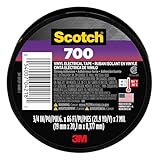
I’ve been there. You’re fiddling with a lamp, a toaster, or some old extension cord, and BAM – you see it. A sliver of shiny copper peeking out from under the insulation. Panic sets in. Can I use electrical tape to cover exposed wire? My immediate thought, like yours probably is, is ‘Is this going to electrocute me, burn my house down, or just fall apart in a week?’ I’ve learned the hard way that not all quick fixes are created equal, and this is one of those times where you need to know the real deal.
This isn’t about corporate jargon or vague advice. This is about what actually works, what’s a complete waste of time, and what will keep you safe (and your wallet from feeling lighter than it needs to).
The Temptation of the Quick Fix: Why Electrical Tape Seems Like a No-Brainer
Let’s be honest, when you see exposed wire, your brain immediately goes to the simplest solution. You’ve got a roll of black tape in your junk drawer, right?
It’s flexible, it sticks, it’s black (the universal color for ‘don’t touch this’ in the electrical world). It feels like it’s made for this. And in a pinch, for a very, very temporary situation, it can cover the wire. But that’s like putting a band-aid on a gaping wound.
Electrical tape is designed for insulation, sure, but its primary job is to prevent accidental contact with live wires, and it needs to do that reliably under a lot of different conditions. It’s not meant to be a permanent or even a medium-term fix for damaged wire insulation. The common advice is often ‘yes, in a pinch,’ but that ‘pinch’ can lead to a lot of trouble if you’re not careful.
I once tried to save a few bucks by rigging up a garden light extension cord with electrical tape after a squirrel decided to get creative with the original wire. It seemed fine for a few weeks. Then, during a mild rain shower, I noticed a faint blue spark near where I’d taped it.
That’s when I realized ‘in a pinch’ can quickly turn into ‘in a crisis’ if you’re not paying attention. The tape had degraded, absorbed moisture, and was doing more harm than good.
The material itself is a key factor. Most standard electrical tapes are made from PVC (polyvinyl chloride). PVC is a decent insulator when it’s dry and intact, and it has some elasticity, allowing it to stretch and conform to irregular shapes.
This is why it seems like a perfect fit for wrapping around wires. It’s also relatively resistant to abrasion and chemicals, which is a plus. However, PVC isn’t invincible.
Over time, it can become brittle, especially when exposed to UV light, extreme temperatures (both hot and cold), or certain solvents. This brittleness is where the real problem starts. The tape can crack, lose its adhesion, and allow moisture and contaminants to get to the conductor underneath. I’ve seen old electrical tape jobs that looked perfectly fine from a distance, only to crumble into dust when I touched them.
What people often don’t realize is that there are different grades of electrical tape. The cheap, generic stuff you grab at the dollar store is a world away from a high-quality tape designed for professional electrical work. The cheap stuff might have thinner plastic, weaker adhesive, and less UV resistance. It’s also more likely to leave a sticky, gooey residue when you try to remove it, which is a whole other headache. The temptation to use whatever is readily available is strong, but understanding that not all electrical tape is created equal is the first step in realizing why it’s often not the best solution for anything beyond a very temporary emergency patch.
The Devil Is in the Details: What to Look for (and Avoid)
So, you’ve decided to go the electrical tape route, or you’re at least considering it. What makes one roll ‘better’ than another for this dubious task? First off, look for tape that specifically states it’s rated for electrical insulation. This usually means it meets certain safety standards, like those set by UL (Underwriters Laboratories) in North America. UL-listed tape is generally a better bet than something unmarked. It will have a higher dielectric strength, meaning it can withstand a greater electrical voltage before breaking down. This is a big deal when you’re dealing with potentially live wires.
Another important factor is the tape’s temperature rating. Many standard electrical tapes are rated for use between -10°C and 80°C (14°F and 176°F). If the wire is going to be in an area that gets significantly hotter or colder than that, standard tape is going to fail. Think about wires exposed to direct sunlight in the summer or those running through unheated garages in the winter. These environments will quickly degrade standard PVC electrical tape. For harsher conditions, you might need specialized tapes, like high-temperature vinyl tapes or even rubber splicing tape, which we’ll get to later.
The adhesive is another point of contention. Good electrical tape should have an aggressive, pressure-sensitive adhesive that sticks well but also can be removed cleanly without leaving a gummy mess. Cheap tape often uses an inferior adhesive that dries out, loses its tack, or becomes incredibly difficult to remove, leaving behind a sticky residue that attracts dirt and grime. I’ve spent hours picking goo off wires from cheap tape, and it’s never a fun experience. It’s often worse than the original problem.
Here’s a quick rundown of what to keep an eye out for: (See Also: Can I Use Electrical Tape To Connect Wires )
| Feature | What to Look For (Good) | What to Avoid (Bad) | My Verdict |
|---|---|---|---|
| Rating | UL-listed, specific voltage rating | Unmarked, generic ‘all-purpose’ tape | Key. A must for safety. |
| Material | High-grade vinyl (PVC) or rubber | Thin, brittle plastic, unknown material | Important. Quality matters for longevity. |
| Temperature Range | Wide, suitable for expected environment | Narrow, standard indoor ratings for outdoor use | Important. Check where the wire is located. |
| Adhesive | Strong, clean removal | Sticky residue, dries out quickly | Annoying if bad. Affects long-term usability. |
| Thickness | Sufficient for good insulation | Paper-thin, feels flimsy | Noticeable difference. Thicker is generally better. |
The key takeaway here is that if you must use electrical tape, get the good stuff. It’s not that much more expensive, and it’s a lot less likely to cause you grief down the line. But even the best electrical tape has its limitations, and it’s important to understand those before you rely on it.
Common Mistakes and Why They’re Dangerous
The biggest mistake people make is thinking electrical tape is a permanent fix. It’s not. It’s a temporary solution at best, designed for insulating wire splices in junction boxes or for bundling wires where they aren’t subjected to significant stress or environmental factors. When you use it to cover a frayed or damaged section of wire on an appliance, a lamp, or an extension cord that gets moved around, you’re asking for trouble.
Over time, the tape can stretch, slip, dry out, or simply fail to maintain a complete seal. I’ve seen wires with electrical tape that looked like a mummy’s bandages – wrapped layer upon layer, haphazardly.
This is inefficient and often creates more bulk than insulation. A proper repair involves replacing the damaged section of wire or the entire cord, not just slapping tape on it.
Another common error is not using enough tape, or not wrapping it correctly. You need to overlap each layer of tape by at least half the width of the tape, and extend the tape well beyond the damaged area on both sides. This creates a continuous, watertight seal.
If you leave gaps, or if the tape doesn’t adhere properly, you’ve created a pathway for moisture or dirt to ingress, which can lead to corrosion or short circuits. I once saw a ‘repair’ on an outdoor Christmas light string where the tape was barely wrapped around the exposed bit, with huge gaps. It looked like a child had done it, and it was a fire hazard waiting to happen. The tape itself can also become a hazard.
If it’s old and brittle, it can crack and expose the wire again. If it’s low quality, the adhesive can degrade and ooze, creating a sticky mess that attracts dust and debris, further compromising the insulation.
People also underestimate the environmental factors. Exposing electrical tape to direct sunlight (UV radiation) will break it down much faster. Extreme heat, like near an engine or a heat lamp, will soften the adhesive and can cause it to fail.
Extreme cold can make it brittle and prone to cracking. Using standard electrical tape in these conditions is a recipe for disaster. I learned this the hard way when I used some to secure a wire on my lawnmower engine.
The heat from the engine eventually melted the adhesive, and the tape started to sag and peel off, exposing the wire I was trying to protect. That was a close call.
Finally, there’s the issue of using it on high-voltage applications. Electrical tape has a specific voltage rating. Using it on circuits that exceed that rating is incredibly dangerous and could lead to arcing, short circuits, or even fire.
Here’s a breakdown of common blunders:
- Not a Permanent Fix: Believing tape will last forever.
- Insufficient Overlap: Leaving gaps that compromise the seal.
- Ignoring Environment: Exposing tape to sun, heat, or cold.
- Underestimating Voltage: Using tape on high-power circuits.
- Poor Quality Tape: Opting for the cheapest option available.
- Improper Application: Not extending tape beyond the damaged area.
These mistakes aren’t just about aesthetics; they’re about safety. A failed electrical repair can lead to shocks, fires, and damage to your appliances. It’s always better to do it right, or not at all.
Real-World Scenarios: When Electrical Tape might Be Your Only Option
Okay, so we’ve established that electrical tape isn’t ideal for most situations. But what if you’re in a bind? What if you’re miles from a hardware store, it’s dark, and you need to get a temporary fix to, say, get a porch light working so you can see to get inside? In these rare, emergency situations, electrical tape can be used to temporarily cover a small nick or abrasion on a wire. The key here is ‘temporarily’ and ‘small.’ I’m talking about a tiny spot, not a massive section of insulation that’s completely missing. The goal is to prevent accidental contact with the conductor until you can get a proper repair done. (See Also: Can Electrica Tape Catch On Fire )
I remember being at a remote campsite once, and one of the outdoor extension cords for our lights had a small split in the insulation. It was late, cold, and we had no spare cords.
I had a roll of decent quality electrical tape in my toolkit. I cleaned the area as best I could, making sure it was dry, and then I carefully wrapped the tape, overlapping generously, extending well past the damaged spot on both sides.
I also made sure to wrap it tightly and smoothly to avoid any potential snag points. It worked. It held for the rest of the weekend.
But the very next day after I got home, that cord was retired and replaced. It was a stop-gap measure, nothing more.
I wouldn’t trust it long-term, and I certainly wouldn’t use it on anything that was constantly being moved or stressed.
Another scenario where it might be considered is for bundling loose wires together for aesthetic reasons, or to prevent them from rattling in a car engine bay, provided they are not in a high-heat or high-vibration area and are not carrying significant power. Even then, proper cable ties or conduit are far superior. The primary use case where electrical tape is actually designed to be used is for insulating electrical connections, like wire nuts or crimp connectors, in dry, protected environments. Even here, many electricians prefer to use self-amalgamating rubber tape for a more solid seal, or heat shrink tubing.
The important element is context. Is this a low-voltage wire? Is it in a dry, protected location? Is it something that won’t be moved or flexed?
Is this a fix that will be addressed properly within 24-48 hours? If the answer to any of these is ‘no,’ then electrical tape is probably not your friend.
My contrarian opinion here is that most people overuse electrical tape for repairs where it simply isn’t suited. They see it as a cure-all, when in reality, it’s a specialized product with very specific limitations. It’s like using a spoon to hammer a nail – you can do it, but it’s not the right tool for the job and you’re likely to do a poor job and maybe even break the spoon.
Beyond Tape: What to Use Instead for Real Repairs
If electrical tape isn’t the best solution, what is? For actual repairs to damaged wire insulation, you need something that offers a more durable and reliable barrier.
My go-to for a more solid fix, especially for anything that might see some abuse or moisture, is heat shrink tubing. You simply cut out the damaged section of wire, strip the ends of the remaining wire, twist them together securely (or use a crimp connector for a more professional job), and then slide a piece of heat shrink tubing over the splice. When you apply heat (a heat gun or even a carefully used lighter), the tubing shrinks tightly around the splice, creating a sealed, insulated, and mechanically strong connection. It’s neat, professional, and far more reliable than tape.
Another excellent option is rubber splicing tape. This stuff is different from vinyl electrical tape. It’s a highly conformable, self-amalgamating rubber material. When you stretch and wrap it around a splice or a damaged area, the layers fuse together to form a solid, waterproof, and electrically insulating mass. It’s excellent for high-voltage applications and provides a much more durable and weather-resistant seal than PVC tape. It feels like a much more substantial repair. I’ve used it on outdoor extension cords and even on the wiring harness of my old motorcycle, and it’s held up incredibly well over the years, far better than any tape job I’ve ever attempted.
For minor nicks and abrasions on wires that aren’t important, but you want to protect, liquid electrical tape is also an option. It comes in a bottle with a brush, and you just paint it over the damaged area. It dries to form a flexible, rubbery, insulated coating. It’s not as strong mechanically as heat shrink or rubber splicing tape, and it takes longer to cure, but it can be very effective for small, non-important areas. It’s also great for insulating screw terminals or other exposed metal parts where you want an extra layer of protection without adding bulk.
Here’s a quick comparison of better alternatives: (See Also: Can I Substitute Duct Tape For Electrical Tape )
| Method | Pros | Cons | Best For |
|---|---|---|---|
| Heat Shrink Tubing | Professional look, strong mechanical seal, waterproof, wide range of sizes and ratings | Requires heat source, need to cut out damaged section | Splices, repairs on most wires, professional finish |
| Rubber Splicing Tape | Excellent insulation, waterproof, self-amalgamating, durable, good for high voltage | Can be messy to apply, requires stretching | High-stress areas, outdoor applications, solid repairs |
| Liquid Electrical Tape | Easy to apply, forms to irregular shapes, good for small areas, dries flexible | Longer curing time, less mechanically strong, can be less durable in harsh environments | Minor nicks, insulating terminals, non-important wires |
While you can use electrical tape, these alternatives offer superior safety, durability, and longevity for any repair that you want to last. Investing a few extra dollars and a bit more time in one of these methods will save you headaches and potential hazards down the road.
Practical Tips for Using Electrical Tape (if You Absolutely Must)
If, and only if, you’ve found yourself in a genuine emergency and electrical tape is your only recourse, here are a few tips to make the most of a bad situation. First, always start with clean, dry wire. Wipe down the area with a clean cloth. Any dirt, oil, or moisture will prevent the tape from adhering properly and compromise the seal. Second, use the highest quality electrical tape you can find. Invest in a reputable brand, preferably UL-listed, with good temperature and voltage ratings. It’s not worth skimping here.
When wrapping, start a few inches before the damaged section and end a few inches after it. Overlap each wrap by at least half the width of the tape. This creates a continuous barrier. Wrap tightly and smoothly, pressing down firmly as you go to eliminate air bubbles and make sure good adhesion. Think of it like building a miniature, flexible pipe around the wire. If the wire is round, try to keep your wraps consistent. Avoid wrinkles or creases in the tape, as these can create weak points.
Importantly, understand that this is a temporary measure. Plan to make a proper repair as soon as possible. This means replacing the damaged section of wire, the entire cord, or using a more appropriate method like heat shrink tubing or rubber splicing tape. Don’t just let it sit there, assuming the tape will hold forever. Set a reminder on your phone, or put a sticky note on the appliance. Treat it like you’re putting a temporary patch on a leaky tire – it’ll get you to the shop, but it’s not a permanent solution.
I learned this lesson the hard way with a frayed cord on a power tool. I wrapped it with electrical tape, thinking it’d be fine for a few more uses. About a week later, while I was using the tool, the tape started to unravel.
It wasn’t dramatic, but a tiny bit of the wire insulation came loose, and I immediately stopped. It was a stark reminder that you can’t cut corners on electrical safety.
The best practical tip is to have better materials on hand in the first place, so you aren’t forced to rely on tape. Keep a roll of quality electrical tape, some heat shrink tubing, and maybe even some self-amalgamating tape in your toolbox.
That way, when a problem arises, you can actually fix it properly.
Can I Use Electrical Tape to Cover Exposed Wire on a Hot Appliance?
No, it’s a really bad idea to use standard electrical tape to cover exposed wire on a hot appliance. The heat will quickly degrade the tape, soften the adhesive, and cause it to fail, potentially exposing the wire again and creating a fire hazard or shock risk. For high-heat applications, you need specialized high-temperature tapes, and even then, a proper repair with heat shrink tubing designed for such environments is a much safer bet.
Is Electrical Tape Waterproof?
Most standard vinyl electrical tapes are water-resistant, meaning they can repel a certain amount of moisture for a limited time, especially if applied correctly with good overlap. However, they are not truly waterproof. Over time, especially if exposed to submersion or constant moisture, water can penetrate the tape, especially if there are any imperfections in the wrap. Self-amalgamating rubber tapes and properly applied heat shrink tubing offer much better waterproofing.
How Long Can Electrical Tape Last on Exposed Wire?
The lifespan of electrical tape on exposed wire varies wildly depending on the quality of the tape, the environmental conditions, and the amount of stress the wire is under. In ideal, dry, indoor conditions with no stress, a good quality tape might last for several years. However, in outdoor environments, exposed to sunlight, temperature fluctuations, or physical stress, it could fail within weeks or months. It’s never a reliable long-term solution for damaged wire insulation.
The Ultimate Verdict on Electrical Tape for Exposed Wire
Look, I’ve been down this road. You’re facing a bit of exposed wire, and the roll of black tape in your drawer seems like the quickest, easiest fix. And yeah, you can use electrical tape to cover exposed wire. But here’s the blunt truth: it’s almost never the right fix.
It’s a temporary patch, and a potentially dangerous one if you’re not careful. I’ve wasted my fair share of money and time on shoddy repairs that failed. The real deal is that electrical tape degrades, it can slip, and it doesn’t offer the solid insulation or protection that proper repair methods do.
You’re better off investing in heat shrink tubing or rubber splicing tape for anything you want to last and be safe.
Conclusion
So, can i use electrical tape to cover exposed wire? The short, honest answer is: you can, but you shouldn’t if you have any other option. It’s a band-aid, not a cure. Think of it as an emergency measure to get you from point A to point B, or to a proper hardware store, and nothing more. If you absolutely must use it, get the good stuff, wrap it tight with plenty of overlap, and plan to fix it properly ASAP.
Don’t let a cheap fix lead to a costly disaster. Your safety, and the integrity of your home or appliances, is worth more than a few bucks saved on a roll of tape that’s destined to fail. Get the right tools for the job, even if it means a quick trip to the store.