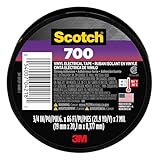
I remember staring at the scratch on my grandmother’s 1970s tiled kitchen floor, right after I’d ‘helpfully’ slid a heavy cast iron pot across it. My first thought? Electrical tape. It’s everywhere, it’s sticky, it’s the handyman’s duct tape, right? So, can I use electrical tape on waxed tile floor? Honestly, it’s one of those ideas that sounds perfectly logical until you actually try it, and then reality slaps you upside the head.
We all want quick fixes, especially when it comes to floors that cost a small fortune and feel impossible to repair. Electrical tape seems like the go-to for almost any temporary fix, but when it comes to your precious waxed tile, we need to have a real chat about what actually works and what’s just going to make a bigger mess.
Why You’re Even Thinking About Electrical Tape
Look, nobody wakes up in the morning thinking, “Gee, I’d love to slap some electrical tape on my floor.” It usually happens out of desperation. Maybe a tile chipped, a grout line crumbled, or you’ve got a stubborn scuff mark that just won’t budge. The allure of electrical tape is its accessibility and perceived versatility. It’s cheap, you probably have a roll in your junk drawer, and it’s designed to stick to things. That’s the basic sales pitch in your head, right? You’ve seen it used for everything from fixing a torn car seat cover to insulating a wire. So, naturally, the leap to using it on a damaged floor seems… well, logical.
I’ve been there. About five years ago, I managed to gouge a decent chunk out of a corner tile in my bathroom with a rogue suitcase. It wasn’t deep enough to trip on, but it looked awful. My initial, panicked thought was exactly what many of you are probably thinking: electrical tape. It’s black, the tile is dark, and it would cover the unsightly damage. I pictured a neat, temporary fix until I could get a proper repair done. I even had a roll of that thick, rubbery kind that’s supposed to be super durable. It felt like a genius move in the moment. I mean, it’s tape. It sticks. What could go wrong?
The reality is, the common advice you’ll find online often skips the gritty details. They’ll tell you what electrical tape is for, but not what it shouldn’t be used for. And using it on a waxed tile floor falls squarely into the ‘shouldn’t’ category. It’s a bit like using a butter knife to chop through a bone – it’s the wrong tool for the job, and you’re likely to end up with more problems than you started with. Waxed tile, in particular, has a delicate finish that reacts poorly to sticky, petroleum-based adhesives.
The core issue is that electrical tape is designed for electrical insulation, not floor aesthetics or protection. Its adhesive is formulated to stick to smooth, dry surfaces like wires and conduit, and to withstand some temperature fluctuations and moisture. It’s not designed to adhere to a waxy, potentially porous surface like a waxed tile, nor is it built to withstand the constant abrasion of foot traffic, furniture movement, or cleaning products. The adhesive itself can be a nightmare on waxed surfaces, leaving behind a sticky residue that attracts dirt and is incredibly difficult to remove without damaging the wax finish itself. This is the kind of lesson you learn the hard way, usually after you’ve spent an hour scrubbing futilely at a black gummy mess.
What Happens When Electrical Tape Meets Waxed Tile?
Let’s get down to brass tacks. What actually happens when you press that sticky, black strip onto your beautifully waxed tile? It’s not pretty. The first thing you’ll notice is that it probably doesn’t stick as well as you’d hoped. The wax on the tile acts like a natural barrier, and the adhesive on electrical tape, while strong for its intended purpose, isn’t formulated to penetrate or bond effectively with that waxy layer. You might get it to adhere initially, but it’s going to be a weak bond, prone to peeling up at the edges almost immediately, especially in high-traffic areas.
Then there’s the residue. Oh, the residue. This is where most DIY quick fixes turn into major headaches.
Electrical tape uses a rubber-based or vinyl-based adhesive. When you peel it off, especially after it’s been subjected to heat, pressure, or just time, it often leaves behind a sticky, gummy film. On a smooth, non-porous surface like glass, you can usually get this off with a solvent. But on a waxed tile floor?
That waxy layer you’ve worked so hard to maintain? The adhesive can actually bond with the wax, pulling it up as you try to remove the tape. This leaves behind a patchy, uneven surface where the wax is gone, exposing the tile and creating an even bigger visual problem than the original scratch or chip. (See Also: Can I Use Electrical Tape To Connect Wires )
I experienced this firsthand when I tried using a strip of electrical tape on a small, hairline crack in a linoleum floor in my old apartment. It wasn’t waxed tile, but it was a similarly smooth, sealed surface. The tape held for about a day before lifting at the corners. When I tried to peel it off, it took a significant amount of the linoleum’s protective coating with it, leaving a dull, discolored patch that was impossible to match. It looked worse than the crack. This experience taught me a valuable lesson: the fix is often more damaging than the problem when you use the wrong product.
Furthermore, electrical tape isn’t designed for the kind of physical stress a floor endures. It can get scuffed, torn, or stretched by furniture legs, pet claws, or even just the soles of shoes. Unlike a tougher material, it won’t hold up. You’ll end up with frayed edges, missing chunks, and a general unsightly appearance that screams “hacked-together solution.” This is why you’ll find that even though the question ‘can i use electrical tape on waxed tile floor’ might pop into your head, the actual answer from anyone who’s been around the block is a resounding ‘no’.
The Problem with Waxed Tile and Adhesives
Waxed tile floors are a bit of a niche product these days, but they were more popular in older homes and have a certain charm. The wax isn’t just for shine; it’s a protective layer. It fills in the microscopic pores of the tile and grout, making it less susceptible to stains and easier to clean. However, this waxy surface is also inherently slick and can be sensitive to certain chemicals and adhesives. Many common adhesives, including those found in tapes like electrical tape, contain solvents and plasticizers that can break down or dissolve wax. This means not only will the tape not stick well, but it can actively degrade the very protective layer you’re trying to preserve.
Think of it this way: you wouldn’t use harsh degreaser on a fine piece of furniture that’s been polished with furniture wax, would you? The degreaser would strip the wax right off. Electrical tape’s adhesive is a bit like a mild degreaser for wax. It’s designed to cling to surfaces, and in doing so, it can lift and emulsify the wax, turning your nice, even shine into a patchy, sticky mess. This leaves the tile itself more exposed to future damage, stains, and wear. The common advice to simply “clean the area thoroughly” before applying tape is often insufficient because the wax itself is the problem for the adhesive, not just dirt or grime on top of it.
Another factor is the potential for discoloration. Some electrical tapes contain dyes and plasticizers that can leach into the wax or even the tile itself over time, especially if exposed to sunlight or moisture. You might think you’re covering a scratch, but you could be inadvertently creating a permanent stain. I had a friend who used a brightly colored electrical tape to mark a ‘safe zone’ for her puppy on a vinyl floor. Weeks later, when she removed the tape, there was a faint, but noticeable, colored outline permanently etched into the vinyl. That experience always makes me cautious about any colored adhesive on a sensitive surface.
The reality is that if a product isn’t specifically designed for floor repair or for use on waxed surfaces, it’s a risky proposition. Electrical tape is fantastic for its intended purpose – joining wires, temporary insulation, bundling cables. It’s a workhorse in the electrical world. But when it comes to flooring, especially a delicate finish like wax, its properties are more of a liability than an asset. You’re much better off understanding the limitations of both the tape and the flooring before attempting any kind of quick fix that could lead to long-term damage. Patience and the right materials are key.
Are There Any Situations Where It Might seem to Work?
Okay, let’s be honest. There might be a few highly specific, very temporary situations where electrical tape might seem like it’s doing the job. I’m talking about a last-ditch, “get me through the next two hours” kind of scenario. For example, if you have a tiny, shallow chip on the edge of a tile that’s not in a high-traffic area and you just need to prevent a sharp edge from catching on something for a very short period, a small, carefully applied piece of black electrical tape might appear to work. It could stop a loose thread from snagging, or prevent a minor snag on a shoe for a brief time.
Or imagine you’ve got a guest coming over in 30 minutes, and you’ve just noticed a small, superficial scratch on your waxed tile. You want something that blends in and is easy to remove. Electrical tape, due to its often matte finish and common black color, might offer a visual camouflage that’s good enough for a quick fix. It’s not a repair, it’s a cosmetic patch. The key here is that it’s not intended to be a durable solution. It’s a temporary disguise, and you’d be planning to remove it the moment the guests leave.
However, even in these limited scenarios, I’d be extremely wary. I once tried using electrical tape to temporarily hold a loose piece of trim on a piece of furniture. It held for about a week, but when I removed it, it left a faint sticky outline and dulled the finish where it had been. This was on wood, not waxed tile, but it reinforced my belief that even short-term use can have unintended consequences. The adhesive is the main culprit. It’s aggressive enough to stick, but often too aggressive or the wrong chemical composition for delicate finishes. (See Also: Can Electrica Tape Catch On Fire )
A better approach for a very temporary fix, if you absolutely must, would be painter’s tape with a low-tack adhesive, but even then, you’re risking the wax. The goal with painter’s tape is usually to protect a surface from paint. It’s designed to be removed cleanly. But waxed tile is a whole other beast. So, while you might get away with it for an hour or two in a low-stakes situation, I would never recommend it as a viable solution. The risks of damaging the wax, leaving residue, or making the problem worse far outweigh any perceived benefit. It’s a tempting shortcut, but it’s a shortcut that leads to a longer, more expensive repair down the line.
Alternatives That Actually Work (no, Not More Tape)
Since electrical tape is a no-go, what can you do when your waxed tile floor needs a little TLC? Forget the tape.
We need solutions designed for floors and for delicate finishes. For minor scratches or scuffs on waxed tile, your first line of defense should be your wax itself.
Sometimes, a good buffing with a soft cloth can actually help blend out superficial marks. If the scratch is deeper or a chip has occurred, you’ll need something more substantial. For filling small chips or cracks, a tile repair epoxy or a grout pen designed for tile and grout can be effective. These products are specifically formulated to adhere to tile and grout and to be durable enough for floor traffic.
They often come in various colors to match your existing tile or grout.
I’ve had success using a color-matched epoxy filler for grout lines that have worn away. It’s a bit fiddly, requiring careful application with a small spatula or putty knife, but it dries hard and can be sanded smooth if needed. For a chipped tile edge, you can get epoxy repair kits that allow you to build up the missing material. They often require a bit of artistic skill to get the texture and color right, but they are a genuine repair, not just a cover-up.
Here’s a quick rundown of what I’d consider, depending on the problem:
| Problem | Recommended Solution | My Verdict |
|---|---|---|
| Minor Scuff/Scratch (superficial) | Buffing with soft cloth/microfiber | Worth a shot first, might surprise you. |
| Deeper Scratch/Chip on Tile Edge | Tile repair epoxy kit (color-matched) | Best for actual repair, requires patience. |
| Damaged/Crumbled Grout Line | Grout pen or epoxy grout filler | Keeps grout looking fresh, prevents further damage. |
| Stain on Waxed Surface | Specific wax cleaner or re-waxing | Key for maintaining the finish. |
| Temporary, Very Minor Chip (guest emergency) | Low-tack painter’s tape (use with extreme caution) | Absolute last resort, remove ASAP. Risk of damage. |
If the damage is more significant, like a cracked or loose tile, you’re looking at replacing the tile. This isn’t a DIY job for everyone, but it’s the only proper long-term solution. For damaged grout that’s widespread, you might need to re-grout the entire area. These are more involved processes, but they address the root cause of the problem and restore the floor’s integrity and appearance. The key is to avoid the temptation of a quick fix like electrical tape, which inevitably leads to more work and potential damage to your beautiful waxed tile.
Practical Tips for Waxed Tile Floor Care
Caring for waxed tile floors is less about fixing damage and more about preventing it in the first place. Electrical tape is the antithesis of good care. Start with the right cleaning routine. Avoid harsh chemicals, abrasive scrubbers, and excessive water. A damp mop with a pH-neutral cleaner specifically designed for waxed floors is your best friend. Many DIYers think ‘more is better’ with cleaning, but with waxed surfaces, less is often more. You want to clean without stripping the wax layer. (See Also: Can I Substitute Duct Tape For Electrical Tape )
Regular waxing is also important. Depending on foot traffic, you might need to re-wax every few months to a year. This replenishes the protective layer, fills in minor imperfections, and restores shine. It’s a bit of a chore, but it’s what keeps the floor looking good and prevents more serious damage from occurring. When you wax, make sure you’re using a quality wax specifically formulated for tile floors. Some old-school advice might suggest car wax or furniture polish, but these can be too oily or leave a residue that attracts dirt on a floor.
Protecting the floor from daily wear and tear is another big one. Use furniture pads on the legs of all your furniture – chairs, tables, sofas, even smaller decorative items. These are incredibly cheap and can prevent deep scratches and gouges that electrical tape would then tempt you to cover. For high-traffic areas, consider a durable rug or mat. This provides an extra layer of protection and can also add to the aesthetic of your room.
When it comes to spills, wipe them up immediately. Waxed tile is more resistant to staining than unsealed tile, but prolonged exposure to liquids can still cause issues, especially with acidic or pigmented substances. Think red wine, coffee, or certain cleaning products. A quick clean-up can save you from having to deal with a stubborn stain or discoloration later. Ultimately, the best approach to waxed tile floor care is proactive maintenance and using the right products. Resist the urge for quick fixes that promise the world but deliver a mess.
Frequently Asked Questions About Electrical Tape and Floors
Can Electrical Tape Be Used to Repair a Chipped Tile?
No, electrical tape is not suitable for repairing chipped tiles. Its adhesive is not designed for the varied surface of a tile, especially a waxed one, and it will likely peel off, leave residue, and potentially damage the wax finish. A proper tile repair epoxy is the correct solution for chipped tiles.
Will Electrical Tape Damage My Waxed Tile Floor?
Yes, electrical tape can damage your waxed tile floor. The adhesive can bond with and pull up the wax, leaving dull or patchy spots. It can also leave a difficult-to-remove sticky residue, and some tapes may even cause discoloration over time.
What Is the Best Way to Fix a Scratch on a Waxed Tile Floor?
For superficial scratches, try buffing the area with a clean, soft cloth. For deeper scratches, a tile repair epoxy kit that can fill and color-match the scratch is the most effective solution. Re-waxing the floor might also help to blend in minor imperfections.
Is Electrical Tape Safe for Temporary Floor Repairs?
While electrical tape might seem like a quick fix, it’s generally not safe for any floor repair, temporary or otherwise, especially on delicate surfaces like waxed tile. The adhesive can damage the finish, leave residue, and the tape itself isn’t durable enough to withstand foot traffic, leading to a worse problem than you started with.
Final Thoughts
So, to answer the burning question: can I use electrical tape on waxed tile floor? The short, blunt answer is no. It’s a bad idea that promises a quick fix but almost guarantees a sticky, waxy mess and potential damage. We’ve all been tempted by the simplicity of a roll of tape when faced with a floor blemish, but when it comes to waxed tile, the risks far outweigh any perceived benefits.
Instead of reaching for the electrical tape, take a moment to assess the damage and consider the proper tools and materials. Investing a little time and money into a specific tile repair product or even just a good quality wax can save you a lot of headaches and preserve the beauty of your floor in the long run. Your waxed tile floor deserves better than a quick, damaging patch.
Next time you spot a scratch or chip, remember this chat and opt for a solution that’s actually designed for the job. You’ll thank yourself later when your floor looks good as new, not like it’s been bandaged with the wrong kind of tape.