I remember staring at a half-painted wall, a can of expensive trim paint mocking me, and a roll of generic brown paper masking tape sitting right beside my good stuff. The thought, ‘can you use masking tape as painters tape?’ flashed through my mind like a cheap neon sign. I’d wasted enough money on ‘premium’ everything to know that sometimes, the obvious shortcut bites you back. And with masking tape, it’s a bite that can leave jagged paint lines and a whole lot of remedial scraping.
So, what’s the deal? Is it a hard no, or is there a nuanced answer for those of us who’ve faced down a DIY disaster?
Masking Tape vs. Painter’s Tape: What’s the Real Difference?
Let’s get straight to it. Masking tape and painter’s tape are not the same beast, and trying to swap them out is often like trying to use a butter knife to chop steak.
Masking tape, the cheap, brown stuff you grab at any hardware store for quick fixes or bundling things, is designed for adhesion, not precision. Its adhesive is usually a bit more aggressive, meant to hold things together firmly. This is its downfall when you’re trying to get a crisp, clean line on a wall. It’s prone to bleeding under the edges because it doesn’t seal down as tightly, and when it’s time to pull it off, especially if it’s been on for a while or the surface isn’t perfectly smooth, it can tear or leave behind a sticky residue.
I learned this the hard way on a bookshelf I was painting. I figured, ‘Hey, it sticks, right?’ Wrong.
By the time I was done, I had tiny little paint bleeds on every single shelf edge, looking like a beginner had done the work. It took me an extra hour of careful razor blade work to clean it up. A roll of good painter’s tape costs maybe five bucks more, and the time saved and the clean finish? Priceless.
Painter’s tape, on the other hand, is engineered for this specific job. It’s formulated with a gentler adhesive that creates a strong enough bond to stay put during painting but is designed to be removed cleanly without damaging the underlying surface or leaving residue.
The backing material is also often a bit more flexible and less porous, helping to prevent paint from seeping underneath. Think of it as a temporary gasket for your paint job. There are different types, of course.
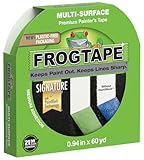
The blue stuff is your general-purpose hero for most interior walls. For delicate surfaces or when you need something that will hold on tight for longer periods, there’s the green tape, which has a stronger adhesive but is still designed for clean removal. (See Also: Does Painters Tape Pull Off Paint )
And for those really tricky, high-end jobs where you absolutely cannot afford any bleed, the purple tape is the top-tier option, offering the best seal and cleanest removal, though it comes with a higher price tag.
When can You Actually Get Away with Masking Tape?
Okay, so I’ve trashed masking tape pretty hard. But is it never usable? Well, like most things in life, there are exceptions. If you’re doing a project where paint bleed isn’t going to be a catastrophic problem, or if you’re painting something where a perfectly sharp line isn’t the end goal, then yeah, masking tape can get the job done.
I’ve used it in my garage for marking off sections of shelving units that I was going to paint a different, less important color. The surfaces were rough concrete blocks, and the paint was a utilitarian latex. If a little bit bled, who cares? I was just trying to differentiate storage areas.
It held fine and did the job of keeping paint off the ‘other’ sections.
Another scenario is temporary protection. Need to tape off a window frame quickly while you’re doing some touch-up work on the wall, and you know you’ll be pulling it off in under an hour? Masking tape might suffice. The key here is the ‘temporary’ and ‘low-stakes’ nature of the job. If you’re painting a kid’s room and want cartoon characters to have super-defined outlines, masking tape will make you cry. If you’re painting a workbench and just need to keep one side paint-free for a few hours? It’ll probably work.
Common Mistakes People Make
The biggest mistake, bar none, is thinking all tapes are created equal for painting. People grab the cheapest option, slap it down, and then get frustrated when they end up with fuzzy lines or have to scrape off sticky goo. Another common error is leaving masking tape on for too long. The adhesive can cure or react with the paint or wall surface, making it a nightmare to remove. This is less of an issue with true painter’s tape, which is formulated for longer adhesion periods.
Applying it incorrectly is also a huge problem. If you don’t press down firmly, paint will seep underneath. Conversely, if you press too hard or use a tape with an overly aggressive adhesive, you risk pulling off the paint underneath when you remove it. It’s a delicate balance, and masking tape often tips the scales too far towards aggressive adhesion for delicate removal.
My Own Horrible Masking Tape Mishap
This one still makes me cringe. I was helping a buddy paint his kitchen. He’d just bought this old house, and the previous owners had left this awful avocado green on the cabinets. We were going to paint them a crisp white. He, being a ‘save money wherever possible’ kind of guy, insisted we use the big roll of brown masking tape he already had. I warned him, I really did. I told him about the bleed potential, the residue risk. He waved me off, saying, ‘It’s just tape, man!’ (See Also: Does Painters Tape Rip Paint Off Walls )
We spent hours taping off every single cabinet door and drawer front. The paint job itself went smoothly – the white looked amazing. Then came the grand reveal, the moment of truth: peeling off the tape. It started okay, but within a few doors, we hit patches where the masking tape had basically fused itself to the cabinet finish.
When we pulled, it tore off bits of the primer we’d applied underneath. And the bleed?
Oh, the bleed. Tiny, spidery lines of avocado green were peeking through the white on almost every edge. It looked like a toddler had gotten hold of a crayon. We ended up spending an entire weekend scraping, sanding, and re-priming those cabinets.
It was a brutal, humbling lesson for both of us, and I’ve never let him forget it. That roll of masking tape sat in his garage, gathering dust, for years.
Comparing Tapes: What to Look For
When you’re looking for tape that actually works for painting, think about the surface you’re taping and the duration it will be on. Here’s a quick rundown of what I look for:
| Tape Type | Adhesive Strength | Clean Removal | Best For | My Verdict |
|---|---|---|---|---|
| Masking Tape (Brown Paper) | High | Poor to Fair | Temporary bundling, rough marking | Avoid for painting edges. Seriously. |
| Blue Painter’s Tape | Medium | Good | Walls, trim, interior painting (1-3 days) | Your go-to for most jobs. Reliable. |
| Green Painter’s Tape | Medium-High | Good | Longer paint jobs, delicate surfaces (up to 7 days) | For when blue might not cut it. |
| Purple/Specialty Painter’s Tape | High (but clean release) | Excellent | High-end finishes, long-term protection | If your budget allows, this is top-tier. |
The key takeaway from that table? Masking tape is basically a ‘don’t use’ for anything requiring a clean line. The green and purple tapes are your friends when you need something more solid, but for the vast majority of interior painting jobs, that standard blue painter’s tape is your workhorse. It hits that sweet spot of sticking well enough to prevent leaks but peeling off like a dream. I’ve found that even on slightly textured walls, the blue tape does a decent job of conforming to the surface if you press it down with a putty knife or a dedicated tape tool.
Practical Tips for Using Painter’s Tape (the Right Way)
Since we’re talking about not using masking tape for painting, let’s cover how to get the best results with the stuff you should be using. First off, always apply painter’s tape to a clean, dry surface. Dust, grease, or moisture will compromise the adhesive’s ability to form a good seal. Press it down firmly along the entire edge. I like to use a stiff putty knife or even my fingernail to really push the edge down, especially in corners or along textured surfaces. This creates a better barrier against paint bleed.
When painting, avoid applying excessively thick coats of paint directly onto the tape edge. Let the paint dry to the touch before applying a second coat, and definitely don’t let paint pool up along the taped line. The less liquid paint hanging out on the edge, the less likely it is to seep underneath. (See Also: Does Masking Tape Work The Same As Painters Tape )
For the removal, this is super important: pull the tape off while the paint is still slightly wet, not bone dry. This is another one of those ‘common advice is wrong’ situations for some people. Everyone says wait for it to be totally dry. I disagree.
If you wait until the paint is completely cured, the paint can actually adhere to the tape itself, leading to pulling and chipping when you remove it. Pulling it at a 45-degree angle, slowly and steadily, while the paint is still soft enough to give a little but firm enough not to run, will give you the cleanest line. If you’ve accidentally let it dry completely, score the edge lightly with a craft knife or razor blade first to break the bond between the paint and the tape.
Frequently Asked Questions About Tape for Painting
Can I Use Regular Tape for Painting?
No, ‘regular tape’ like standard office tape or even some types of packing tape are not suitable for painting. They have aggressive adhesives that can leave residue, damage surfaces, and do not create a clean line. For any painting project requiring clean lines, you must use actual painter’s tape.
Will Masking Tape Leave Residue?
Yes, masking tape is very likely to leave a sticky residue, especially if left on for more than a few hours or on certain surfaces like unfinished wood or glossy paint. The adhesive is formulated for strong, long-term sticking, not for clean removal after painting.
How Long Can Painter’s Tape Stay on?
This depends on the type of painter’s tape. Standard blue painter’s tape is generally good for 1 to 3 days. Green or specialty painter’s tapes can often stay on for up to 7 days or even longer. Always check the manufacturer’s recommendations for the specific tape you are using.
What’s the Difference Between Masking Tape and Painter’s Tape?
The primary difference lies in the adhesive and the backing material. Painter’s tape has a low-tack, clean-release adhesive and a more conformable backing designed to prevent bleed. Masking tape has a stronger adhesive and a less forgiving backing, making it prone to bleeding and difficult, messy removal.
Can You Use Masking Tape as Painters Tape on Cheap Walls?
Even on ‘cheap’ walls, using masking tape is a gamble. While it might not damage a very durable surface, the likelihood of paint bleed is still very high, resulting in a messy, unprofessional finish that will require more work to fix than using proper painter’s tape would have.
Final Thoughts
So, to answer the burning question: can you use masking tape as painters tape? The short, blunt answer is: you can, but you absolutely shouldn’t if you want a good-looking result without a ton of extra work. The risks of bleed, residue, and torn paint far outweigh any minimal cost savings.
My advice? Invest in the right tool for the job. That roll of blue painter’s tape is your best friend for crisp lines and clean finishes. It’s a small price to pay for saving yourself hours of frustration and achieving a professional-looking paint job. Don’t be like me and my friend, staring at a cabinet disaster wishing you’d just bought the right tape.
Next time you’re prepping for a paint project, grab a roll of actual painter’s tape. Your walls (and your sanity) will thank you.