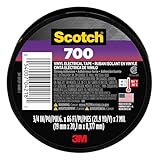
I once stared at a tangle of wires behind my entertainment center, a veritable spaghetti monster of HDMI and power cords. My immediate thought was, ‘I need to bundle this mess.’ In my toolbox, I had two rolls: one bright yellow, the other a heavy-duty brown. They looked vaguely similar, both sticky and rollable.
This is where the question started to gnaw at me: are electrical tape and strapping tape the same thing? Can you just grab whichever is closest and call it a day? Spoiler alert: the answer is a resounding ‘nope.’ Using the wrong tape is like trying to fix a leaky faucet with a band-aid; it might hold for a minute, but it’s going to fail, and probably spectacularly.
My initial assumption, born from a desperate need for cable management, was that tape is tape. But after a few DIY projects went sideways – a loose battery pack rattling in a toy, a garden hose sprung a minor leak that I ‘fixed’ – I learned the hard way that different tapes have vastly different jobs. This isn’t about corporate jargon; it’s about real-world consequences and not wasting your hard-earned cash on products that just don’t cut it. So, let’s break down what makes these two types of tape distinct and when you should, and absolutely shouldn’t, use them.
When Electrical Tape Is Your Only Friend (and Why Strapping Tape Isn’t)
Let’s get one thing straight from the get-go: electrical tape is designed for one primary purpose, and that’s working with electricity. Think of it as a specialized tool, not a general-purpose binder.
Its main gig is insulation. When you’re dealing with exposed wires, say after a repair or if a bit of insulation has frayed, electrical tape is your go-to for preventing shorts, shocks, and fires. This isn’t a suggestion; it’s a safety requirement. The material itself is usually made from PVC (polyvinyl chloride), and it’s got a decent amount of stretch and flexibility.
This stretch is key because it allows you to wrap it tightly around irregular shapes, like wires and wire connectors, creating a snug, insulating barrier. It’s also designed to be flame-retardant and resistant to things like moisture and UV rays, which are common culprits for degrading other types of tape.
I remember wrestling with a dodgy lamp once. The cord had a small nick, and sparks were literally flying (okay, maybe not flying, but a definite flicker).
My first instinct was to grab the nearest tape. Bad move. I used some generic duct tape, and while it stopped the visible sparks, I felt this creeping unease. The next day, I found the tape had started to melt and peel.
That’s when I went and bought proper electrical tape. It felt different – more rubbery, more forgiving to stretch. Wrapping it around the damaged section felt secure, and more importantly, it gave me peace of mind. I’ve since used it on everything from extending appliance cords (temporarily, of course, and always with caution) to insulating the connections on low-voltage LED strip lights.
The key here is the dielectric strength – its ability to withstand electrical stress without breaking down. Strapping tape?
It’s got zero dielectric strength. Stick strapping tape on an electrical connection, and you’re basically just adding a flammable, conductive layer of regret.
Strapping tape, on the other hand, is built for brute force and holding things together under tension. Its strength comes from a backing material, often woven fiberglass or polyester, coated with a very strong adhesive.
The goal isn’t to insulate; it’s to bind, secure, and reinforce. Think of bundling heavy pipes for transport, securing a load on a pallet, or even reinforcing a stressed joint in a piece of furniture. It’s designed to resist tearing and stretching, providing a rigid hold.
Trying to use it for electrical insulation would be like using a brick to seal a drafty window – it’s completely the wrong tool for the job. The adhesive on strapping tape is usually aggressive, designed for heavy-duty adhesion, which is great for its intended purpose but can be overkill and messy for delicate electrical work. So, if you’re dealing with anything that carries a current, stick to the tape specifically designed for it.
Strapping Tape: The Heavy Lifter You Didn’t Know You Needed
Now, let’s talk about strapping tape, the unsung hero of packaging and heavy-duty securing. If electrical tape is your precision instrument for delicate electrical work, strapping tape is your industrial-grade bungee cord. Its primary function is to provide immense tensile strength. This means it’s fantastic at holding things together under significant pulling forces. The secret sauce is its backing material. You’ll often find strapping tape made with strong synthetic fibers, like fiberglass or polyester, woven into a mesh. This makes it incredibly resistant to tearing and breaking. Imagine trying to pull apart a tightly woven net; that’s the kind of resistance we’re talking about.
The adhesive on strapping tape is typically a high-strength synthetic rubber or acrylic. It’s sticky.
Like, really sticky. It’s designed to adhere strongly to a variety of surfaces, including cardboard, plastic, metal, and wood, and to maintain that bond even when under stress.
I learned this the hard way when I was moving. I had a massive, oddly shaped bookshelf that wouldn’t fit through the door easily. (See Also: Can I Use Electrical Tape To Connect Wires )
To keep it from shifting and potentially damaging itself, I wrapped it all over with strapping tape. It held that thing together like a vise grip. When I finally got it to its new home, peeling the tape off was an adventure in itself; it left some residue, sure, but the bookshelf was completely intact. That’s the kind of holding power we’re discussing.
This type of tape is perfect for tasks where you need to prevent items from coming apart, especially during transit or storage. Bundling lumber, securing the contents of a box that’s being shipped, reinforcing the seams of a heavy-duty container – these are all prime applications. It’s also surprisingly useful around the house for more rugged repairs. I’ve used it to temporarily reattach a broken fender on a kid’s wagon, to reinforce a handle on a heavy tool bag that was starting to fray, and even to create a temporary repair on a cracked plastic storage bin that held garden tools.
It’s not pretty, but it works. The key takeaway is that strapping tape is about holding power and rigidity, not insulation or flexibility.
If your problem involves something needing to be held under tension or prevented from splitting, strapping tape is likely your answer. It’s the stuff you reach for when duct tape just won’t cut it and you need something that truly locks down.
Common Mistakes and Why They Happen
So, why do people get these two types of tape confused in the first place? Honestly, it’s often down to appearance and a lack of clear labeling. Both come on rolls, both have an adhesive side, and both are generally designed to stick things together. When you’re in a pinch, and the packaging is long gone, or if you’re just starting out with DIY projects, it’s easy to grab the wrong one.
The biggest mistake, as we’ve touched on, is using strapping tape for electrical work. The adhesive on strapping tape is often not rated for the temperatures and stresses involved in electrical currents, and the tape itself is not an insulator. This can lead to overheating, short circuits, and potentially a fire hazard. I’ve seen some horror stories online from people who tried to ‘fix’ frayed appliance cords with strapping tape, and it ended badly.
It’s a classic case of using a hammer when you need a screwdriver.
Another common error is using electrical tape for heavy-duty strapping. Electrical tape is flexible and designed to stretch. If you try to use it to bundle heavy items or secure a load, it’s likely to stretch too much, lose its adhesion, or even tear. It just doesn’t have the structural integrity required for those kinds of tasks.
Imagine trying to secure a pallet of bricks with electrical tape; it’s a recipe for disaster. The tape would stretch and snap, leaving your bricks free to tumble.
I made this mistake once when I was trying to secure a large, awkwardly shaped parcel for mailing. I grabbed the roll of electrical tape because it was handy.
Within an hour of the delivery driver handling it, the tape had stretched and peeled away, and the box was starting to come apart. The clerk at the post office gave me a look that said, ‘You know better.’ He was right. I ended up having to re-tape the whole thing with proper packing tape, which is a cousin to strapping tape in its strength, though usually less aggressive.
The underlying issue is often a misunderstanding of the specific properties each tape offers. People see ‘tape’ and assume a uniform function.
They don’t consider the backing material, the adhesive type, the temperature rating, the dielectric strength, or the tensile strength. This is where the ‘People Also Ask’ questions often come into play. For instance, people ask, ‘Can electrical tape be used as a permanent fix?’
Generally, no. While it’s excellent for insulation, it’s not typically designed for long-term structural bonding. Over time, the adhesive can degrade, and the PVC can become brittle, especially if exposed to significant temperature fluctuations or UV light.
So, while it’s vital for immediate electrical safety, you should always aim for a more permanent solution if the damage is significant. Similarly, asking ‘Is strapping tape waterproof?’
is important. Some strapping tapes have good water resistance due to their backing material, but the adhesive might not be fully waterproof, meaning it could weaken if submerged or constantly exposed to water.
Always check the product specifications if waterproofing is a concern. (See Also: Can Electrica Tape Catch On Fire )
| Feature | Electrical Tape | Strapping Tape | Verdict |
|---|---|---|---|
| Primary Use | Electrical insulation and wire bundling | Heavy-duty securing, bundling, and reinforcement | Specific uses demand specific tape. |
| Material | Flexible PVC (Polyvinyl Chloride) | Strong backing (fiberglass, polyester) with aggressive adhesive | Flexibility vs. strength is key. |
| Tensile Strength | Low to moderate | Very high | Strapping tape wins for brute force. |
| Insulation Properties | Excellent dielectric strength, flame-retardant | None | Electrical tape is the ONLY option for electrical safety. |
| Adhesive | Non-conductive, pressure-sensitive | High-strength, aggressive | Both are strong, but for different jobs. |
| Flexibility | High | Low (resists stretching) | Electrical tape conforms; strapping tape binds. |
| Typical Color | Black, red, blue, yellow, white | Clear, brown, white, sometimes colored stripes | Color is rarely an indicator of function. |
Real-World Applications and When to Use Each
Let’s nail down exactly when you should be reaching for each of these tapes. Electrical tape is your best friend for anything involving wires and power.
If you’re working on car wiring, fixing a frayed power cord on an appliance (again, temporary fix until replaced), or bundling wires in a computer case to improve airflow and aesthetics, electrical tape is the professional choice. Its ability to stretch and conform to the shape of the wires, combined with its insulating properties, makes it indispensable. I once had a battery compartment in a remote control where the positive terminal wire had come loose. A quick wrap of electrical tape held it in place securely, allowing the remote to work again.
It’s small jobs like these where its precision and safety features shine.
It’s also surprisingly useful for non-electrical, low-stress applications where you need a flexible, somewhat weather-resistant wrap. For instance, I’ve used it to temporarily patch a small hole in a garden hose before I replaced it, to wrap the handles of tools for a better grip, and even to secure a loose bicycle handlebar grip. It won’t hold up to serious abuse, but for light-duty tasks where you need something that sticks well and offers a bit of protection, it can work. The bright colors are also useful for marking different wires or circuits if you’re in a complex setup. Think of it as a versatile utility tape for small, often fiddly jobs.
Strapping tape, on the other hand, is for when things need to be held together with serious force. Moving day is a prime example.
Use it to secure doors on cabinets so they don’t fly open, to bundle up furniture legs or long items like curtain rods, or to reinforce the seams of moving boxes that are packed to the brim. If you’re building or repairing something made of wood or metal, strapping tape can be invaluable for temporarily holding pieces together while glue dries or while you drill and screw. I’ve used it to reinforce the sagging shelf in my garage that was overloaded with paint cans.
It’s not pretty, but it stopped the shelf from collapsing entirely. Another great use is for sports equipment. If a strap on a backpack or a piece of camping gear tears, a few wraps of strapping tape can often get you through the trip. It’s also fantastic for reinforcing the edges of tarps or covers that are prone to ripping in the wind.
Basically, if you need to prevent something from splitting, breaking, or coming apart under tension, strapping tape is your go-to.
What to Look for and Buyer Beware
When you’re out shopping for these tapes, the labeling is key. For electrical tape, look for terms like ‘vinyl electrical tape,’ ‘insulating tape,’ and check the voltage rating if it’s listed. Reputable brands will clearly indicate its purpose.
You’ll often see it sold in rolls of specific widths, like 3/4 inch or 1 inch. The thickness also matters; thinner tapes are more flexible, while thicker ones offer more insulation.
My personal preference is for the thicker, higher-quality vinyl tapes from established electrical supply brands. They feel more solid and provide better peace of mind. Avoid generic ‘all-purpose’ tapes that claim to do everything, especially when it comes to electrical applications.
If it doesn’t explicitly say ‘electrical tape,’ don’t trust it for the job.
For strapping tape, you’ll want to look for terms like ‘filament tape,’ ‘reinforced tape,’ or ‘strapping tape.’ Check the backing material; fiberglass or polyester reinforcement is a good sign of strength.
The ‘tensile strength’ will often be listed in pounds per inch (ppi). The higher the number, the stronger the tape. If you’re dealing with very heavy items, you’ll want a high ppi rating. Also, consider the adhesive.
If you need it to stick to rough surfaces or in varying temperatures, look for a tape with an aggressive, high-tack adhesive, often acrylic-based. A common piece of advice you’ll see is to test a small piece on an inconspicuous area first, especially if you’re concerned about residue or damaging the surface.
This is especially true for finished wood or painted surfaces. I learned this when I used a really aggressive strapping tape on a painted cabinet, and it pulled off some of the paint when I removed it.
Always do a test patch! (See Also: Can I Substitute Duct Tape For Electrical Tape )
A word of caution: beware of cheap, unbranded tapes. While they might seem like a bargain, they often use inferior materials and adhesives. The backing might be weaker, the adhesive might fail quickly, or they might leave behind a sticky, difficult-to-remove residue. I once bought a bulk pack of ‘heavy-duty packing tape’ that was clearly trying to pass itself off as strapping tape.
It snapped under minimal tension, and the adhesive was practically non-existent. It was a complete waste of money. For electrical tape, using a cheap product could have severe safety implications.
It’s one of those items where spending a few extra dollars on a reliable brand is absolutely worth it for safety and performance. Always check reviews and stick to known brands for important applications.
You’re not just buying tape; you’re buying a specific performance characteristic, and sometimes safety itself.
A Few Practical Tips for Using Both Tapes
Here are some quick-fire tips to make your life easier and your DIY projects safer, regardless of which tape you’re using. First, always make sure the surfaces you’re applying the tape to are clean and dry. Dirt, dust, grease, or moisture will significantly compromise the adhesive bond for both electrical and strapping tape. For electrical tape, this is doubly important because a poor bond can lead to the insulation slipping, exposing wires. For strapping tape, a clean surface makes sure maximum contact and adhesion for that powerful hold you need.
Second, when using electrical tape, stretch it as you apply it. That inherent flexibility of PVC means it grips better when slightly tensioned. This also helps create a smooth, smooth layer of insulation.
Don’t just slap it on loosely; wrap it with consistent, moderate tension. Overstretching can weaken the tape, so find that sweet spot. When using strapping tape, you generally want to apply it with firm pressure but without excessive stretching of the backing itself, unless the tape is specifically designed for stretchable strapping applications.
The goal is to engage the aggressive adhesive and use the rigidity of the reinforced backing. Pull it taut enough to create tension on the object you’re securing, but avoid stretching the tape’s fibers to their breaking point unless you know what you’re doing.
Third, overlap your tape generously. For electrical tape, overlap by at least half the width of the tape with each successive wrap. This makes sure there are no gaps for moisture or electricity to escape. For strapping tape, overlapping layers can add even more strength, particularly at stress points.
A good overlap on strapping tape can distribute the load more effectively. Finally, a tip that applies to both: store your tapes properly. Keep them in a cool, dry place away from direct sunlight. Extreme heat can cause the adhesive to soften and ooze, while extreme cold can make the tape brittle and difficult to apply.
Storing them upright on a shelf or in a drawer is generally best. I’ve found that old rolls of electrical tape left in a hot car can become a gooey mess, and strapping tape can lose its tackiness if exposed to dampness for too long. Proper storage means they’ll perform when you need them most.
People Also Ask:
Can Electrical Tape Be Used as a Permanent Fix?
Generally, no. While electrical tape is excellent for immediate insulation and temporary repairs on wires, it’s not designed for long-term structural bonding. Over time, the adhesive can degrade, and the PVC material can become brittle, especially when exposed to significant temperature fluctuations, UV light, or physical stress. For any damaged electrical wiring that requires a permanent solution, it’s always best to replace the damaged section or consult a qualified electrician.
Is Strapping Tape Waterproof?
The waterproof capabilities of strapping tape can vary depending on the specific product and its construction. The backing material, often fiberglass or polyester, can offer good water resistance. However, the adhesive layer might not be completely waterproof. If the tape is submerged in water or consistently exposed to moisture, the adhesive can weaken over time, compromising the bond. Always check the product’s specifications if water resistance is a primary concern for your application.
Can You Use Electrical Tape to Hold Things Together?
Yes, electrical tape can be used to hold things together, but only for light-duty applications where high tensile strength or rigid support is not required. Its strength lies in its flexibility and adhesive properties for conforming to shapes. It’s great for bundling wires, securing loose cables, or providing a temporary grip on tool handles. However, for tasks requiring significant holding power, like securing heavy objects or preventing splits under tension, strapping tape or packing tape would be much more appropriate and effective.
Final Verdict
So, to circle back to that tangled mess of wires behind my TV: the bright yellow roll was electrical tape, perfect for insulating and neatly bundling those audio-visual cables. The heavy-duty brown roll was strapping tape, completely useless for that particular job. Understanding the distinct roles of electrical tape and strapping tape isn’t just about having the right tool for the job; it’s about safety, effectiveness, and not wasting your money on fixes that are doomed to fail.
My own experiences, from melted cords to unraveling packages, have taught me that there’s no universal ‘tape that does it all.’ Electrical tape is for safety and insulation around electricity, and strapping tape is for brute-force holding power. Grabbing the wrong one might seem like a shortcut, but it almost always leads to more work and potential problems down the line. Next time you’re staring at a roll of tape, ask yourself: am I insulating something fragile, or am I trying to hold something heavy?
Next time you’re in the tape aisle, take a moment to read the labels and understand what you’re buying. It’ll save you headaches and make sure your projects, whether electrical or structural, are done right. Happy taping!