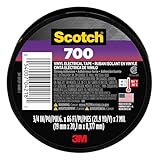
I’ve stood in my garage, dripping wet from a rogue pipe fitting, staring at a roll of black electrical tape. The plumbing tape, the good stuff, was upstairs and I was elbow-deep in a leaky situation. The question burned in my mind: can electrical tape be used as plumbers tape? It’s sticky, it’s flexible, it feels like it should work, right? Well, let me tell you, my initial optimism was about as waterproof as a sieve.
We’ve all been there – a DIY emergency strikes, and you’re rummaging through your toolbox, hoping for a miracle. Electrical tape is everywhere, practically a universal fix-all. But when it comes to water pressure and threaded pipes, a universal fix-all can turn into a universal disaster. So, can it? The short answer is a resounding ‘no,’ but the long answer is a bit more nuanced, and frankly, a lot more expensive if you get it wrong.
The Electrical Tape Myth: Why It Fools You
Look, I’m going to cut to the chase. The idea that can electrical tape be used as plumbers tape is a myth, a dangerous one at that. I learned this the hard way. About five years ago, I had a minor leak under my kitchen sink.
Nothing major, just a slow drip. I was out of actual plumber’s tape (the PTFE kind, you know, the white stuff that looks like it’s made of solidified cloud) and I spotted my trusty roll of electrical tape.
It’s stretchy, it’s black and grippy, and it felt like it would do the job of sealing those threads. I wrapped it around, feeling pretty smug about my ingenuity. I tightened the fitting, turned on the water, and… silence.
No leaks. Victory!
I high-fived myself, thinking I’d discovered a life hack.
Fast forward about three days. The drip was back, but worse.
Not only was it dripping, but the electrical tape had somehow loosened and was actively pushing out water. It hadn’t sealed anything; it had created a worse problem. The tape had expanded slightly with the water, and the pressure had worked it right out of the threads. It looked like a sad, black, soggy worm oozing from the fitting.
The mess that followed, with water everywhere and me scrambling for towels, cost me more in time and cleanup than a single roll of proper plumber’s tape ever would. Electrical tape is designed for insulation and minor abrasion protection on wires, not for creating a watertight seal under pressure.
Its adhesive properties are great for sticking to itself and smooth surfaces, but they don’t have the same ‘gripping’ or expansion-contraction resistance that plumber’s tape does.
People often get confused because electrical tape is stretchy. They think, “Oh, it conforms to the threads, so it must seal.” That’s where the misunderstanding happens. While it does conform, it doesn’t create the micro-seal that PTFE tape does. PTFE tape works by filling the tiny gaps in the threads and creating a flexible barrier that actually hardens slightly and compresses under pressure. Electrical tape, on the other hand, just stretches and can degrade over time, especially when exposed to water and temperature fluctuations common in plumbing systems. It’s like trying to patch a leaky boat with cling film; it might hold for a minute, but it’s not built for the job.
What Plumber’s Tape Actually Does (and Why Electrical Tape Doesn’t)
Let’s get down to brass tacks about what proper plumber’s tape, also known as PTFE tape or Teflon tape, actually does. Its primary function is to lubricate threads and create a watertight seal. The material itself, polytetrafluoroethylene (PTFE), is a non-reactive plastic with a very low coefficient of friction. When you wrap it around the male threads of a pipe fitting, you’re basically filling in the microscopic gaps and imperfections between the two mating surfaces. As you tighten the fitting, the tape compresses and slightly deforms, filling these voids and preventing water from escaping. (See Also: Can I Use Electrical Tape To Connect Wires )
The magic of PTFE tape lies in its ability to be compressed without losing its sealing properties. It’s also resistant to most chemicals and won’t degrade or rot when exposed to water, unlike many other materials. The common advice is to wrap it clockwise (when looking at the end of the fitting you’re threading) about three to five times, depending on the thickness of the tape and the type of fitting. This makes sure that as you screw the fitting on, the tape gets pushed into the threads and doesn’t unravel. It creates a slick surface, making it easier to tighten the fitting without galling the threads, but more importantly, it creates that barrier.
Now, why does electrical tape fall so miserably short? For starters, its adhesive.
Electrical tape uses a rubber-based adhesive that’s designed to stick well to itself and to insulated surfaces. This adhesive is not designed to withstand constant water pressure or the mechanical stresses of threaded pipe connections. Over time, water can get under the adhesive, breaking its bond.
Moreover, the tape itself isn’t formulated for this kind of exposure. It can become brittle, crack, or even dissolve when in prolonged contact with water, especially if it contains any solvents or impurities.
Think about it: electrical tape is meant to keep electricity in, not water out under pressure. The fundamental materials and their intended applications are entirely different. You wouldn’t use a screwdriver to hammer a nail, and you shouldn’t use electrical tape where plumber’s tape is needed.
Common Mistakes and Why They Lead to Disaster
The most common mistake, as I’ve already confessed, is assuming that because something is a tape and it’s sticky, it can substitute for specialized plumbing tape. It’s a temptation born of convenience and a desire to avoid a trip to the hardware store. But this convenience often comes with a hefty price tag in the form of water damage and costly repairs. Another mistake people make, even with real plumber’s tape, is not wrapping it correctly. If you don’t wrap it tightly enough, or if you wrap it in the wrong direction (counter-clockwise), it can unravel as you tighten the fitting, leaving you with a leak.
When people try to use electrical tape, they compound these errors. They might wrap it multiple times, thinking more layers equal more sealing.
But with electrical tape, this can actually make the problem worse. Overlapping layers of electrical tape can create thicker, less uniform seals that are more prone to failure under pressure. The tape can bunch up, creating channels for water to escape.
I’ve heard stories of people using duct tape, masking tape, even packing tape – all with the same predictably disastrous results. It’s not just about the seal; it’s about the material’s integrity under stress and constant moisture. These tapes are not designed to handle the consistent pressure exerted by a water system, nor the temperature fluctuations. They can become brittle, lose their adhesive, or even degrade chemically, making the problem worse than it was before you started.
The real danger here isn’t just a minor drip; it’s a catastrophic failure. A fitting that’s been sealed with the wrong material can suddenly burst, leading to significant water damage to your home. This can mean ruined flooring, damaged drywall, mold growth, and even structural issues.
The cost of repairing this kind of damage far outweighs the few dollars you save by not buying the correct plumber’s tape. It’s a false economy that can lead to thousands of dollars in repairs.
So, if you’re in a pinch, the best thing to do is often to turn off the water supply and make a trip to the store. It’s a lesson I learned with a soggy floor and a lesson I’m happy to share to save you the trouble. (See Also: Can Electrica Tape Catch On Fire )
Real-World Use Cases: When It Fails, Why It Fails
Let’s talk about the actual performance of electrical tape in a plumbing context. I’ve seen it used for temporary fixes on low-pressure, non-important applications, and even then, it’s a gamble. For instance, someone might use a small piece to temporarily seal a leaky garden hose connection that’s not under constant high pressure. In these scenarios, the tape might hold for a short while because the water pressure is minimal, and the connection isn’t carrying potable water. However, even in these less demanding situations, it’s a poor substitute. The adhesive breaks down, the tape gets gummy, and eventually, it leaks.
The failure mode with electrical tape is usually rapid and dramatic when used on actual plumbing. Unlike PTFE tape, which provides a gradual indication of failure (a slow drip), electrical tape can fail suddenly and completely. This is because the adhesive isn’t designed to bond with the metal or plastic threads in a way that resists water pressure.
As soon as the pressure finds a weak spot, it can blow through. I remember a friend who tried to seal a radiator valve connection with electrical tape during a cold snap because he couldn’t find plumber’s tape.
Within an hour, the tape had completely detached, and hot water was gushing everywhere, creating a scalding mess and a significant amount of damage. The heat from the radiator also likely accelerated the breakdown of the tape and its adhesive.
The material itself isn’t inert like PTFE. Many electrical tapes contain plasticizers and other chemicals that can react with water or degrade over time, especially with changes in temperature. This means the tape can become brittle, lose its tensile strength, and basically disintegrate.
When this happens, it doesn’t just stop sealing; it can leave sticky residue in your fittings, making future repairs more difficult. The common advice you might find online about using electrical tape as a plumbing tape is often from people who have either never truly tested it under pressure, or who have only had short-term, low-stakes ‘successes’ that are bound to fail eventually.
It’s like saying you can use a paper towel as a rain jacket; it might work for a minute in a drizzle, but it’s not designed for the task and will fail when you need it most.
When to Bite the Bullet: The Right Tool for the Job
Look, I’m all for saving a buck and getting creative with tools. I’ve jury-rigged more things than I can count. But when it comes to plumbing, especially anything connected to your main water supply or carrying potable water, you absolutely have to use the right materials.
Electrical tape is NOT the right material to use as plumbers tape. It’s a dangerous shortcut that will almost certainly lead to leaks, water damage, and more expensive repairs down the line.
The cost of a roll of proper PTFE tape is pennies on the dollar compared to the potential cost of water damage restoration. A typical 1/2-inch wide, 520-inch long roll of good quality PTFE tape can be found for around $5-$10.
Compare that to the potential thousands of dollars in damage from a burst pipe.
The real danger isn’t just the cost; it’s the potential for significant damage to your home and the safety hazards associated with water leaks, like electrical shorts or mold growth. Even for non-potable water lines, like those for an outdoor spigot, using the wrong tape is a gamble. The pressure from the municipal water supply is significant, and a failure can still cause considerable damage. (See Also: Can I Substitute Duct Tape For Electrical Tape )
If you find yourself in a situation where you absolutely must make a temporary repair and have no plumber’s tape, your best bet is to turn off the water supply to the affected line and go get the proper materials. If that’s not possible, some people have had very limited, short-term success with thread sealants (pipe dope), but that’s still a dedicated plumbing product. Electrical tape is just… electrical tape.
Here’s a quick comparison of what you should use versus what you shouldn’t:
| Application | Recommended Material | Why It Works | Verdict on Electrical Tape |
|---|---|---|---|
| Connecting threaded pipes (water supply, drains) | PTFE Plumber’s Tape (3-5 wraps clockwise) OR Pipe Dope | Fills gaps, lubricates, seals under pressure, chemically inert | FAIL: Adhesive fails, tape degrades, causes leaks and damage. |
| Sealing garden hose connections (low pressure, temporary) | PTFE Plumber’s Tape or a rubber washer | Provides a gasket or a compressible seal | POOR CHOICE: Might hold briefly, but will degrade and leak quickly. |
| Electrical wire insulation | Electrical Tape (vinyl, EPR, or high-voltage rated) | Provides electrical insulation and some physical protection | CORRECT USE: Designed for electrical applications. |
The takeaway is simple: use the right tool for the job. Electrical tape has its uses, and it’s a fantastic product for what it’s designed for. But when it comes to plumbing, it’s a recipe for disaster. Don’t be tempted by the easy fix; it’s rarely the best fix, and with plumbing, it’s almost always the wrong fix.
People Also Ask:
Is Electrical Tape Waterproof?
While electrical tape is water-resistant, it is not truly waterproof, especially under sustained pressure. The adhesive can eventually break down, and the tape material itself can absorb moisture or degrade when constantly exposed to water. It’s designed to insulate wires, not to create a watertight seal on plumbing fittings.
Can I Use Duct Tape Instead of Plumber’s Tape?
No, duct tape is also a terrible substitute for plumber’s tape. Like electrical tape, its adhesive is not designed for water pressure, and the tape itself will degrade and fail. Duct tape is more for general repairs and sealing, not for creating watertight threaded connections.
How Many Wraps of Plumber’s Tape Are Needed?
Generally, 3 to 5 wraps of standard PTFE plumber’s tape are sufficient for most threaded pipe connections. Thicker tapes or very coarse threads might require an extra wrap or two. The key is to wrap it clockwise around the male threads and make sure it’s snug but not overly stretched.
What Happens If You Don’t Use Plumber’s Tape?
If you don’t use plumber’s tape or an equivalent pipe sealant on threaded pipe connections, you risk leaks. The threads have microscopic imperfections that allow water to escape. The tape or sealant fills these gaps, creating a watertight seal. Without it, even a tightly screwed-together fitting can weep or drip water.
The Verdict: Electrical Tape Is Not Plumbers Tape
So, to put it bluntly, can electrical tape be used as plumbers tape? Absolutely not. It’s a tempting thought when you’re in a bind, staring at a leaky faucet with a roll of black tape in your hand and no plumber’s tape in sight. I’ve been there, I’ve made that mistake, and I’ve paid the price in water damage and frustration. Electrical tape is designed for electrical insulation and protection; its adhesive and material properties are entirely unsuited for the pressures and moisture inherent in plumbing systems.
The consequences of using electrical tape as a substitute can range from a minor, annoying drip that returns within days to a catastrophic pipe burst that floods your home. The adhesive will break down, the tape will degrade and lose its integrity, and the pressure will find its way through. You’re not saving time or money; you’re setting yourself up for bigger, more expensive problems. It might seem like a clever DIY hack in the moment, but in reality, it’s a gamble with your home’s integrity.
My advice is straightforward: always use the correct materials for the job. A roll of plumber’s tape is inexpensive and readily available at any hardware or home improvement store. Investing a few dollars in the right product will save you potentially thousands in repairs and a whole lot of stress. Don’t let the convenience of having electrical tape nearby tempt you into a plumbing disaster. Stick to using it for its intended purpose, and for plumbing threads, always reach for genuine PTFE tape or a quality pipe sealant.
Final Verdict
The short, unvarnished truth is that electrical tape is simply not designed to be plumbers tape. My own experience with a leaky sink fitting taught me this lesson the hard way, turning a minor inconvenience into a soggy mess and a costly cleanup. The properties that make electrical tape good for wiring – its flexibility and adhesive – are precisely what make it fail miserably when trying to seal water under pressure.
If you’re facing a plumbing issue and are tempted to reach for that roll of black tape, I urge you to reconsider. The few dollars you might save upfront will be dwarfed by the expense of repairing water damage if (and when) the tape fails. It’s a gamble that simply isn’t worth taking. Always use proper PTFE tape or pipe sealant for any threaded plumbing connections.
So, next time you’re staring at a plumbing problem, remember my soggy floor. Reach for the correct tool, the right tape, and save yourself the headache. Your home will thank you for it, and your wallet will too.