I’ve seen people do some wild stuff with duct tape. Like, tape a car bumper back on the highway wild. But when someone asked me if can duck tape be used as electrical tape, my first thought was a groan. Not because it can’t do something, but because the real answer is a messy mix of ‘sort of’ and ‘don’t be an idiot about it.’ You’ve probably seen those quick fixes online, right? Shiny silver tape wrapped around a frayed wire. Looks simple. But is it a good idea? Let’s get real.
I’ve spent my fair share of time in garages, basements, and on job sites where a quick fix was the only option. And believe me, I’ve learned the hard way that not all tapes are created equal, especially when electricity is involved. So, let’s cut through the internet noise and talk about what actually happens when you try to use duct tape for electrical work.
So, Can Duck Tape Be Used as Electrical Tape? The Short, Unsatisfying Answer
Alright, let’s rip off the band-aid. Can duct tape physically cover exposed wires? Yes. Will it hold them together for a few minutes in a pinch? Probably. But is it a proper, safe, or even remotely reliable substitute for actual electrical tape? Absolutely not. Think of it like using a butter knife to chop steak. You can do it, but it’s a terrible idea and you’ll end up with a mess.
The fundamental problem is that duct tape is designed for adhesion to a wide range of surfaces and for general-purpose holding. It’s made of a polyethylene film laminated to cloth scrim with a strong, often rubber-based adhesive. This adhesive, while sticky, isn’t formulated for the specific demands of electrical insulation.
It can break down over time, especially when exposed to heat, which is a very common byproduct of electrical current, even in minor faults or overloaded circuits. When that adhesive fails, you’re left with exposed wires, which is exactly what electrical tape is supposed to prevent. I once tried to “fix” a garden sprinkler timer wire with duct tape during a sudden downpour because the actual waterproof tape was buried in my toolbox.
Big mistake. A week later, the wire was still exposed, and the tape had started to peel away like soggy cardboard, letting water right in. Lesson learned: water + duct tape adhesive = no good.
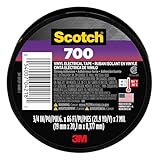
Electrical tape, on the other hand, is made from vinyl (PVC). This material is inherently flexible, stretchy, and most importantly, it’s designed to provide excellent dielectric strength – that’s its ability to resist electrical current. It also has a specific type of adhesive that remains stable and insulating across a wider temperature range and doesn’t degrade as easily when exposed to the ozone produced by electrical discharges. So, while duct tape might look like it’s doing the job on the surface, it’s failing on a molecular and chemical level when it comes to electrical safety.
The common advice you see online, often from folks who’ve never actually dealt with a real electrical issue, is that duct tape is “good enough for a temporary fix.” I’m going to call BS on that right now.
There’s no such thing as a safe “temporary fix” when it comes to electricity. The risk of fire, shock, or further damage is too high. If you’re in a situation where you’re tempted to reach for the duct tape for an electrical repair, you’re already in a bad spot, and the solution needs to be proper, not makeshift. It’s like saying you can use a band-aid to seal a leaky gas pipe.
You can cover it, but that doesn’t make it safe or functional.
Let’s be crystal clear: duct tape is for sealing boxes, patching tarps, holding things together temporarily in non-important situations, and maybe, maybe, a quick emergency patch on a bike tire if you’re miles from nowhere. It is NOT for electrical insulation. The materials are fundamentally different, and the consequences of using the wrong one are far too severe to even consider it. (See Also: Can I Use Electrical Tape To Connect Wires )
Why Duct Tape Fails Where Electrical Tape Excels
The core difference boils down to materials science and intended purpose. Electrical tape, specifically vinyl electrical tape, is engineered for one job: insulating and protecting electrical wires. Its flexibility allows it to stretch and conform to irregular shapes, making sure complete coverage without gaps or tears, which are notorious weak points for electrical insulation. This stretchiness is key; it allows the tape to create a tight, smooth seal that won’t easily loosen or crack. When you wrap electrical tape, you’re building layers of reliable insulation.
Duct tape, by contrast, is rigid. While it has adhesive, it doesn’t have that inherent stretch and elasticity. Trying to wrap it around a wire creates a stiffer, more brittle covering. If the wire bends or flexes, the duct tape is far more likely to crack or peel away from the adhesive side, exposing the conductor. Furthermore, the adhesive on duct tape is designed for general adhesion. It can become gummy or brittle depending on temperature fluctuations. In an electrical application, wires can get warm, especially if there’s a slight overload or a poor connection. This heat can soften the duct tape adhesive, causing it to ooze or detach. Conversely, in colder conditions, it can become brittle and crack.
This brings me to the heat aspect. Electrical work, even low-voltage, can generate heat. High-voltage work? That’s a whole other ball game.
Electrical tape is rated for specific temperature ranges and voltage levels. Duct tape has no such ratings.
Its fabric backing can also be a fire hazard. If a short circuit does occur and the duct tape fails, that cloth material can act as a wick for any sparks or heat, potentially igniting a fire. I learned this the hard way when I tried to insulate a low-voltage outdoor light fixture’s connection. It worked for about three weeks, then a humid summer day followed by a cool night caused enough expansion and contraction that the tape loosened, and a tiny spark from a loose strand of wire ignited the cloth backing.
Just a tiny puff of smoke, but it was enough to scare the living daylights out of me and confirm that duct tape is decidedly not for electrical jobs.
The dielectric strength of electrical tape is most important. This is its ability to withstand an electrical field without conducting current. High-quality electrical tape can have a dielectric strength of over 10,000 volts. Duct tape? It’s not rated, but it’s certainly not designed for this. Its insulating properties are minimal and unreliable. So, while it might feel like you’re covering the wire, you’re really just putting a flimsy, unreliable barrier over a live conductor. It’s like wearing a thin cotton shirt in a blizzard and thinking you’re protected from the cold. It’s better than nothing, but only just.
When you’re looking at the common advice, you’ll often see people suggesting it for low-voltage applications like speaker wire or LED strip lights. While the immediate risk of electrocution might be lower, the risk of fire or damaging your equipment is still very real. And the principle remains the same: use the right tool for the job. You wouldn’t use a hammer to drive a screw, so why would you use duct tape for electrical work?
Common Mistakes and Dangerous Misconceptions
The biggest, most dangerous misconception is that “duct tape fixes everything” extends to electricity. It doesn’t. People see it as a universal adhesive solution, and that’s a fallacy that can lead to serious trouble. A close second is believing that just because something is rated for outdoor use or is waterproof, it’s automatically suitable for electrical work. Waterproofing and electrical insulation are entirely different beasts. A waterproof tape might stop water, but it won’t necessarily stop electricity from flowing, and it might not handle the heat generated by electrical current.
Another common mistake is not using enough layers. Even if you were to consider duct tape for a very temporary, extremely low-voltage situation (which, again, I strongly advise against), people often don’t apply enough layers to even offer a semblance of decent coverage. They wrap it once or twice, thinking they’re done. Electrical tape is often applied in overlapping strips, building up a thick, solid layer of insulation. Duct tape doesn’t have the same properties to benefit from layering in the same way. The cloth scrim can also leave adhesive residue behind, which can interfere with proper repairs later on. (See Also: Can Electrica Tape Catch On Fire )
I remember a friend who insisted on using duct tape to secure the frayed end of a power cord on his old stereo system. He said, “It’s just a little bit of fraying, it’ll be fine.” Within a month, the heat from the cord caused the adhesive to soften, and the wires started to poke through. He was lucky it didn’t cause a short circuit or a fire. It was a stark reminder that the “good enough” mentality when it comes to electrical repairs is just asking for disaster. It’s tempting to save a few bucks or skip a trip to the hardware store, but the cost of a fire or an electrical shock is immeasurable.
People also underestimate the importance of proper adhesion and flexibility. Electrical tape’s adhesive is designed to bond securely and remain intact under stress and temperature changes. Duct tape’s adhesive is more general purpose and less forgiving. It can dry out, lose its tack, or become too soft, all of which compromise its ability to act as an insulator. The flexibility of vinyl electrical tape is also important for making sure it wraps snugly around wires, preventing air pockets or gaps where moisture or conductive dust could enter. Duct tape is too stiff for this.
Finally, there’s the issue of flammability. The cloth backing of duct tape can be a significant fire risk if exposed to sparks or excessive heat. Electrical tape is typically flame-retardant. This is a important difference that many people overlook when they’re just trying to make a quick fix. The idea that it’s “just a little bit of exposed wire” is where the danger lies; even a small spark can ignite the wrong materials.
Real-World Scenarios: When You Absolutely Need Electrical Tape
Let’s be blunt: if you’re dealing with anything that carries a current, you need proper electrical tape. This isn’t a suggestion; it’s a safety requirement.
Think about repairing a frayed extension cord. Those cords are subjected to a lot of movement, potential abrasion, and varying temperatures.
Using duct tape here is like putting a cartoon bandage on a gaping wound. If the insulation on an extension cord fails, you risk shocks, burns, and fires. Electrical tape, applied correctly, can restore a safe insulating layer.
I once had to splice a section of a broken cord for a power tool that was halfway through a job. I used proper 3M Super 33+ electrical tape, making sure to wrap it with good overlap. It held up perfectly through hours of use and the subsequent move of my workshop.
Another scenario is working on appliance repairs. You might be replacing a heating element, fixing a faulty switch, or re-wiring a connection inside a washing machine or oven. These appliances generate heat, and the electrical components are often in close proximity to other materials. Using duct tape here is incredibly risky. The heat can degrade the adhesive, and the cloth backing could potentially ignite. Electrical tape, with its temperature resistance and flame-retardant properties, is designed for these kinds of environments. I’ve had to replace wiring harnesses on older refrigerators and the original insulation was often a type of rubberized tape or PVC, which is why vinyl electrical tape is the go-to replacement.
Consider automotive electrical work. Car wiring harnesses are exposed to engine heat, vibration, and road grime. While specialized automotive tapes exist, good quality vinyl electrical tape is often used for basic insulation and bundling of wires. Duct tape would disintegrate under these conditions in no time, leading to shorts and potential vehicle malfunctions or fires. I remember a buddy’s car started having intermittent electrical gremlins, and we traced it back to a poorly insulated splice that had been done with – you guessed it – duct tape. It had melted and cracked from engine heat, exposing wires to moisture and vibration. A proper electrical tape fix sorted it out immediately.
Even for something as seemingly simple as fixing a cracked wire casing on a lamp, electrical tape is the correct choice. The wire inside carries current, and the casing is there for safety. If that casing breaks, you need to restore that safety barrier. Duct tape will give you a false sense of security. It might stick for a while, but it’s not providing the electrical insulation you need. The adhesive can fail, the tape can degrade, and you’re left with a hazard. Always, always opt for genuine electrical tape when dealing with any wiring that carries power, no matter how low the voltage seems. Your safety, and the safety of your home or vehicle, depends on it. (See Also: Can I Substitute Duct Tape For Electrical Tape )
Comparing the Tapes: What to Look For
When you’re in the store, looking at tapes, it’s easy to get confused. They all look sticky. But there are key differences. For electrical work, you want vinyl electrical tape. Look for terms like “vinyl electrical tape,” “insulating tape,” or “300V” or “600V” ratings on the packaging. Reputable brands like 3M (their Super 33+ and Super 88 are industry standards), Scotch (a 3M brand), or Gardner Bender are good bets. The tape should be flexible, stretchy, and have a smooth, non-cloth surface. It should feel a bit tacky but also solid.
Here’s a quick rundown of what to expect:
| Tape Type | Primary Use | Adhesive Type | Flexibility | Temperature Resistance | Dielectric Strength | Opinion/Verdict |
|---|---|---|---|---|---|---|
| Vinyl Electrical Tape | Electrical Insulation, Wire Harnessing | Rubber-based, Pressure-sensitive | High, Stretchy | Good (often -10°F to 220°F or higher) | Excellent (typically >10,000V) | YES – The only real choice for electrical work. Safe, reliable, designed for the job. |
| Duct Tape (Cloth-backed) | General Purpose Repair, Sealing, Holding | Aggressive, Rubber/Solvent-based | Low, Stiff | Poor to Moderate (degrades with heat/cold) | Negligible / Not Rated | NO – Never for electrical. Fails under heat, offers no real insulation, fire risk. |
| Cloth Tape (e.g., Hockey Tape, Fabric Tape) | Grip enhancement, Binding, Sealing (non-important) | Varies, often fabric-reinforced | Low, Rigid | Varies, usually moderate | Negligible / Not Rated | NO – Not insulated, potential fire hazard. |
| Masking Tape | Painting, Light-duty holding | Water-soluble or synthetic rubber | Moderate | Low | Negligible | NO – Degrades quickly with moisture/heat, no insulation. |
When you’re choosing electrical tape, don’t skimp. The cheap, no-name brands are often made with inferior materials that might not provide the necessary insulation or might degrade quickly. I once bought a roll of generic “electrical tape” for about $1.50, thinking I was being clever. It looked okay, but when I tried to wrap it around a slightly bent wire, it creased and tore. It felt brittle. I tossed it and bought a proper roll of 3M. The difference was night and day. The 3M tape stretched beautifully, conformed perfectly, and felt like it would actually protect something.
Also, consider the environment. For outdoor or high-heat applications, look for specific high-temperature electrical tapes. For general household wiring, standard vinyl electrical tape (like 3M Super 33+) is usually sufficient. Always check the voltage and temperature ratings on the packaging to make sure it’s appropriate for your specific task. Remember, the goal is to create a safe, insulating barrier. Duct tape simply cannot do that reliably. It’s a tough tape, sure, but toughness isn’t the same as electrical safety.
The Final Verdict: Stick to What Works
Look, I get it. Duct tape is the Swiss Army knife of adhesives. It’s strong, it’s versatile, and it’s usually within arm’s reach. But when it comes to electrical wiring, its versatility is a dangerous illusion. The common advice that can duck tape be used as electrical tape in a pinch is a bad, bad idea. It’s a recipe for potential disaster, whether that’s a small shock, a fire, or damage to your equipment. The materials, the properties, the ratings – they’re all fundamentally different.
I’ve seen too many hack jobs and heard too many stories of things going wrong because someone reached for the wrong tool. The few dollars you might save by not buying proper electrical tape are absolutely not worth the risk. Electrical tape is relatively inexpensive, and a single roll can last you a long time for household repairs. It’s a small investment in safety. So, next time you’re faced with a frayed wire, resist the urge to grab that roll of silver tape. Reach for the proper vinyl electrical tape. Your future self, and anyone who might be near that repair, will thank you.
Can Duct Tape Be Used for Low-Voltage Wiring?
Even for low-voltage wiring, such as speaker wire or LED strip lights, using duct tape is not recommended. While the immediate risk of severe electrocution is lower, the potential for fire or equipment damage remains. Duct tape’s adhesive can degrade with heat and time, and its cloth backing can be flammable, posing a safety hazard. Always use proper electrical tape for any wiring application, regardless of voltage.
What Happens If You Use Duct Tape as Electrical Tape?
If you use duct tape as electrical tape, the adhesive can break down due to heat generated by electrical current, causing the tape to peel and expose the wires. The cloth backing is also flammable, increasing the risk of fire. Duct tape lacks the necessary dielectric strength and flexibility to provide reliable insulation, leading to potential short circuits, shocks, or equipment damage.
Is There Any Situation Where Duct Tape Is Acceptable for Electrical Work?
There is no situation where duct tape is considered acceptable or safe for actual electrical insulation or repair. Its properties are fundamentally unsuited for this purpose. While it might hold things together physically, it does not provide the necessary electrical insulation, temperature resistance, or fire retardancy required for electrical safety. Always use dedicated electrical tape for any electrical wiring.
Final Verdict
So, to wrap this up: can duck tape be used as electrical tape? The resounding, no-question-about-it answer is no. Not if you value safety, reliability, or want to avoid potential fires and shocks. Duct tape is fantastic for a million other things, but insulating electrical wires is not one of them. It’s a cheap imitation that offers a false sense of security.
When you’re working with electricity, the stakes are just too high to experiment with a product that’s not designed for the job. Invest in a roll of proper vinyl electrical tape. It’s cheap, effective, and most importantly, safe. You’ll find it at any hardware store, and it’s worth its weight in gold when you need it for actual electrical repairs.
Next time you’re tempted to reach for the duct tape for a wire fix, take a deep breath and go get the right tool. It’s a small step that makes a huge difference in safety.