I stared at the frayed wire, a sparking hazard in my garage that had decided to call it quits. My toolbox was a disaster, and the only tape I could find was that ubiquitous silver roll. The question loomed: can duct tape be used as electrical tape? I’d heard whispers, seen it in movies, but my gut screamed ‘bad idea’. Still, desperation can make you do stupid things, and I was pretty desperate.
Look, I’m not an engineer, but I’ve spent enough years wrestling with shoddy wiring, jury-rigged repairs, and more failed DIY projects than I care to admit. I’ve wasted good money on products that promised miracles and delivered duds. So, when it comes to electrical tape or its common cousin, duct tape, I’ve got some hard-won opinions.
This isn’t about fancy jargon; it’s about what works, what doesn’t, and why you should probably steer clear of some common advice when it comes to keeping the sparks contained.
The Myth of the Silver Bullet: Why Duct Tape Fails Where It Matters
Let’s cut to the chase. Can duct tape be used as electrical tape?
Technically, yes, in a pinch, for a very, very temporary fix where safety isn’t immediately compromised and you plan to replace it the second you can get your hands on actual electrical tape. But for anything remotely serious or long-term?
Absolutely not. It’s a recipe for disaster, and I learned this the hard way after a particularly nasty incident with a garden pump that decided to short out during a rainstorm.
I thought duct tape would hold the insulation together, a temporary patch until I could buy proper tape. Big mistake.
The moisture got through, the tape lost its stick, and the whole thing shorted out with a bang, tripping the breaker and giving me a mild shock. My fault for being lazy, but also a testament to duct tape’s limitations. (See Also: Can I Use Electrical Tape To Connect Wires )
The primary reason duct tape is a terrible choice for electrical work is its composition. Real electrical tape is made from vinyl (PVC) and is designed to be non-conductive, stretchy, and resistant to abrasion and various temperatures.
It needs to insulate properly. Duct tape, on the other hand, is basically a fabric mesh coated with a strong adhesive.
That fabric mesh is where the problem lies. While the adhesive itself isn’t super conductive, the fabric backing can and will absorb moisture. Once moisture seeps in, it can create a path for electricity to travel, which is the exact opposite of what you want. Think of it like trying to plug a leak in a pipe with a sponge; it might slow it down for a second, but it’s not going to stop it.
Furthermore, the adhesive on duct tape is designed for general-purpose sticking, not for the specific demands of electrical insulation. It degrades over time, especially when exposed to heat generated by electrical currents or fluctuating temperatures. This degradation means the tape can peel off, leaving the wires exposed and vulnerable. I’ve seen old duct tape jobs where the adhesive has turned into a sticky, gooey mess, offering zero protection and potentially causing shorts or fire hazards. It’s not built for the long haul, and electrical repairs demand reliability.
The common advice you might hear – “just wrap it tight, it’ll hold” – is dangerously flawed. While you can physically wrap duct tape around wires, the underlying material properties make it unsuitable for the job. It lacks the dielectric strength required for electrical insulation. Dielectric strength is the maximum electric field a material can withstand without breaking down and conducting electricity. Standard electrical tape has a significantly higher dielectric strength than duct tape. So, while it might feel like you’re securing something, you’re actually creating a weak point that could fail spectacularly.
The heat generated by even a minor electrical fault can cause duct tape to soften and lose its adhesion, leading to further exposure. It also doesn’t offer much protection against physical damage that might occur to the wire. If a sharp object nicks the insulation covered by duct tape, it’s far more likely to breach the protection than if it were covered by proper electrical tape. My advice? Unless you’re in a genuine, life-or-death emergency where you have absolutely no other option and the fix is temporary until you can get real supplies, leave duct tape far away from your electrical work.
What to Look for: The Real Deal in Electrical Tape
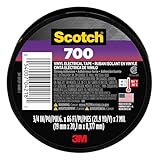
Alright, so if duct tape is a no-go, what should you be looking for? This is where we get into the nitty-gritty of actual electrical tape, and let me tell you, there’s a reason it exists. The gold standard, the stuff you should always have on hand, is vinyl electrical tape. Brands like Scotch (3M) are the usual suspects, and for good reason. They’re reliable, widely available, and perform as advertised. When you pick up a roll, it should feel pliable, slightly stretchy, and have a smooth, matte finish. It’s not stiff like duct tape; it conforms easily to the shape of wires and connectors. (See Also: Can Electrica Tape Catch On Fire )
The key features to understand are its electrical properties. Real electrical tape has a high dielectric strength, meaning it can withstand a significant electrical voltage before it starts to break down. This is its primary job: to insulate. It’s also designed to be flame-retardant, which is a huge safety advantage. If there’s a minor arc or spark, good electrical tape won’t easily catch fire and spread it. Duct tape, on the other hand, is flammable. Another important characteristic is its temperature range. Electrical tape needs to perform in various conditions, from cold attics to warm engine bays. It needs to maintain its adhesive properties and insulating capability without becoming brittle or gooey.
When you’re buying, check the packaging. It should clearly state that it’s “electrical tape” and ideally mention its voltage rating or compliance with safety standards like UL (Underwriters Laboratories). You’ll find different types, but for general home use, a standard vinyl electrical tape will cover most of your needs. There are specialty tapes, like high-voltage tapes or rubber splicing tapes, which have even higher ratings and are used for more specific applications, but for fixing a lamp cord or securing a loose wire connection on an appliance, the basic vinyl stuff is your best bet.
One thing to be wary of is cheap, no-name brands. I once bought a bargain pack of “electrical tape” that looked the part but felt too stiff and gummy. Within a week, one of the repairs I’d done started to unravel, and the adhesive was a sticky mess. It was practically useless. It cost me a few extra bucks to replace it with a reputable brand and, more importantly, the peace of mind that comes with a reliable repair. So, while it’s tempting to save a few dollars, it’s not worth the potential risk. Think of it like buying cheap brake pads for your car – you might save money upfront, but the consequences can be severe.
When applying, the trick is to overlap each wrap by about half the width of the tape. Start wrapping a bit before the damaged area and extend a bit beyond it. Stretch the tape slightly as you wrap; this helps it conform and create a tight, uniform layer. The elasticity of vinyl tape allows it to “cold flow,” meaning it molds to the shape of the object it’s wrapped around, creating a solid, insulating shell. This is a far cry from the rigidity and poor adhesion of duct tape. Understanding these differences is key to making safe and lasting electrical repairs.
Common Mistakes and Why They’re Dangerous
The biggest mistake, as we’ve established, is thinking that duct tape is a viable substitute for electrical tape. It’s a tempting shortcut, especially when you’re in the middle of a project and realize you’re missing a specific item. But this shortcut leads straight into a minefield of electrical hazards. It’s like using a butter knife to cut through concrete; it just doesn’t have the properties for the job and will likely fail, causing more problems than it solves. I’ve seen people try to use it for everything from repairing extension cords to insulating connections on car batteries. Each time, it’s a ticking time bomb.
Another common blunder is not using enough tape. Electrical tape needs to create a solid, fully insulated barrier. This means overlapping generously. Wrapping a single, thin layer with large gaps is asking for trouble. You need to make sure complete coverage of the exposed wire and extend the taping onto the intact insulation on either side. This creates a smooth shield. When I’m taping, I usually aim for at least three layers, with each layer overlapping the previous one by about half its width. This might seem like overkill, but it makes sure that any minor imperfections in one layer are covered by the next.
People also make the mistake of using the wrong type of tape for the specific electrical job. While standard vinyl electrical tape is great for most household wiring, there are situations that call for specialized tapes. For instance, if you’re dealing with high-voltage lines or very high-temperature environments (like in an engine compartment), you might need a high-temperature electrical tape or a rubber splicing tape. Using standard tape in these conditions could lead to premature failure. I once tried to fix a heating element wire on an old toaster with regular electrical tape, and it melted within minutes. Lesson learned: match the tape to the application’s demands. (See Also: Can I Substitute Duct Tape For Electrical Tape )
Over-tightening or under-tightening the tape can also be an issue. If you don’t stretch the vinyl tape enough as you wrap, it won’t conform properly and might not create a solid, continuous insulating layer. Conversely, if you stretch it too much and it snaps, you’ve just wasted tape and potentially created a weak point.
The “sweet spot” for stretching is when the tape feels pliable and molds easily to the surface without thinning out too much or breaking. It takes a little practice
Conclusion
So, to bring it back to that frayed wire in my garage: did I use duct tape? Nope.
I rummaged until I found a half-used roll of proper vinyl electrical tape. It took me maybe three extra minutes, but I slept soundly that night knowing I wasn’t risking a fire or a shock. The whole idea of using duct tape as electrical tape is a myth that needs to die a quick death.
It’s tempting because it’s everywhere, but its properties are fundamentally wrong for the job.
If you’re tempted to reach for that silver roll when dealing with wires, stop. Take a breath. Go buy the right stuff. It’s cheap, it’s readily available, and it’s designed specifically for electrical insulation. The few dollars you save by not buying proper electrical tape are nothing compared to the potential cost of a fire, a shock, or damaged equipment.
Ultimately, when it comes to anything involving electricity, safety has to be the absolute priority. Don’t guess, don’t improvise with the wrong tools, and for heaven’s sake, don’t use duct tape as electrical tape. Your wallet, your home, and your safety will thank you for it.