Look, we’ve all been there. You’ve got a wire looking a bit frayed, maybe a lamp cord that’s seen better days, and that roll of silver tape is staring you down from the toolbox. It’s the universal fix-it, right? But when it comes to your home’s wiring, the question ‘can duct tape be used for electrical?’ needs a much sharper answer than a simple ‘yes’ or ‘no’. I’ve wasted more money than I care to admit on products that promised the moon and delivered dust, and when it comes to electrical work, shortcuts can cost you big time, and sometimes, a whole lot more.
The temptation is strong. It’s readily available, cheap, and sticks to pretty much anything. But electrical insulation is a serious business, and slapping some fabric-backed adhesive over a potential hazard is a gamble that rarely pays off in the long run. Let’s cut through the noise and get to what actually matters for your safety and your wallet.
The Siren Song of Silver: Why Duct Tape Feels Like an Electrical Solution
There’s an almost primal urge when you see a loose wire or a cracked cord to grab the nearest roll of duct tape. It’s the go-to for fixing leaky pipes, holding together broken car parts, and basically anything that threatens to fall apart. So, the thought process goes: if it can hold a bumper on, surely it can handle a little electrical wire, right? It’s cheap, readily available, and, let’s be honest, it’s satisfyingly quick.
You wrap it around, press it down, and voilà – problem seems solved. I remember one time, a garden light cord got chewed by a squirrel, and my first instinct was to wrap it tight with duct tape. It held for a week, maybe two.
Then, during a particularly heavy rainstorm, the tape got saturated, lost its grip, and the light flickered out, along with a healthy dose of my confidence in that quick fix. The real issue isn’t just the initial adhesion; it’s what happens over time, and under stress.
The sticky side of duct tape is typically a rubber-based or acrylic adhesive. While it’s designed to bond to a wide variety of surfaces, it’s not designed to be an electrical insulator. It can degrade, melt, or become brittle when exposed to heat, which is a natural byproduct of electricity flowing through wires, especially if there’s any resistance or a minor fault.
Plus, the fabric backing, while strong for structural repairs, offers zero protection against electrical current. Think about it: it’s designed to be strong, not to stop electricity in its tracks. That’s a job for materials specifically engineered for dielectric strength – the ability to withstand an electric field without conducting electricity.
Duct tape’s dielectric strength is practically non-existent for any serious electrical application. It might offer a sliver of protection against accidental physical contact with a bare wire, but it’s a pathetic barrier against actual current flow.
The common advice that it’s a temporary fix is technically true, but it’s a woefully inadequate one for anything beyond the most superficial, non-important cosmetic repair where no current is flowing, and even then, I’d question it.
The temptation to use duct tape for electrical issues often stems from a misunderstanding of what electrical tape is and why it’s different. Electrical tape is made from vinyl (PVC), which has excellent elasticity, flexibility, and, most importantly, high dielectric strength. It’s designed to stretch and conform to wires, creating a smooth, insulated barrier that can handle significant voltage. Duct tape, on the other hand, is primarily about adhesion and physical strength, not electrical resistance. Its adhesive can become conductive as it ages or heats up, and the fabric backing provides no insulation whatsoever. So, while it might hold things together physically for a short while, it fails miserably at its most important job: preventing electrical shock or short circuits.
Why the Common Wisdom Is Wrong (and What to Use Instead)
Let’s get this straight: the idea that duct tape is a universal fix, even for temporary electrical repairs, is one of those pieces of bad advice that gets passed around like a bad cold. I’ve seen people wrap extension cords with it, mend frayed appliance wires, even try to patch up outdoor lighting connections.
It’s a recipe for disaster waiting to happen. I once tried to “fix” a frayed cord on an old electric heater using duct tape because, hey, it was cold and I was impatient.
Within an hour, the tape was gooey, smelled burnt, and the heater started making alarming crackling noises. That was the last time I ever even considered duct tape for anything remotely electrical. It’s not just about the immediate risk; it’s about the long-term degradation of the materials and the potential for the problem to worsen unnoticed.
The common advice often boils down to “it’s just a temporary fix.” And sure, in the sense that it might hold for a few hours or a day, it’s technically temporary. But that’s like saying a leaky roof is temporarily fixed with a bucket underneath. It’s not addressing the root cause, and it’s creating new, potentially more dangerous problems.
Duct tape’s adhesive breaks down under heat, which is an inherent part of electrical current flow. This breakdown can lead to the adhesive becoming conductive or simply failing, exposing the wire. Furthermore, the fabric backing offers no dielectric insulation.
If there’s a short circuit or arcing, duct tape is utterly useless at stopping it. The common advice is often given by people who haven’t actually seen the failure modes of duct tape in an electrical context or who are willing to take risks I wouldn’t wish on my worst enemy.
So, what should you use? It’s simple: electrical tape.
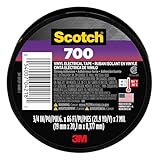
This isn’t just any old tape; it’s specifically designed for the job. Made from vinyl (PVC), it has excellent elasticity, allowing it to stretch and conform to irregular shapes, creating a smooth, smooth insulating barrier. It’s also resistant to abrasion, moisture, and a wide range of temperatures, and critically, it boasts a high dielectric strength, meaning it can withstand significant voltage before breaking down. I’ve got rolls of 3M Super 33+ and Super 88 electrical tape that have been in my toolbox for years, and they’re still pliable and sticky. (See Also: Can I Use Electrical Tape To Connect Wires )
They’re relatively inexpensive, costing maybe $5-$10 for a roll that will last you ages, compared to the potential cost of fire damage or medical bills from an electrical shock. For a truly solid, permanent repair on damaged insulation, heat-shrink tubing is the gold standard, often used in conjunction with electrical tape for added protection and strain relief. But for basic insulation and bundling wires, proper electrical tape is the only game in town.
The Real Risks: What Happens When Duct Tape Meets Electricity
Let’s talk turkey. When you use duct tape on an electrical wire, you’re not insulating; you’re just… covering. The fabric on the back of duct tape is highly porous and offers zero protection against electricity. It’s like trying to stop a flood with a sieve.
The adhesive itself isn’t designed for electrical use either. It can melt when wires heat up – and wires do heat up, especially if there’s a loose connection or the wire is carrying more current than it’s rated for. When that adhesive melts, it can become conductive, or worse, it can fail, allowing the tape to peel away and expose the live wire.
I had a friend, bless his heart, who tried to “fix” a frayed cord on his TV with duct tape. He figured it was high up behind the entertainment center, out of sight, out of mind. A few months later, he woke up to the smell of smoke. The duct tape had failed, the insulation underneath was compromised, and it had started to arc.
Luckily, the smoke alarm went off, but the TV was toast, and his living room had some serious scorch marks. That’s the kind of gamble you’re taking.
The main danger is pretty straightforward: electric shock and fire. Duct tape offers no real dielectric strength.
This means it won’t prevent electricity from flowing through it. If you touch a wire wrapped in duct tape that has a breach in its insulation, you’re still going to get shocked. It might feel a bit better because there’s a layer of tape, but that’s a false sense of security.
The real killer is the fire risk. Overheating wires, arcing, and short circuits are common issues with damaged electrical cords. Duct tape’s adhesive can degrade and even ignite under these conditions.
The fabric backing can also act like a wick, potentially spreading a fire if one starts. The common advice to use it as a temporary fix completely ignores the fact that “temporary” can often be seconds or minutes before a catastrophic failure occurs. It’s not just about preventing a shock; it’s about preventing your house from becoming an inferno. I once found a tangled mess of wires behind a desk, all “secured” with layers of duct tape by a previous tenant.
It looked like a disaster waiting to happen, and frankly, it smelled a bit funny too. I spent an afternoon carefully removing it and replacing it with proper electrical tape and zip ties.
The degradation process isn’t pretty. Over time, UV exposure, temperature fluctuations, and the simple aging of the adhesive will cause duct tape to lose its stickiness and integrity. This is especially true for outdoor or high-heat applications. The fibers can fray, and the adhesive can become brittle or sticky goo, depending on the conditions.
All of this compromises any minimal physical barrier it might have offered. When it comes to electrical wiring, especially in areas that aren’t easily visible or accessible, you need a solution that is designed to last and to perform under specific electrical conditions. Duct tape simply isn’t engineered for this, no matter how many DIY forums might suggest otherwise.
It’s a product designed for sealing, patching, and holding things together in a mechanical sense, not an electrical one.
Comparing Temporary Fixes (and Why Duct Tape Loses)
| Method | Pros | Cons | Verdict |
|---|---|---|---|
| Duct Tape | Readily available, cheap, strong adhesion (initially) | No dielectric strength, adhesive degrades with heat, fabric backing is not insulating, can become conductive, fire risk | Avoid at all costs for electrical. |
| Electrical Tape (Vinyl) | Excellent dielectric strength, flexible, weather/chemical resistant, good adhesion, designed for electrical use | Can be slightly more expensive than duct tape (but still very affordable), requires proper application for best seal | The only acceptable ‘temporary’ fix for insulation. |
| Heat Shrink Tubing | Extremely durable, permanent, excellent insulation, professional look, seals completely | Requires heat source (heat gun or lighter), cannot be removed easily once applied, requires correct sizing | Best for permanent, professional repairs. |
| Wire Nuts | Secure connection for joining wires, easy to use for splicing | Not for insulating exposed wire ends, only for joining wires; requires proper sizing and twisting | Key for joining wires, not for insulating single wires. |
As you can see from the table, duct tape really has no place in electrical work. While it might seem like a quick fix, the risks far outweigh any perceived benefit. Electrical tape is so cheap and so effective that there’s really no excuse not to have it on hand. Investing a few dollars in proper electrical tape can save you a lot of headaches, and potentially, a lot of danger. My personal experience with the melted, smoking duct tape on that heater cord is a stark reminder of why I always keep a roll of good quality electrical tape in every toolbox.
Can Duct Tape Be Used for Electrical? The Unvarnished Truth
Alright, let’s cut to the chase. Can duct tape be used for electrical insulation? The short, blunt answer is: NO. Not safely, not effectively, and not in any way that you should ever consider for a real repair.
I’ve seen people try to get away with it, and I’ve seen the consequences. It’s the equivalent of using a band-aid to fix a broken bone – it covers the problem superficially but does absolutely nothing to address the underlying issue, and it can actually make things worse.
The common advice that it’s okay for a quick, temporary fix is, in my opinion, dangerously misleading. Electrical systems are not playgrounds for improvisational repairs. They are complex and demand materials specifically designed for their unique demands. (See Also: Can Electrica Tape Catch On Fire )
I’ve had arguments with people who swear by using duct tape for everything, including quick fixes on extension cords or lamp wires. They’ll say, “I’ve done it for years and never had a problem!” To them I say, you’ve been lucky. Luck runs out. The moment a wire heats up excessively, the adhesive on duct tape begins to break down.
It can melt, become sticky goo, or even char. This gummy residue can then become conductive, or the tape can simply lose adhesion and peel away, exposing the live wire. Furthermore, the fabric backing is not an insulator at all.
It’s designed for tensile strength, not for preventing electrical current. Think about the physics: electricity is looking for the path of least resistance. A frayed wire is already a point of resistance. Covering it with a material that degrades under heat and offers no insulating properties is an invitation for arcing, short circuits, and fires.
My first car had a wiring harness that was a mess, and some previous owner had wrapped large sections of it in duct tape. It looked like a silver mummy. When I started trying to diagnose a flickering headlight, I found that the tape had hardened, cracked, and in some places, the adhesive had oozed out and attracted every bit of dust and grime.
It was a mess, and I spent a weekend carefully unwrapping it, cleaning the wires, and replacing the damaged sections with proper automotive-grade electrical tape.
There are specific products for specific jobs, and duct tape, despite its legendary versatility, is not one of them for electrical work. The risks are too high. You’re not just risking a shock; you’re risking fire, property damage, and potentially serious injury or worse.
The cost of proper electrical tape or even heat-shrink tubing is minuscule compared to the potential consequences of a duct tape “fix.” It’s a false economy. When you see a frayed wire or a damaged cord, your first thought should be about safety and using the correct materials.
This is where the ‘people also ask’ question about ‘can duct tape be used to insulate wires?’ gets a resounding no, and it’s important to understand why. It doesn’t insulate; it merely covers, and poorly at that. When in doubt, always err on the side of caution and use products specifically designed for electrical applications.
What to Look for in Actual Electrical Tape
So, if duct tape is a no-go, what should you be looking for? It’s simple: electrical tape. But not all electrical tapes are created equal, and it’s worth knowing what makes a good one. The absolute key feature is its dielectric strength. This is the measure of how much voltage it can withstand before it breaks down and allows current to flow. For household wiring, you’re typically dealing with 120 or 240 volts, but you want tape that can handle significantly more to provide a good safety margin. Look for tapes rated for at least 600 volts, although many good ones go much higher.
The material is usually vinyl (PVC). This is important.
PVC is flexible, stretchy, and adheres well to itself and to wires, creating a smooth, smooth, and insulating layer. It also has good resistance to abrasion, moisture, and chemicals, which are all important factors for longevity. Avoid any tape that feels stiff, brittle, or overly fibrous.
The adhesive is also important. It needs to be sticky enough to hold the wrap in place but also clean-adhering, meaning it shouldn’t leave a gummy residue when removed (though you ideally won’t be removing it). Top brands like 3M, Scotch, and Gardner Bender offer excellent quality electrical tapes.
I personally lean towards 3M’s Super 33+ or Super 88 tapes. They’re a bit pricier than the absolute cheapest options, maybe $6-10 a roll, but they’re incredibly reliable. The Super 88, for instance, is thicker and offers even better abrasion resistance and temperature range than the 33+.
They stretch beautifully, conform perfectly, and I’ve never had one fail on me.
Beyond the basic vinyl electrical tape, you might also encounter flame-retardant tapes or high-temperature tapes. These are for more specialized applications, but for general household wiring repairs, a good quality vinyl electrical tape is sufficient. Another excellent option for permanent repairs, especially on thicker wires or areas that might see a lot of flexing, is heat-shrink tubing.
This is a plastic sleeve that you slide over the repaired area and then heat (with a heat gun or even a careful application of a lighter flame), causing it to shrink tightly around the wire, creating a solid, insulated, and waterproof seal. It looks professional and is incredibly durable. However, it’s not a “tape” and requires careful sizing and application. For quick, simple insulation jobs, a good roll of electrical tape is indispensable.
You can get decent rolls for under $5, and one roll will last you for dozens of small repairs. That’s a small price to pay for electrical safety. (See Also: Can I Substitute Duct Tape For Electrical Tape )
People Also Ask
Can Duct Tape Be Used to Insulate Wires?
No, duct tape should not be used to insulate wires. Its adhesive can degrade with heat and become conductive, and the fabric backing offers no electrical insulation whatsoever. This can lead to electric shock, short circuits, and fires. Proper electrical tape, made from vinyl, is designed specifically for insulation and is the only safe option for such repairs.
Is Electrical Tape Really Necessary?
Yes, electrical tape is absolutely necessary for any electrical insulation or repair work. It possesses the required dielectric strength to prevent electrical current from flowing, unlike duct tape or other common adhesives. Using the correct materials makes sure safety, prevents potential hazards like fires and shocks, and maintains the integrity of your electrical systems.
What Can I Use If I Don’t Have Electrical Tape?
If you don’t have proper electrical tape, it’s best to postpone the repair until you can get some. In an absolute emergency, and only for very low-voltage, non-important applications where there’s no risk of heat, you might consider using multiple layers of strong, non-conductive household tape like high-quality packing tape, but this is highly NOT recommended and carries significant risks. For anything involving mains voltage or potential heat, you MUST use actual electrical tape or heat-shrink tubing.
Can You Use Regular Tape for Electrical Wires?
No, regular tape such as duct tape, packing tape, or masking tape cannot be safely used for electrical wires. These tapes lack the necessary dielectric strength to prevent electrical current from passing through them. They are not designed to withstand the heat generated by electrical flow and can degrade, melt, or become conductive, creating serious fire and shock hazards.
Practical Tips for Using Electrical Tape Effectively
So, you’ve got your roll of quality electrical tape, and you’ve identified a wire that needs a little attention. How do you actually use it so it works and doesn’t just look like a messy bandage? First off, clean the wire. Any dirt, oil, or debris on the wire can prevent the tape from adhering properly.
Give it a quick wipe with a clean cloth, maybe a bit of isopropyl alcohol if it’s really grimy, and let it dry completely. Before you start wrapping, stretch the tape. This is key. Electrical tape is designed to be stretched.
As you stretch it, the vinyl becomes thinner and more pliable, allowing it to conform tightly to the wire’s shape. This also helps create a stronger bond and a smoother, more uniform layer of insulation. You’ll notice it starts to feel a bit sticky and almost melt into itself when stretched correctly.
When you wrap, overlap each layer by at least half. Start wrapping a little before the damaged area and continue a little past it. Overlap each subsequent turn by about half the width of the tape.
This makes sure there are no gaps where electricity can escape or moisture can get in. Imagine you’re wrapping a candy cane – you want continuous coverage with no bare spots showing through. Press down firmly as you wrap to eliminate air bubbles and make sure good adhesion. Once you’ve covered the damaged section and extended beyond it with your overlapped layers, finish with a few full-width wraps without stretching.
This locks the tape in place and provides a nice, clean finish. For really important repairs or high-stress areas, you might even consider applying a second layer of tape, again with at least 50% overlap, or using heat-shrink tubing over the electrical tape for maximum protection.
I always carry a small roll of 3M Super 33+ in my car’s emergency kit, and I’ve used it more times than I ever expected, from fixing a trailer light wire on the side of the road to insulating a garden hose that had a small leak (though that’s not electrical, it shows the tape’s versatility and reliability).
Another tip: don’t over-tighten. While stretching is important, pulling too hard can cause the tape to snap or stretch too thin, compromising its integrity.
Aim for a firm, consistent tension that allows the tape to conform smoothly. For thicker gauge wires or cables that might experience a lot of flexing or pulling, consider using a wider electrical tape (like the 3M Super 88, which is a full inch wide) or applying multiple layers to build up thickness and strength. And if you’re dealing with wires that get hot, like those near a motor or in a tight, unventilated space, make sure your tape is rated for higher temperatures. Most standard vinyl electrical tapes are fine for normal use, but it’s always good to check the specs if you suspect significant heat generation.
Proper application isn’t just about aesthetics; it’s about creating a safe, reliable barrier that will last. Thinking about my first botched attempt at using duct tape on that heater, it was the lack of stretching and the sheer haphazardness of the wrap that doomed it from the start.
Proper technique matters.
Verdict
So, to circle back to the million-dollar question: can duct tape be used for electrical work? The answer remains a resounding and unqualified no. It’s a product built for sealing boxes and holding things together temporarily, not for the important task of insulating live wires. The risks of fire, shock, and further damage are simply too high to even consider it. When it comes to electrical repairs, there’s no substitute for the right tool for the job, and that tool is proper electrical tape, or ideally, heat-shrink tubing for more permanent solutions.
Don’t fall for the myth that duct tape is a universal fix-all. It’s a tough, versatile tape for many things, but electrical safety isn’t one of them. Invest in a good quality roll of vinyl electrical tape – it’s inexpensive and will serve you far better, making sure your home and your family stay safe. If you’re unsure about any electrical repair, it’s always best to call in a qualified electrician. Safety first, always.